The plan was clear. If we were to stand any chance of seeing the now world famous Wild Dogs of the Lower Zambezi, we had to arrive at the airstrip as close to sunrise as possible. Even then the chances were low, planning to find Wild Dogs is almost impossible, you have to be lucky, and even then its they who will find you.
The problem? Jeki was a 2 hour drive from our campsite at Mvuu, we’d have to get up and pack up camp long before dawn.
The National Park gate at the Chongwe river opened at 6am on the dot, and from there it was a further 35km to the airstrip. With sunrise at around 6:45, we’d have to get our skates on.
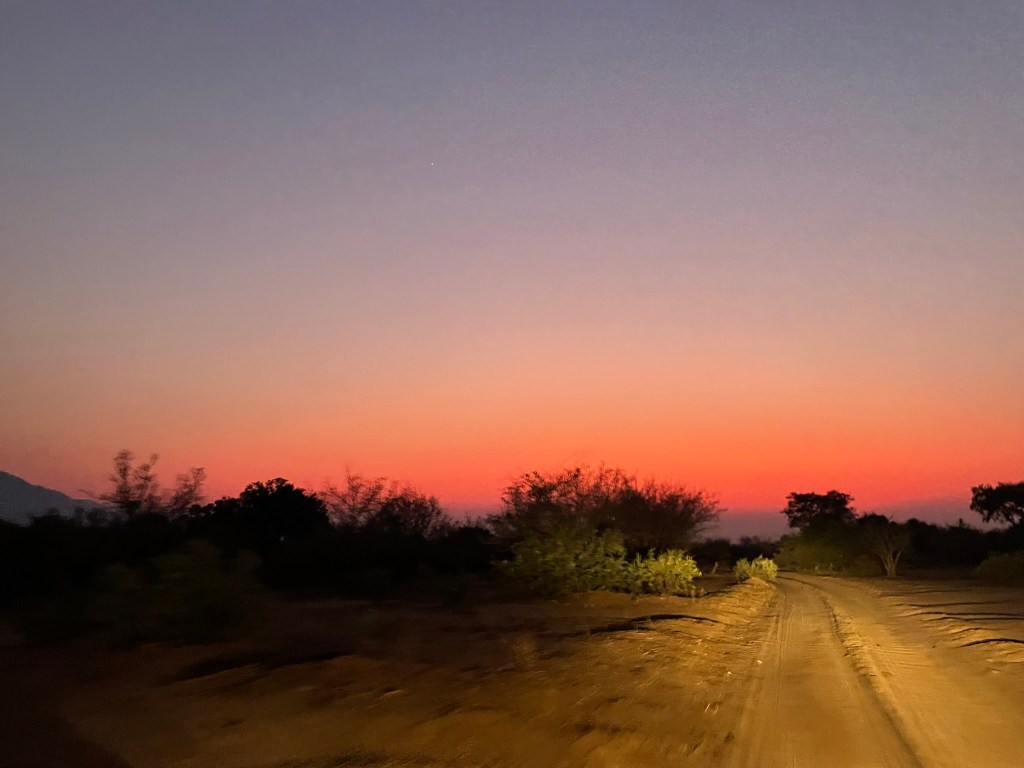
We left camp at 5:20, and zipped along the road towards the gate. A hyena who had been whooping and wailing all night slunk into the bushes to avoid us as we exited the campsite with haste.
Taking care not to get stuck in the sand in the Chongwe riverbed as we did last night, we arrived at the gate just as the guard was opening up. It was the same guy we purchased our papers off last night, so without stopping we waved our permit at him and he duly waved us into the park.
It was still very much dark as we made headway along the parks main road. Bumpy in parts, it was a bit of a wild ride, fortunately there weren’t too many obstructions. At this time most elephants are up in the hills feeding on the forest, only making their way down to the river to drink in the afternoon.
Just over an our after entering the park we arrived at the ranger hut on the side of the airstrip, the sun was slowly rising to the east, directly ahead of us. The scouts were still fast asleep, and there was no sign of anybody else around. Nobody would be able to point us in the right direction. We got our binoculars out and scanned the plain in front.
A cloud of dust caught the early morning rays. Ahead of us perhaps a kilometre or more, we were unable to see what was causing it. It was just on the northern fringe of the wide open area known to be used by the dogs to hunt. Our assumption was that it was a game viewer from one of the lodges, also on the lookout for dogs. No campsites up here, and the lodges start at $1,500 per person per night, the guides on the vehicles would certainly be very good at those prices. We headed towards the dust cloud, it was our best lead.
Two minutes later, after speeding around the edge of the clearing, we neared the spot where we’d seen the dust cloud, it was clear there were no other vehicles around.
We rounded a bush and Sarah let out a sigh of relief: “oh thank god they’re here”.
The plan works?

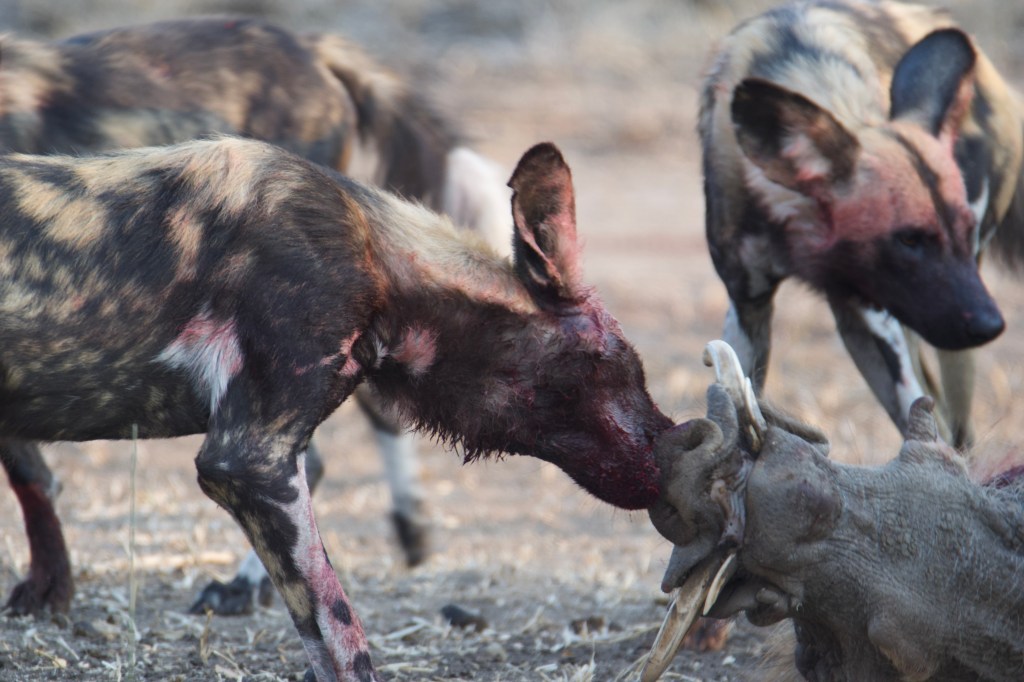
The dust cloud had been caused by an almighty struggle between a large male warthog and sixteen hungry wild dogs.
The pack had been out on the hunt, and they had been successful.
As we arrived it was unclear whether the hog was already dead, but within seconds of parking up its body had been torn open and the dogs were eating.
Fortunately we hadn’t witnessed the kill and the struggle itself. Wild dogs have a particularly brutal method of hunting and don’t even wait for the animal to be dead before they begin to feed.
The entire spectacle was ours, no game viewers had yet joined us and we had five or ten minutes with the most unbelievable sighting as the sun rose.
The scene was frantic, every few seconds or so dogs would rotate out of the carnage, almost as if to catch a breath of air, before diving straight back into the melee to eat some more before the meal was finished.
Unlike the oribi we had seen caught in Liuwa plain, the warthog was much bigger and lasted a lot longer, even with the dogs’ constant eating. After a while it became less frantic, some of the dogs came to sit out in the open, enjoying basking in the morning sun.
At this point we were joined by a number of vehicles from the fancy private lodges. Old Mondoro camp at $2,000 per person per night was probably the closest, maybe a twenty minute drive away. Their guests had had a leisurely morning, but we could tell their guides knew the lengths we had gone to to reach this spectacle. The knowing nod and smile in our direction acknowledging that we had managed to get there first.

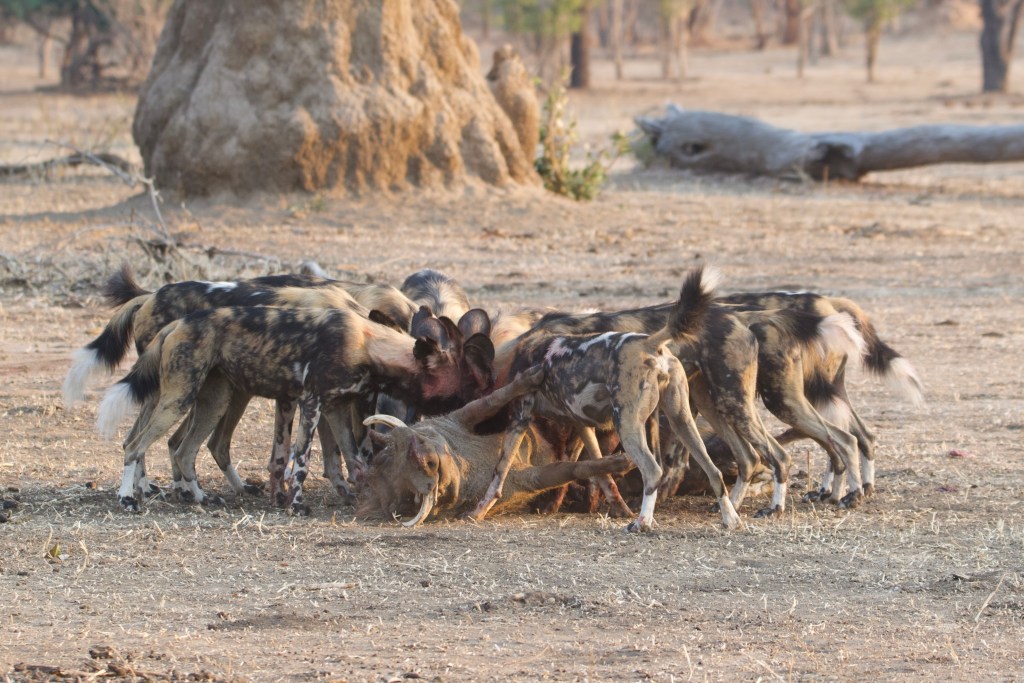
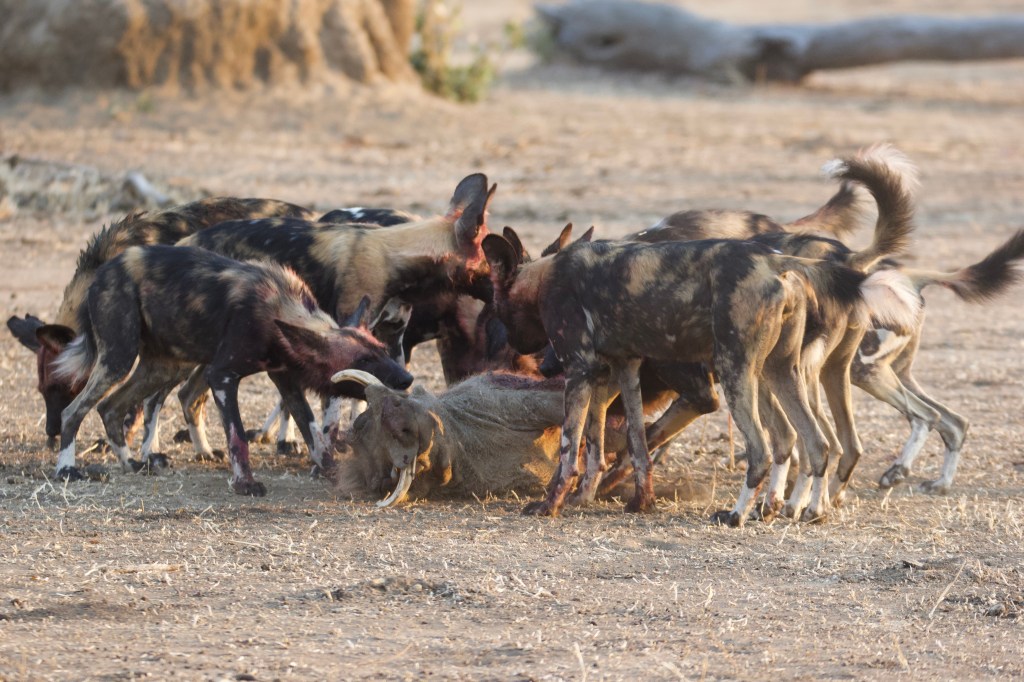


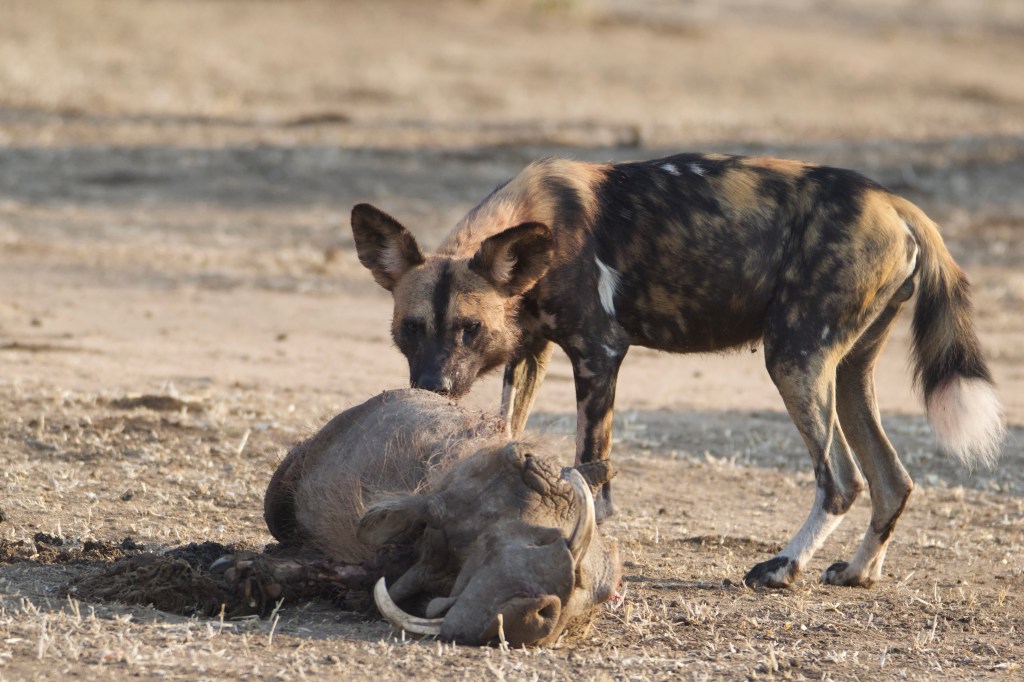

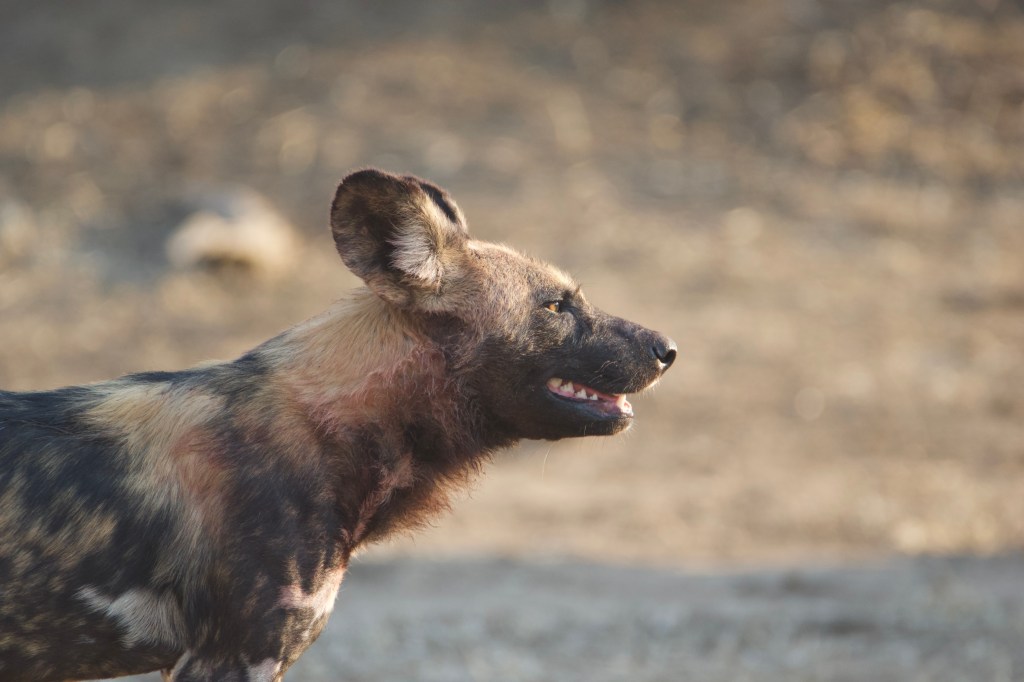


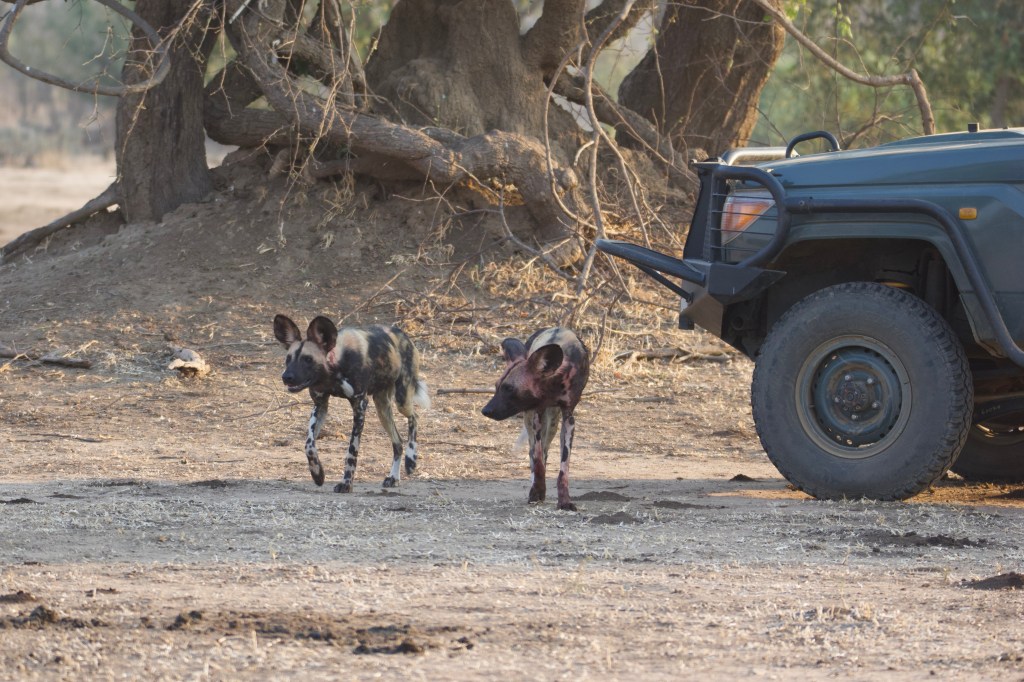


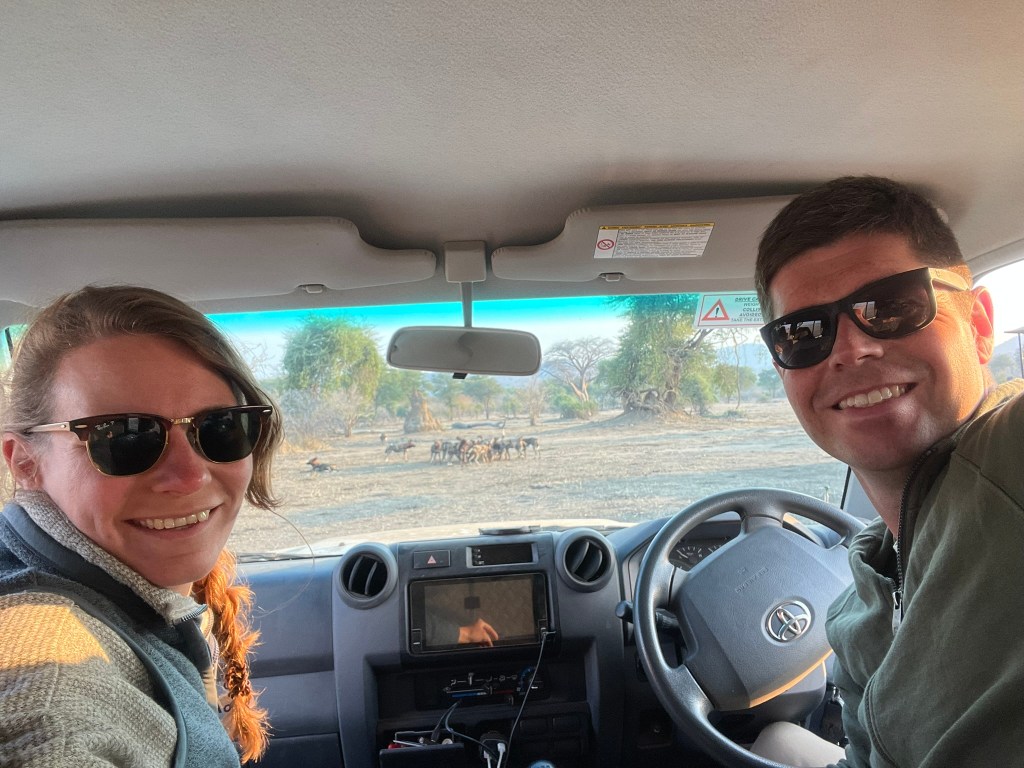


We took our time admiring the beautiful creatures as they felt totally comfortable in our presence. Their unique patterns are mesmerising, and it was just a joy to watch them interacting with one another.
There is a den in the foothills of the escarpment, away to the north-east from the Jeki airstrip. There are apparently healthy pups, but at the time of our visit no guides were quite sure how many there were.
One-by-one the game viewers left until one again we were the only ones left. The dogs had been departing back to their den at the same rate. A couple of dogs remained, perhaps they weren’t full yet, or maybe they were squeezed out at feeding time. Even then, less than an hour after we arrived, with the sun still low in the morning sky, they too snuck off back into the bushes towards the den. Soon enough it was just us and the empty remains of the poor warthog.


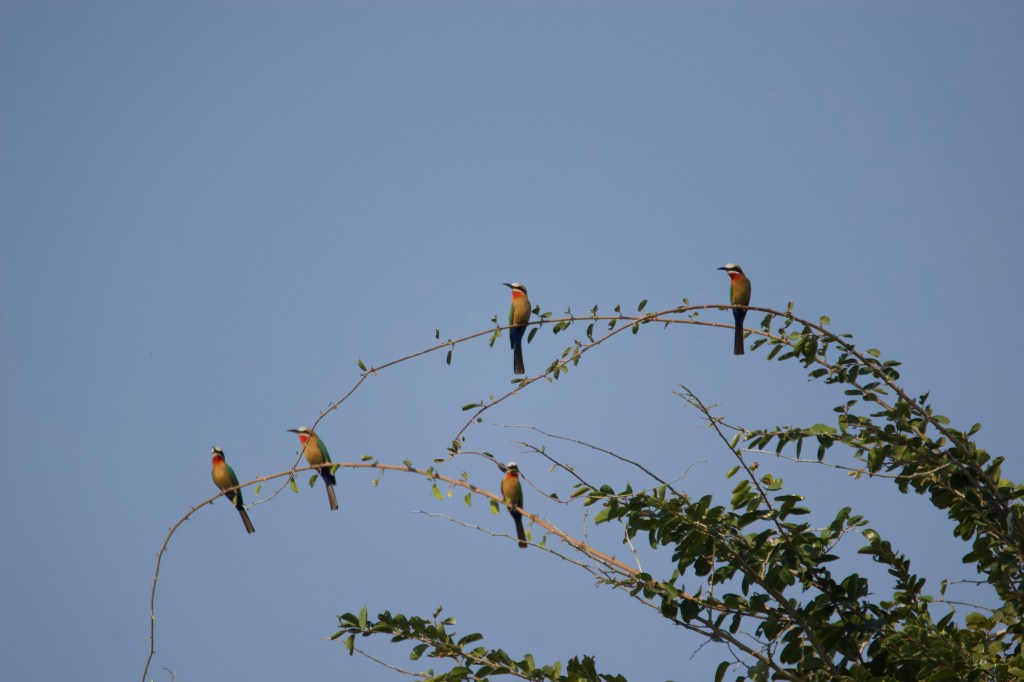

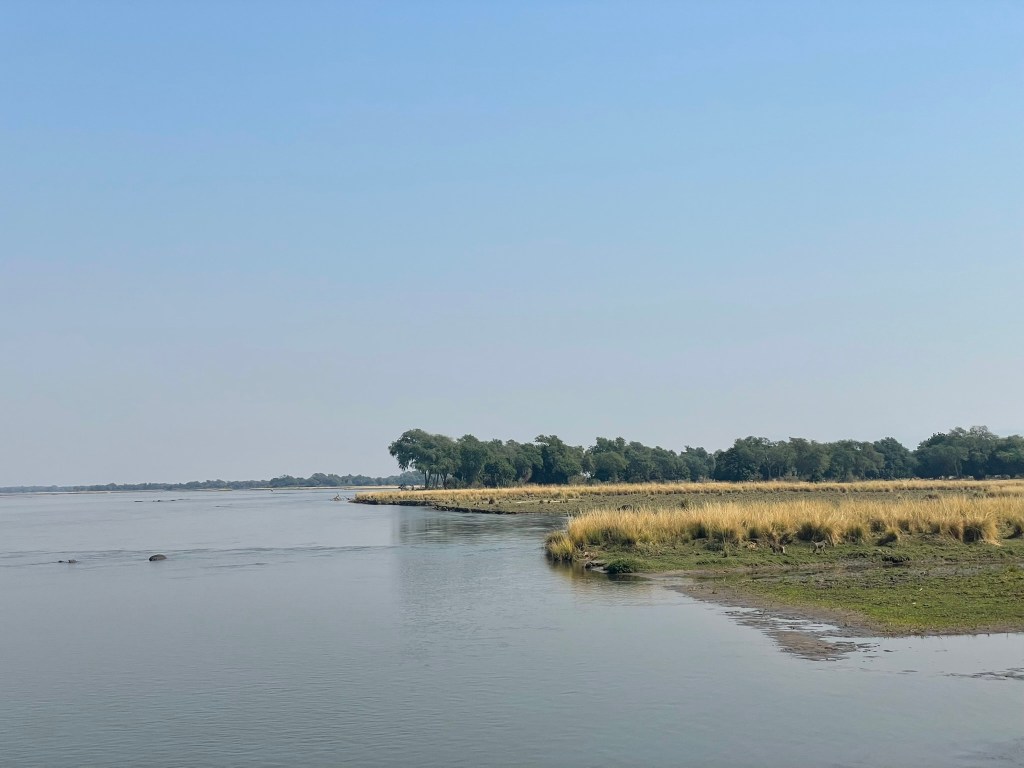
Lower Zam Safari
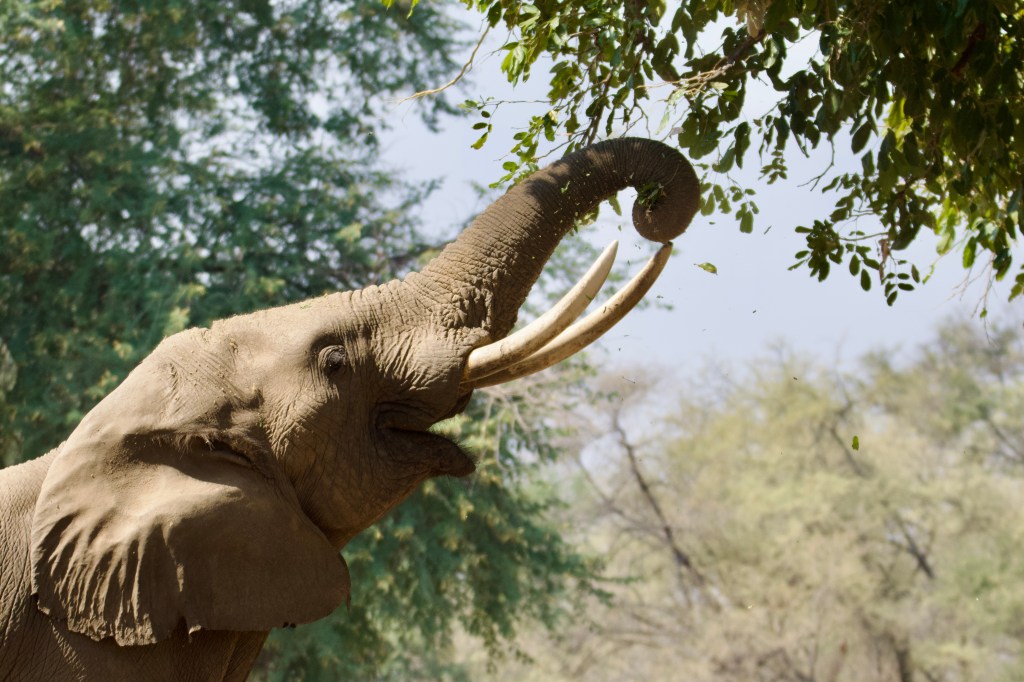
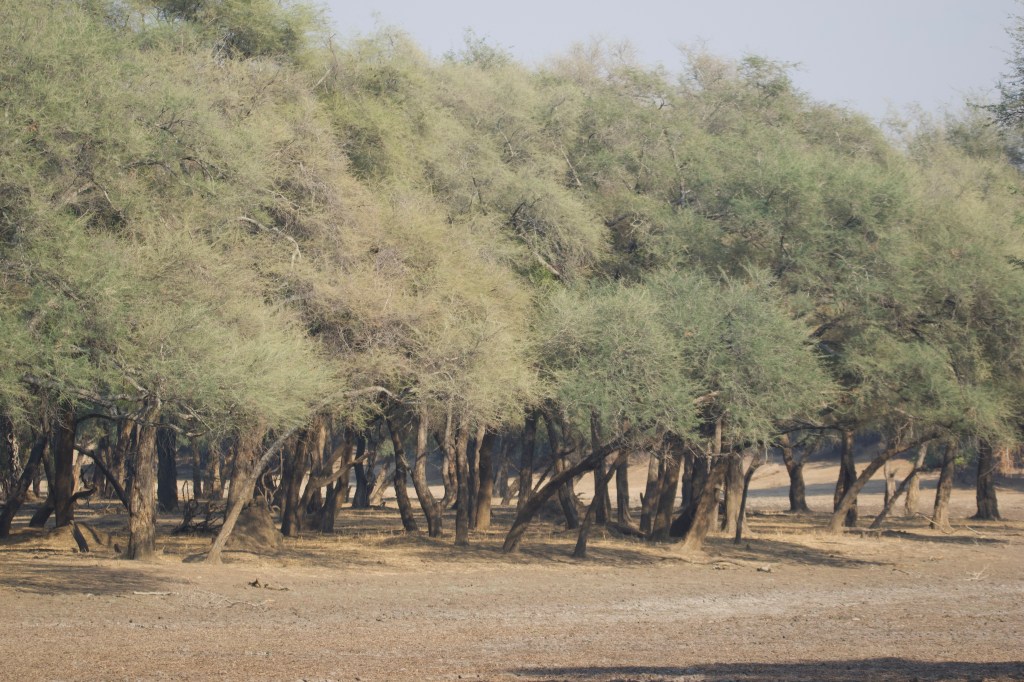
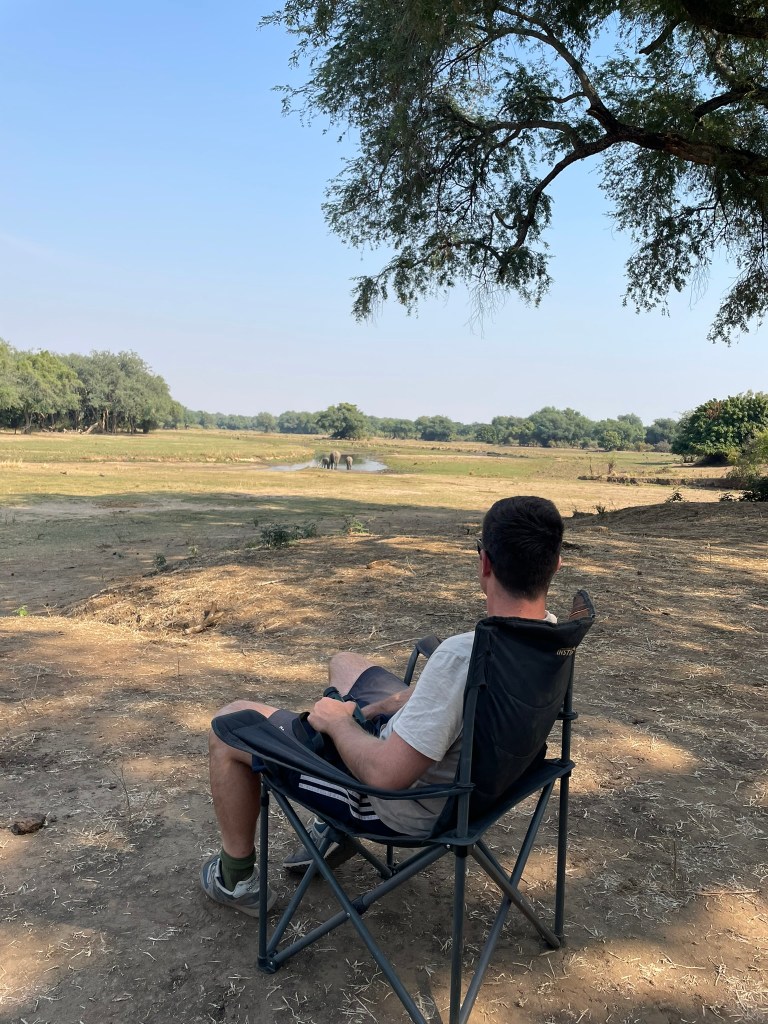
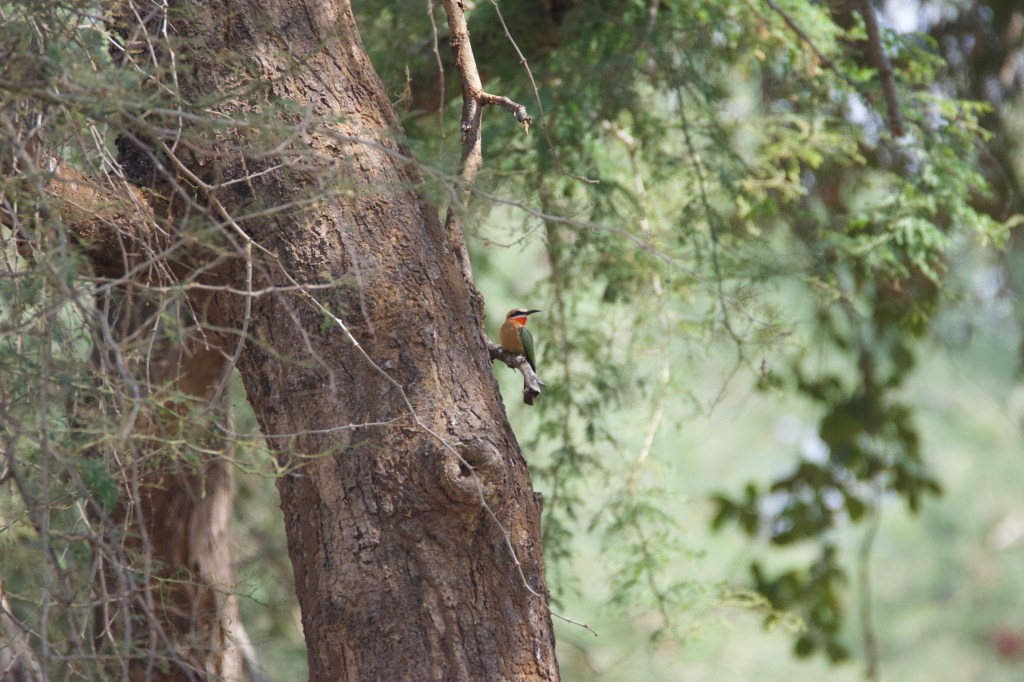
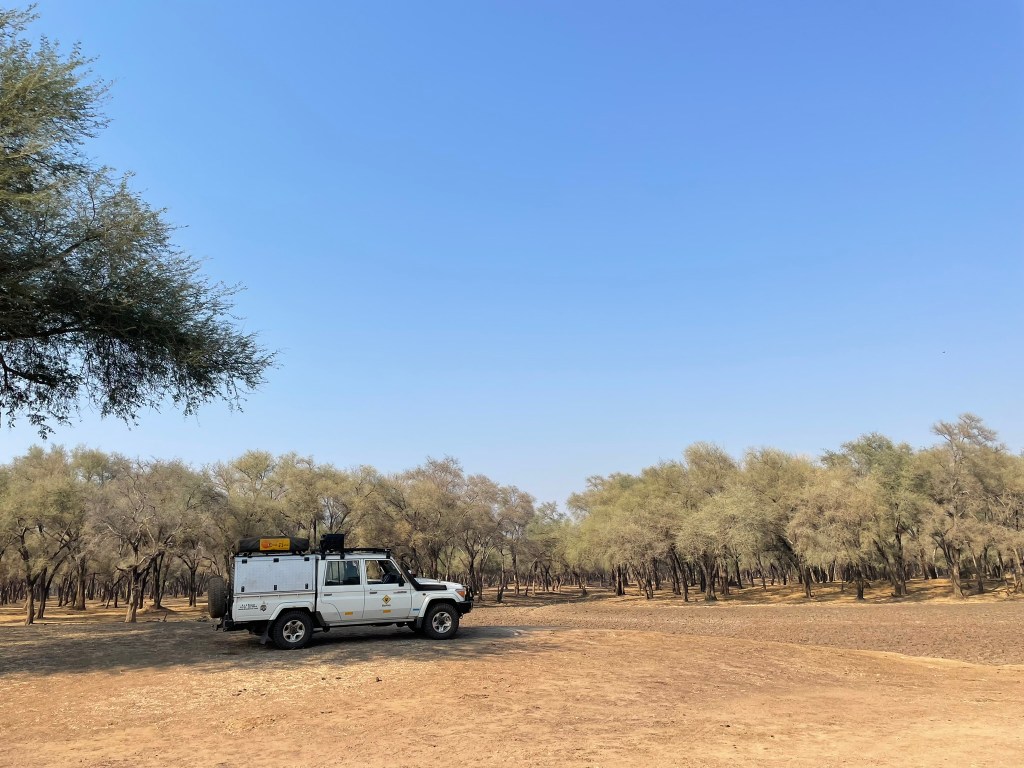
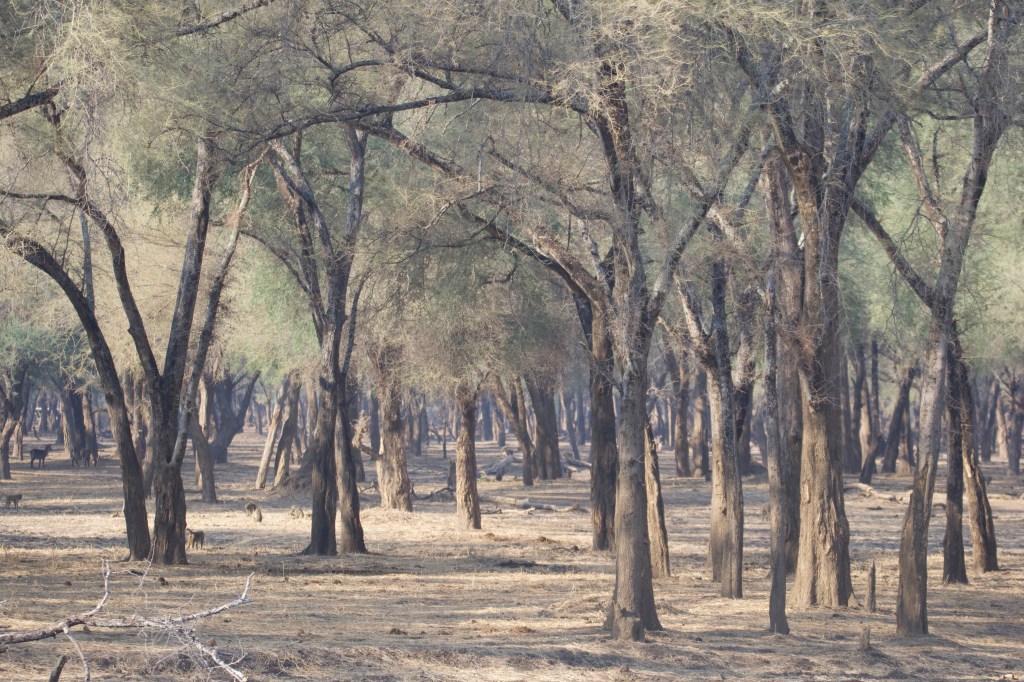
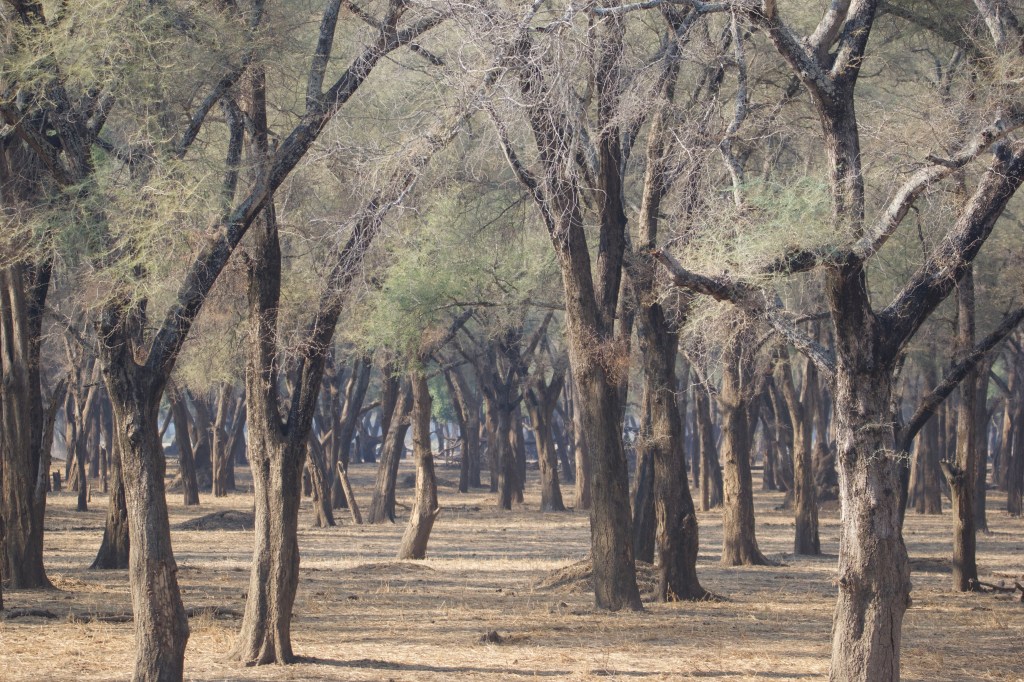
Having succeeded with our morning objective, we had a relaxing day enjoying the scenery of the Lower Zmabezi National Park. There are an awful lot of elephants there, thankfully they’re much more tame than in Kafue. It’s a very special experience to be able to sit and watch the animals come and go, especially in such a picture perfect landscape.




- The infamous Binga-Karoi road
- Mana Pools: A bucket list location?
- Camping Among Lions: Chitake Springs Experience
- Chirundu: The worst border in the world
- The Wild Dogs of Jeki: Sunrise in Lower Zambezi
 Small Holiday Big Dream
Leave a comment