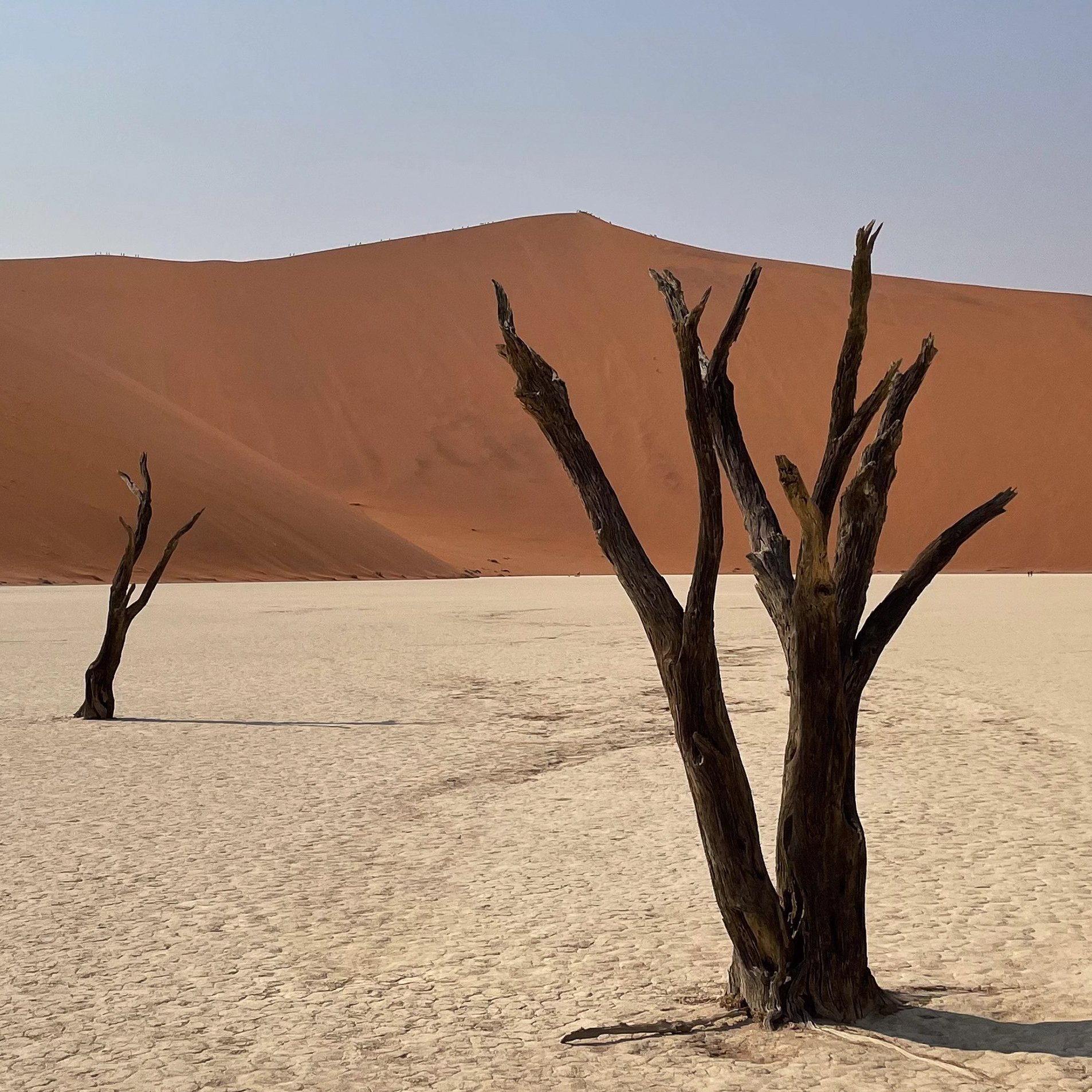
The Lower Zambezi National Park is paradise. It must be up there as one of the most spectacularly beautiful locations on the planet.
To get there we took a gamble, entering the park from the rarely used eastern gate, and crossing the mountains of the Zambezi escarpment on a narrow rocky track. Getting stuck could mean a long wait. It didn’t promise to be an easy ride.

Coming in from the east
South of Bridge Camp, the Zambian Border with Mozambique traces the lower reaches of the Luangwa River. The impressive gorges around the Luangwa Bridge give way to a wider valley, littered with large and healthy baobabs.
The area appeared much poorer than most of the regions of Zambia we had already driven through. After an hour on the rather incongruous newly tarmaced road we turned west, and off into the bush.
On the narrow dirt road, which strung together a succession of small villages, we encountered a car coming the other way. The driver introduced himself as the head of the village. We mentioned our trip into Lower Zambezi National Park and he told us we were on the right track. He waved us through, on the proviso we returned to him with a Duiker from the forest.
We had been told that from this direction the entrance to the national park was little more than a gateway you had to open and close yourself. So it was a shock when we arrived to find a staffed park office with the ability to issue park permits. Mind you it did seem as though the ranger was out of practice at issuing permits, and taking cash.
We were in. 70km of treacherous mountain tracks awaited us. Described as “hell” by our good friends Dean and Jannie from Mfuwe, we expected it to take us four hours or so to reach the Zambezi river.
During wet season the road would be a non starter. We traversed many steep, dry streambeds. One of which we managed to get wedged in. The valley was a narrow “v” and the Land Cruiser was too long. So as the front wheels began to climb out of the valley, the tow bar got jammed into the downslope. We were stuck fast.

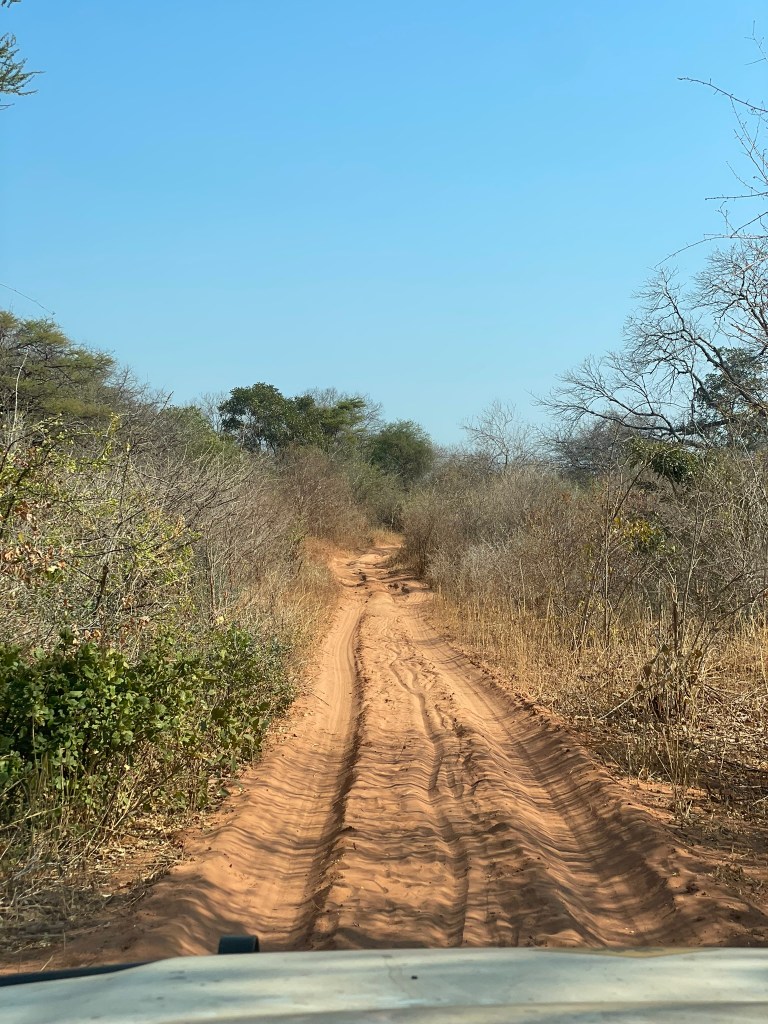
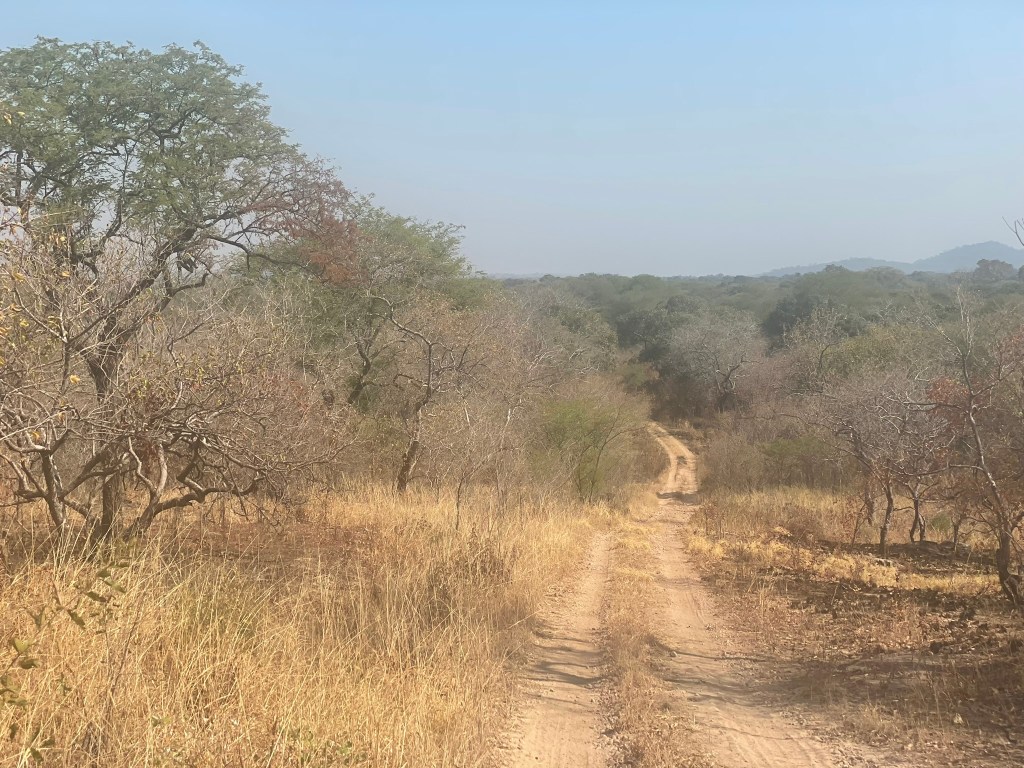
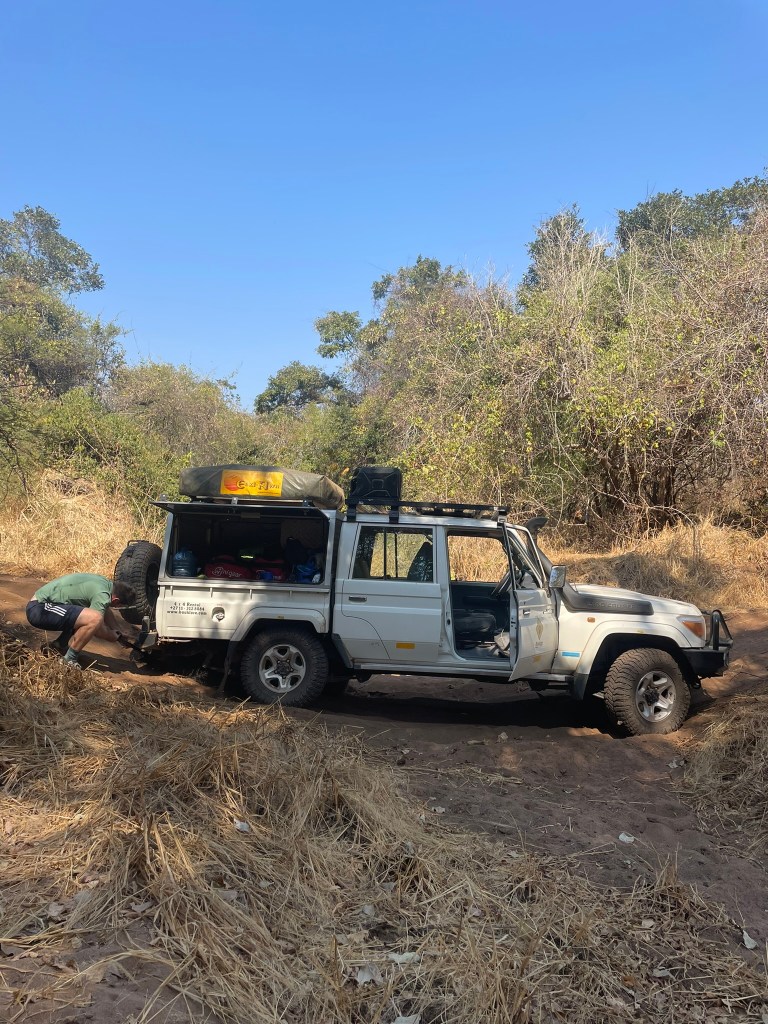

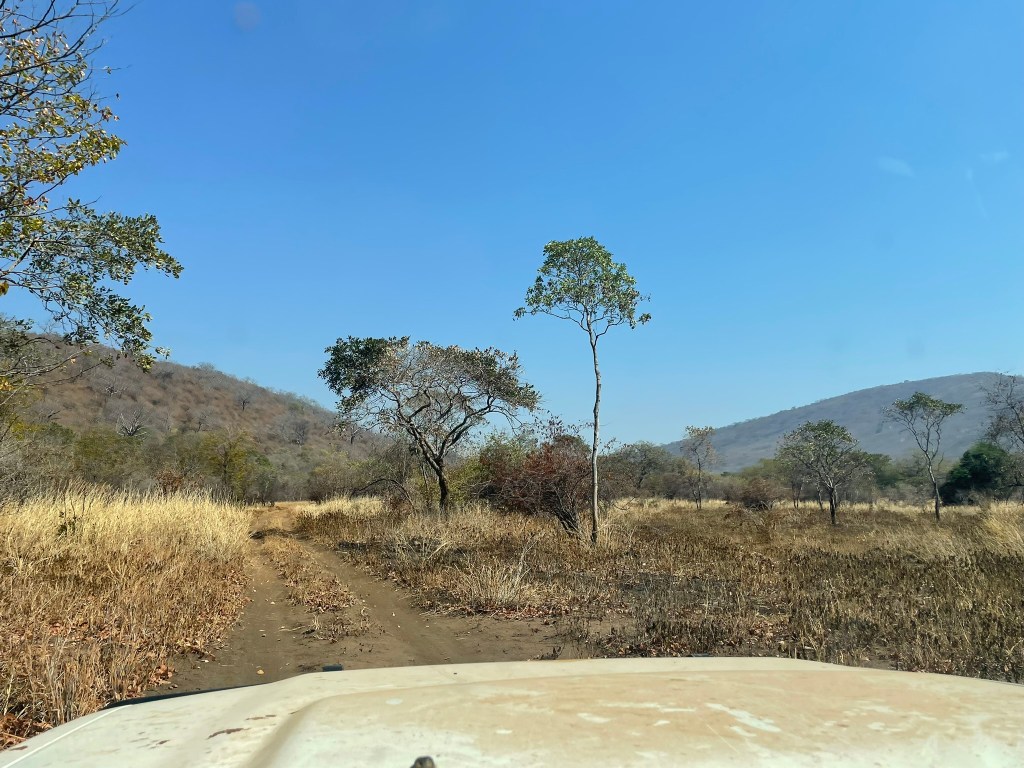
Half an hour of digging and wiggling freed the car, if the ground were any more solid we might have been in a lot more trouble.
Four hours after leaving Chamitondo gate, we reached the river valley. Not quite at the side of the main river itself, but by a small watercourse amongst the trees, we stopped for lunch.
What a place to stop for lunch. We parked in the shade of a huge acacia tree, in front of us was a small river valley with small pools of water attracting all kinds of wildlife. Elephants strolled down past us, minding their own business, as they made their way to the pools for a drink and a mud bath.
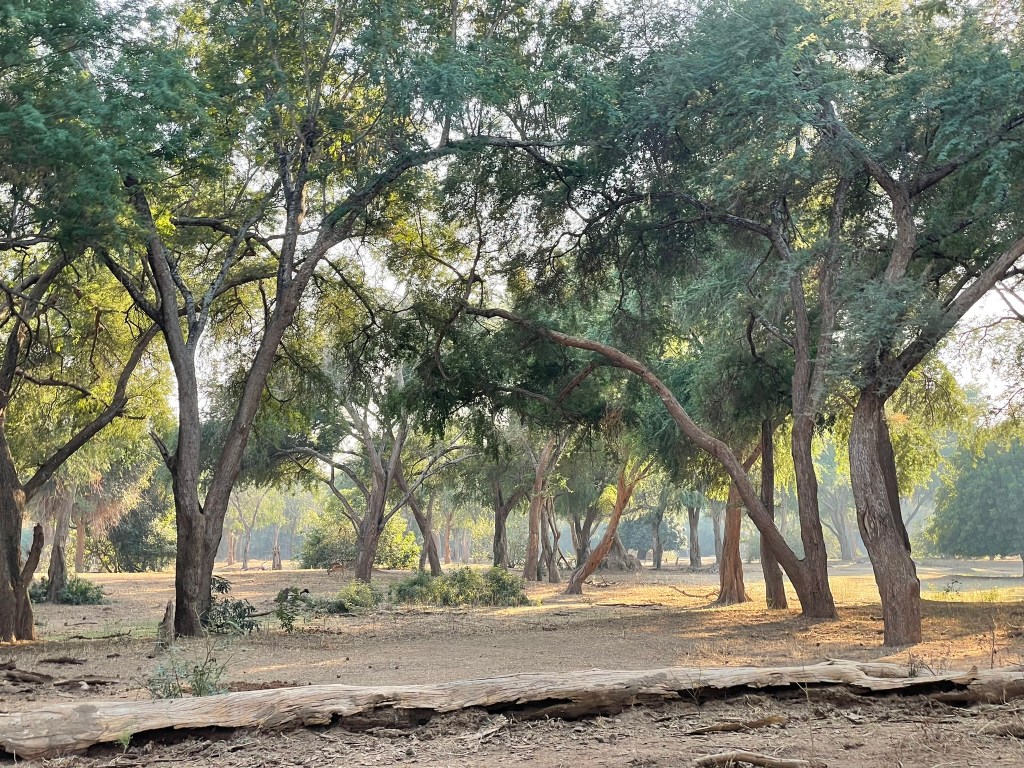
Looking past the water, we could see the most spectacular winterthorn acacia groves. The trees had been allowed to grow large, the canopy trimmed to a height out of reach of the tallest of elephants (no giraffes here). Beneath the shaded canopy was a lack of undergrowth, everything had been grazed back by the abundance of herbivores. The effect was striking. Thousands of tall straight uniformly parallel tree trunks stood in front of us. Our eyes were drawn deep into the forest where the odd elephant, waterbuck, or baboon’s movement caught our attention. The thick canopy provided much needed shade on the ground below.
We stopped and watched for what could have been hours, until we realised we still had a good distance to travel across the park in order to make it out by sunset.
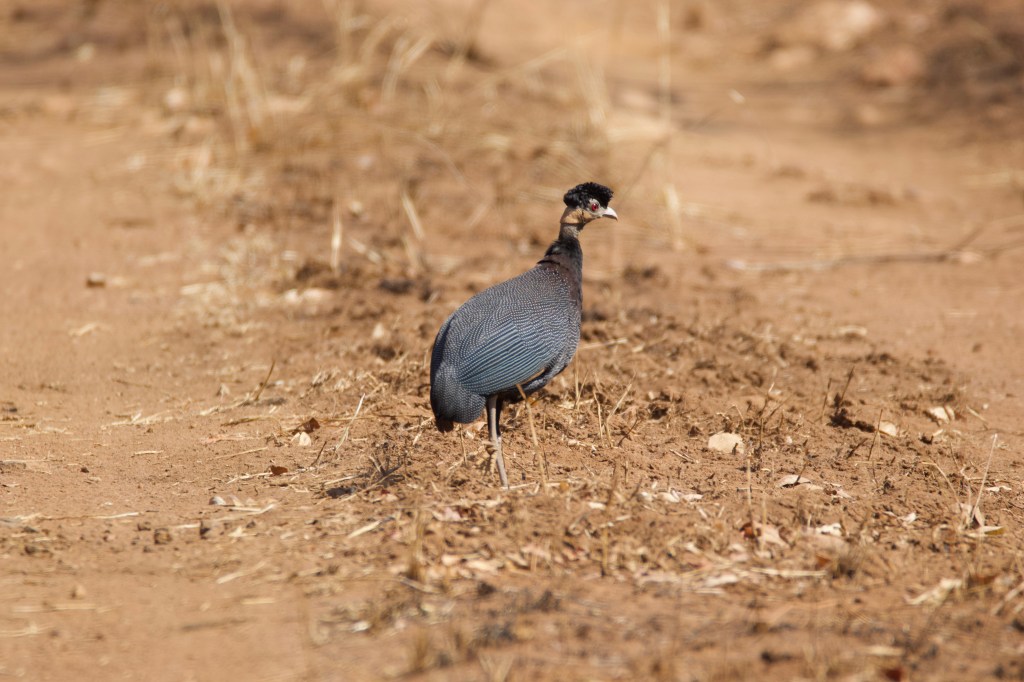
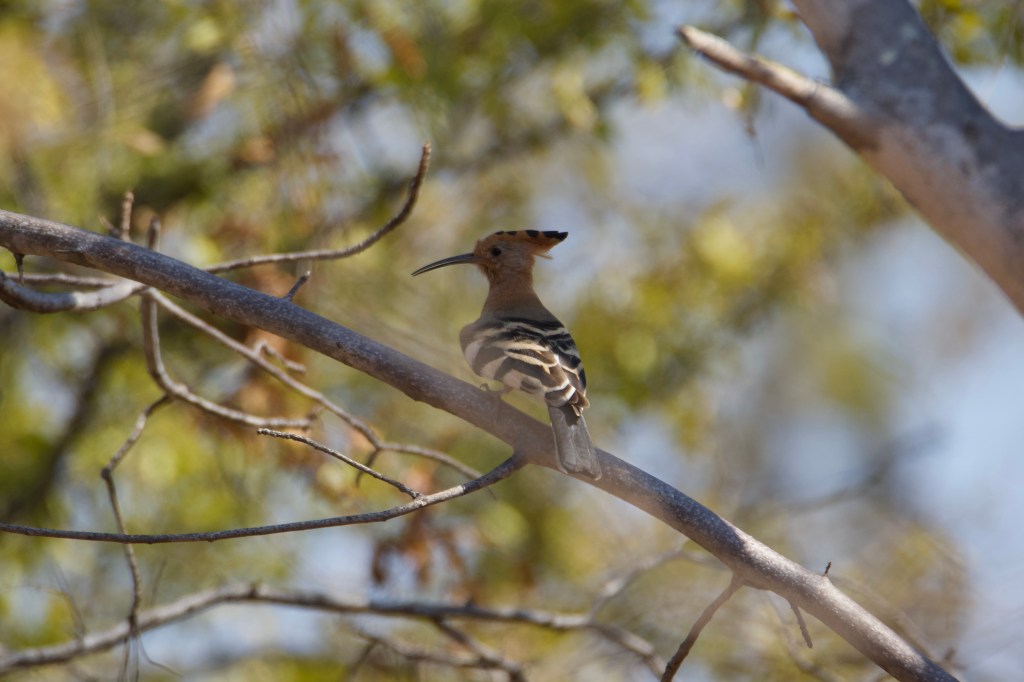

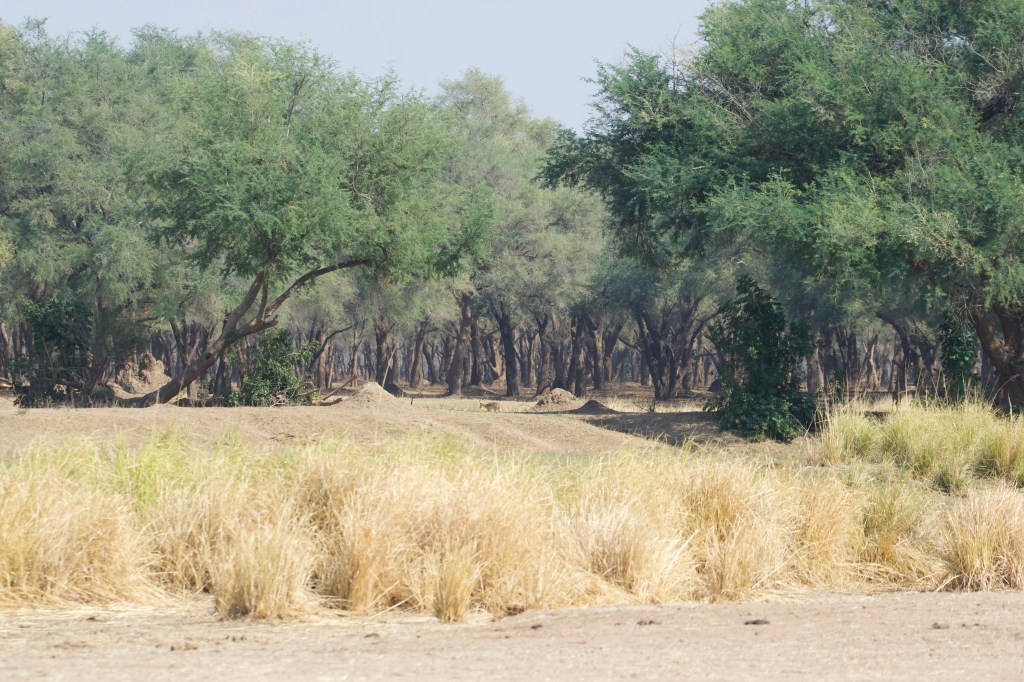


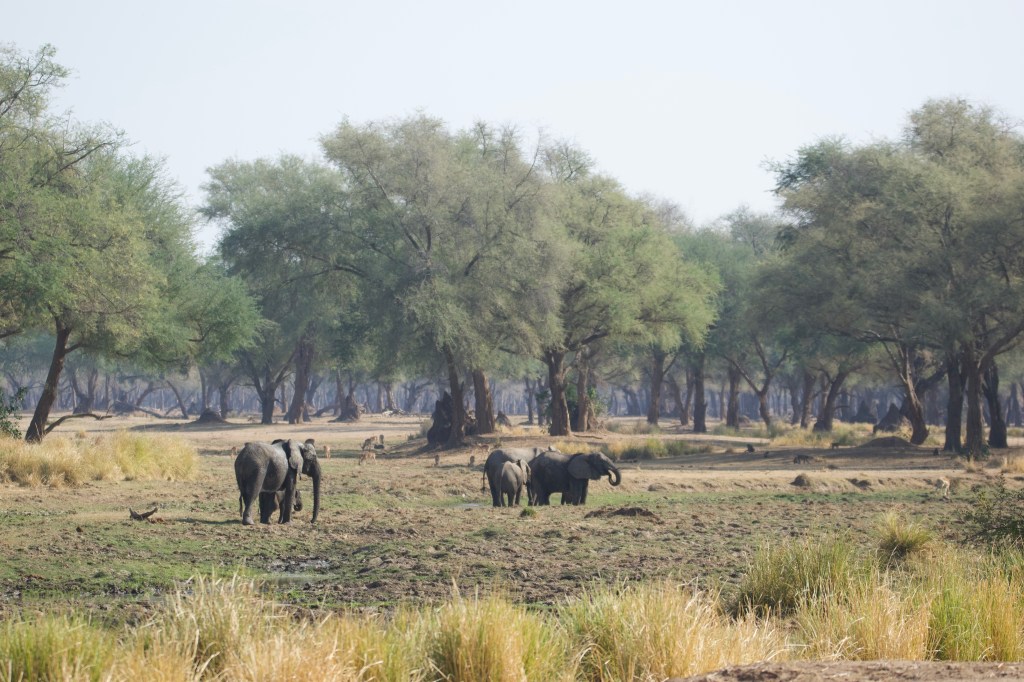

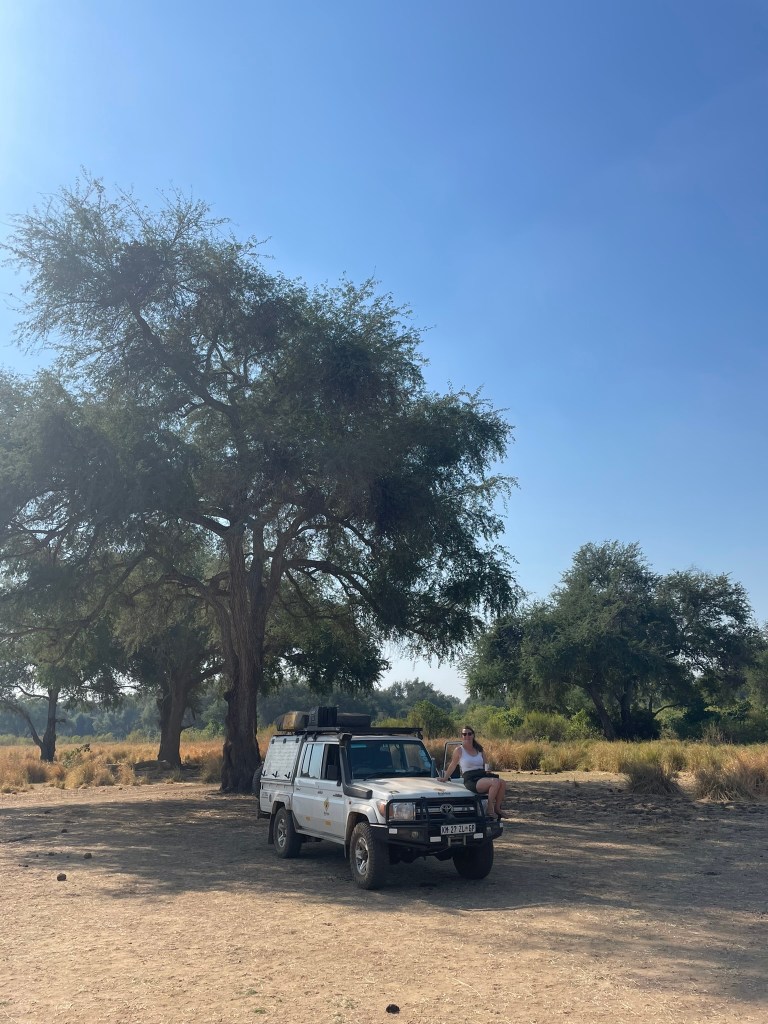
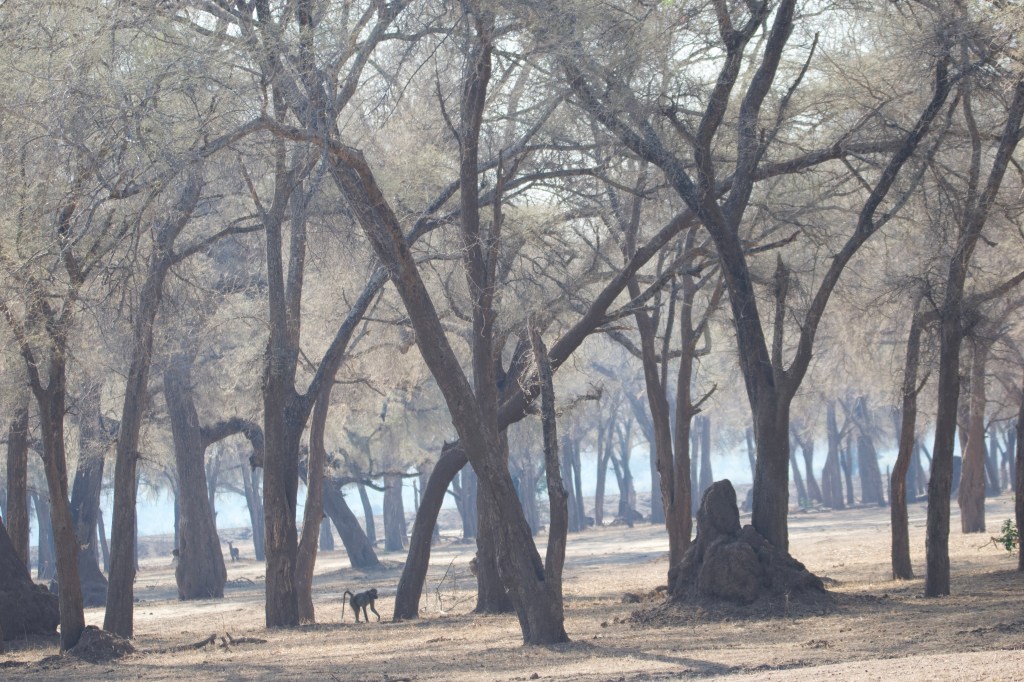

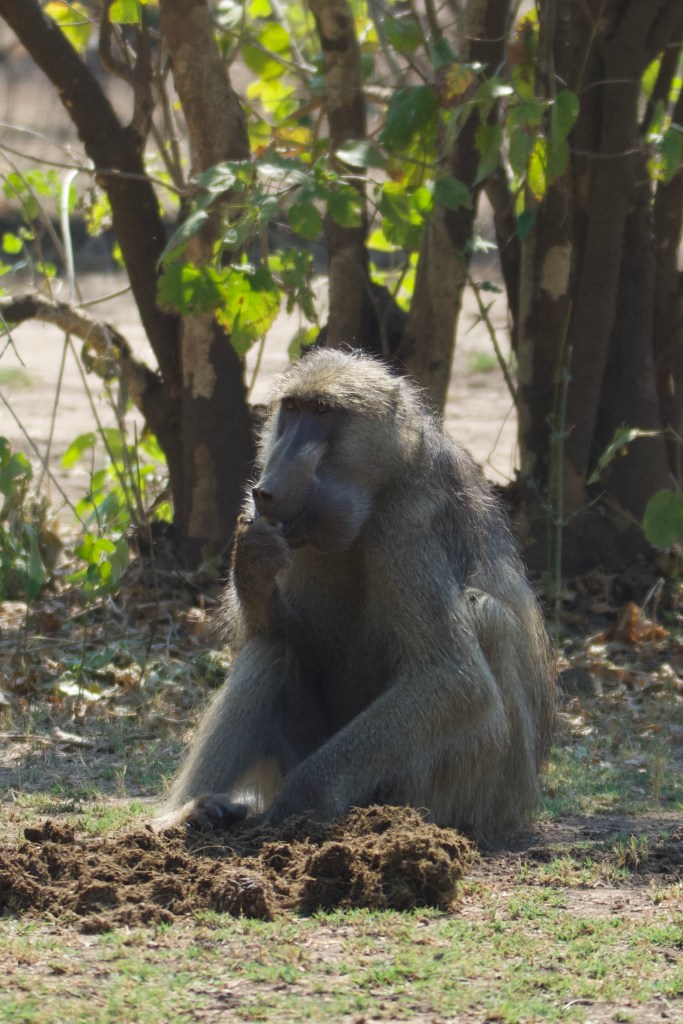
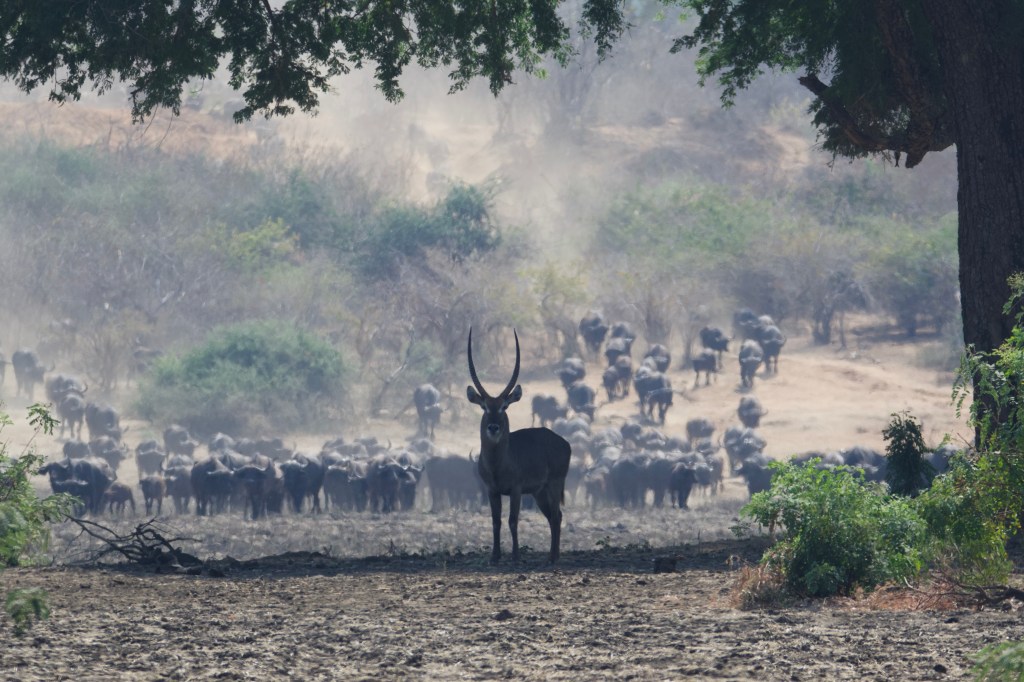
We meandered though the park, taking in the sights of the mighty Zambezi river, and marvelling at the abundant wildlife. Waterbuck, Impala, Baboons, and of course Elephants are the most common game. Giraffes are notably absent. We were also pleased to spot crested Guinea Fowl in the escarpment area of the park, a first for us.
There are no campsites at all in the Lower Zambezi National Park. The closest is a 40 minute drive outside the Chongwe gate in the Chiawa GMA. The campsite, Mvuu lodge, was our destination, and of course we were to arrive long after sunset.
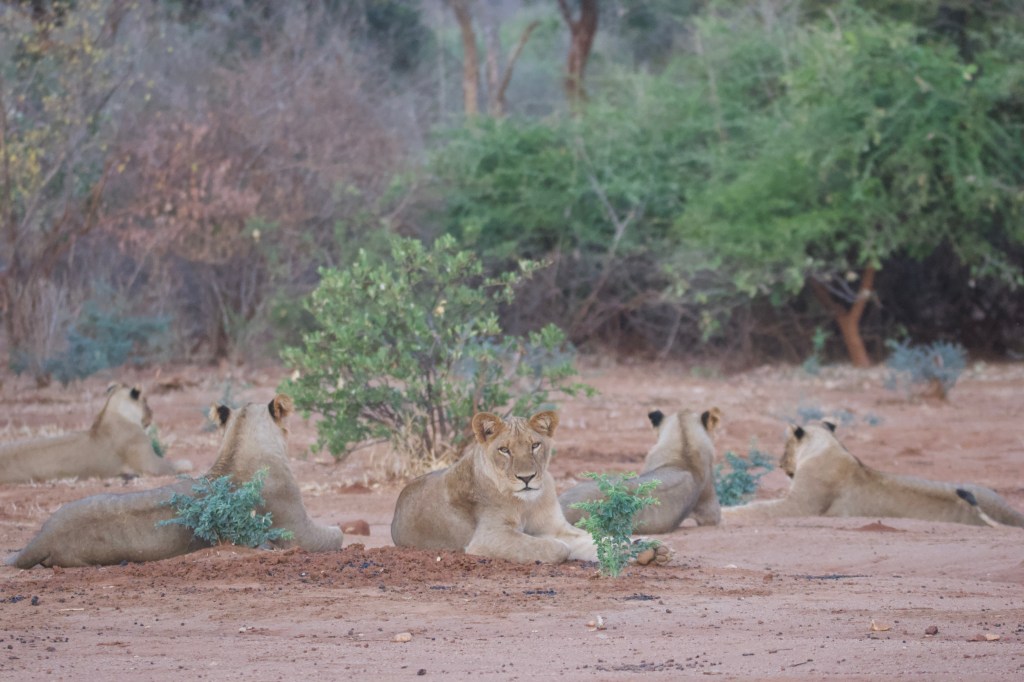
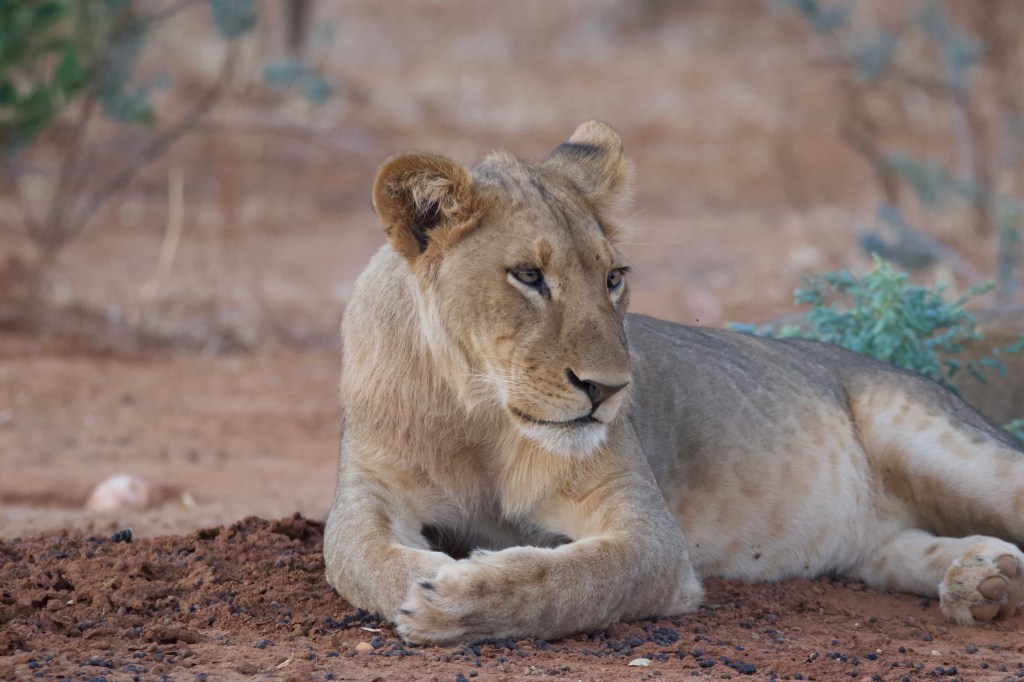
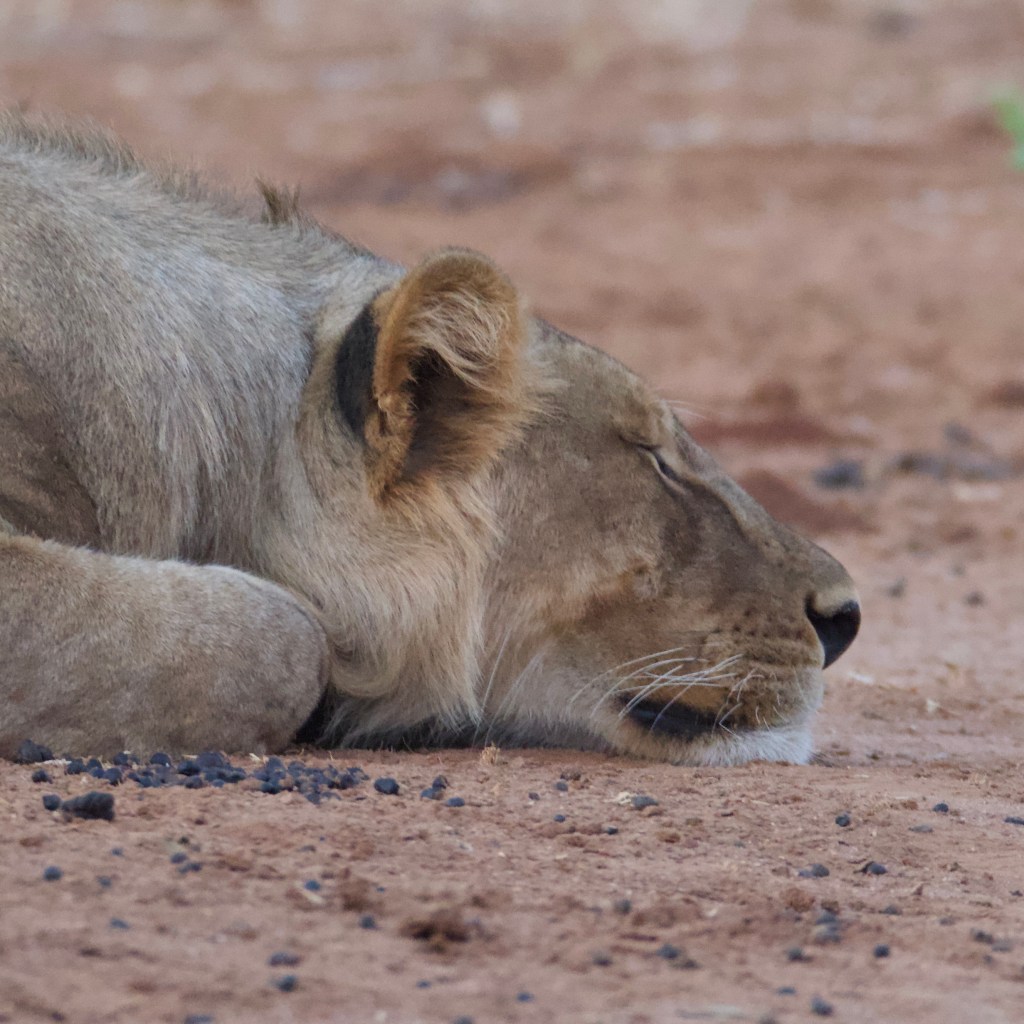
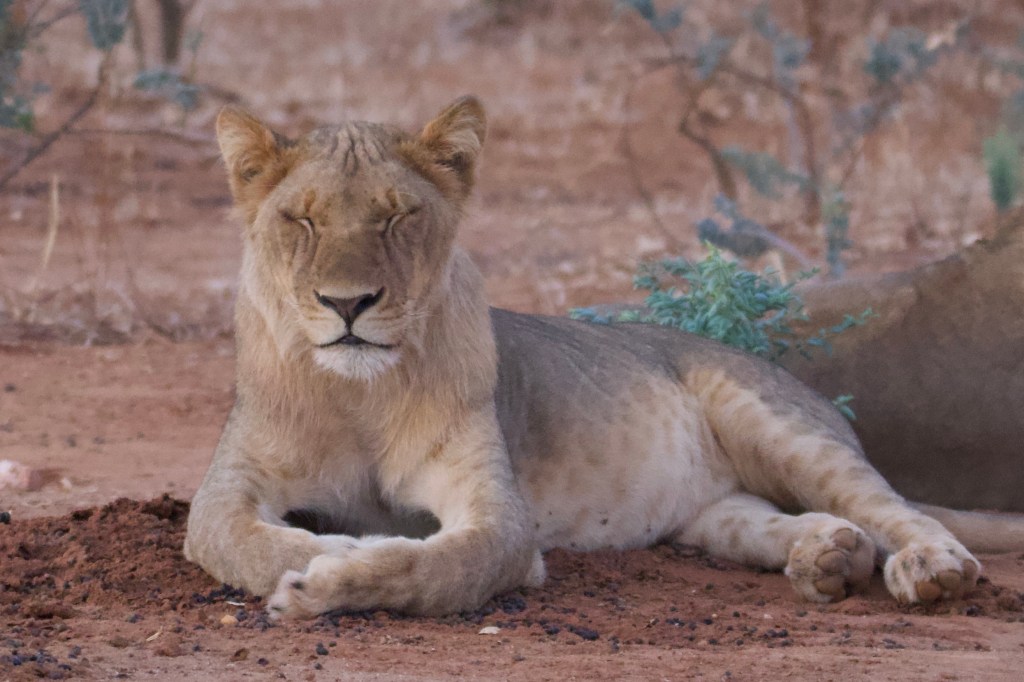
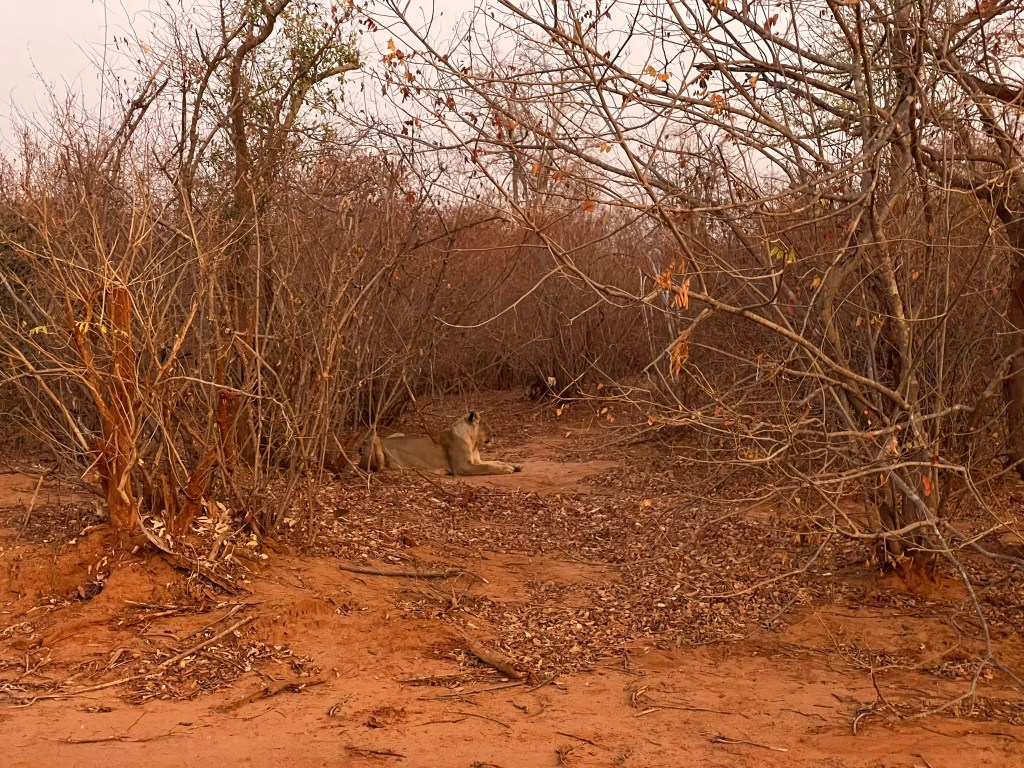
Having seen little in the way of carnivores, and only mostly marvelling at the scenery, we exited the National Park on the stroke of sundown, as were supposed to. Shortly after we had crossed the Chongwe river and began heading to Mvuu, we came across a small pride of lions.
The sun and the heat of the day had swiftly evaporated, and we watched as they got up from their resting places to begin their evening hunt. The lead lioness was keen to get going, but the three sub-adult males were more interested in dragging their feet. It was almost fully dark by the time they strolled off into the bushes in search of a meal.
Wildlife:
Lions x6
Elephants, Crested Guineafowl, African Hoopoe
Distance: 206km
Cumulative Distance: 7,987km



Lower Zambezi Safari
Safari in the Lower Zambezi National Park was our plan for today. That means getting up before dawn, packing up the tent in the cold and dark and heading out before breakfast or even a cup of tea.
Being 40 minutes away from the gate we had to leave even earlier if we were to have any luck.
We were nearing the park entrance when Sarah called out “dog”. I was looking down at the map at the time, and by the time I looked up whatever it was had slunk away into the thick bushes. We strained to try to spot it but it was no use, it was still dark with the first rays of orange just poking into the deep dark blue sky.
We whizzed around the corner in an attempt to find a place to turn around and follow the dog’s tracks. What we didn’t bank on was the young male lion lying in the road on the inside of the bend. Good job Sarah was switched on or we’d almost of ran him over.
His startled yellow eyes stared up into our headlights, not for a moment did he think about getting out of our way, in his world lions are number one.
The remainder of yesterday’s small lion pride were also here, and we followed them as they made their way along the road towards the airstrip and Mvuu camp.
There were four sub-adults, but they were playing like cubs. We watched as they tore down a tsetse flag and fought over who got to keep the spoils. The eventual victor paraded up and down the sand track with the bright blue prize in his mouth. His siblings would crouch in ambush, waiting for him to come back past them, then would spring into action and there would be a tumbling of dust and limbs as they scrapped for the flag.
The mothers cared not for the youngsters’ behaviour, and slowly kept the pace up down the road as if they were late for work.



Chilling by the pool
We never did manage to catch up with the potential wild dog sighting.
After we let the lions go, we headed into the park. It was a lot later than we expected when we got to the gate, but the lion sighting was very special indeed.
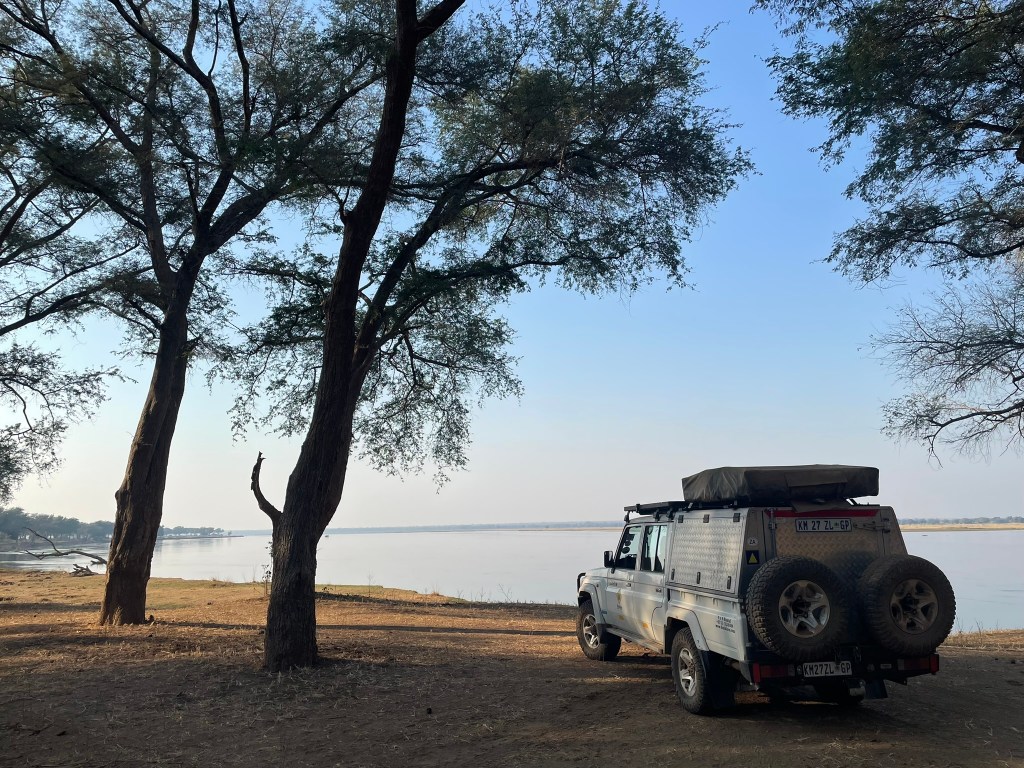
Hippo City was our destination for breakfast, a lovely spot by the river where we could have some granola, a coffee and sit in the warming morning sun. Just before we arrived we found some more fresh lion tracks, but we were hungry, so gave up on them fairly quickly.
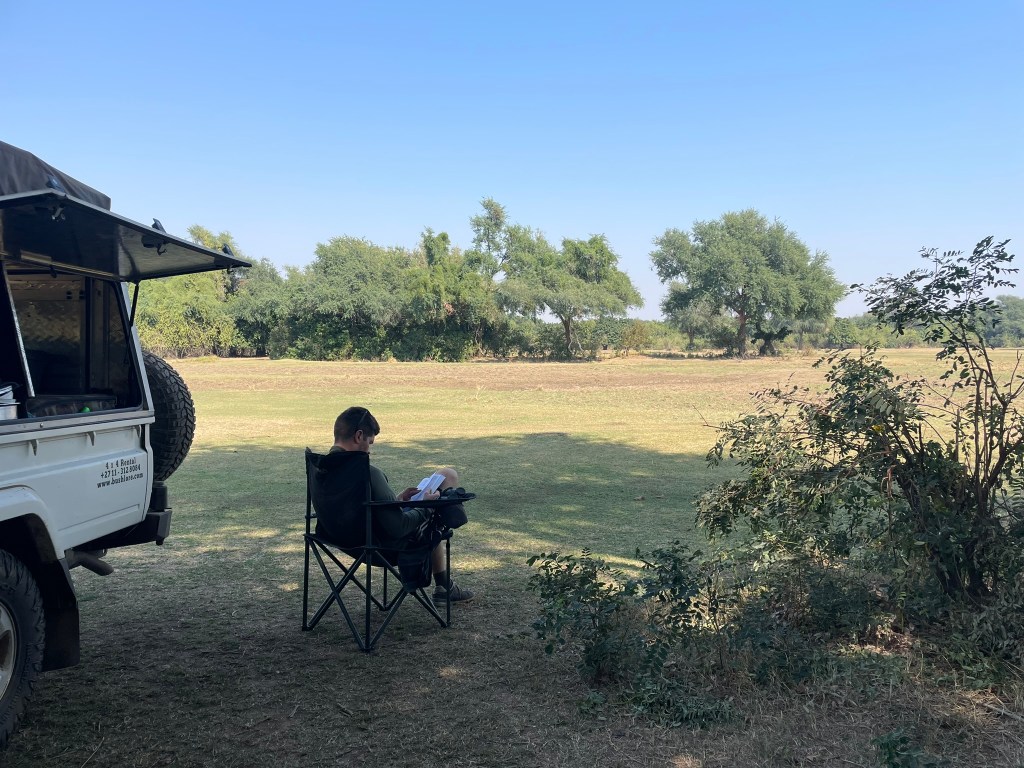
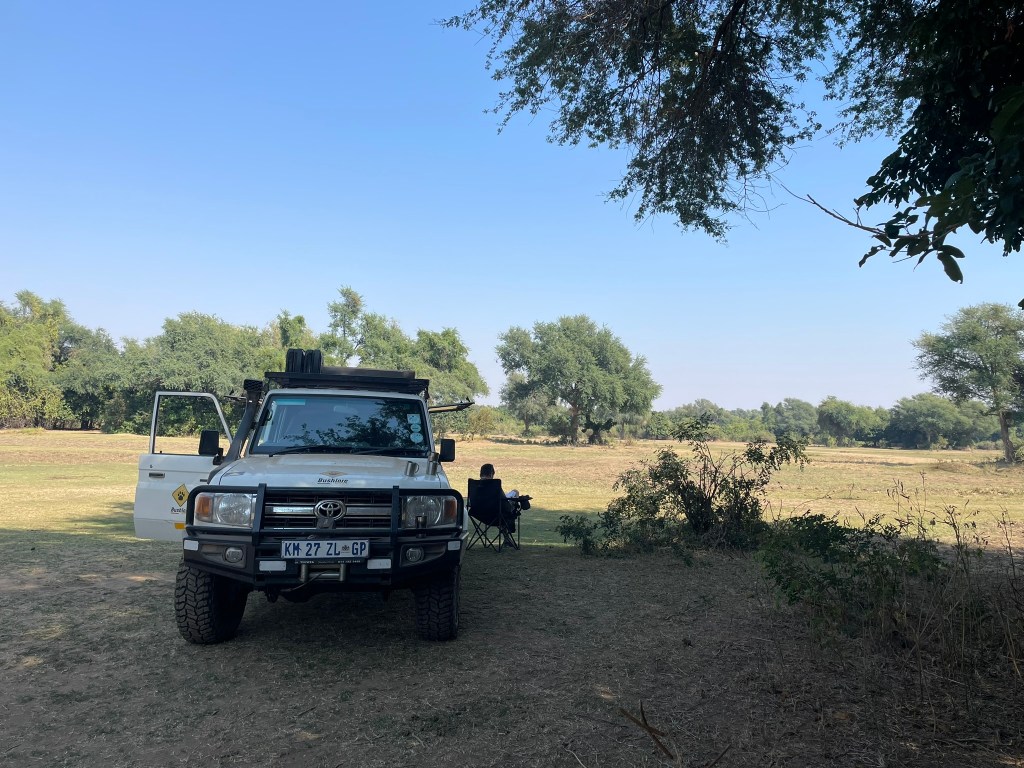
Truth be told it feels almost illegal to be sat there, in a camp chair, in the wilderness, just enjoying the sounds and the scenery. We stayed put for much of the day, enjoying watching successive herds of elephants come to drink.


Don’t mess with a Buffalo
Driving around the park in the mid-afternoon the scariest thing happened.
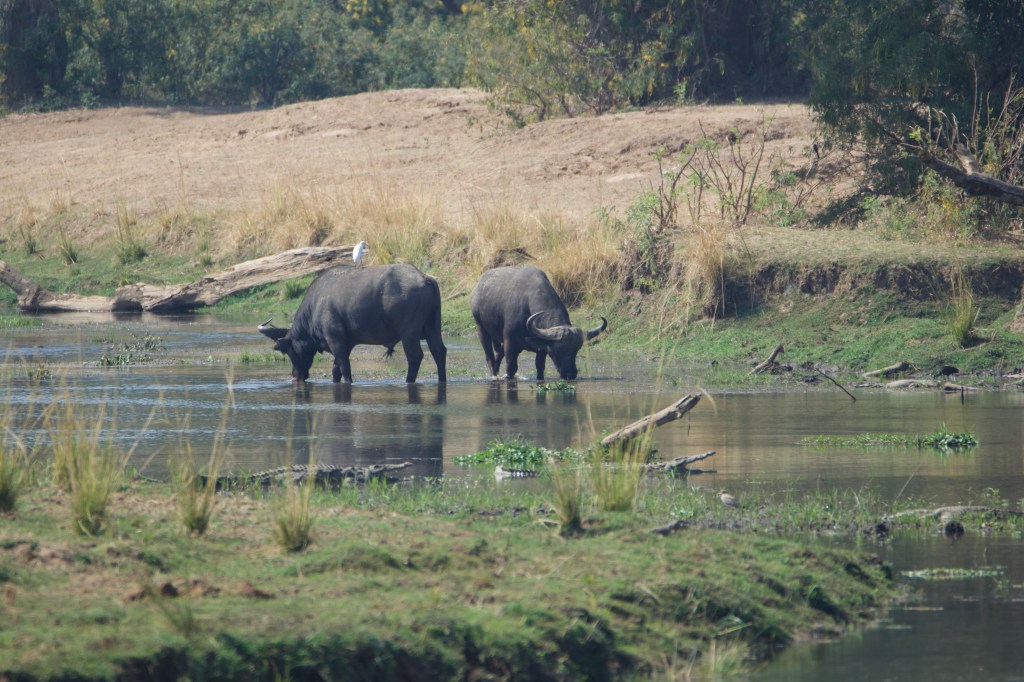
As we were searching for game, somewhere in the forest below the Jeki airstrip, we rounded a corner and were confronted by two old male buffalo.
Now you don’t need any safari experience to know that lone buffalo are the most dangerous of Africa’s large mammals to people on foot. (Luckily we were in our car)
Once they reach a certain age, the buffalo bulls are unable to keep up with the rest of the herd and are kicked out. Their eyesight is bad, and their sense of smell worse. The best defence for these guys is to attack. They will often charge first without hesitation, and they aren’t bluffing.
The two old boys were barely twenty metres away from us, each almost the size of a small car. The left one bobbed and shook his head at us in a vigorous nodding motion. There was no way around the buffalo, the black cotton soil either side of the road had been heavily poached in the we season, and now had dried solid, there was no way we could drive over it. Reversing back into the thicket was an option, but could easily provoke a charge all the same.
The road ahead curved away from where the bulls were standing. We could carefully inch a couple more metres forward before we could break off to the right and quickly away from the agitated buffaloes. As we crept forward the left-hand buffalo, the more agitated of the two, broke off to the left and cantered away. I immediately felt a flush of relief that he had gone, but no sooner had my eyes moved to the second bull I heard Sarah shout “go go go”.
The first buffalo had spun around and was now charging full steam towards the back-left corner of our Land Cruiser. He was gaining fast, head down, horns bobbing, coming right at us. I floored the accelerator, and with the response time of a snail the Toyota chugged into life. We crawled away from the charging buffalo to safety.
We are always the most careful and considerate of self-drivers, ensuring our actions have as little as possible impact on the wildlife we are viewing. Nevertheless things like this can happen to anybody.


Leaving the park
There’s a small scout hut by the Jeki airstrip. As is custom in Zambia we popped in to be sociable. The scouts told us stories about the large pack of wild dogs which regularly hunted buffalo on the large open area to the east of the airstrip.
Wild dogs hunting buffalo is the kind of thing worthy enough for big budget nature documentaries. Sure enough the BBC and others have recently been here doing just that.
We learnt the dogs had a den nearby with a large number of pups. The location of the den was secret, and wasn’t to be visited by guests or guides. However, we knew that when dogs are denning they will stay relatively close to the den site for their hunting. This meant if we were to return at sunrise or sunset there would be a good chance of a great spectacle.
The only problem was that this location was 1.5 hours from the park entrance at Chongwe, and the park gate was only open 6am – 6pm. If we wanted to see wild dogs we’d have to come tomorrow.
Back at Mvuu
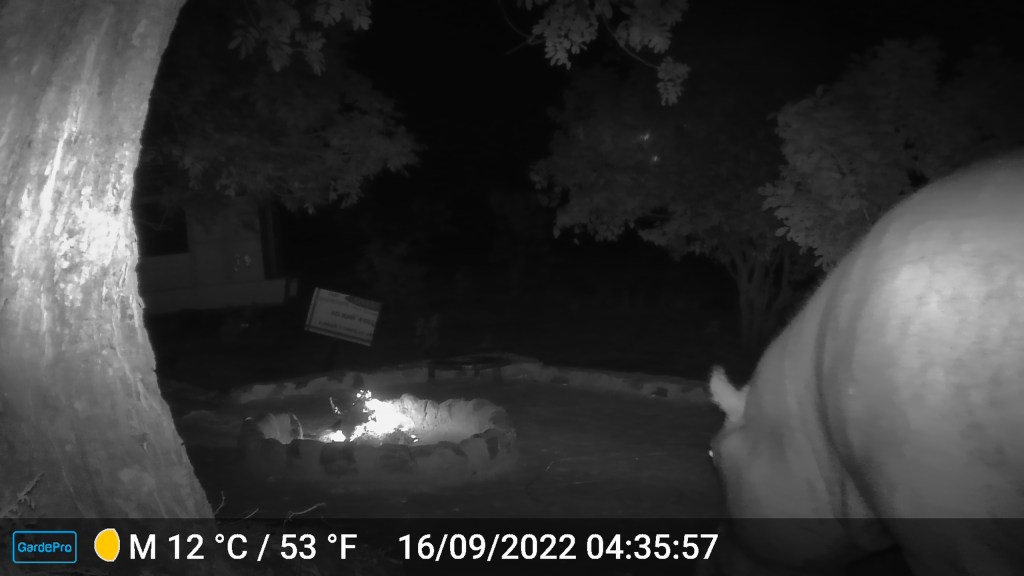
Mvuu is Nyanja for Hippo, and that’s exactly what was waiting for us as we drove back into our campsite after dark. An enormous Hippo was stood right in the middle of the road which led to our site. Up close these animals are gigantic, and given their fearsome reputation we were careful not to startle him.
Mvuu campsite was very nice, we had a riverside terrace with a firepit overlooking the zambezi, and a private open-air ablution block. It was a shame we hadn’t been here at all during daylight to appreciate the scenery.
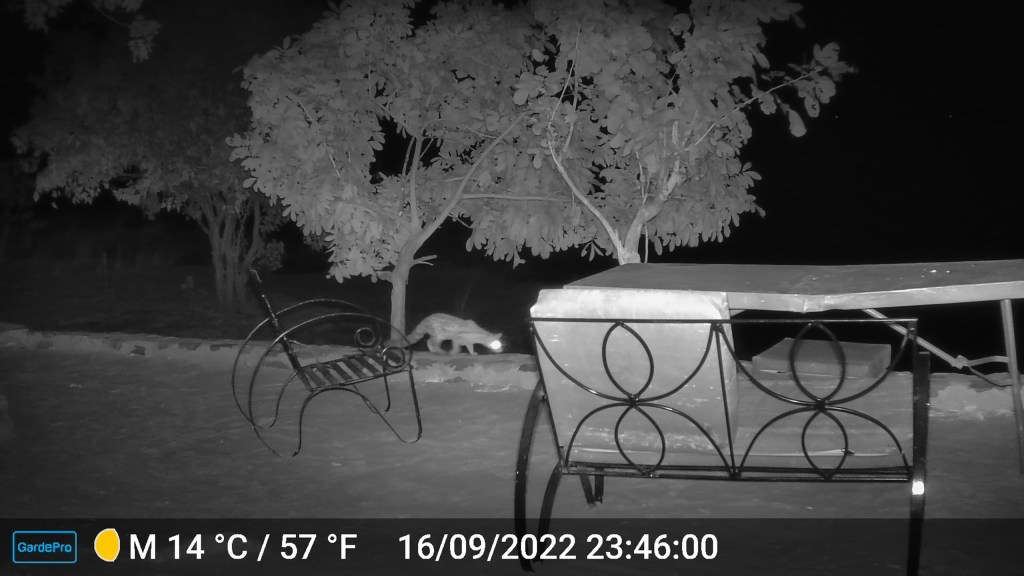
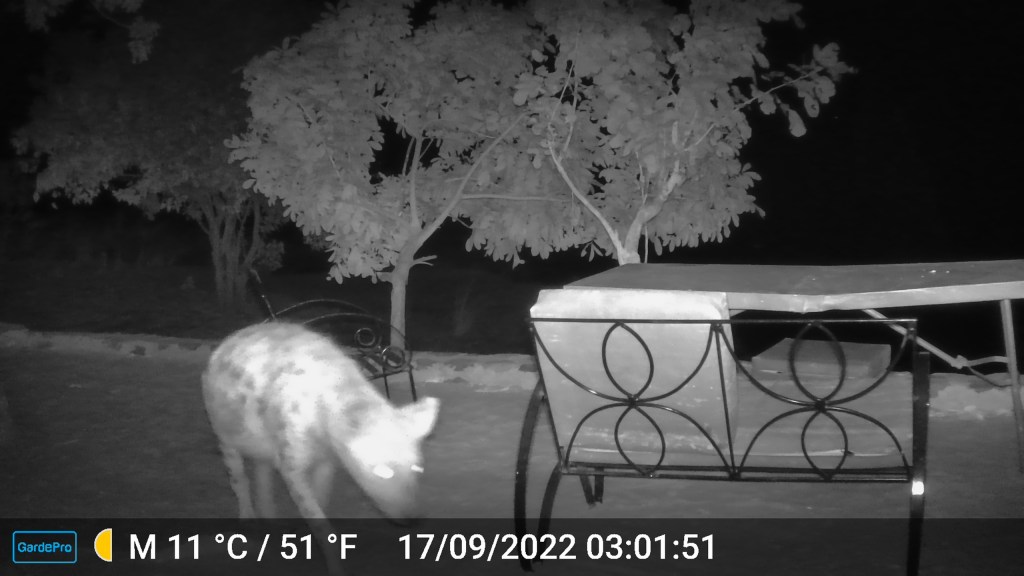
That night our night vision camera was busy. Catching a hippo, genet, and a hyena all coming within a few metres of our tent.
We heard the lions in the distance for most of the night, along with the periodic whoops of the hyenas.
Tomorrow we would leave criminally early to attempt to reach the dogs at Jeki.
Wildlife:
Buffaloes, Elephants, Hippo, Genet
Distance: 146km
Cumulative Distance: 8,133km
 Small Holiday Big Dream
Leave a comment