All the way to Nkhotakota and back.
Malawi was going to be expensive. Conversation rippled around Wildlife camp that the temporary import permit purchased at the border would cost 30,000 Kwacha or more. iOverlander posts implied that you could only pay in Zambian Kwacha. 30,000 Zambian Kwacha is nearly £1,000, on top of that we’d have to buy insurance. We were the first of three or four cars leaving Mfuwe to head to Malawi, we promised to report back with accurate information. We were all expecting a high price, was Malawi going to be worth it?
Turns out Malawi also use the Kwacha, but a Malawian Kwacha to the pound is 2,200:1 vs the 33:1 for the Zambian Kwacha. Turns out the prices we’d feared were out by a factor of a thousand. All in the border fees were around fifty quid, fair and reasonable.
Between the border and Lilongwe we were stopped at seven police checkpoints. Each one wanting to check something different, our insurance papers, our driving licence, whether we had paid our town road toll fees. Fears of African corruption were completely overblown. All the police we relaxed and smiling, happy to have a chat and willing us to have a great time in their country. Not once were we asked for anything.
An hour after dark we made it to the outskirts of Lilongwe, the capital city of Malawi, and our campsite for the night. For me it’s exciting to try a new country’s national beer, and luckily at Barefoot camping there was a well stocked bar with a dartboard and the Euros on the TV. Kuche Kuche was the beer of choice, yet again it was a passable light, if a bit tasteless, lager.
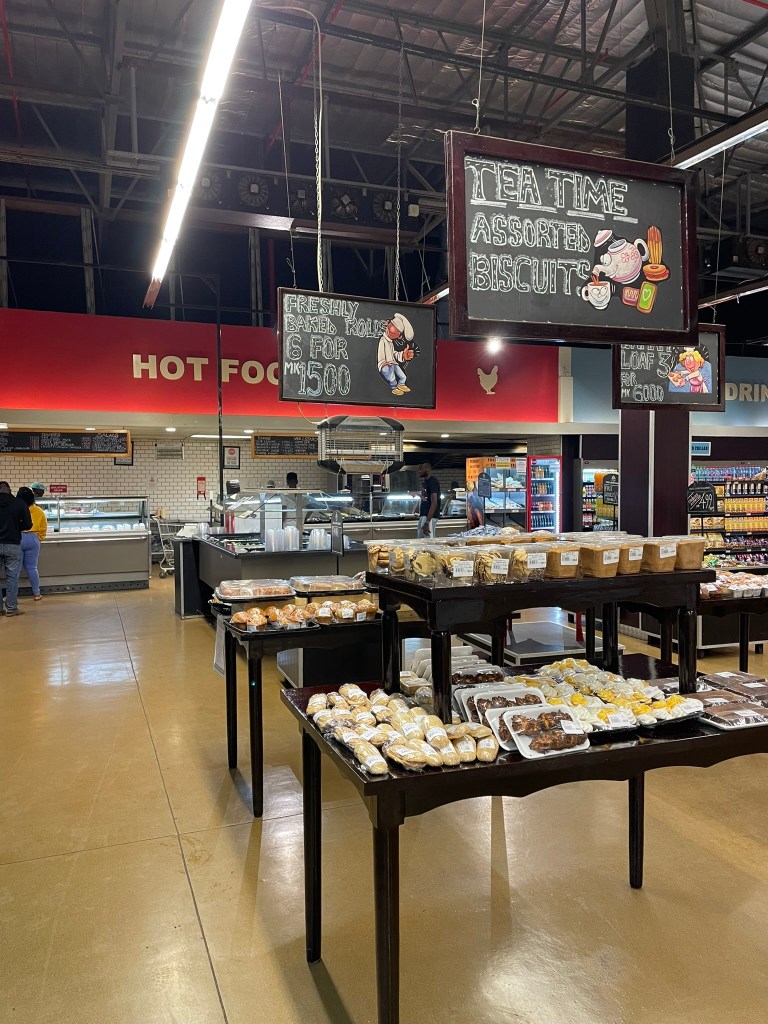
If I like to try a new beer, then Sarah likes to visit a new country’s supermarket. The Gateway Mall was an impressive new strip mall on the edge of the city. The ever present Shoprite was the main supermarket, but we were spoiled. At the opposite end of the mall was a “Food Lover’s Market” the South African franchise which has some better quality fresh produce. The aisles were stacked high with fresh fruit and vegetables, the price was expensive, but Malawi wasn’t living up to our preconceptions.
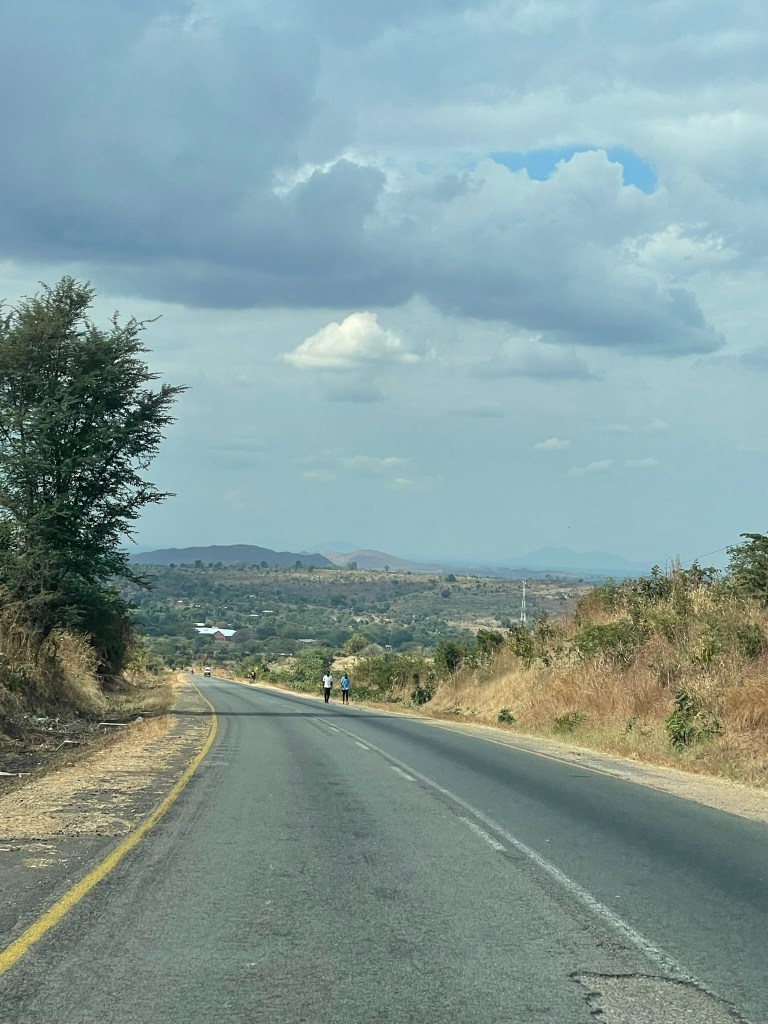
Malawi is a stunning country, the whole drive down to the lake was through beautiful rolling countryside. Botswana and Namibia in particular are completely pancake flat, so the natural beauty of the Malawian countryside was a great change of pace. Our tugboat of a Land Cruiser was less enthusiastic, limping to the crest of each successive incline in second gear.
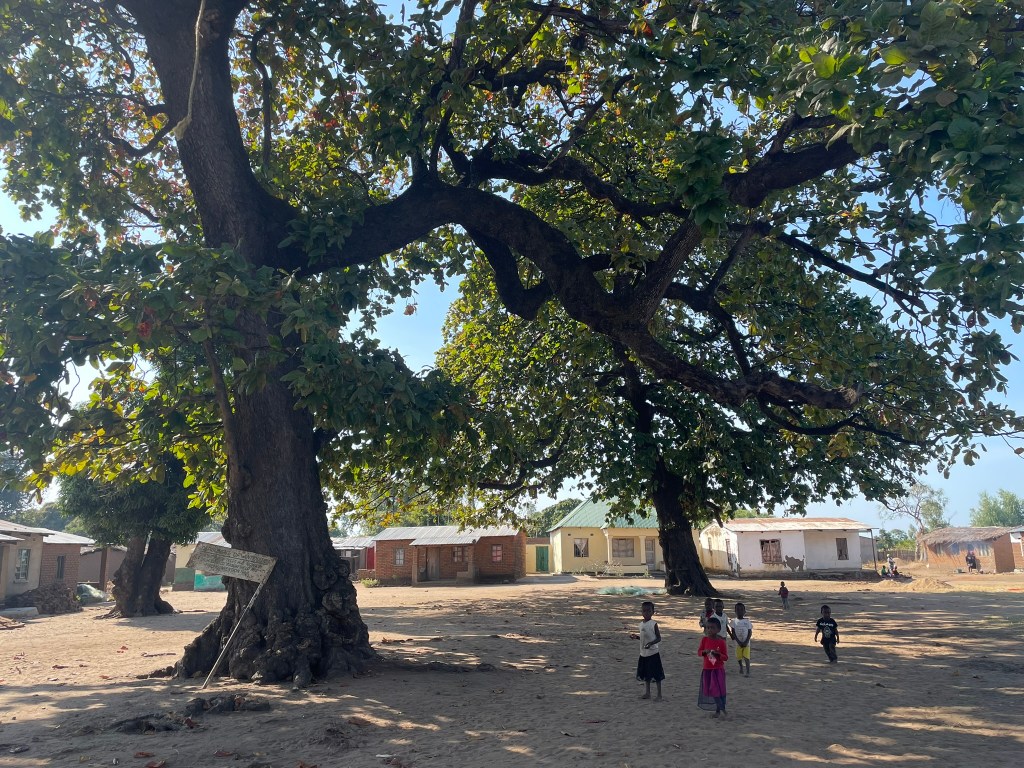
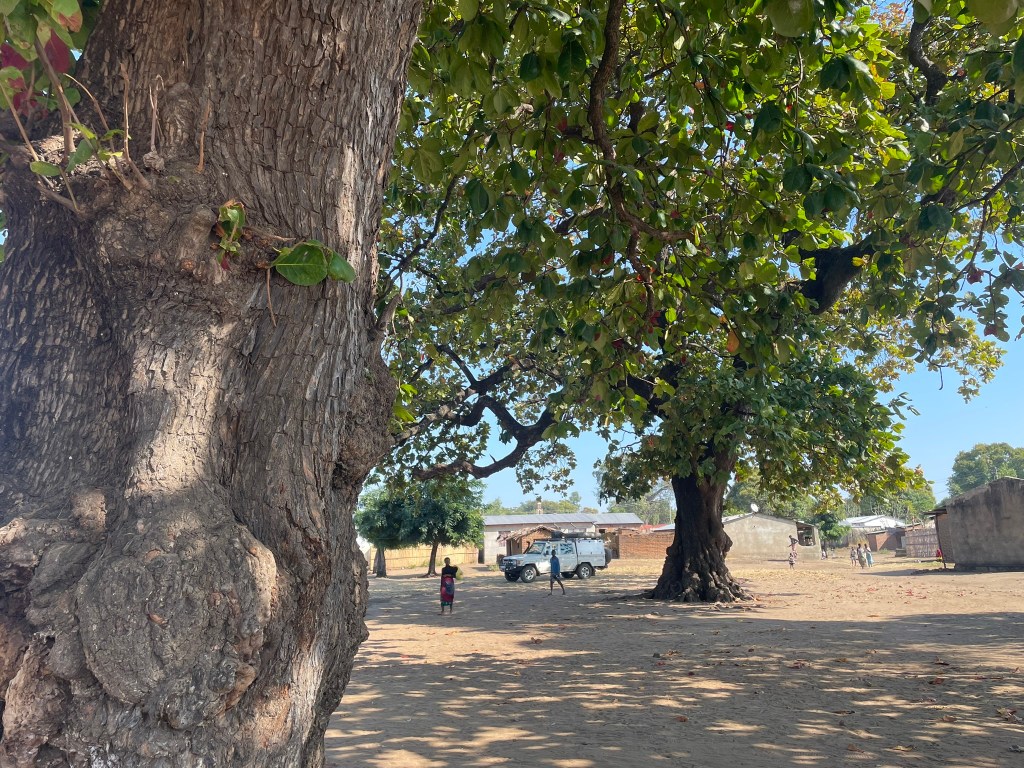
At Salima we turned northwards, following the line of Lake Malawi but staying out of sight inland. The water’s presence was betrayed by a succession of majestic baobab trees which speckled the landscape.
The population of Malawi is about on par with that of Zambia, 20 million or so. However Malawi is a sixth of the size of Zambia, and therefore feels much more crowded. This is evident along all the rural country roads where in almost any location there are locals riding up and down on bikes and walking along the verges of the roads.
| Stats | Malawi | Zambia | UK |
|---|---|---|---|
| Population | 21.7M | 21.1M | 67.6M |
| Area | 118,480 km2 | 752,614 km2 | 243,610 km2 |
| Density | 183 /km2 | 28 /km2 | 277 /km2 |
The road along the lake deteriorated pretty quickly, and it was a long slog along a very dull gravel road. A new road is under construction, and should make the journey to Nkhotakota much smoother.
Wildlife: n/a
Distance: 190km
Cumulative Distance: 7,103km







Nkhotakota
Nkhotakota is supposedly the biggest traditional African market town in Southern Africa. The claim is repeated in many places, although there is little detail to clarify what this actually means. In the surface the town seems like an ordinary Malawian place, the market is bustling and the kids are in school. Nevertheless Nkhotakota is a storied place.
In 1842 the Jumbe arrived from Zanzibar. An Arabic trader, he brought gunpowder and firearms and traded them for ivory. Alongside his brother he established a mosque and the Muslim religion on the shores of lake Malawi.
It was with the arrival of the third Jumbe, that the tone changed. Instead of ivory, humans were now exchanged at Nkhotakota. An enormous fence called the Linga which housed over 20,000 slaves a year before they were shipped northwards to Tanzania. Locals were rounded up from villages across the country, from Zomba and Blantyre in the south, to Kasungu and Ntchisi further north.
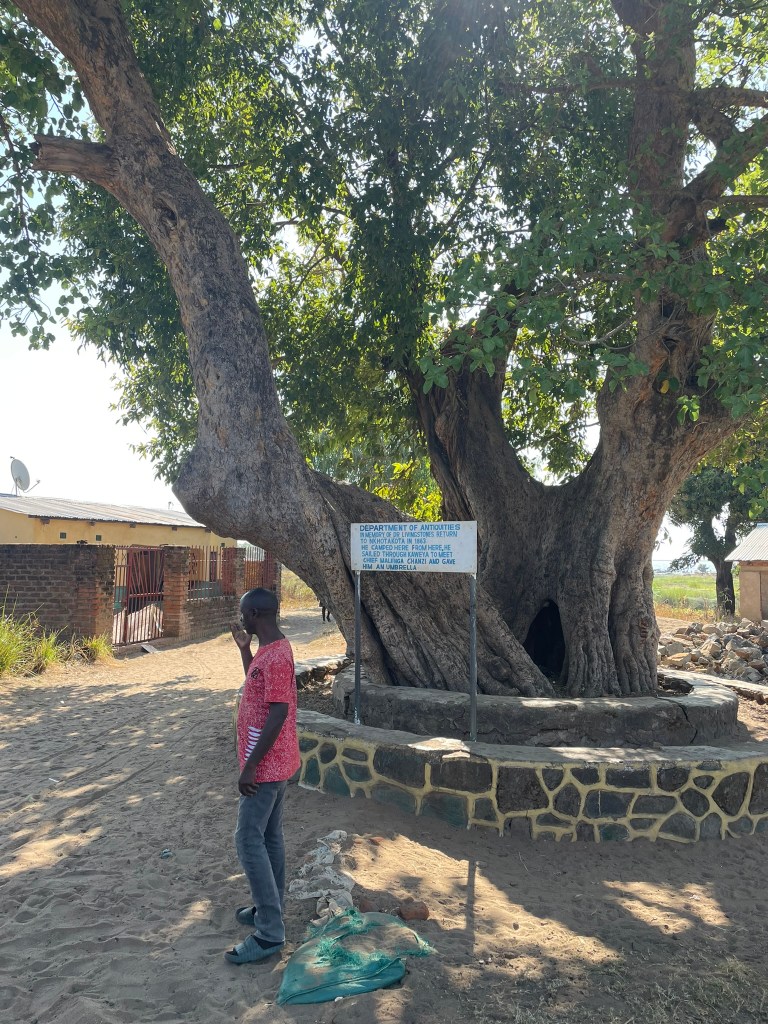
Dr David Livingstone came to Nkhotakota to meet with the Jumbe in 1861 and to put an end to the slave trade here. Soon a treaty was established to end the slave trade, but it did not hold up, and the slave trade continued until 1894 when the last Jumbe was exiled to Zanzibar by the British.
All of this is to say Nkhotakota is a central place in the history of the human race, and witness to how badly humans can behave to one another. With the nadir of civilization firmly in the past hopefully Malawi can look forward to a brighter future, hyperinflation and food insecurity aside.
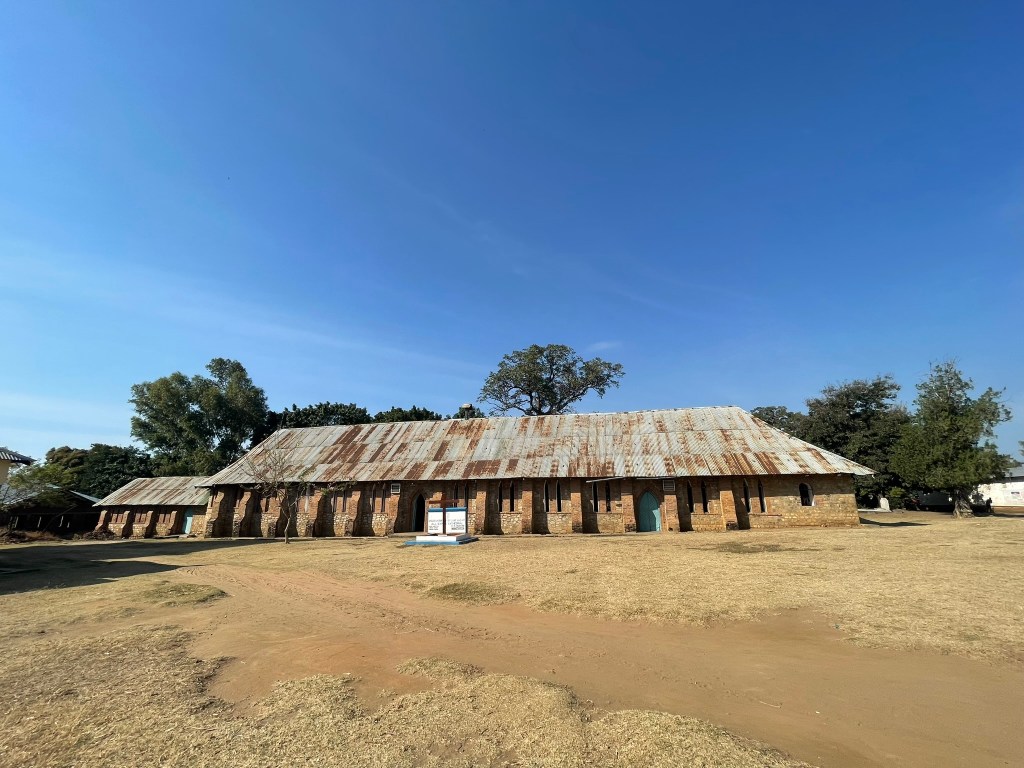
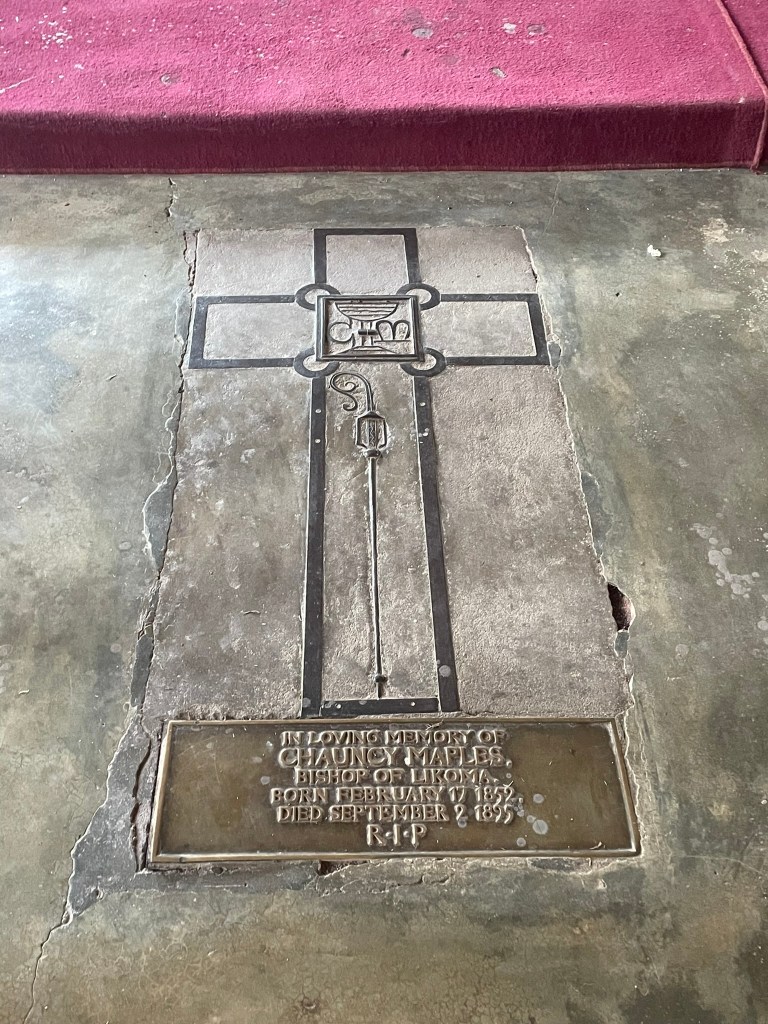
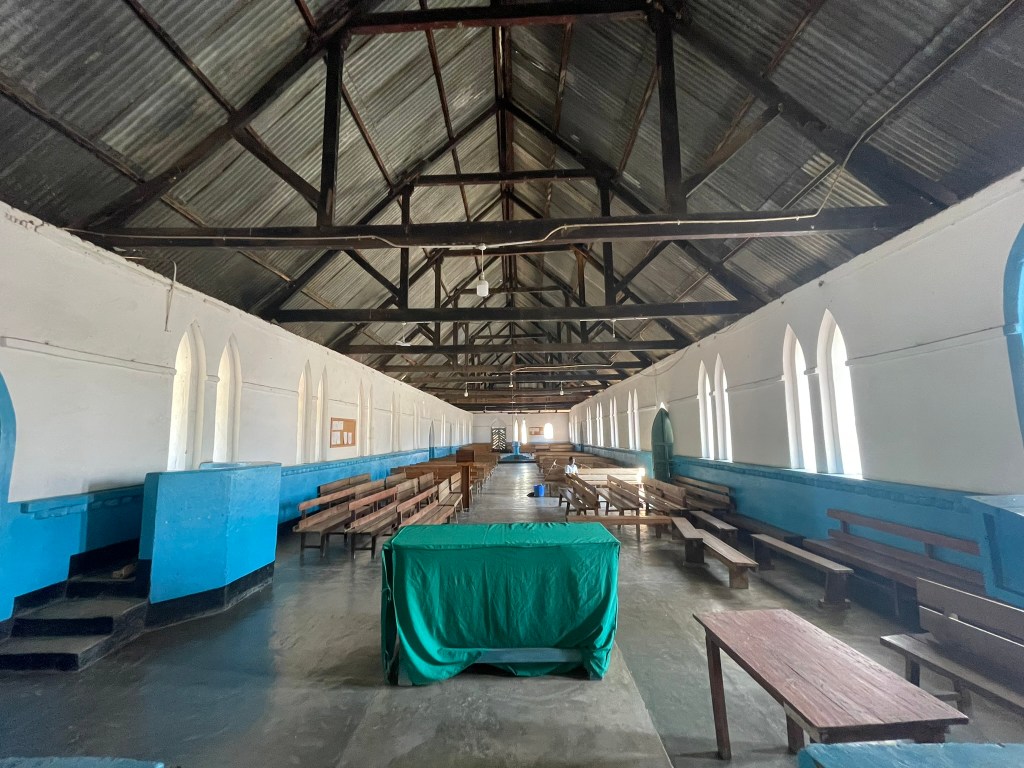
Our tour visited the places where the Jumbe and David Livingstone stayed when they were in town. A large cathedral, and an equally large mosque are key presences in the town. According to our guide the inhabitants are 90% Muslim and 75% Christian. There are some extras who are ‘neutrals’ too.
The biggest names in 20th century African politics have all visited Nkhotakota: Nelson Mandela, Kenneth Kaunda, Robert Mugabe all came to pay their respect to the historic horrors of the place.
All around the town children chanted at us: “Azungu, how are you?” apparently meaning well, but the habit of following foreigners around town is certainly off-putting at best.
The town is split into three villages with ill defined boundaries, Kombo, Nkono, and Runda. In order meaning Scoop, Snail, and Meeting. Good names for villages if you ask me.
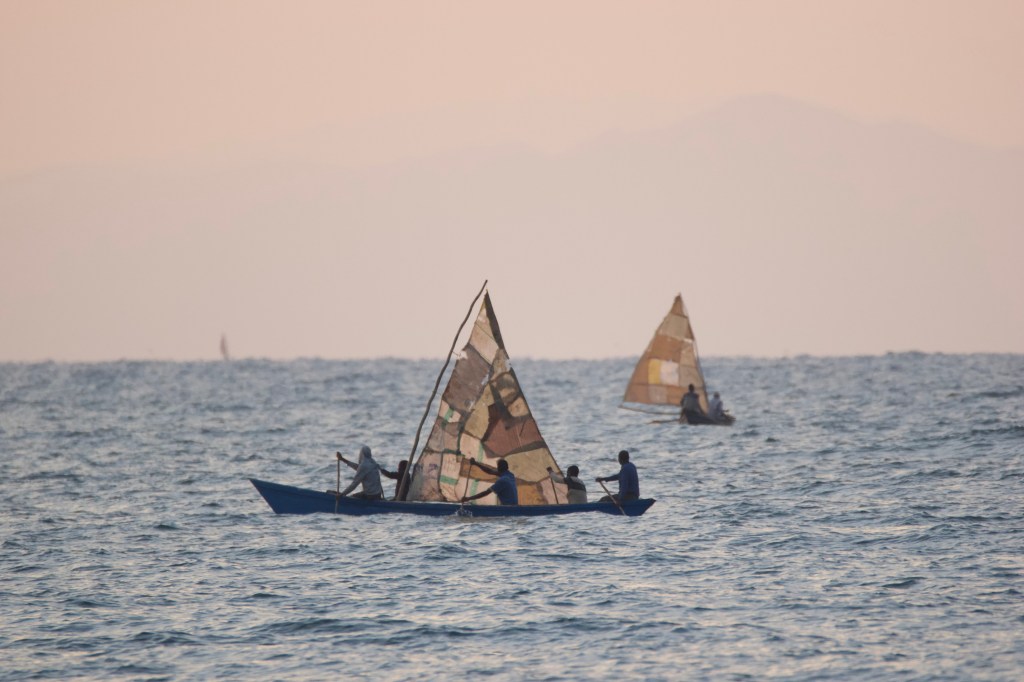
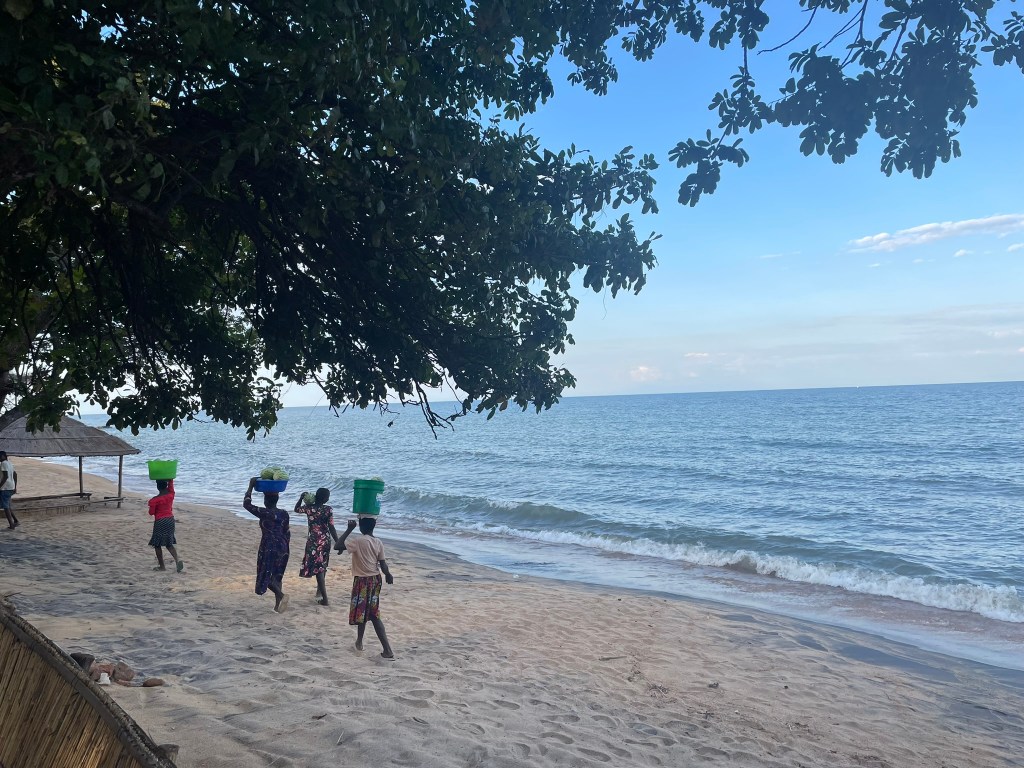
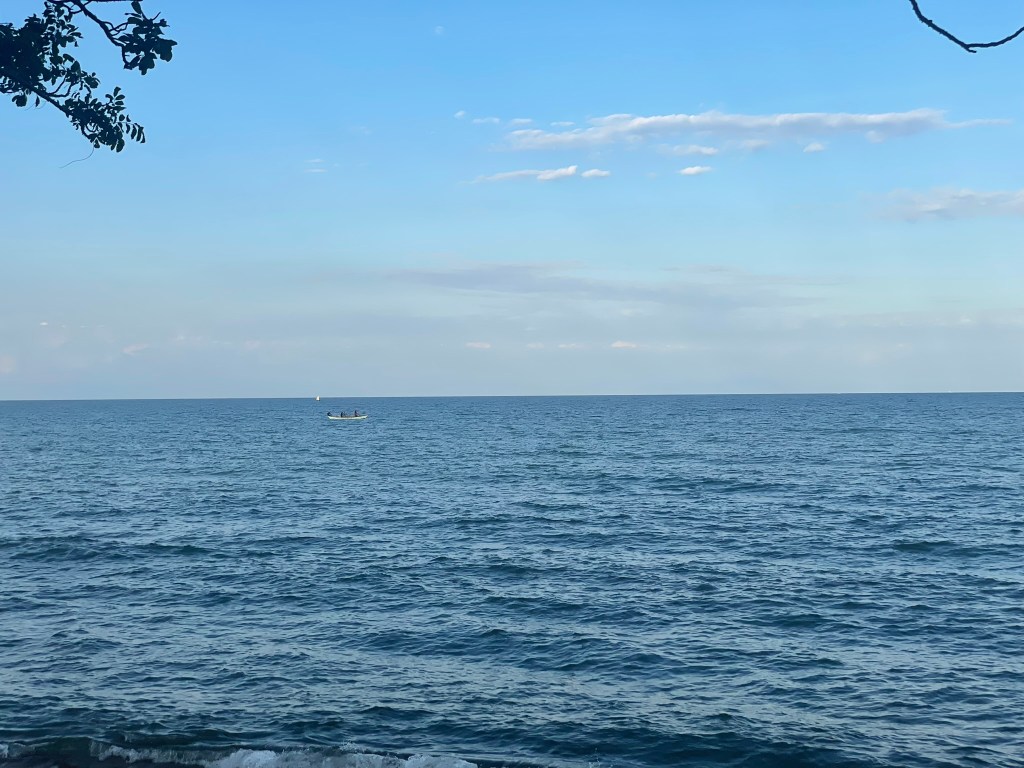
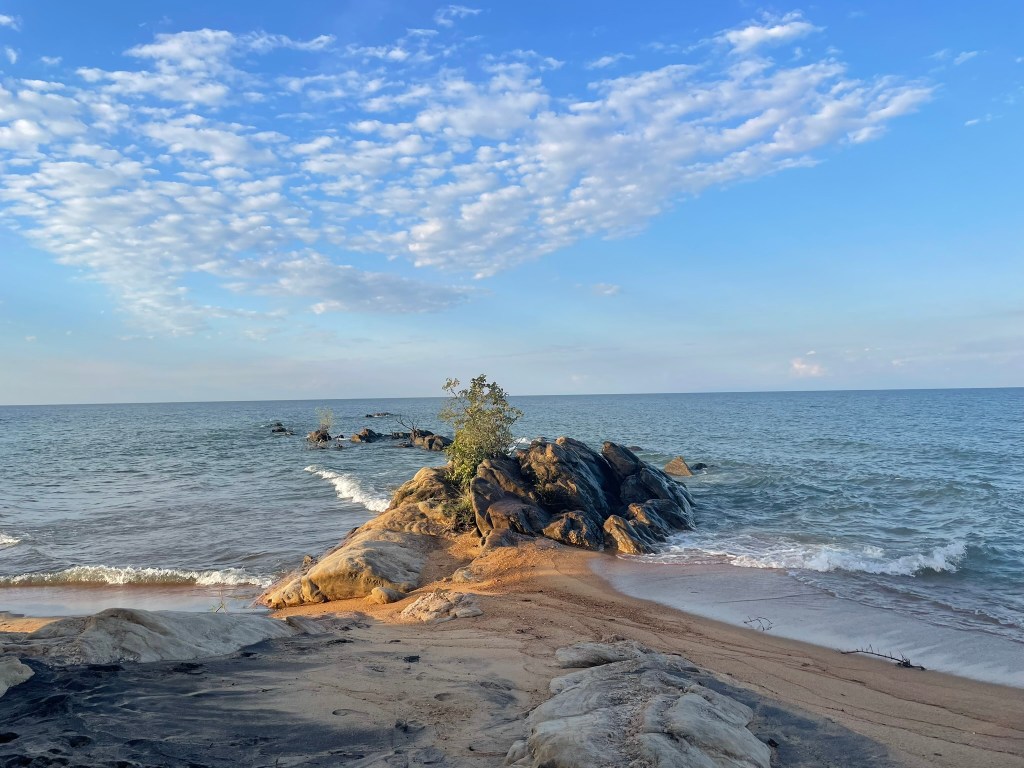
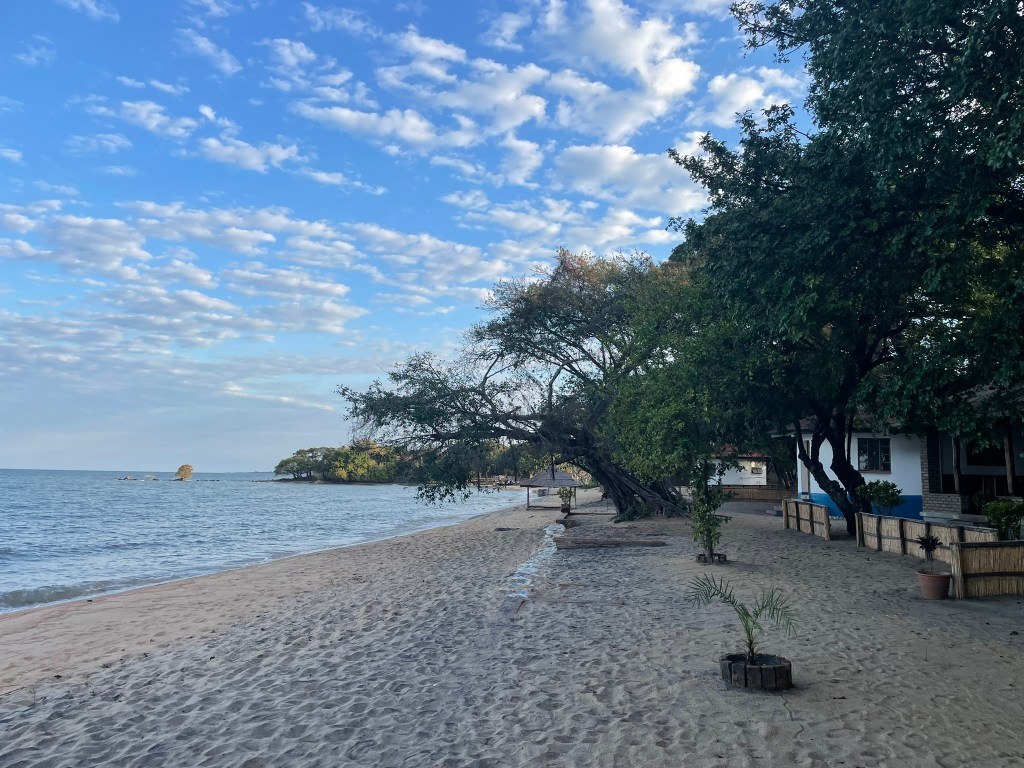
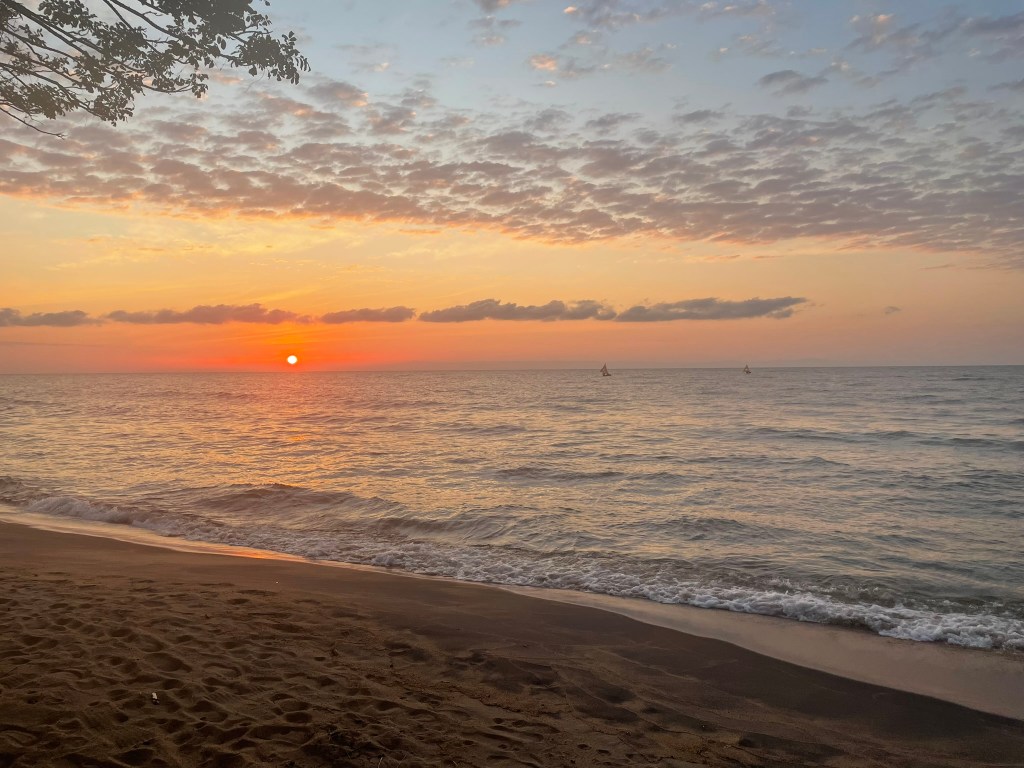
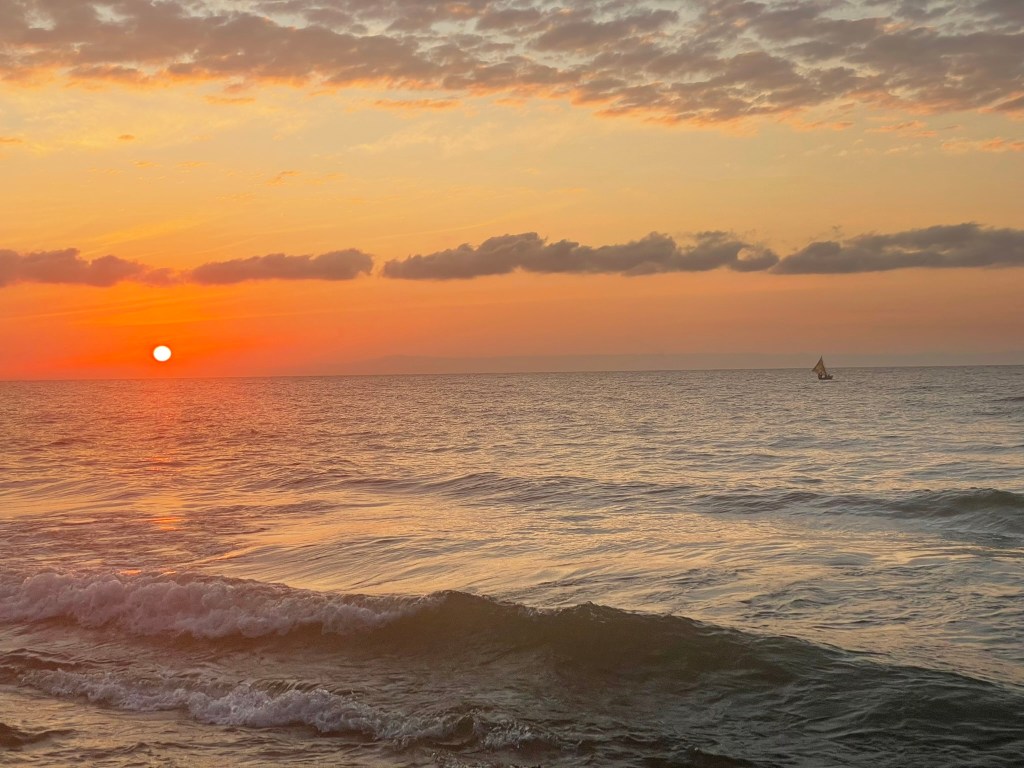
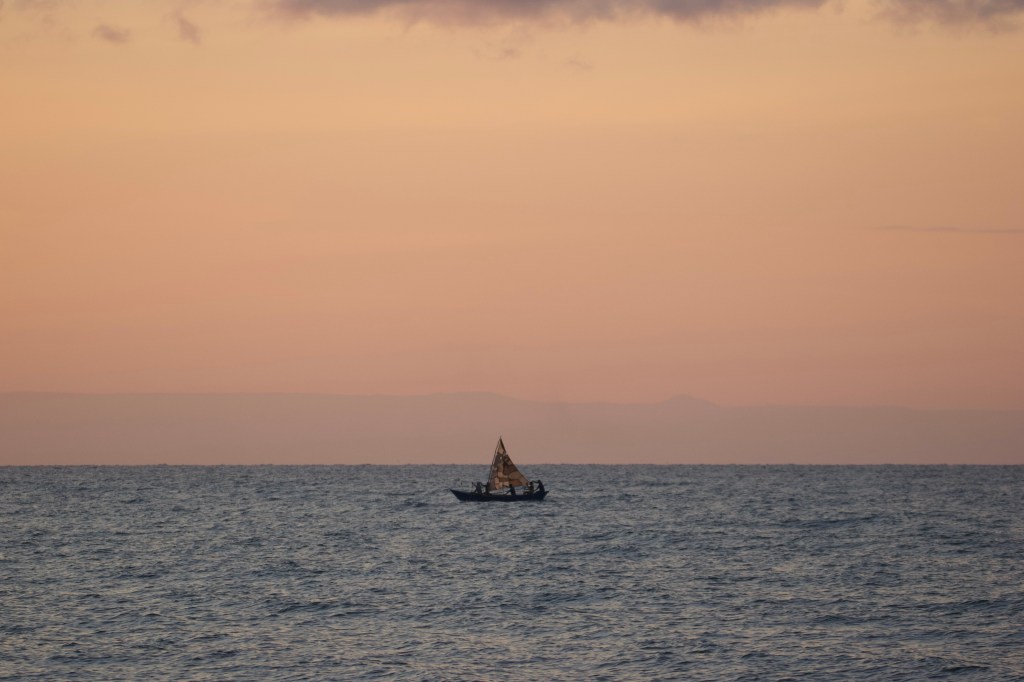
Back on the shores of the giant lake Malawi at Nkhotakota Safari Lodge we whiled away the afternoon with a visit to the pottery shop and a beer by the lake. Boats sailing on the lake made a pretty picture, especially approaching sunset. I tried to take some nice photos of waxbills, and then quickly ran out of things to do. Beach life is not for us.
Wildlife: n/a
Distance: 36km
Cumulative Distance: 7,139km






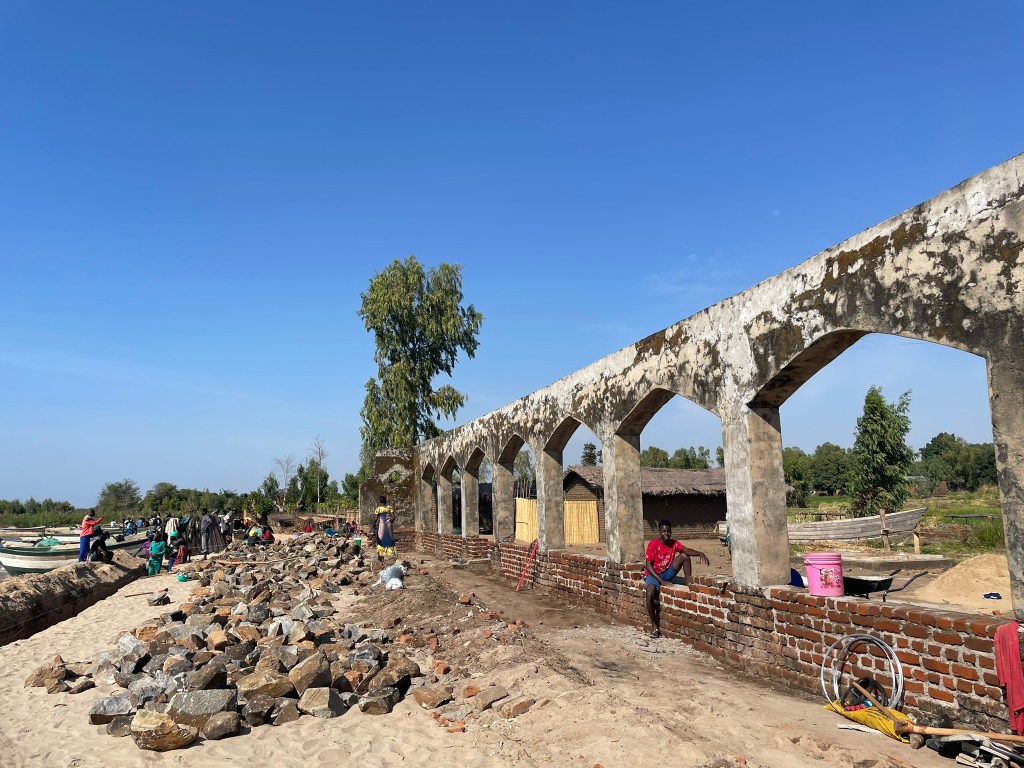

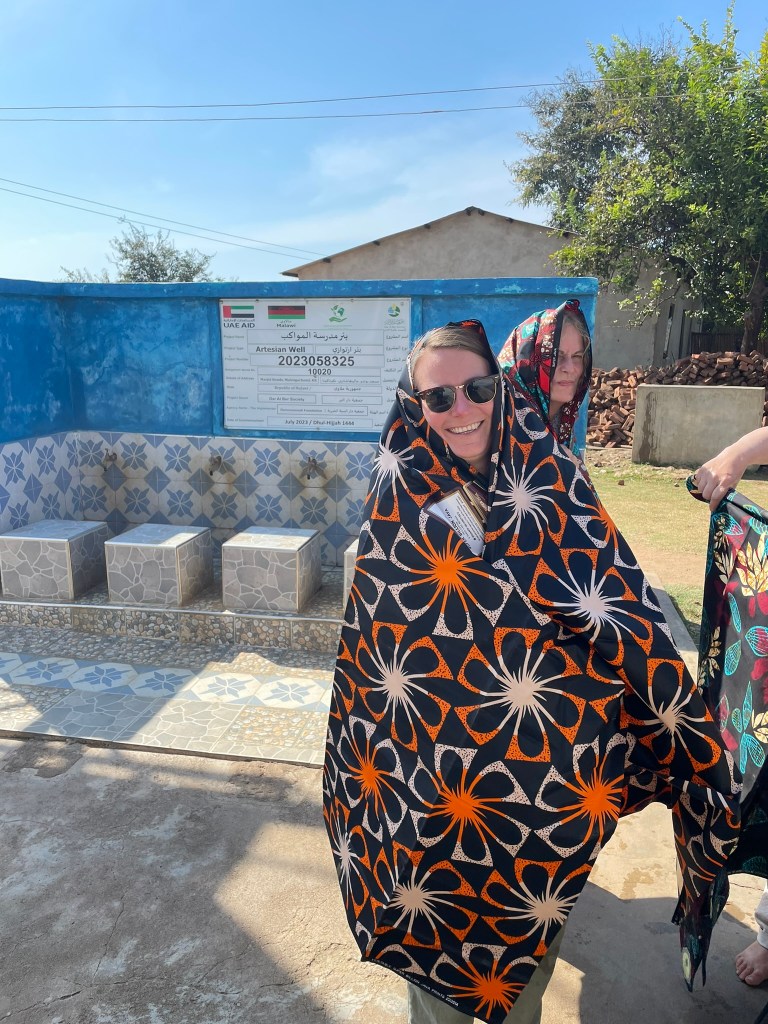
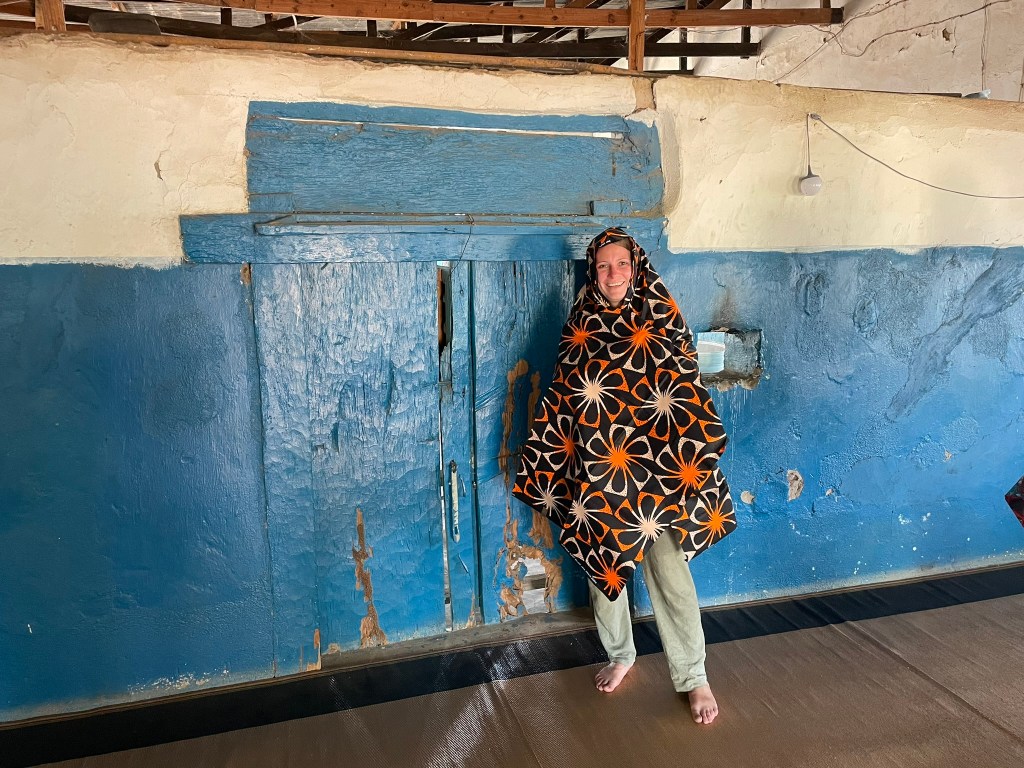

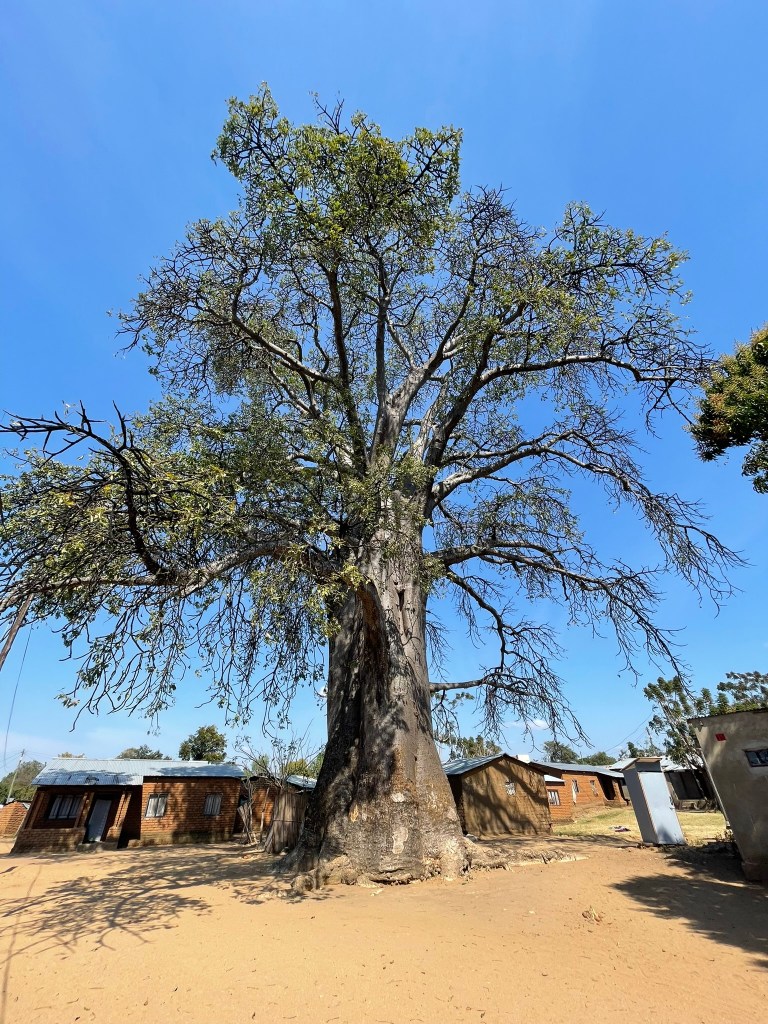


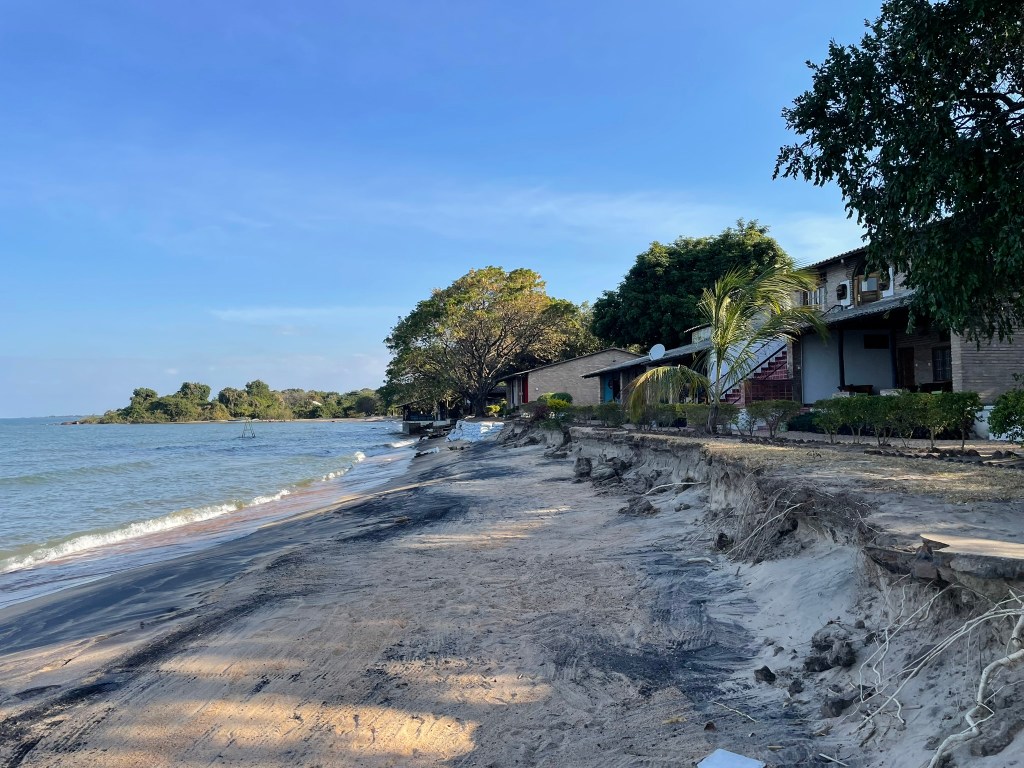
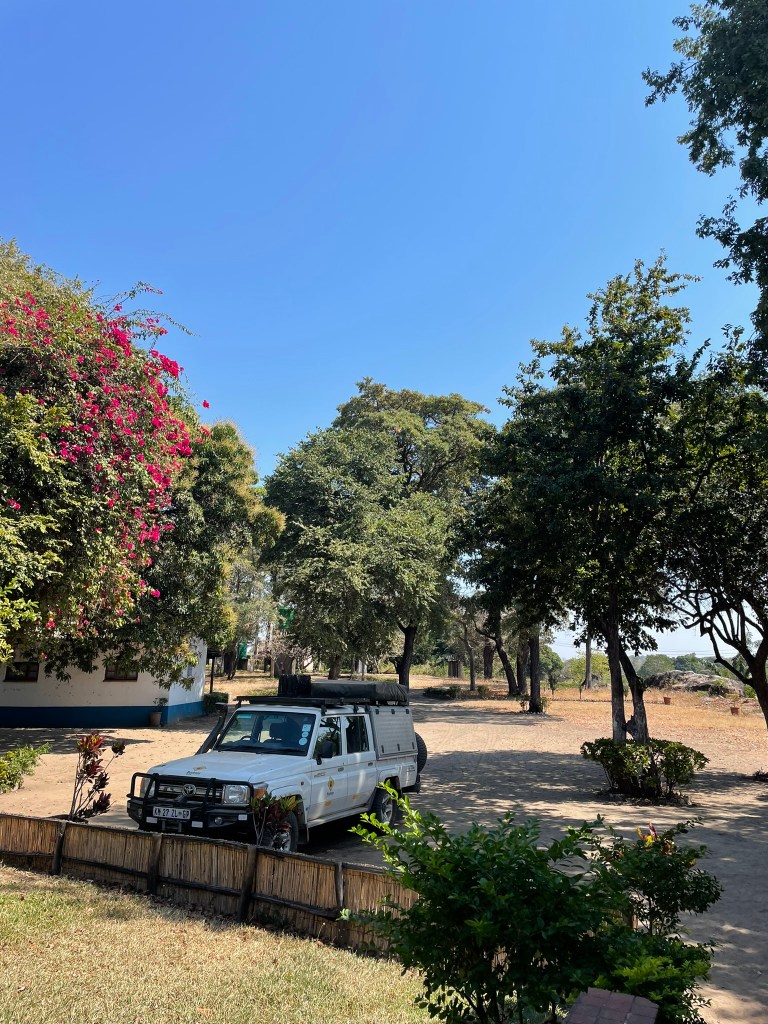


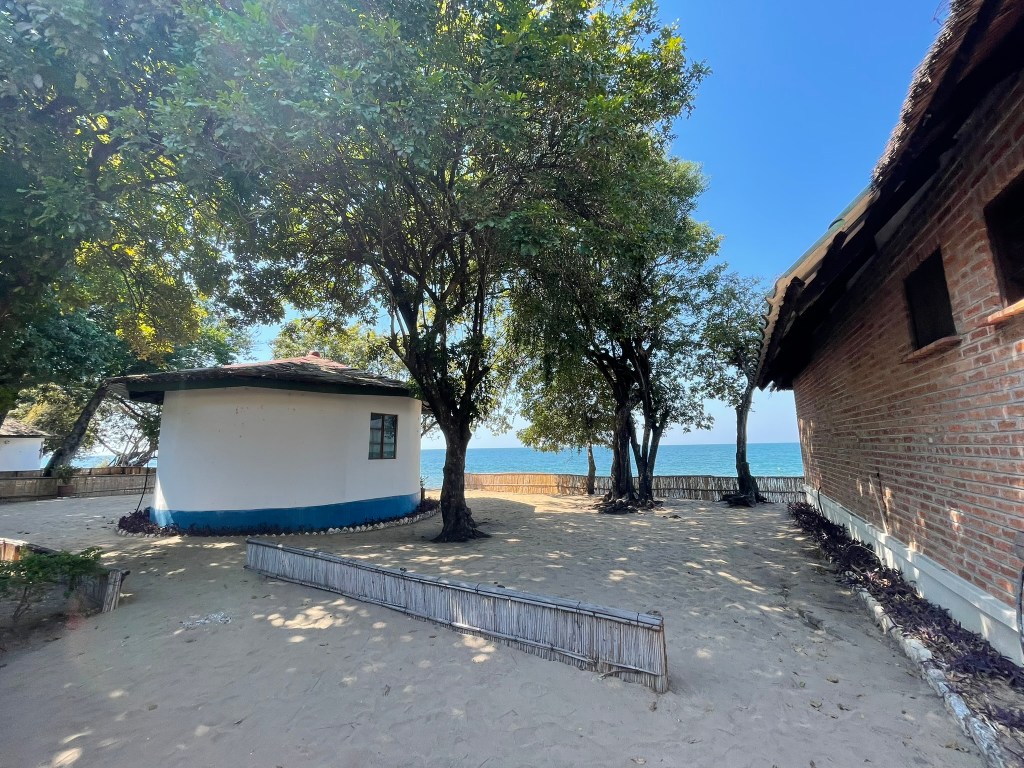
Lake Malawi
Sunrise is the prettiest time on the lake, as the sun rises over the mountains of Mozambique on the opposite shore. Sailing boats are already out fishing in the first light of the day.
Lake Malawi is the fourth largest freshwater lake in the world by volume, the ninth largest lake in the world by area and the third largest and second deepest lake in Africa. Thank you wikipedia.
Weirdly there’s a border dispute, Malawi like to claim the entire lake, whereas Tanzania deems the midpoint as the border. Having such a massive lake means the country’s is over 20% water. According to this wikipedia table, which I’m inclined to take as gospel, that makes Malawi the landlocked country with the lowest amount of land as a percentage of its total area.
I’m not sure it makes sense, but I’m also unclear if anyone has made this fact elsewhere on the internet. So this is your source.
Malawi has highest percentage of water by surface area of any landlocked country.
We drove back to Lilongwe today with little to report.
Wildlife: n/a
Distance: 190km
Cumulative Distance: 7,329km


Return to Zambia
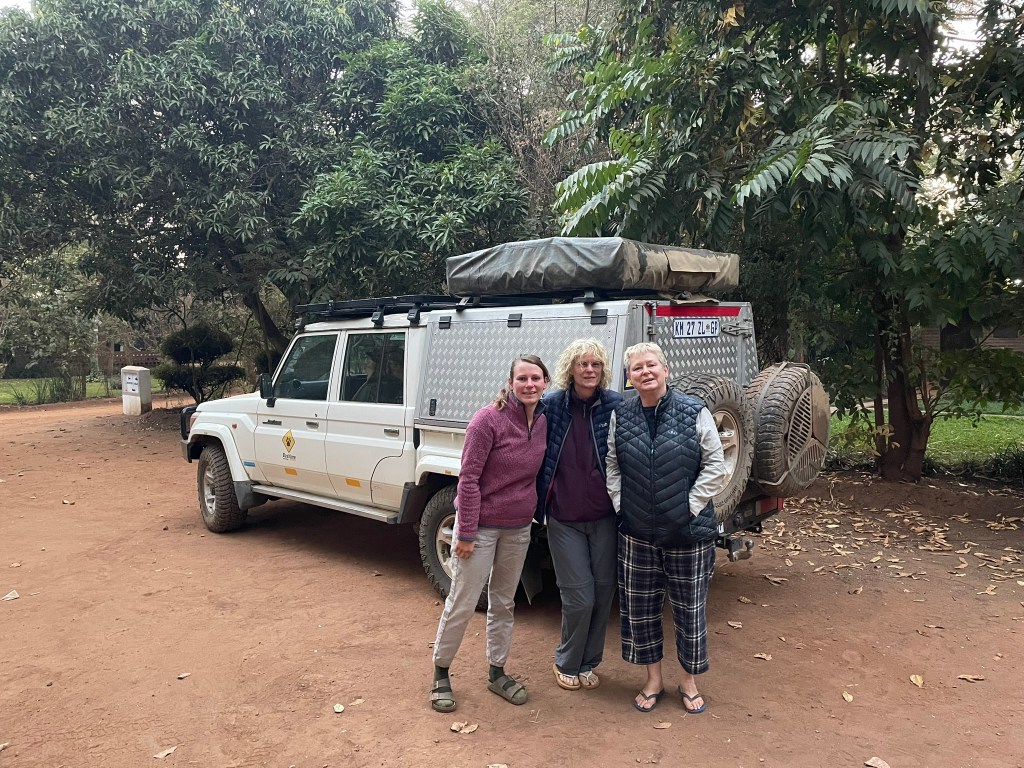
We left Lilongwe just before dawn as today was the longest driving day of our trip so far. 452km all the way to to the Luangwa Bridge on the great east road. Today we said goodbye to Jacqui and Clare as they were flying back to the UK from Malawi. We were headed back to Zambia, and braved the six road blocks back to the Mchinji border where we had come from four days earlier. The one-stop Zambia border was even easier than the Malawi side, and we had made it to Chipata by 9:30am.
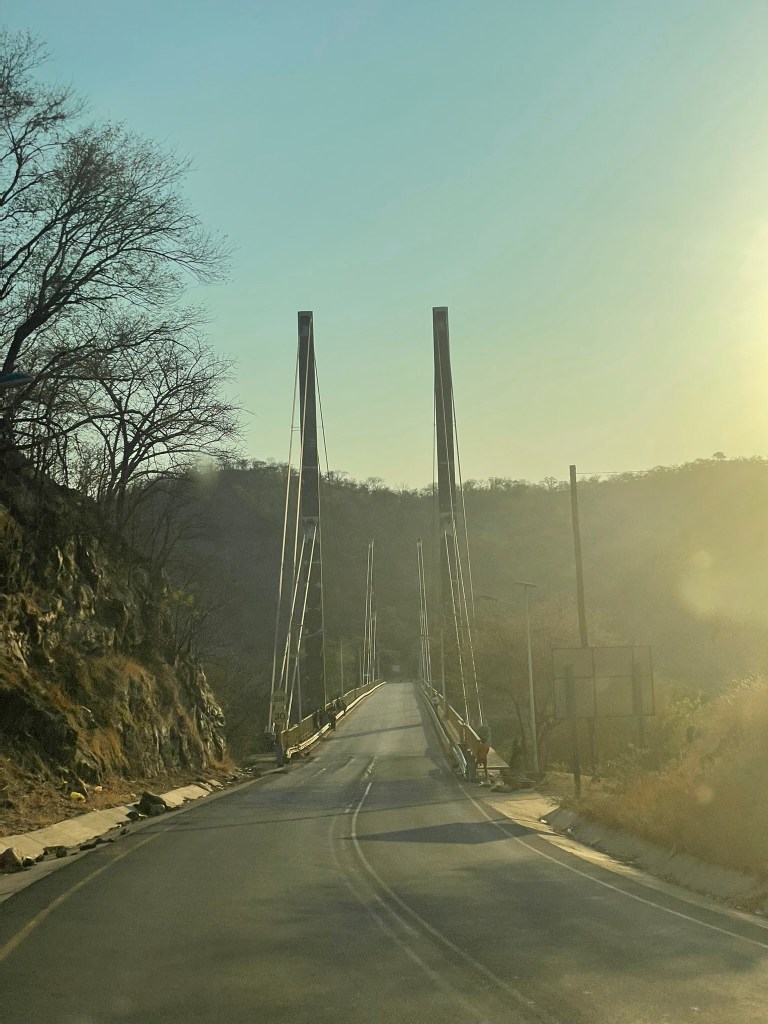
A brief Shoprite stock up and we were on our way. The drive west was pretty uneventful, the petrol stations at Petauke had no power so were unable to dispense diesel, but we found a solution nearby with a station that did have a generator. As we neared camp we came across a huge commotion, a few hundred people had gathered around an overturned lorry which had lost control coming down the steep hill to the Luangwa bridge. The incident had clearly only just happened, and all the villagers had rushed out to see the aftermath. We picked our way through the crowd and carried on our way.
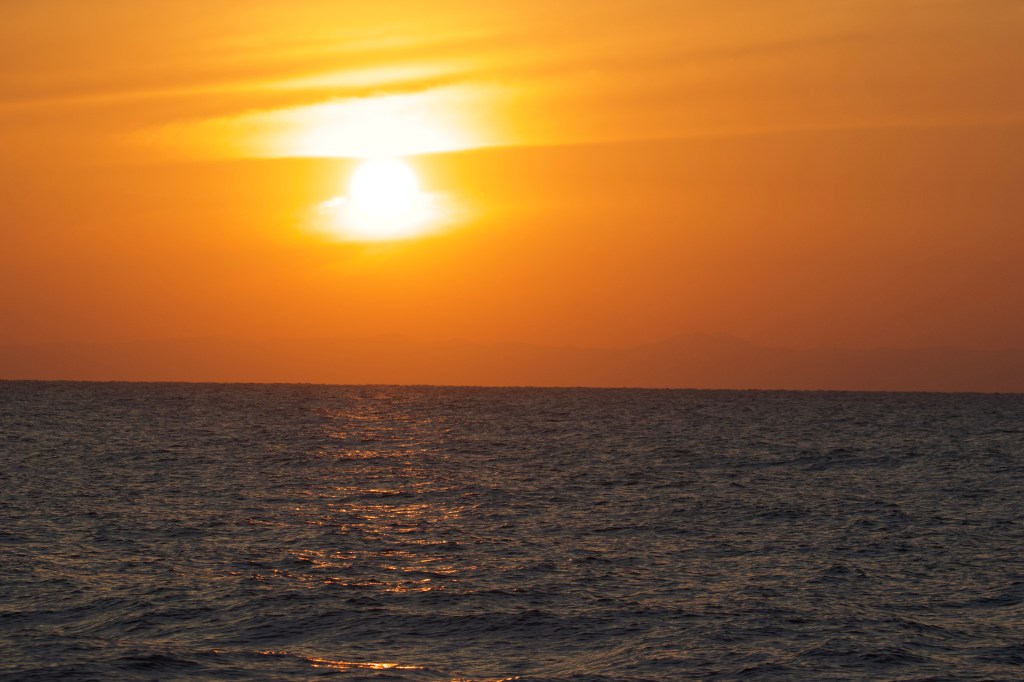
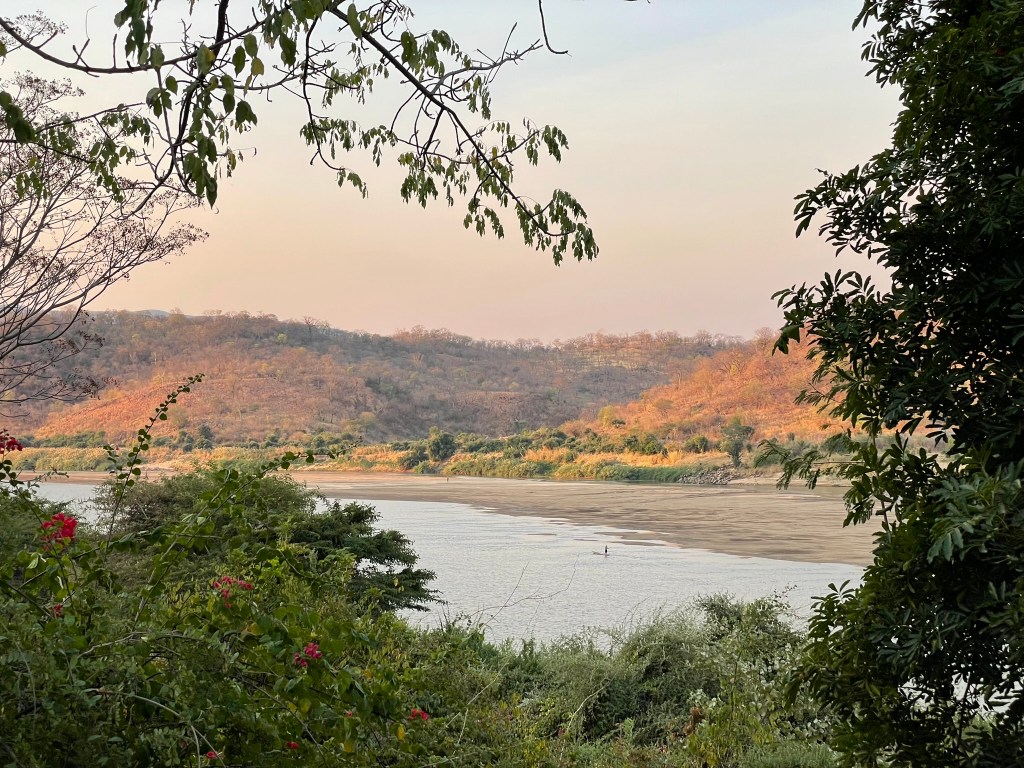
Bridge camp is a lovely place to stop off near to the Luangwa bridge, halfway between Chipata and Lusaka. We made it in good time in order to watch the sunset and set up camp.
Wildlife: n/a
Distance: 452km
Cumulative Distance: 7,781km



 Small Holiday Big Dream
Leave a comment