
Waking up with dry feet and no further bites is bliss. Just before dawn, it’s warm, yet not too hot.
Outside the tent is a different story, it’s mosquito central. Bathing in DEET and covering up head to toe was effective, by now I probably only had 20-30 bites. Others were less fortunate, Ana had at least 100 on her legs alone.
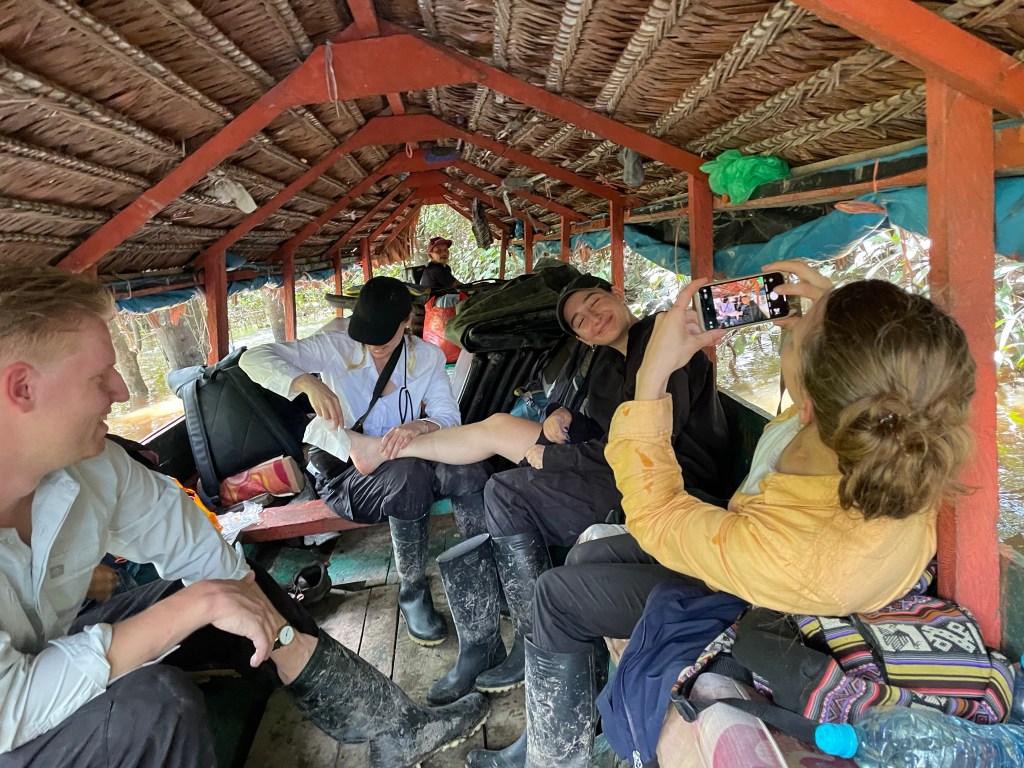
Naturally the Germans had a solution. A little gizmo which heated a small metallic pad to high temperature, when applied for five seconds or so it’s quite painful but provides temporary relief for the itchiness. There may be other benefits, but that didn’t matter to Yonca and Irina who delighted on inflicting pain/treating us all. Maybe we will order one for Africa?
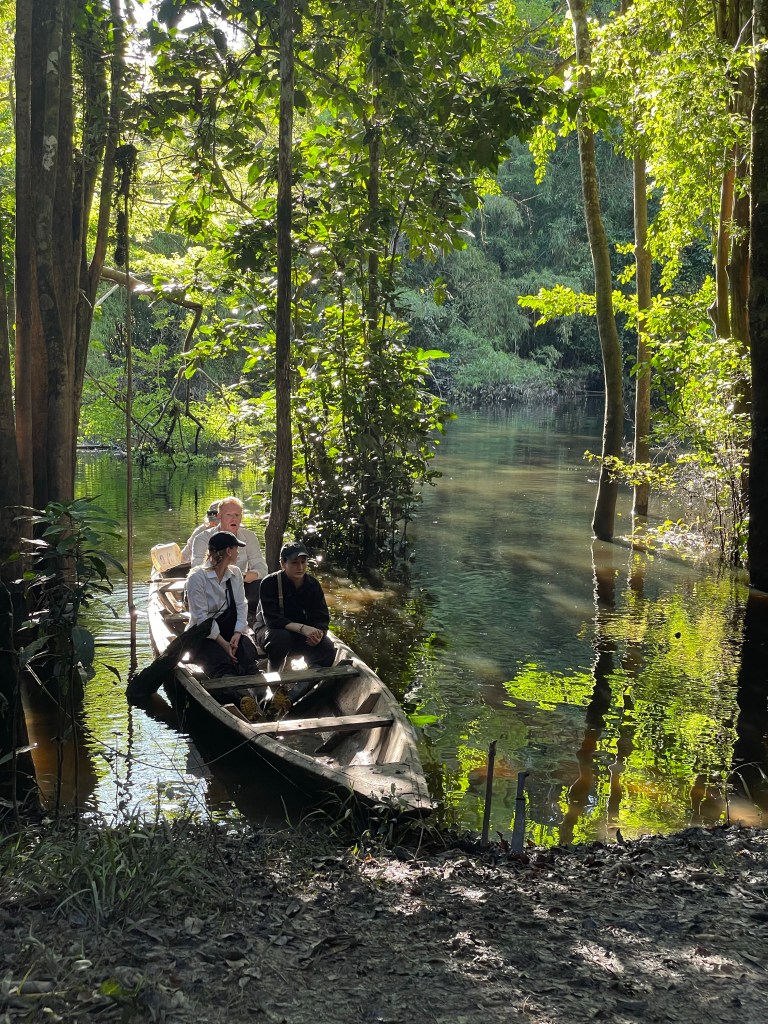
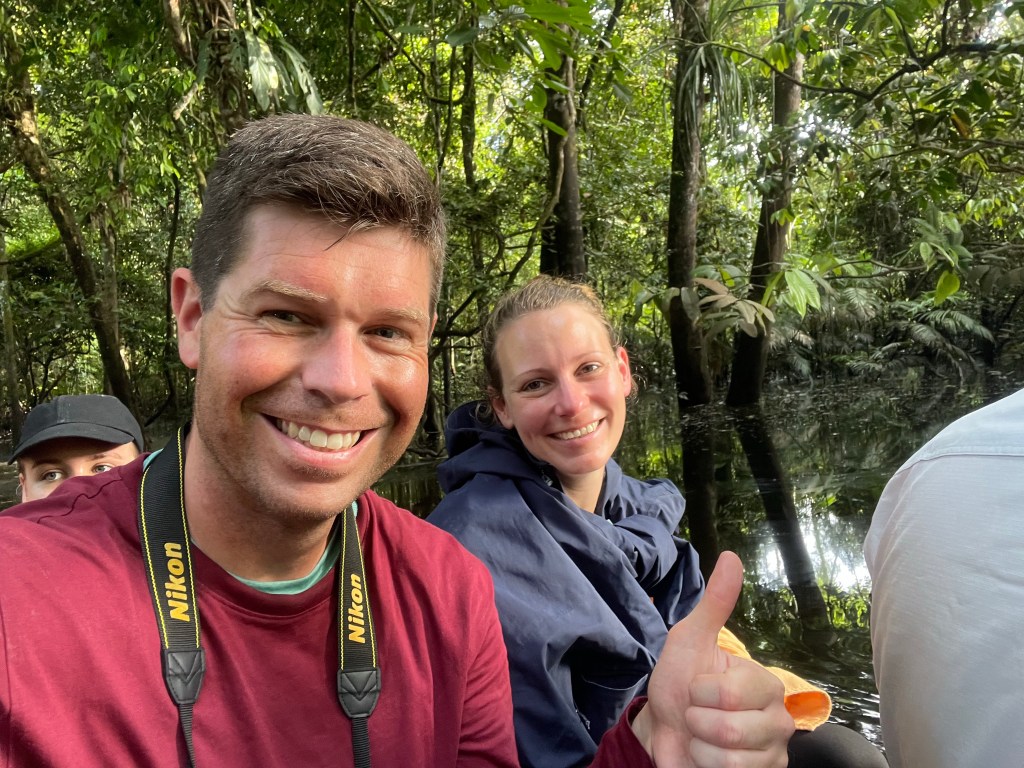
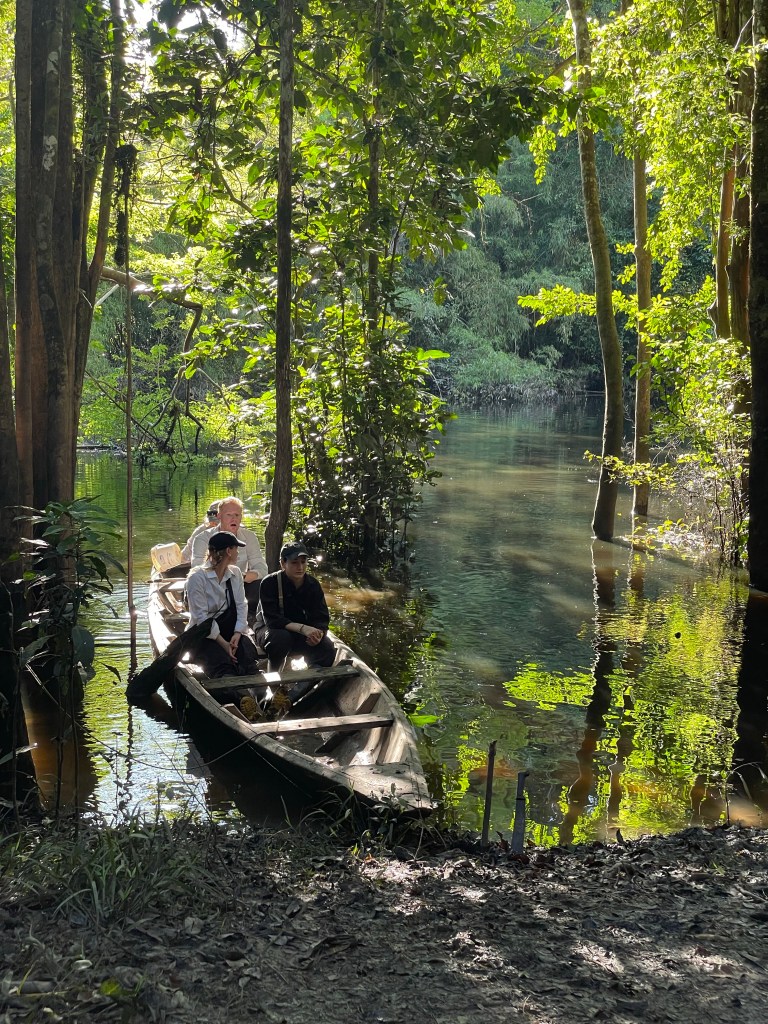
Our morning excursion was by canoe into the flooded forest. A little bit more explanation from the guides as to what we were doing would have been nice, but the extent of Junior’s translation skill appeared to be “monkey” and “jungle”. So with that in our minds, off we went into this special ecosystem.
But we didn’t. Instead we had a bit of a false start. The entrance to the flooded forest was a couple of hundred metres upstream, yet after pushing back from the campsite we drifted downstream in the strong current. Junior was not competent enough at paddling. We floundered back to camp, where the boatman replaced Junior, and suddenly we started to make good progress.
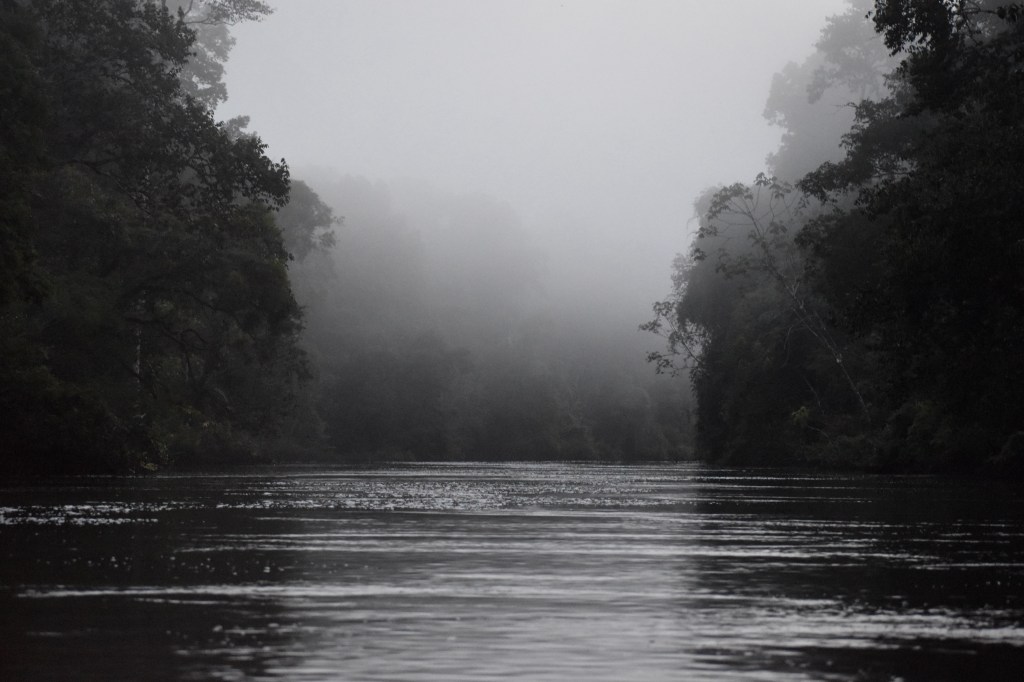
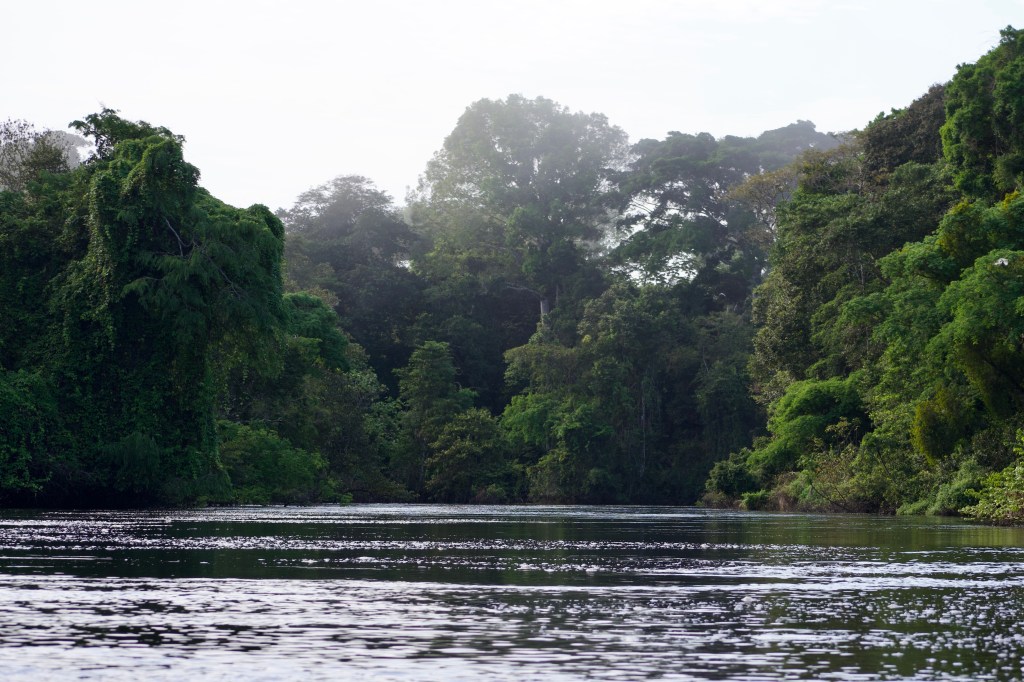
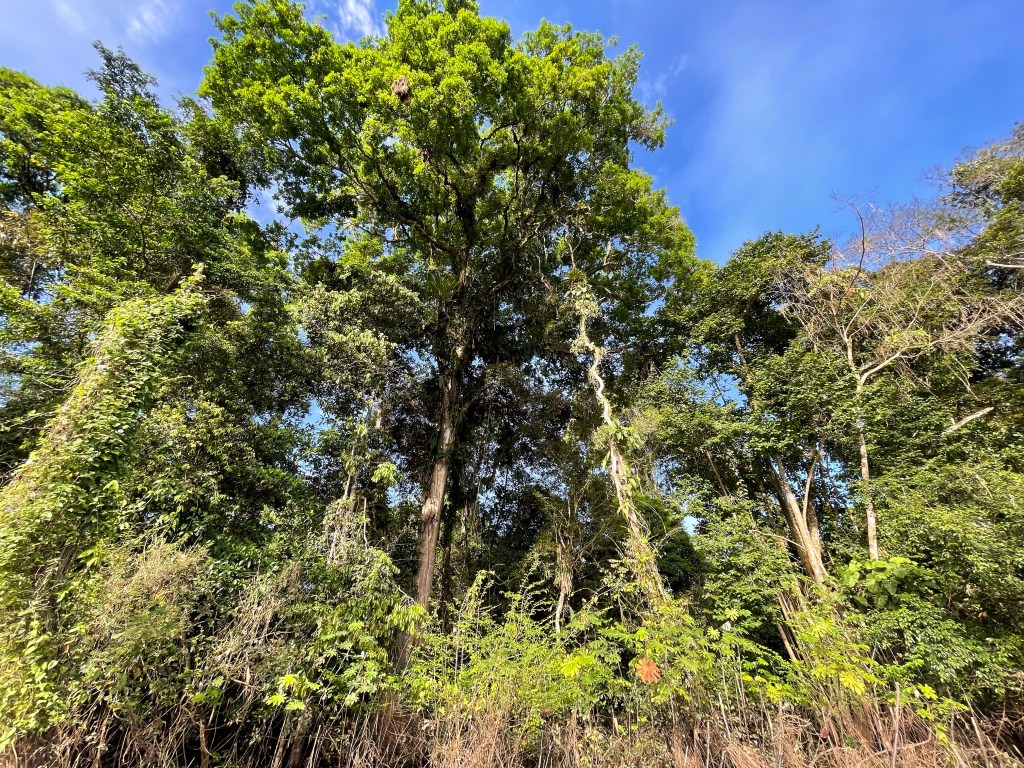
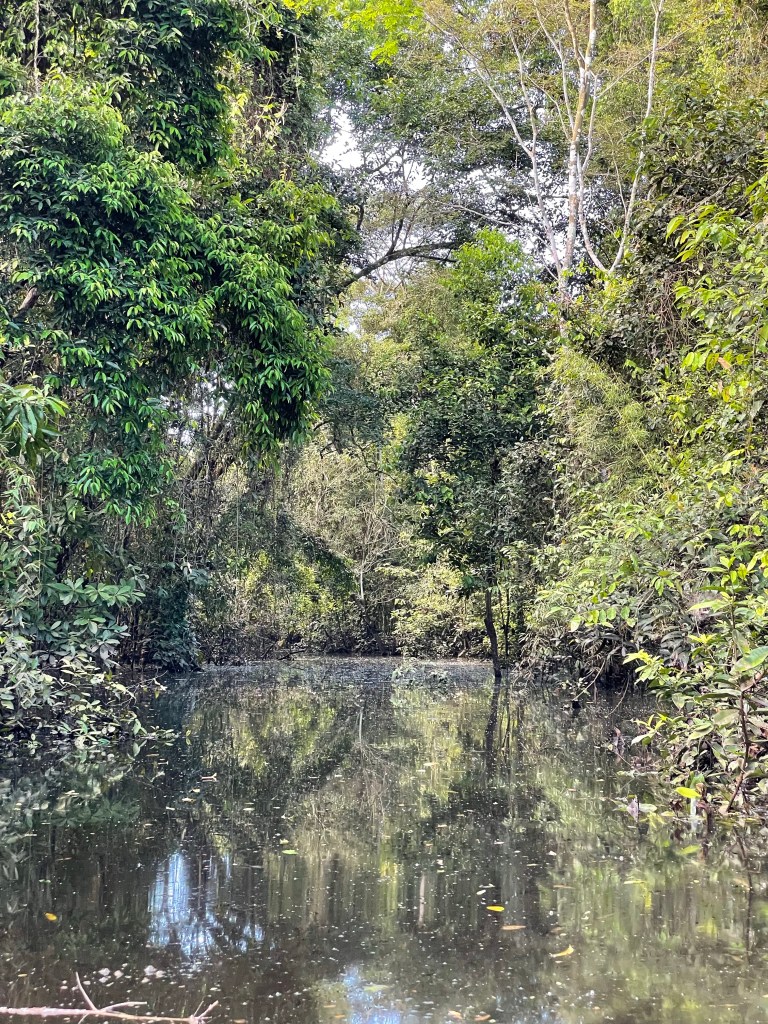
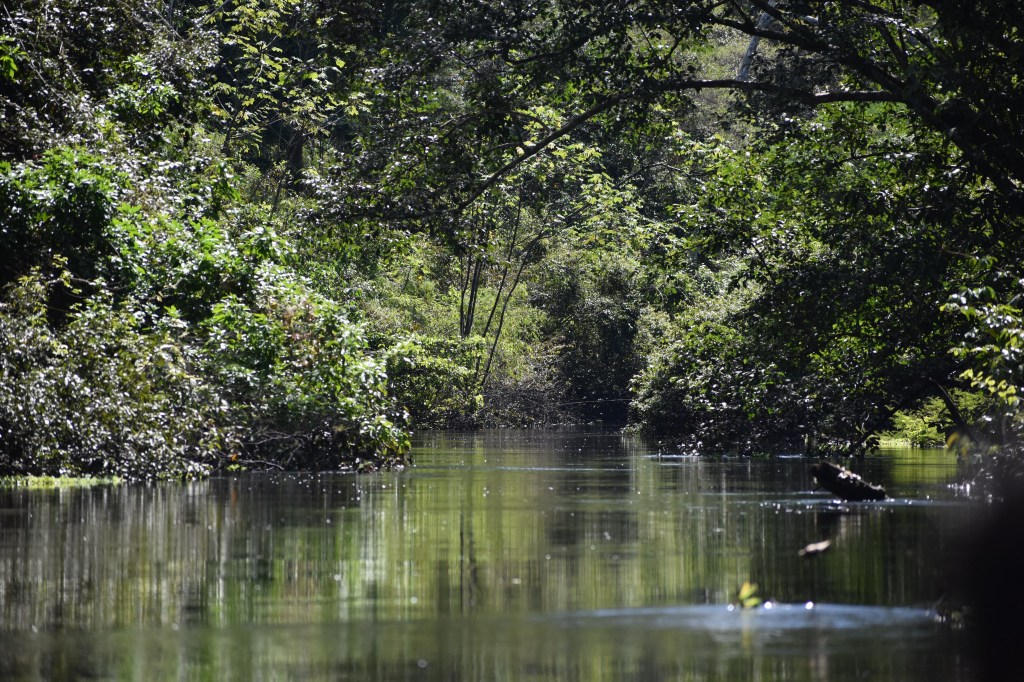
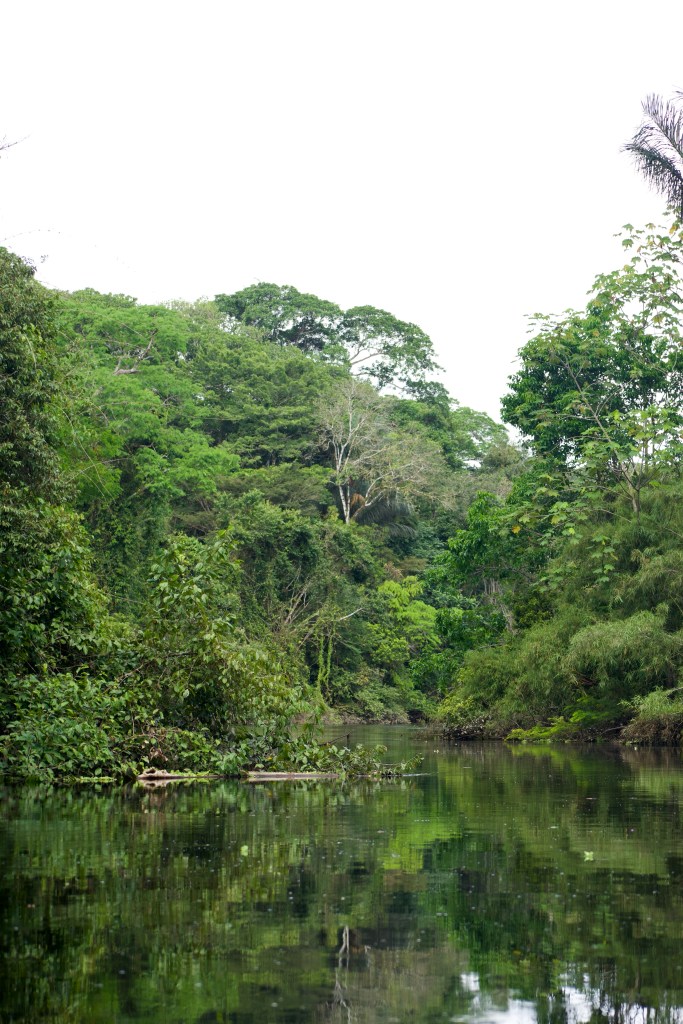
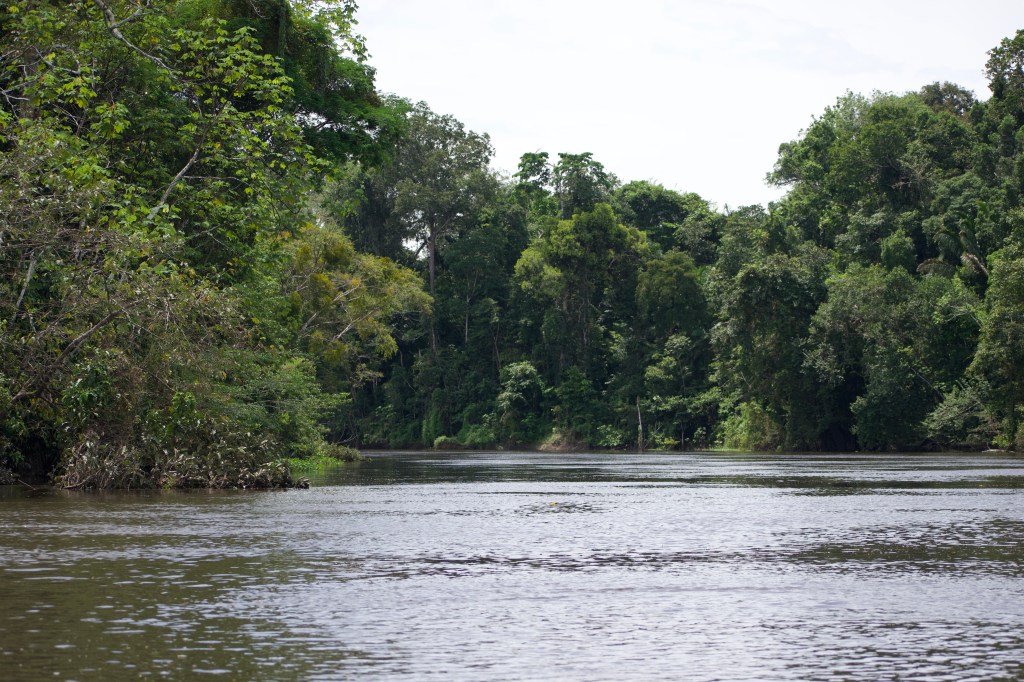
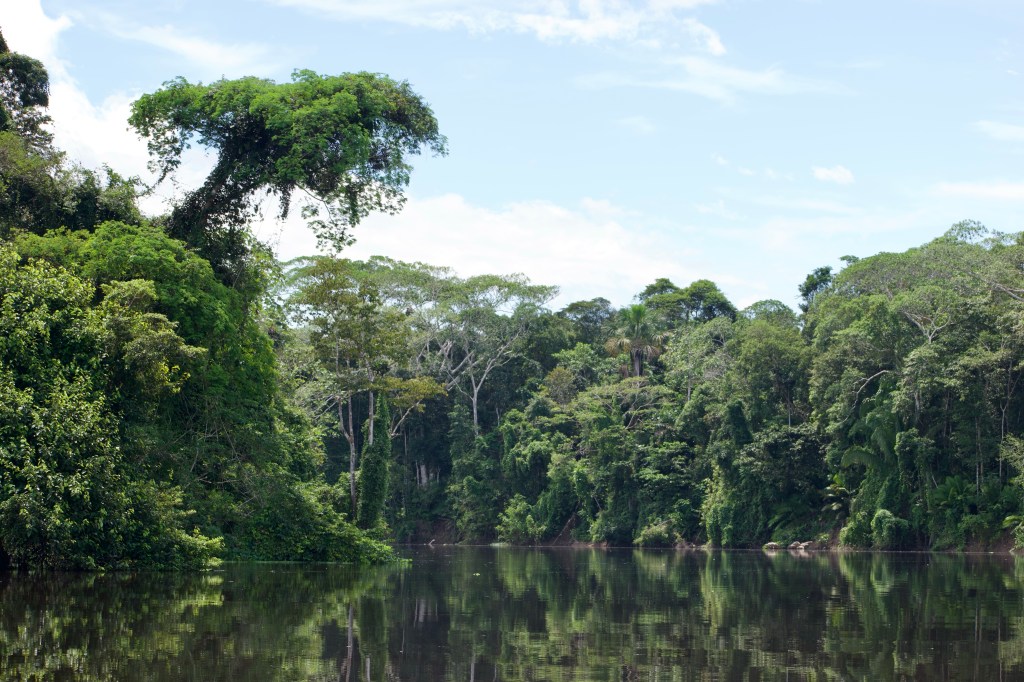
The scenery early in the morning was stunning, there was a morning mist hanging in the canopy of the trees, and the apparently still river made for some fantastic scenery photos.
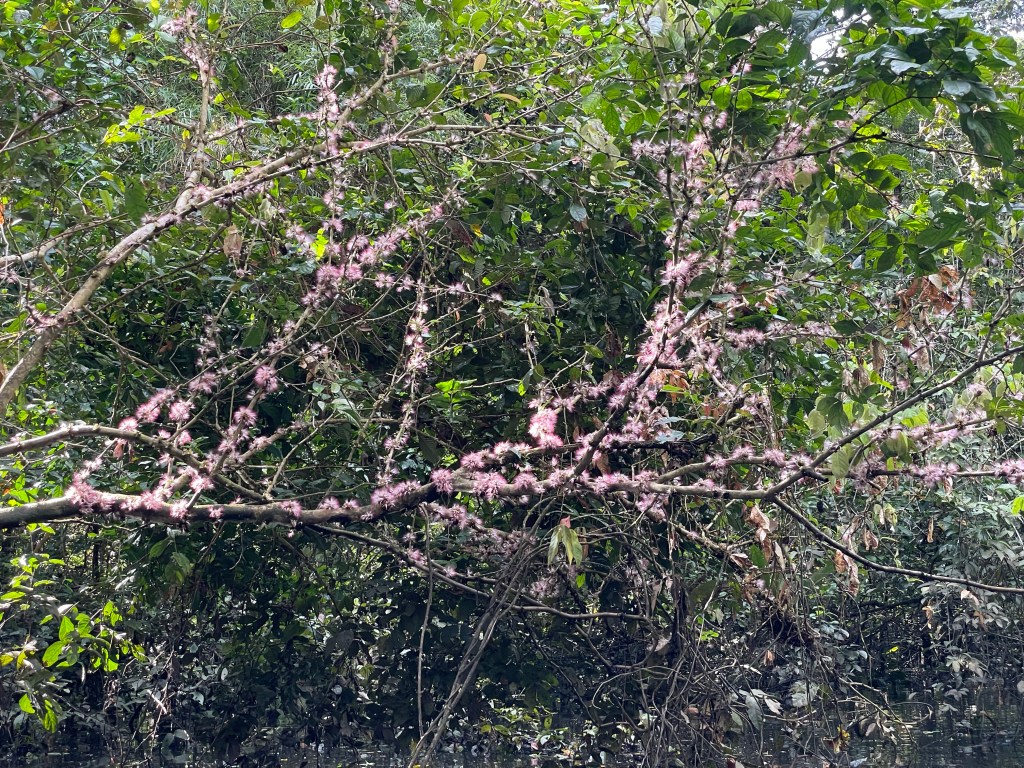
Floating through the flooded forest was an interesting experience. Much of the time we were fighting off bugs and branches from the various bushes we found ourselves in. The boatman at the front was very competent with paddle in hand and steered us expertly around the worst parts. He also had a keen eye for the wildlife and managed to spot various things along the way.
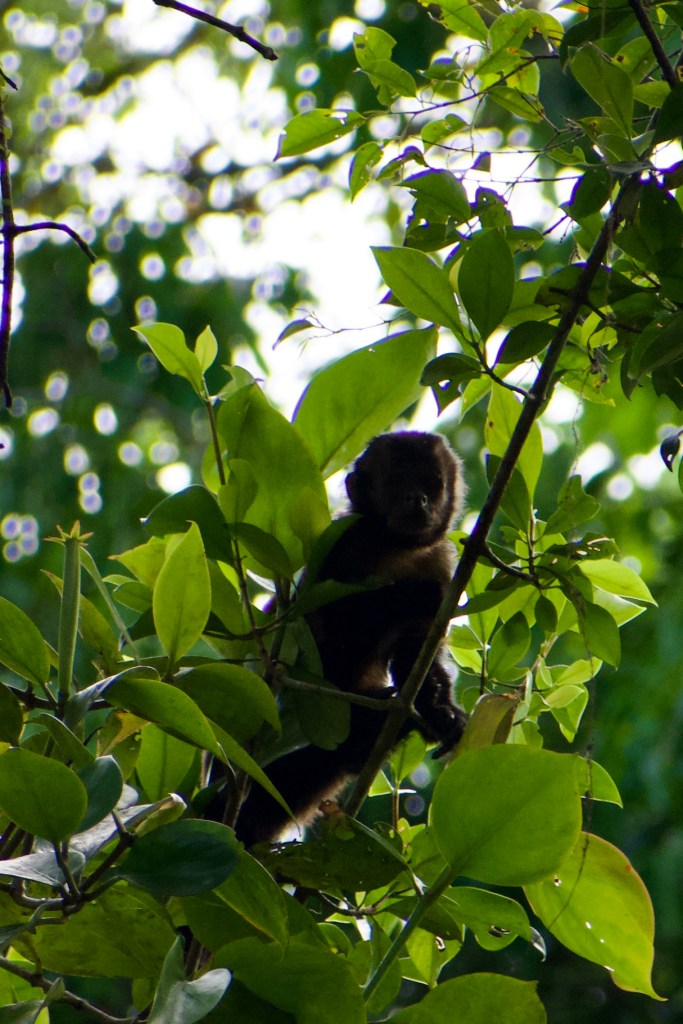
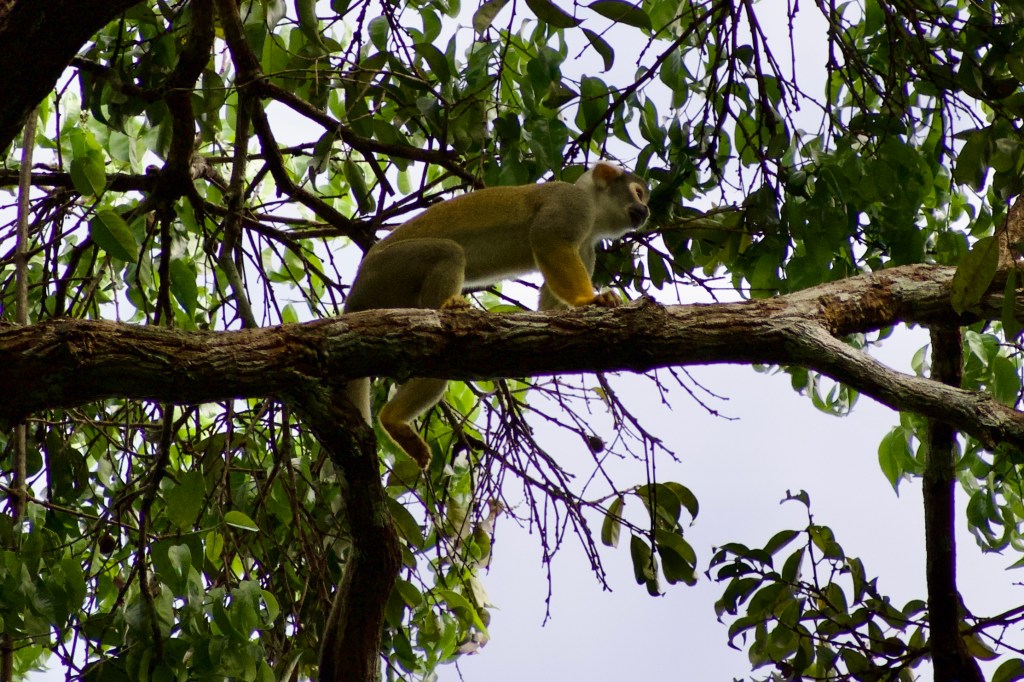
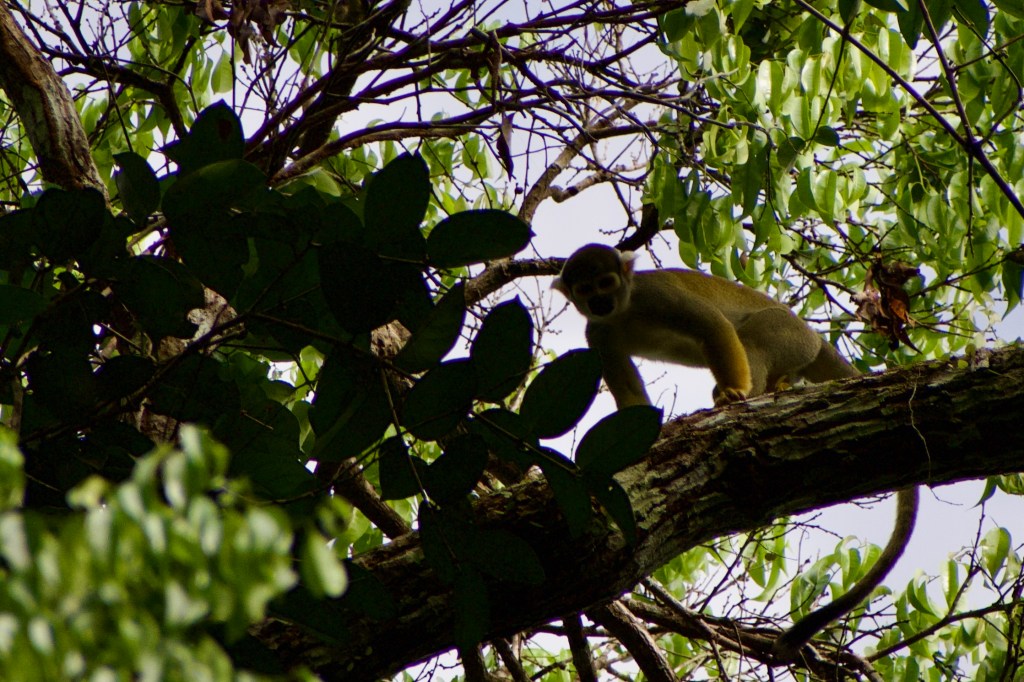
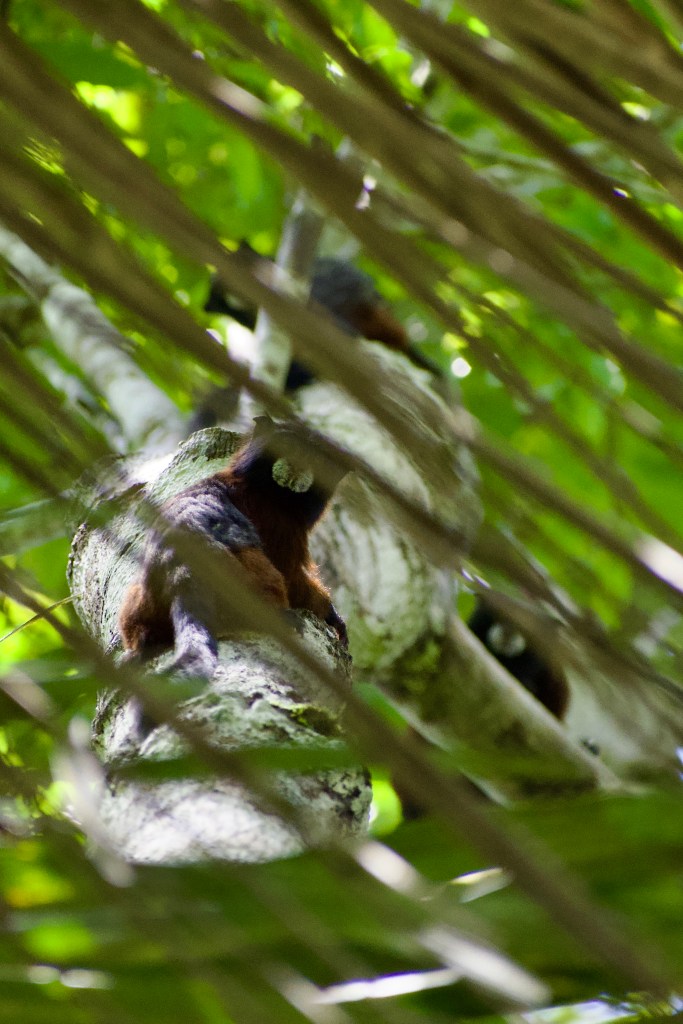
In the end we managed to track down the monkeys. A few Red howler monkeys were racing through the branches above us. There was also a small troop of fraile monkeys we also managed to catch a brief glimpse of.
Monkeys in the Amazon are shy, it’s really difficult to even get the slightest glimpse of them. They have been hunted by humans forever, and therefore they are very avoidant. If you’ve ever been hassled by monkeys in Asia or Africa, this is the exact opposite experience.
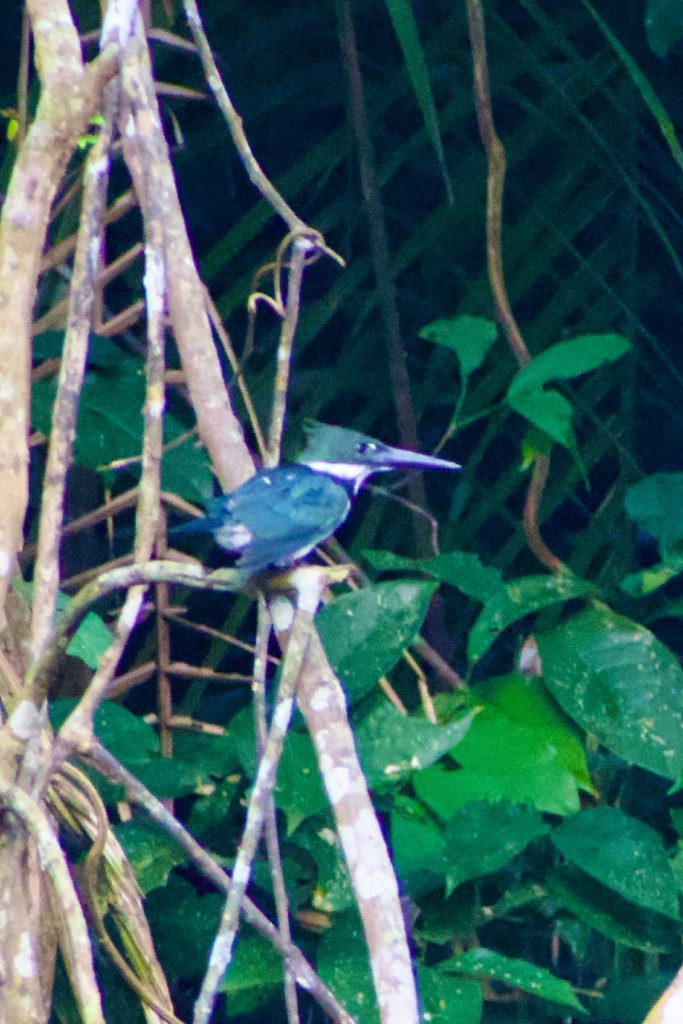
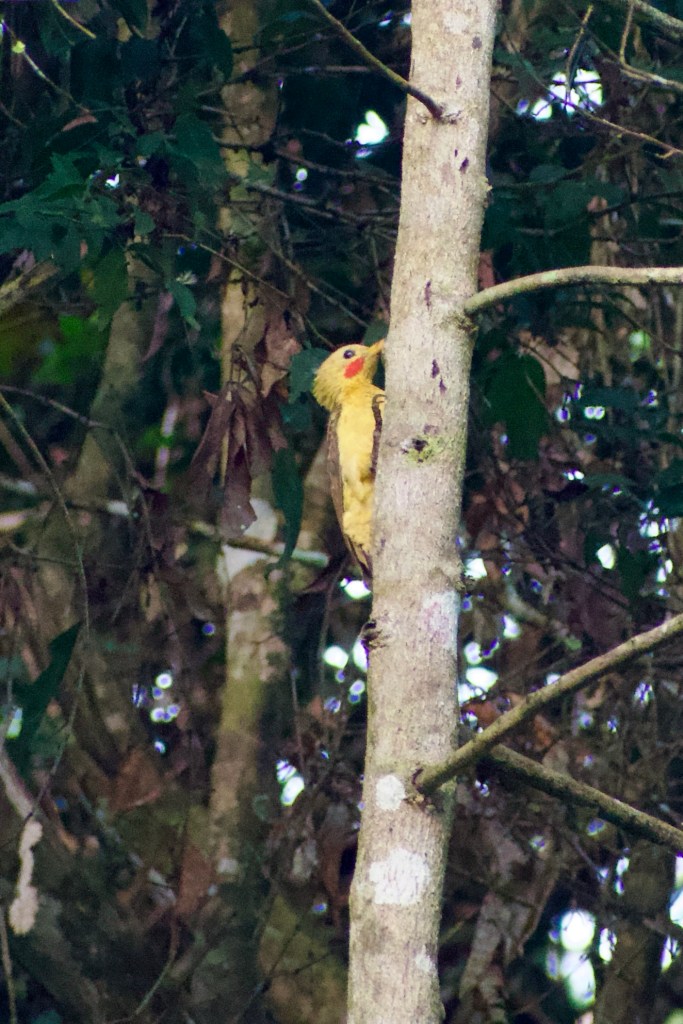
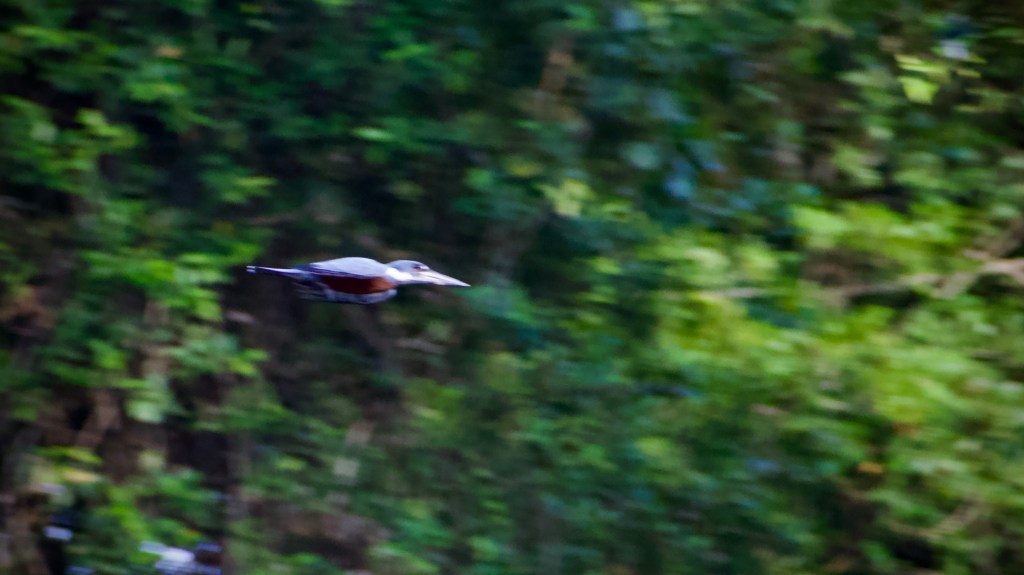
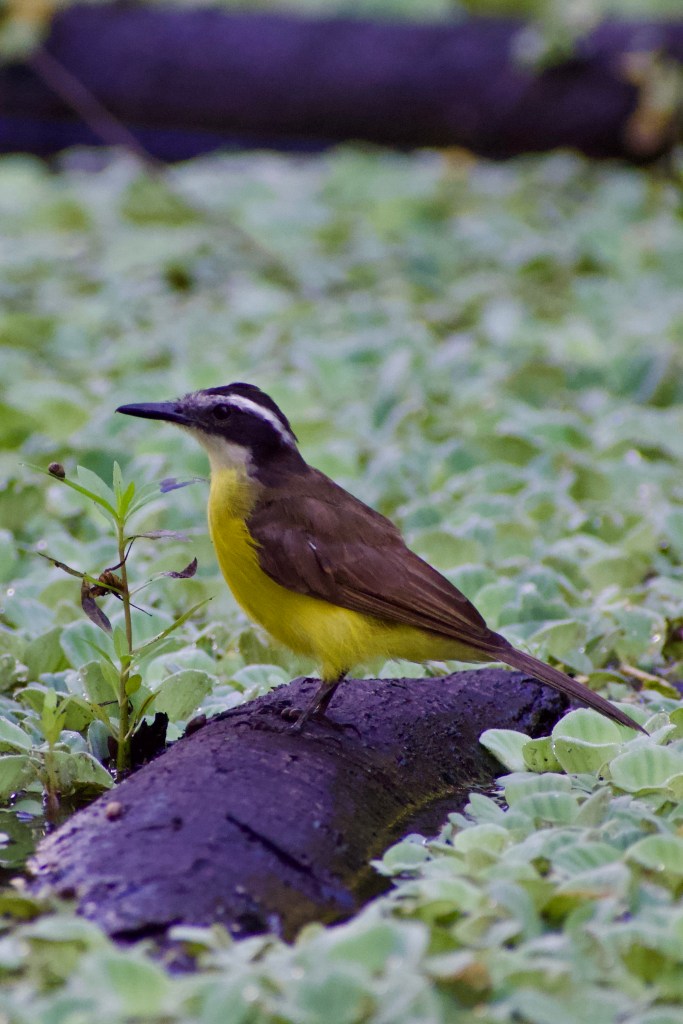
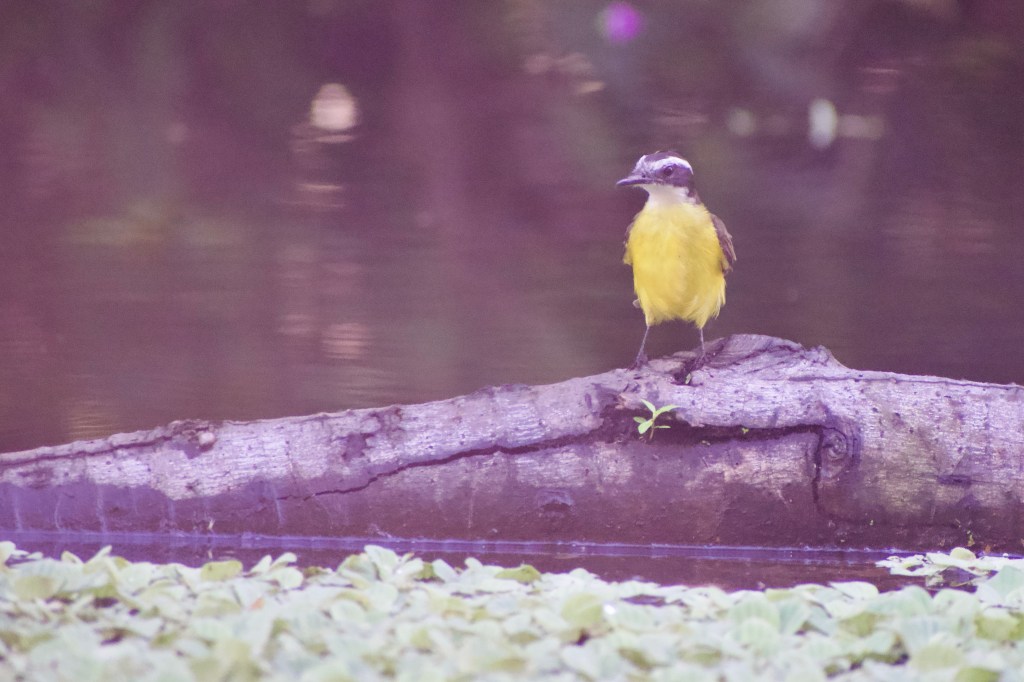
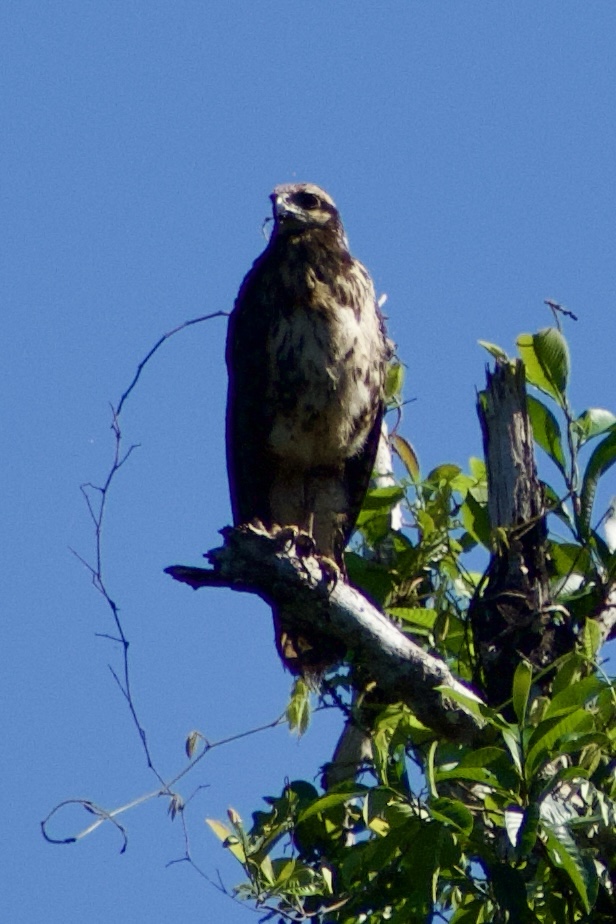
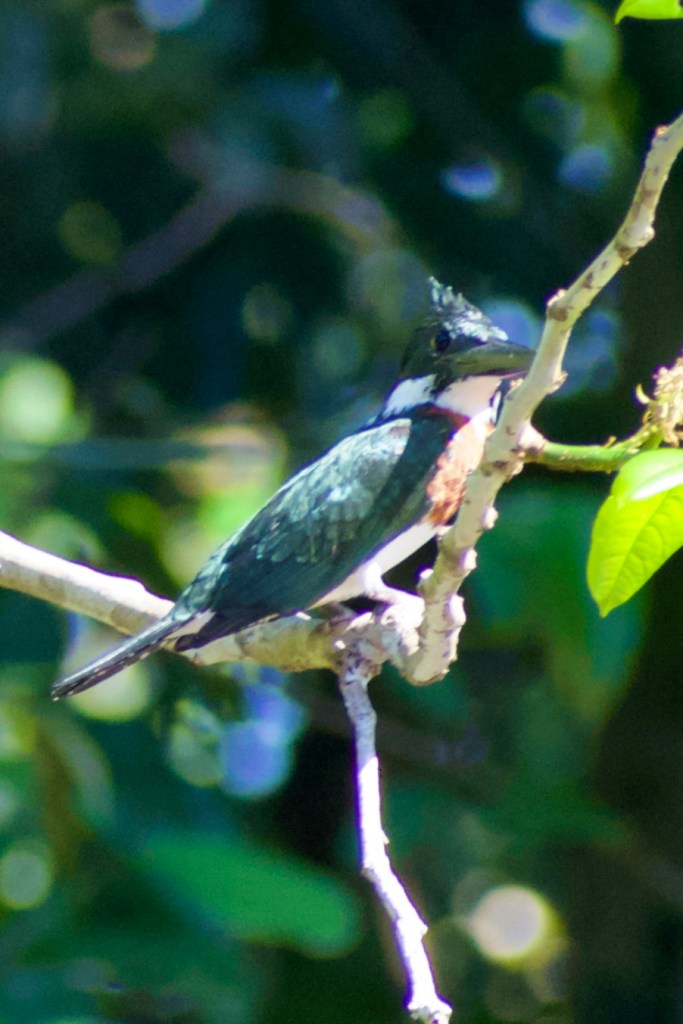
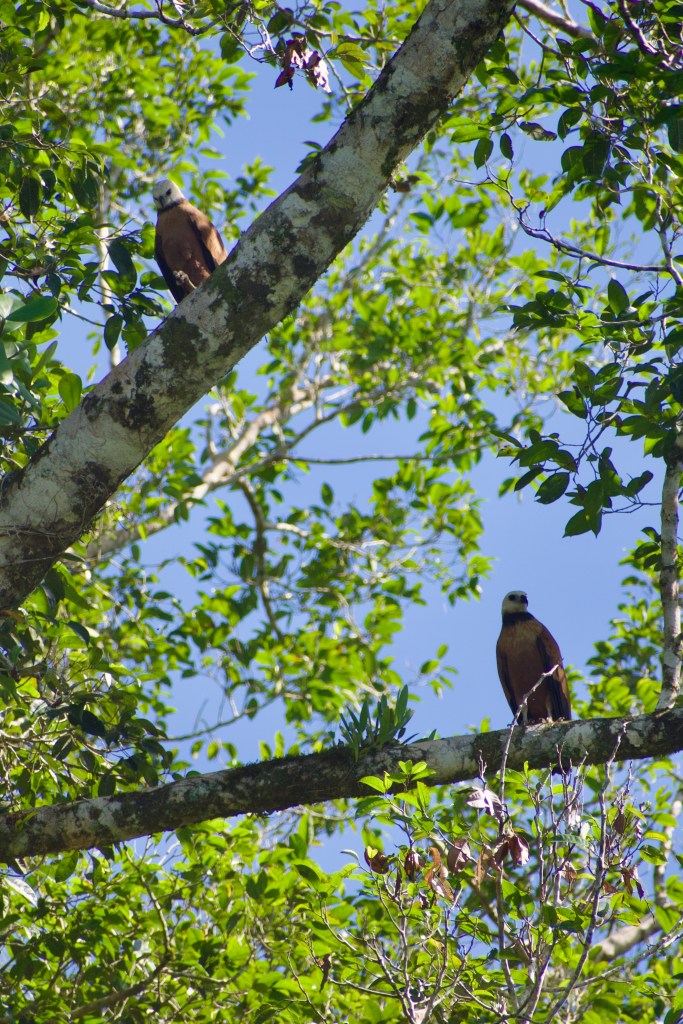
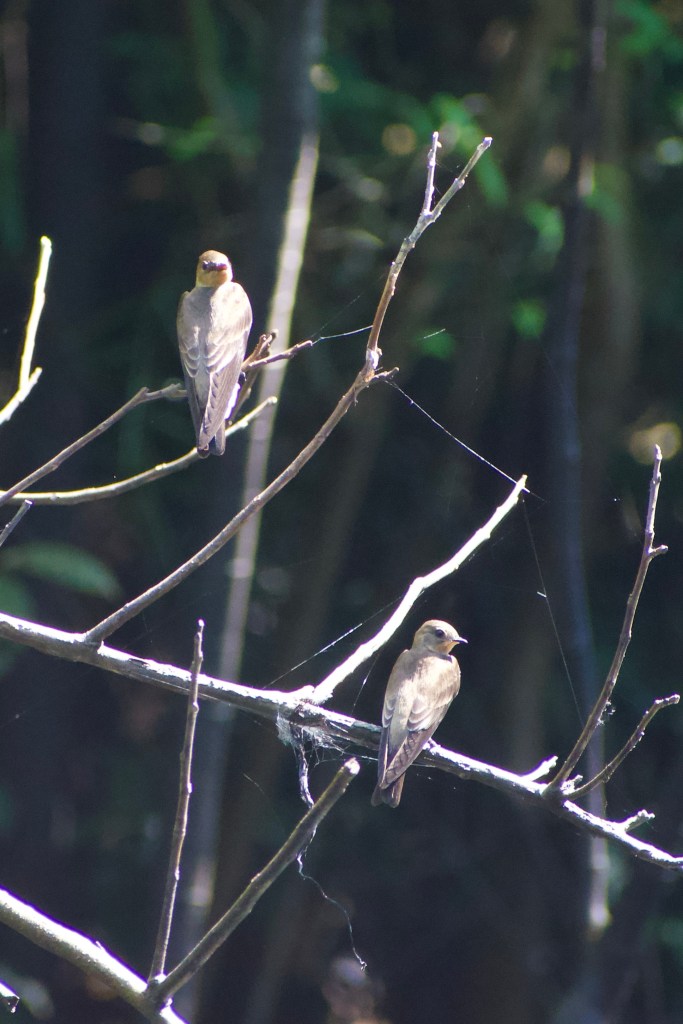
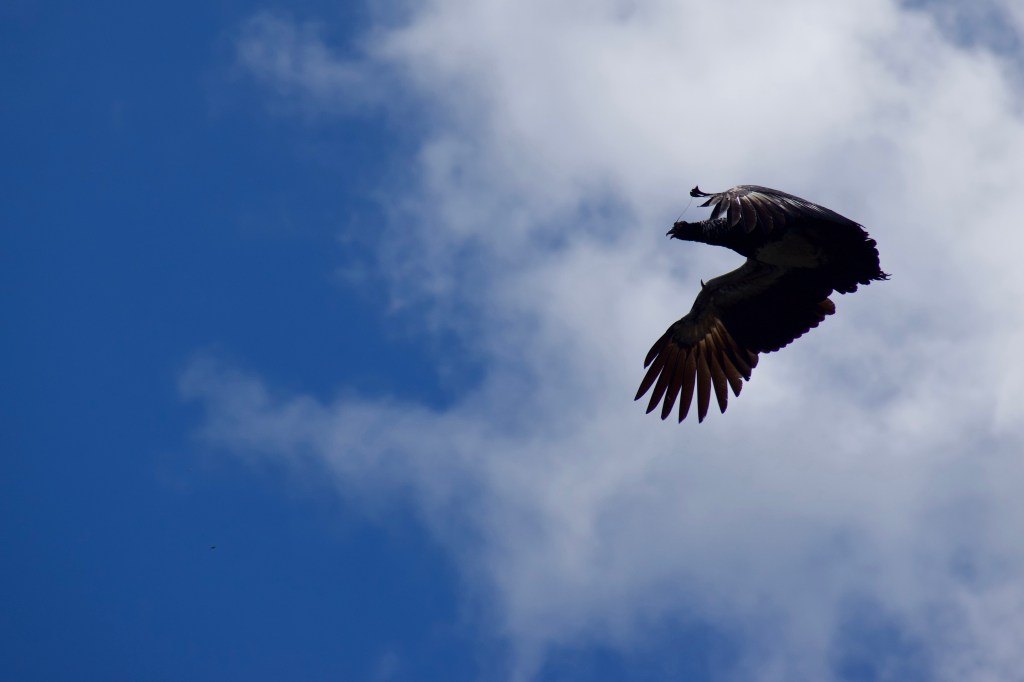
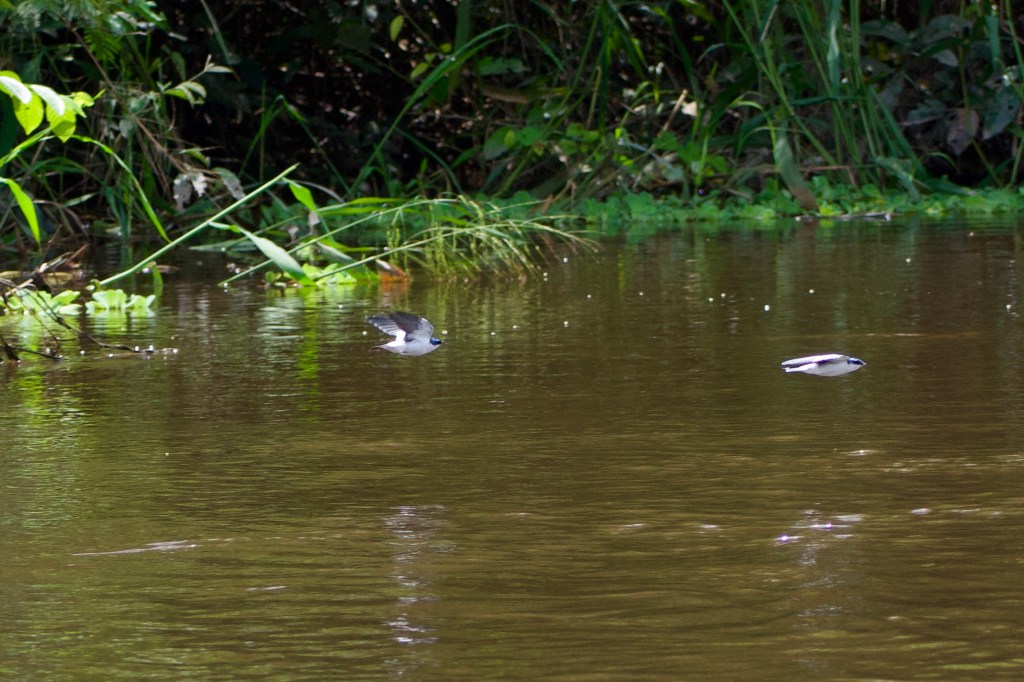
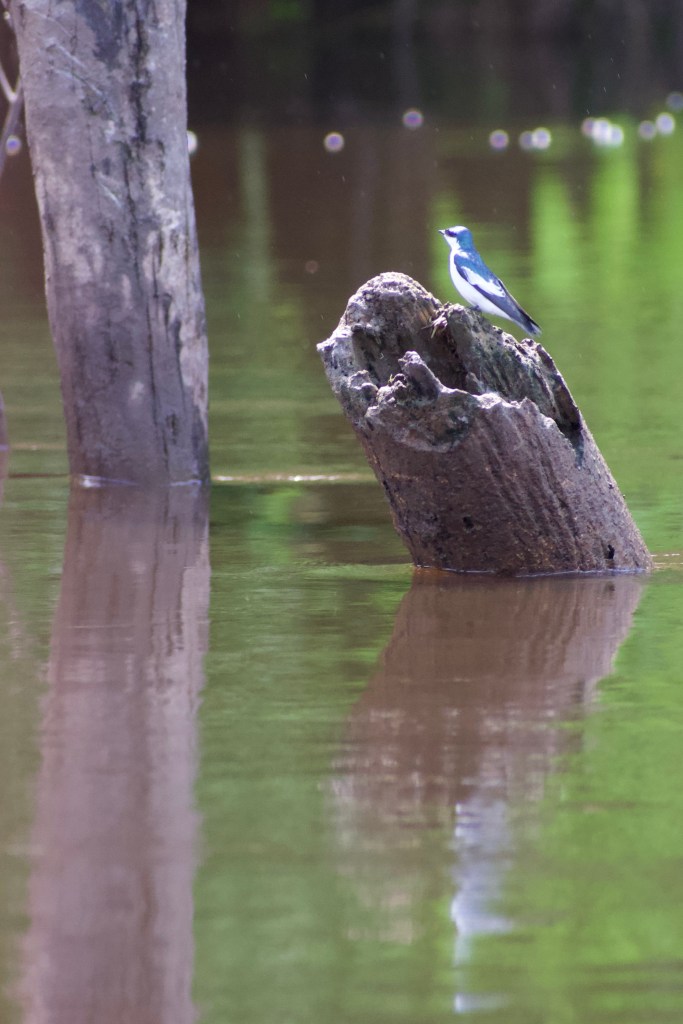
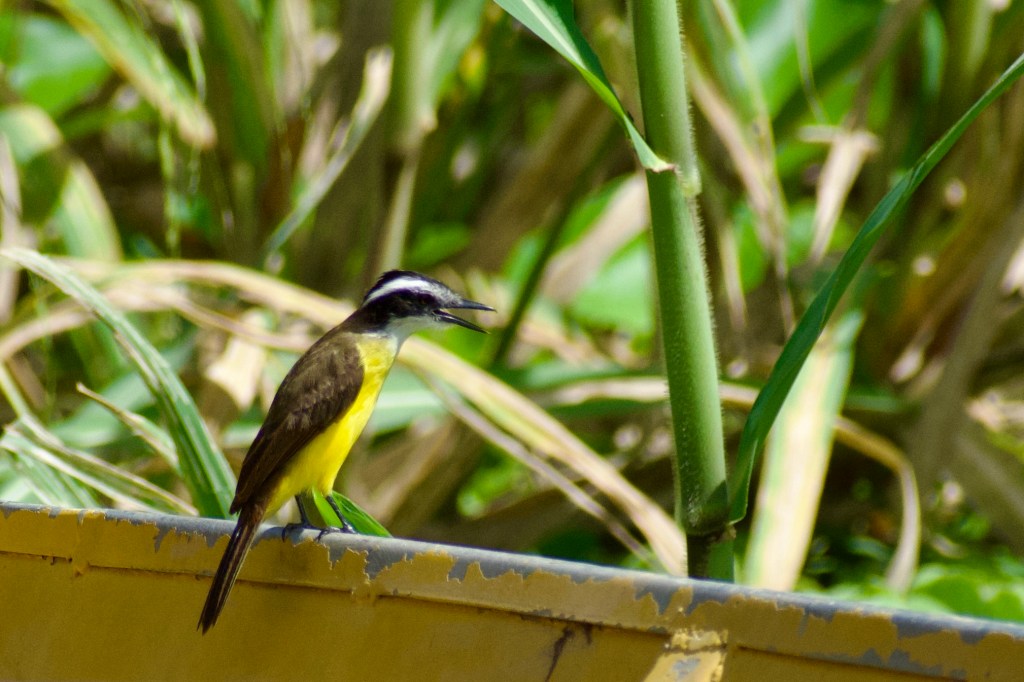
The return to camp was filled with more riverside birds, mostly kingfishers. We caught glimpses of a type of bee-eater, and also a cream coloured woodpecker. Cinnamon eagles were a common sight, guarding the river bank.
After lunch we went on another canoe safari, to attempt to find sloths yet again. We didn’t manage to find any, but we did manage to find a small group of cute looking saddleback tamarins. There have a patch of white fur surrounding their mouth earning them the nickname the beer drinkers. They look an awful lot like teddy bears. All the monkeys move quickly, so as soon as they’re spotted they’re off again. They don’t really have a home, they don’t build a den or a nest, rather moving from tree to tree on a constant basis.
Junior’s helpful translation consisted entirely of the phrase “monkeys in the jungle”, thank you Junior.
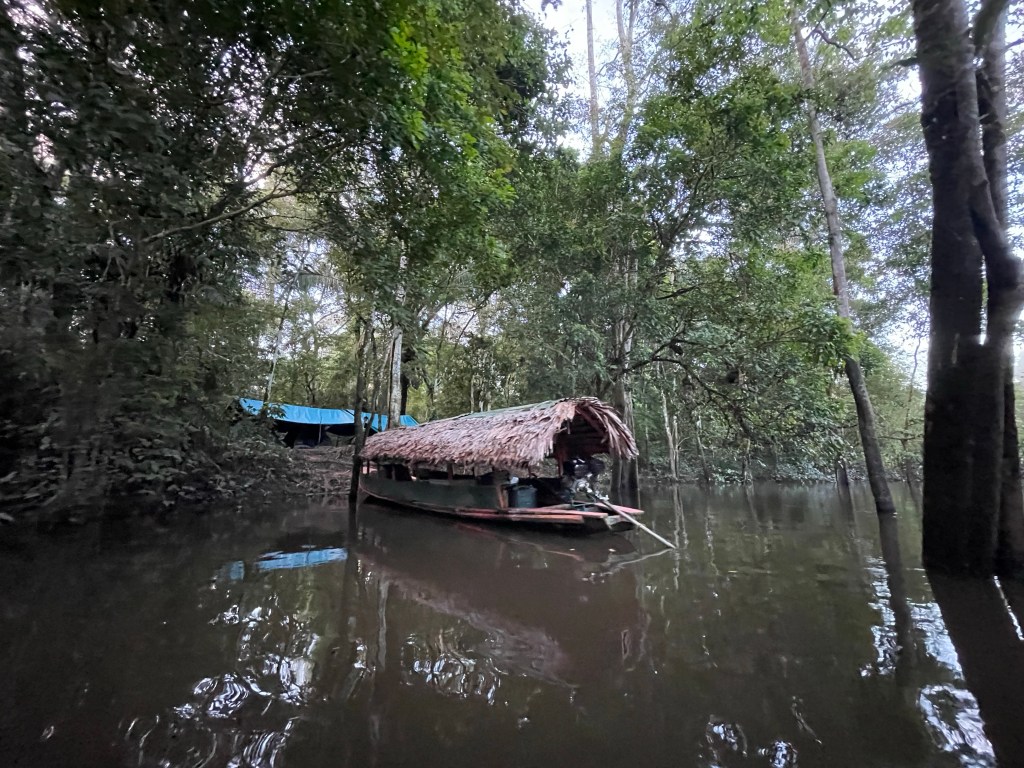
After lunch we said goodbye to Ana and Carlos, our Spanish doctor companions. They had wisely opted for only three days in the jungle. The rest of us had to endure another sunset with all the mosquitos that entails, and another sweaty night in the tents. They took with them the translation skills upon which we had badly depended, especially when it comes to safety instructions. More pertinently they took the boat, which wouldn’t return until the morning. So we were left on our own, with Roger, Junior and a Canoe.
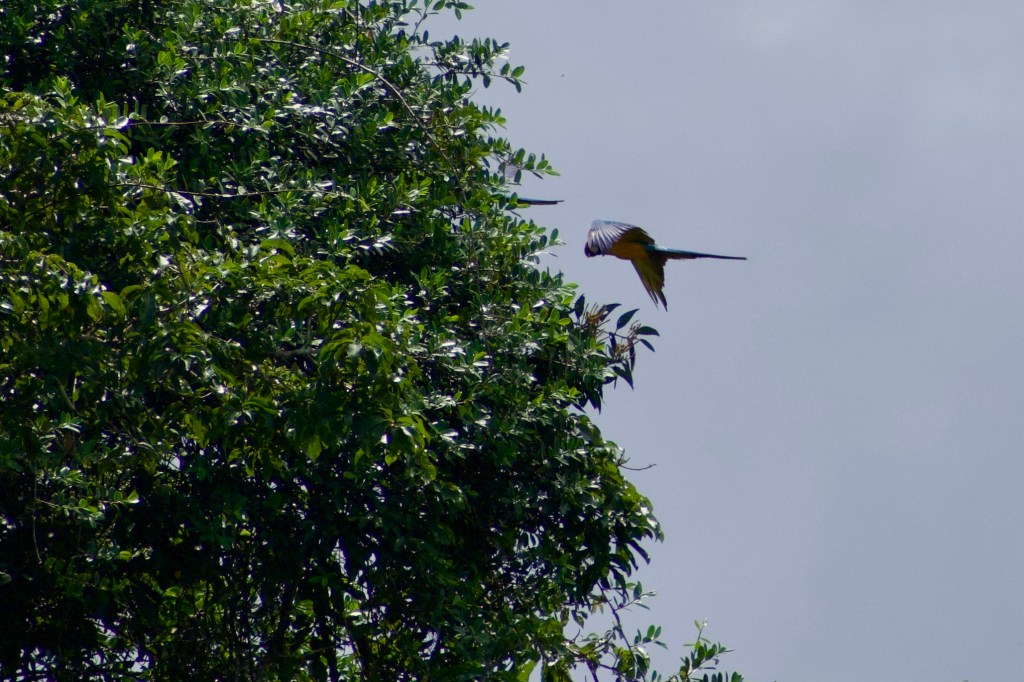
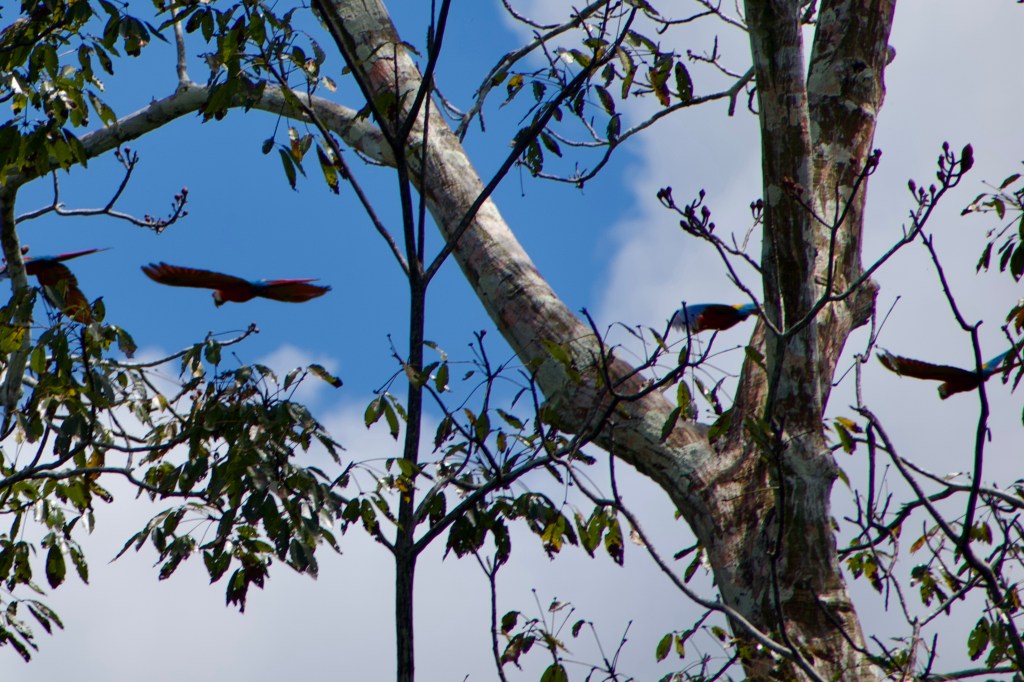
We took the canoe out in the late afternoon sun, to once again try to find some sloths, and once again the trip was without success. We did however spot pairs of the rather magnificent blue-yellow Macaws as they noisily travelled across the jungle into the sunset.
For our evening walk we took the canoe, rather ambitiously, a few hundred metres downstream. We disembarked alongside a new, freshly set-up camp, by a competitor company. As we set off into the jungle we passed the other group coming the other way. Clearly jungle novices they had clean clothes, smelled acceptable, and were far too jolly. After a night in a tent I’m sure they’d feel differently.
——-
It bears repeating that all the while it is uncomfortably hot and sticky. The only brief respite is on the boat, speeding downstream in the afternoon sunshine. Today we only got a few minutes of this pleasure are we moved campsites.
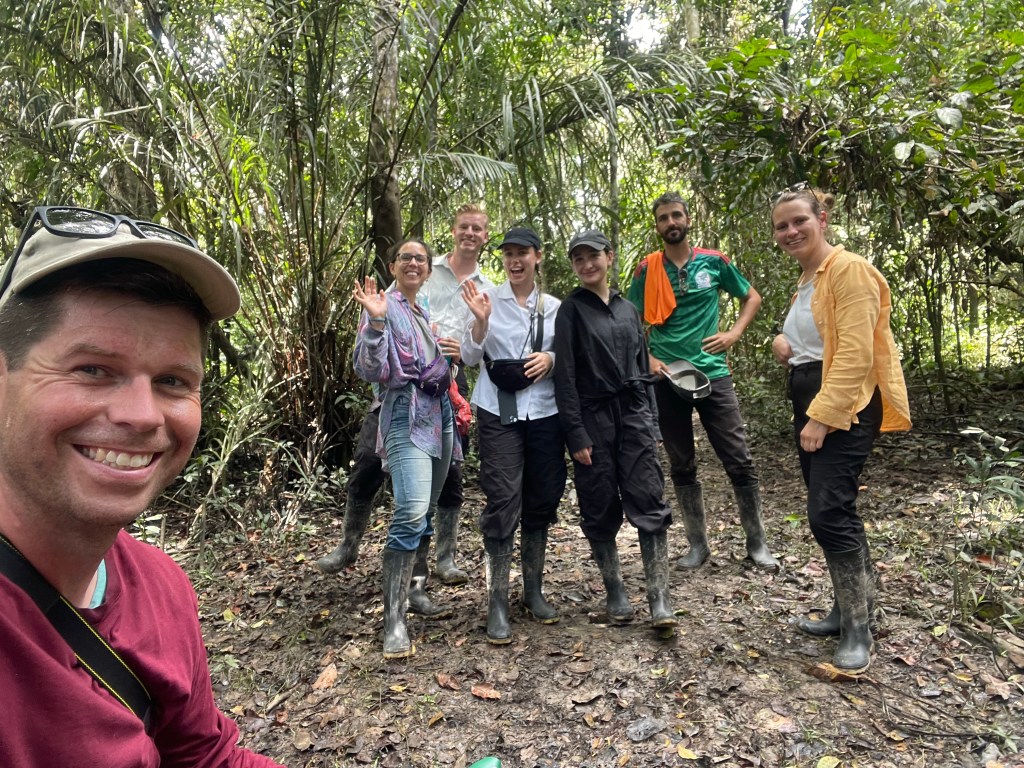
In every photograph we are dressed up head to toe in winter gear. Waterproof coats, long sleeve tops, trousers, and wellies. It looks like it is still February in the UK. I assure you it always feels uncomfortable. Sweating through the forearms of your only long-sleeved top repeatedly is grim, but it’s better than being mauled by bugs and mosquitoes.
Roger had the temerity to mention the lack of mosquitoes for the time of year. Being the tail end of the wet season, with the water still high, and flooded areas everywhere, there were still plenty bugs. However to be fair, rain for the last couple of days was scarce, and the sun was out most of the day. The worst time for mosquitoes was after the rain on the first morning when it was still overcast. We were all bitten several times, and through all items of clothing.
——-
The most notable wildlife on our evening walk was a possum of sorts. Roger diligently explained in Spanish that it was a marsupial, and with a child which it was carrying in its pouch, like a kangaroo. We understood about as much, given that “marsupial”, and “kangaroo”, and niño is pretty easy to translate.
Junior’s translation told us it was a ‘fox’ which ‘has a baby’, ‘like a monkey’.
Another gem was when we asked him about some nearby hooting. “What is that animal?” We asked. “Monkey” was junior’s reply. After further questioning with Roger we understood that it was indeed what it sounded like. An owl.
——
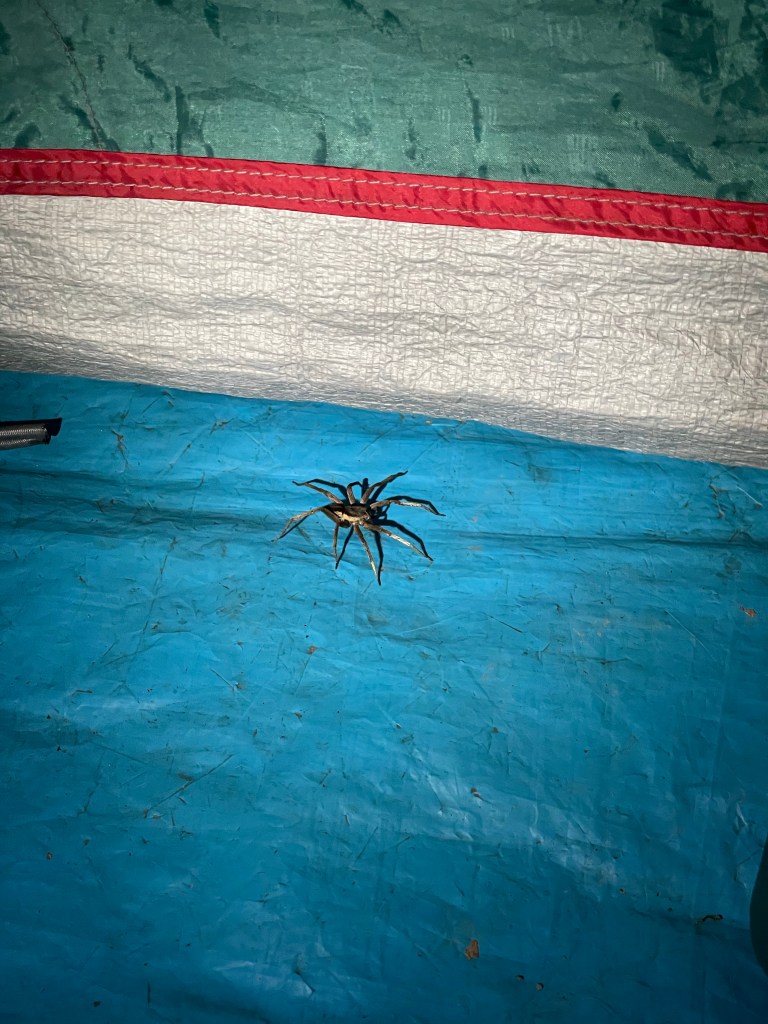
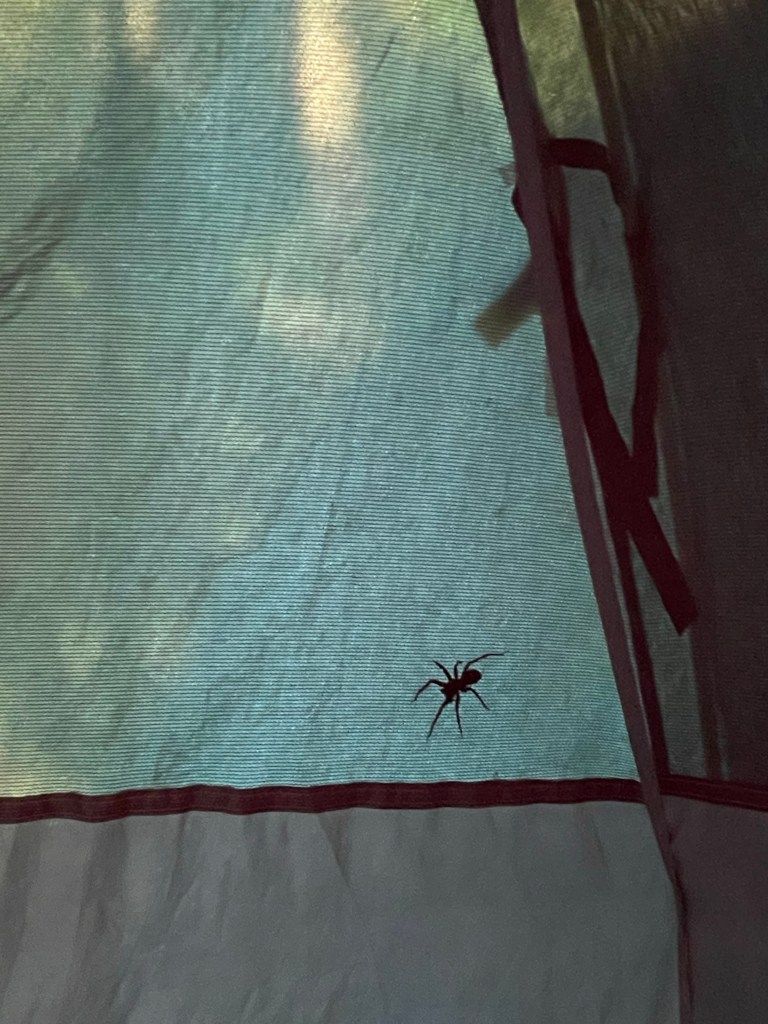
Dodging the numerous giant frogs, stick insects and ants, we made it back to the canoe to return to camp. Small matter of the few hundred metres upstream to paddle. Of course by now it was long after dark, some mild taunting from the novice campers added to the sense of jeopardy.
Half way along the route there was an enormous fallen tree wedged a quarter of the way across the stream. The current around the corner of the trunk was so fierce that we had already lost control of the canoe at this exact point earlier in the day, and ended up 50m downstream alongside the opposite bank. We probably couldn’t afford such a slip at this time. Being dark did not help, despite the lack of piranhas when fishing during the day, nighttime was a different equation.
Two people lighter the canoe was a bit more manoeuvrable. Roger paddled like a champ. He’d positioned himself at the bow as we could ill afford getting the nose of the canoe caught in the current again, it would spin us round in no time. His heroics got us safely around the hazard, and well upstream of our camp on the opposite bank. All of this despite junior’s floundering at the back.
As we still needed to cross the river to access the camp river called for some lights. On or off we weren’t sure, junior’s helpful translation didn’t clear things up either, shouting both ‘on’ and ‘off’ from the back of the boat.
Mike revelled in the opportunity to show off his expensive new torch, which guided the way back to camp perfectly, and only attracted a few million bugs or so.
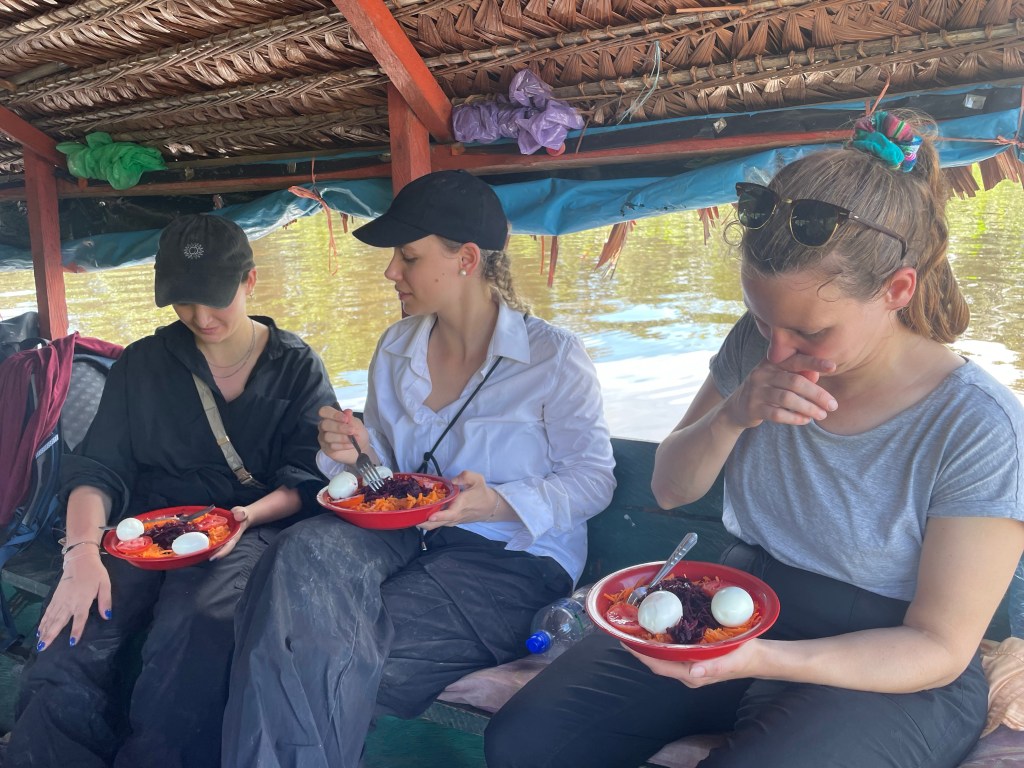
Dinner took an age to prepare without our chef the boatman, curiously so as it appeared to be reheated fish from lunch. We were in no position to complain. We had nowhere to sit down as our boat was gone, and nobody fancied getting back in the canoe so soon. Giant ants inhabited the area around the camp, these ones were menacingly red, and not like the industrious leaf-cutter ants of our previous camp.
We haven’t yet mentioned the leaf-cutter ants, but they are fascinating. They make mini-motorways through the jungle, clearing a wide pathway to march down as they carry enormous chunks of leaves on their backs. If you haven’t seen the David Attenborough segment where they feed the giant fungus in their nest then it’s certainly worth a watch.
———-
Sleep wasn’t easy to come by, but at least we were safe from the mosquitos for another night.
The end
Our last morning in the jungle and the mood in camp was more jovial, everyone sensing the end was near.
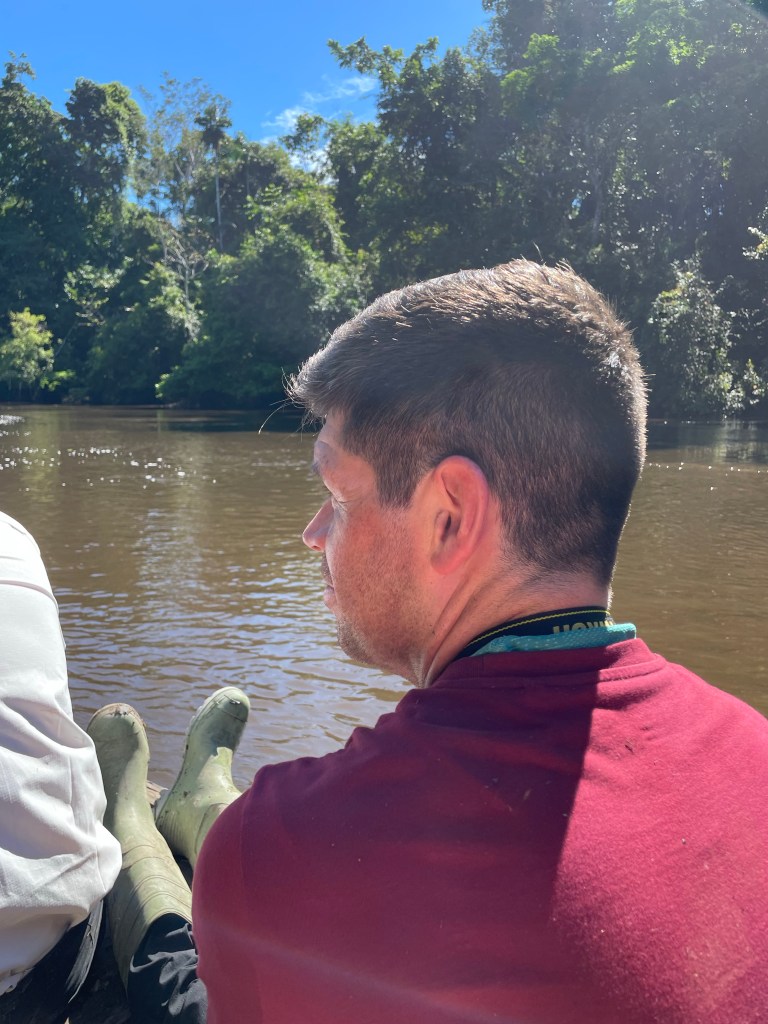
The morning canoe excursion was almost pleasant in the early sun. Although within 30 minutes we were again all being scorched by the equatorial sun. From a wildlife perspective the trip was uneventful, but there were still a couple of noteworthy events.
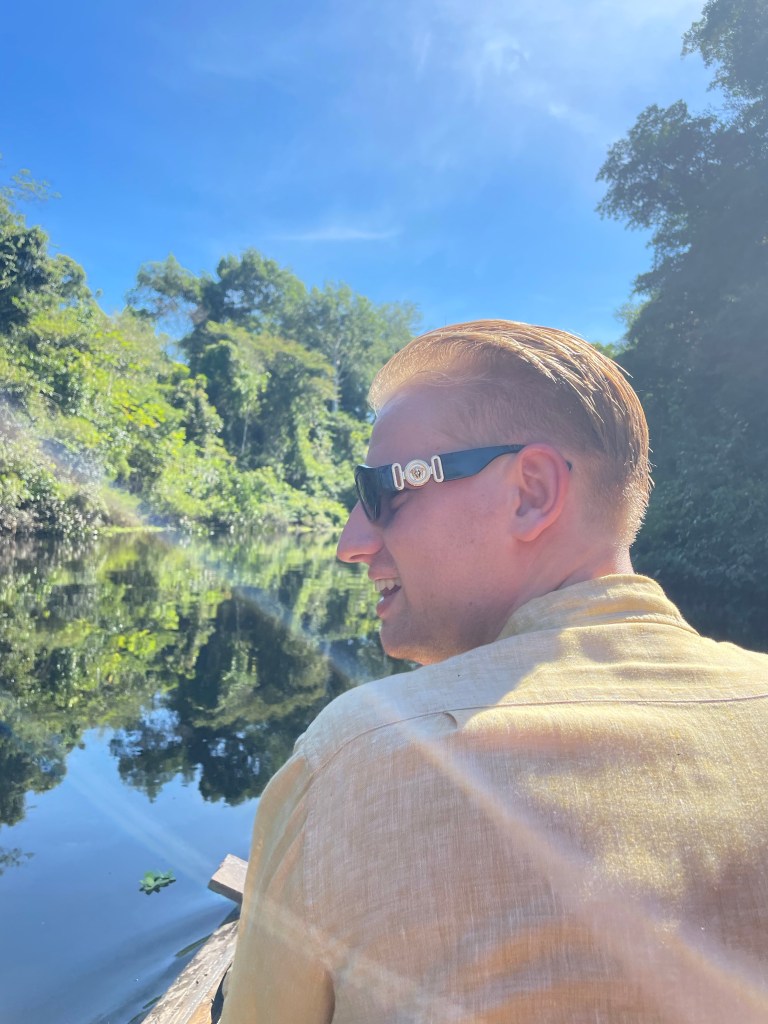
Firstly, Fabian whipped out his (fake, granted) Versace sunglasses. Jungle style. Speechless.
Secondly, we managed to get stuck in a bush for twenty minutes. The flow of the steam was firmly pinning us into the foliage, and junior’s efforts to rectify the situation involved paddling us further into the rather spiky bush.
Roger hacked us out of the situation using machete therapy as a catharsis for his frustrations with his junior guide. Once we were free his Spanish wasn’t too tough to translate. Roughly; “fuck it, we’re going back”, not a single one of us complained.
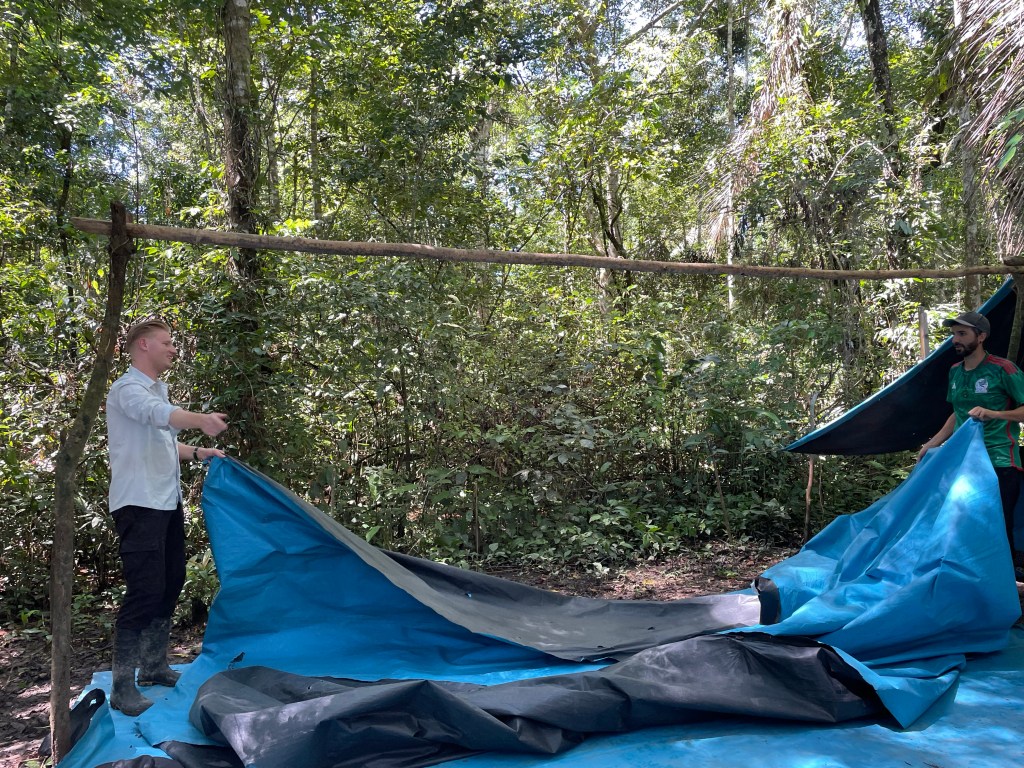
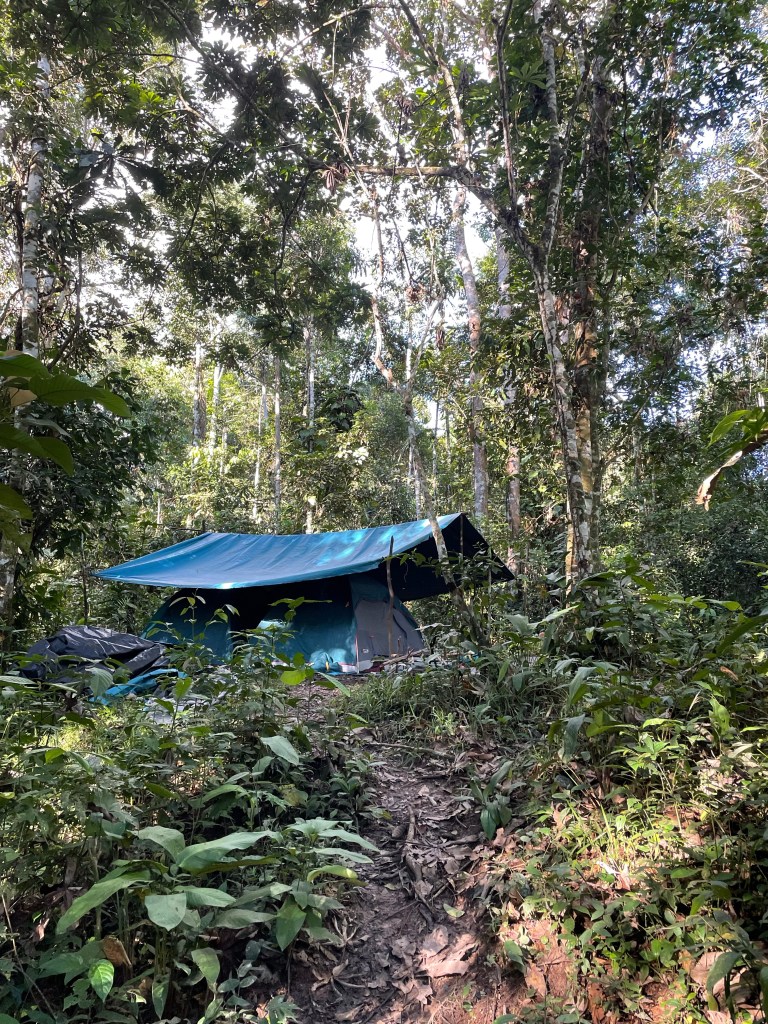
On our return to camp, miraculously our boat was waiting for us. Tents were swiftly packed up and we were soon on our way back towards Buenos Aires, Nauta, and Iquitos.
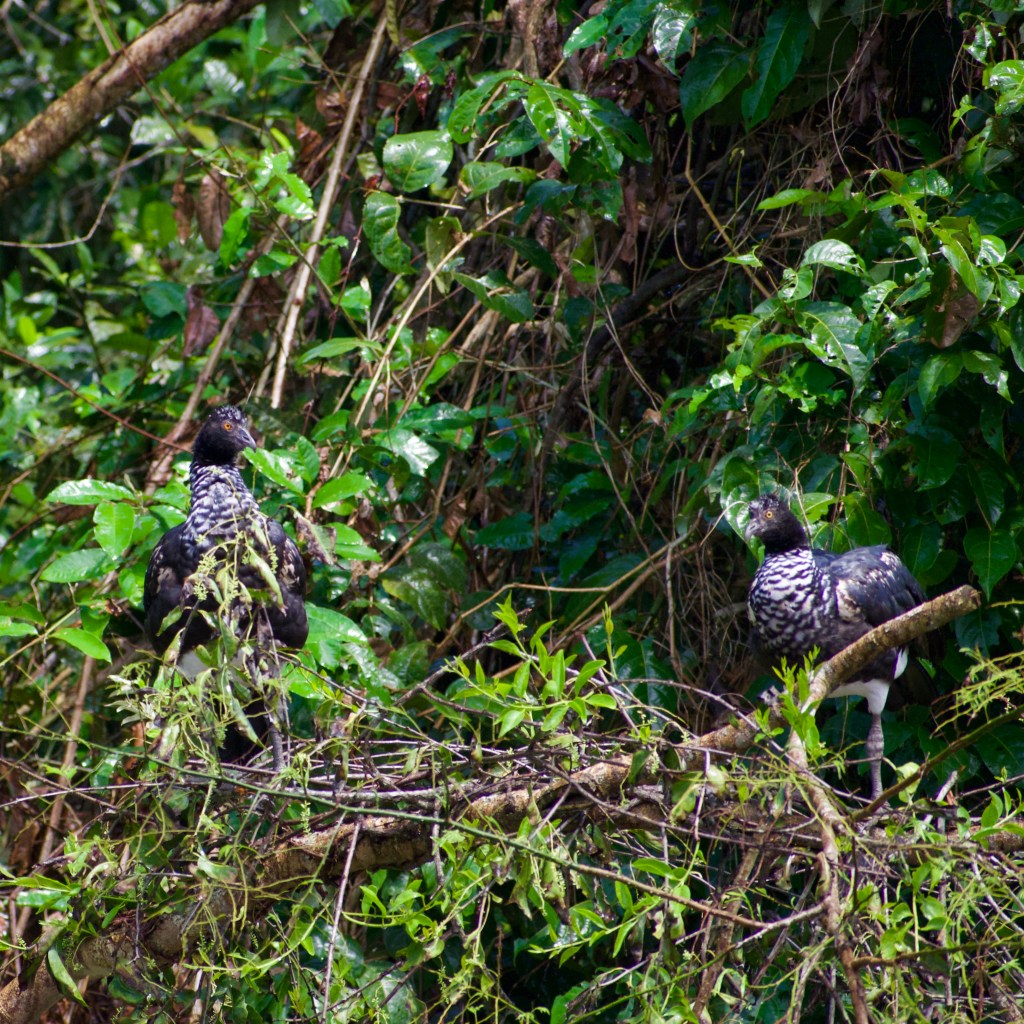
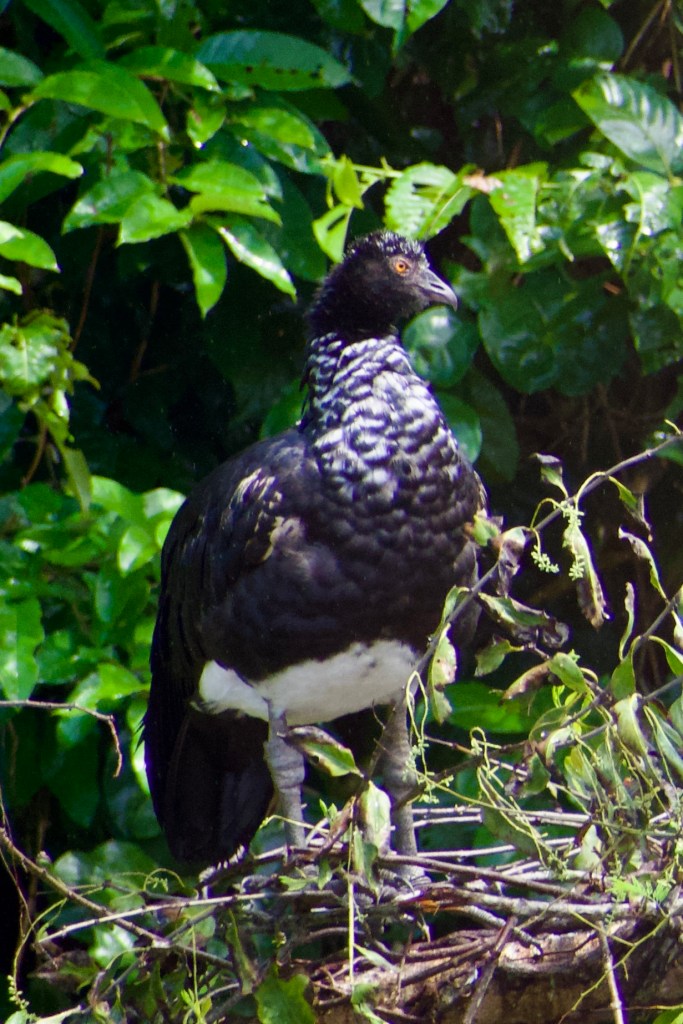
The trip downstream to Buenos Aires took barely over an hour. Our only notable sightings were more pairs of blue-yellow macaws, and a trio of stunning scarlet macaws. We also spotted the nesting turkey thing which I need to look up.
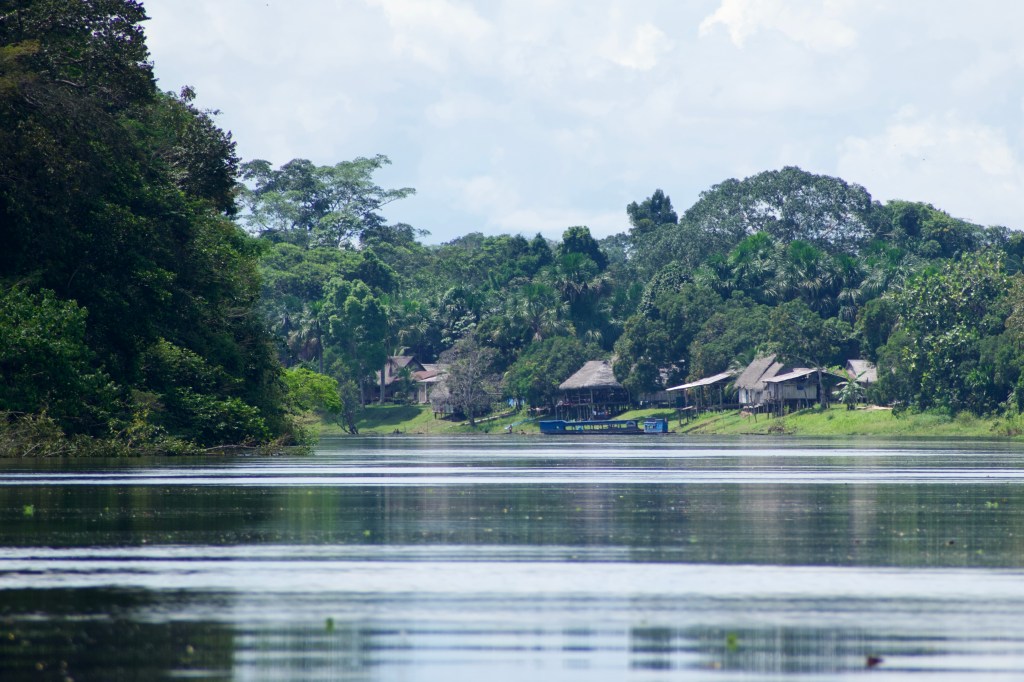
As we neared the village the trees got smaller and more managed, only then did we realise quite how spectacular the jungle was further upstream.
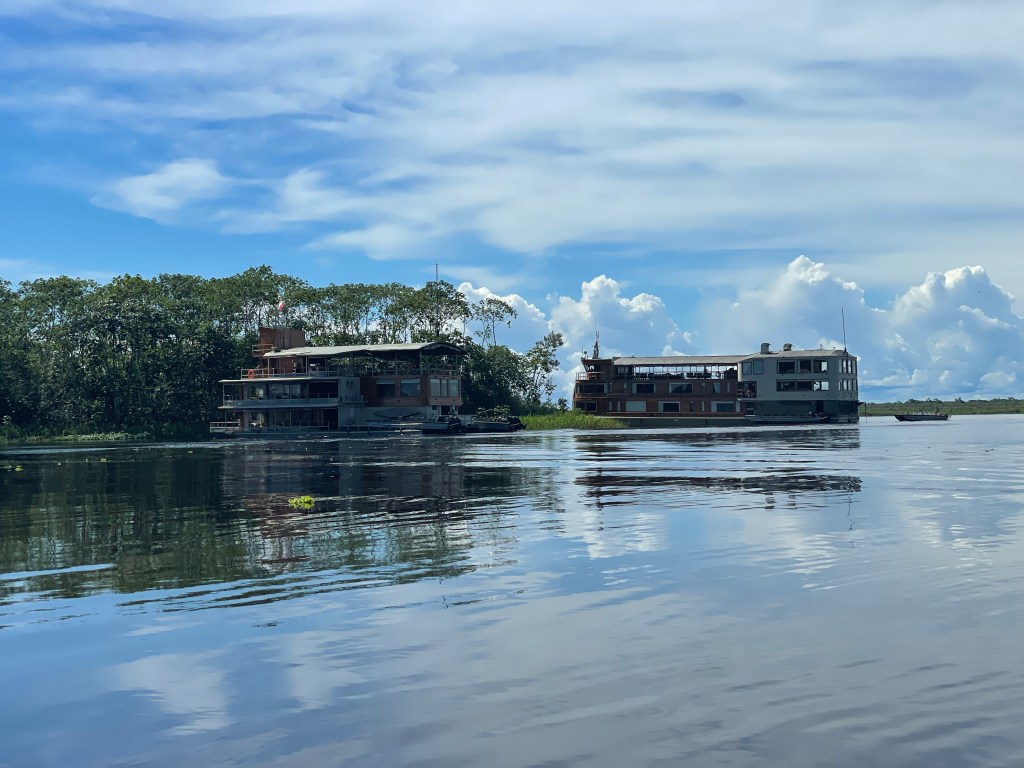
We stopped at the park exit once again to checkout. Large boats are not allowed in the reserve so there were a couple moored up on the opposite bank. They are like floating hotels, and certainly looked very comfortable. Their residents zoomed up the rivers in their little speedboats, and then returned to their air conditioned cabins by night. We couldn’t help but feel a little bit jealous. Whilst it’s been a privilege to get a real jungle experience, maybe next time we can go for the more comfortable option and perhaps enjoy the wildlife viewing a little more easily. Mind you looking at the prices I’m going to have to earn a lot more money before it’s in the budget range.
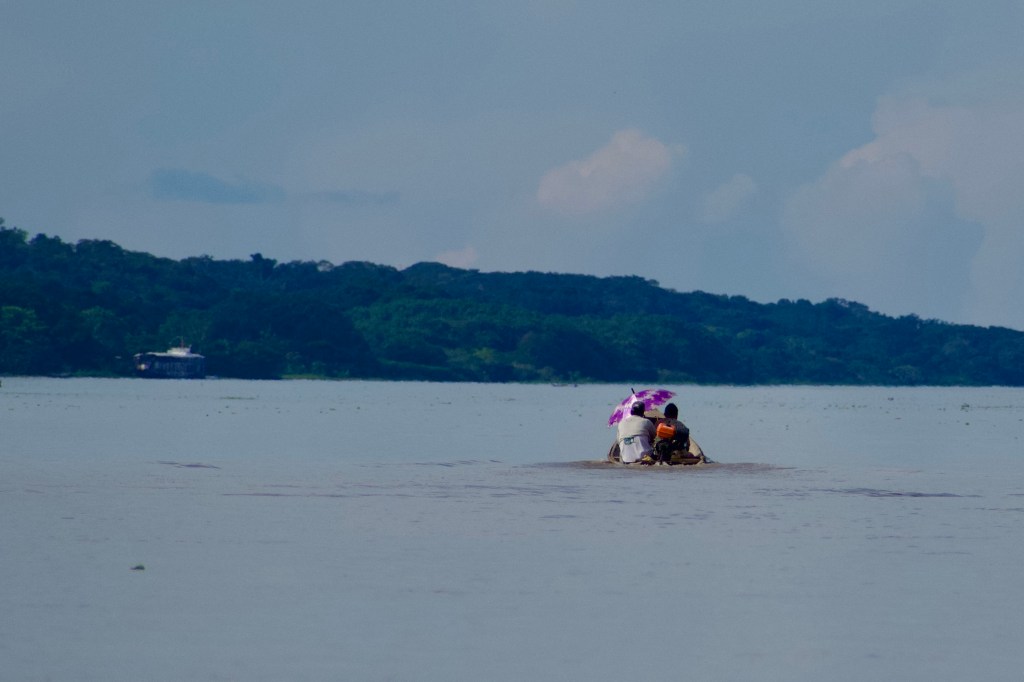
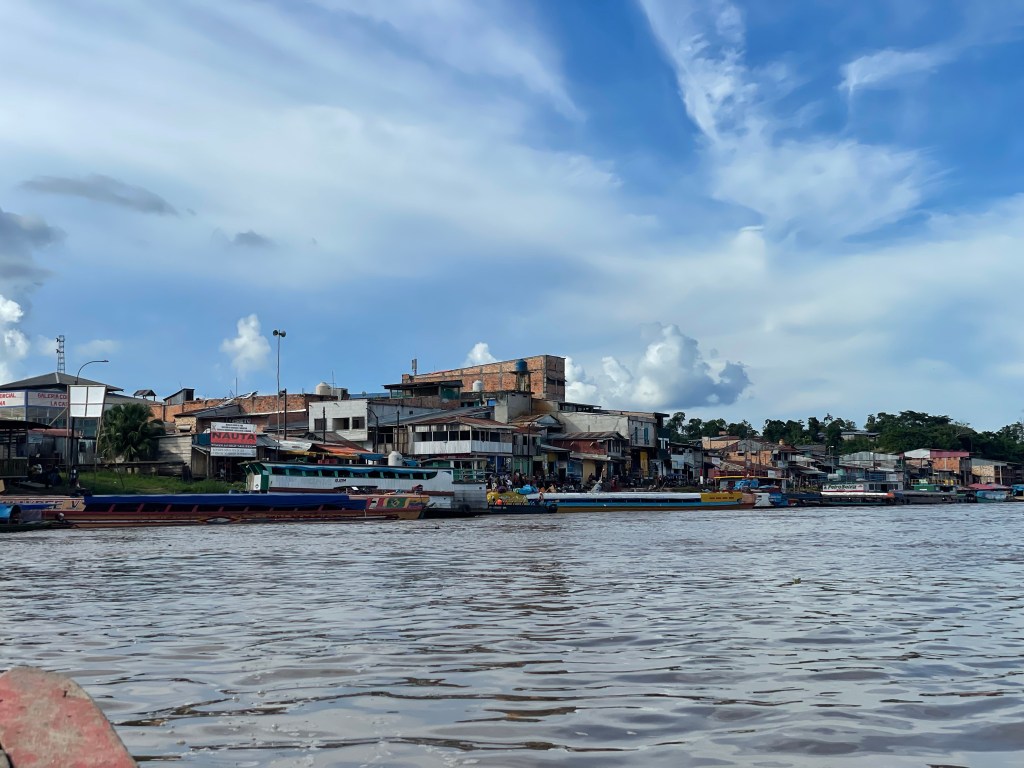
Two hours more on our boat, downstream on the enormous Rio Maranon, and we were back in Nauta. A bustling metropolis with shops and toilets, it was a very welcome landing.
Back in Iquitos we spent two hours washing our clothes in the shower. Somehow it still felt like the best shower ever. Air conditioning is a life saver.
As an interesting footnote, one of the more peculiar things about Iquitos was the complete lack of mosquitos. Perhaps they’ve been attacking them hard to stop the dengue epidemic, but we really weren’t troubled here at all.
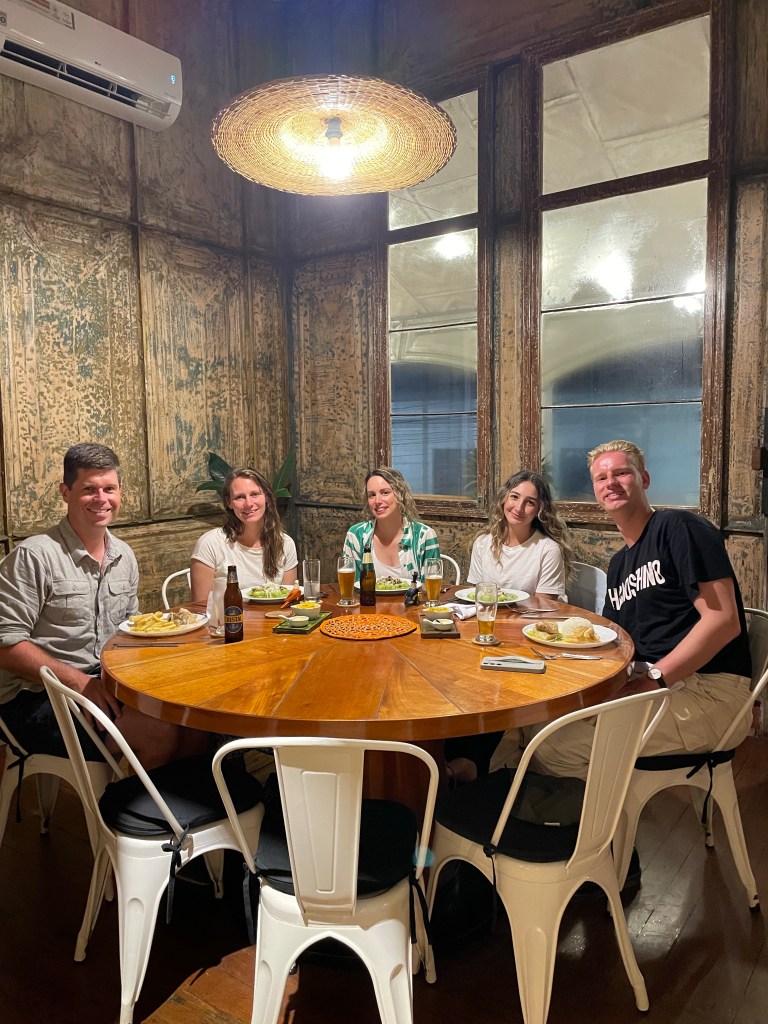
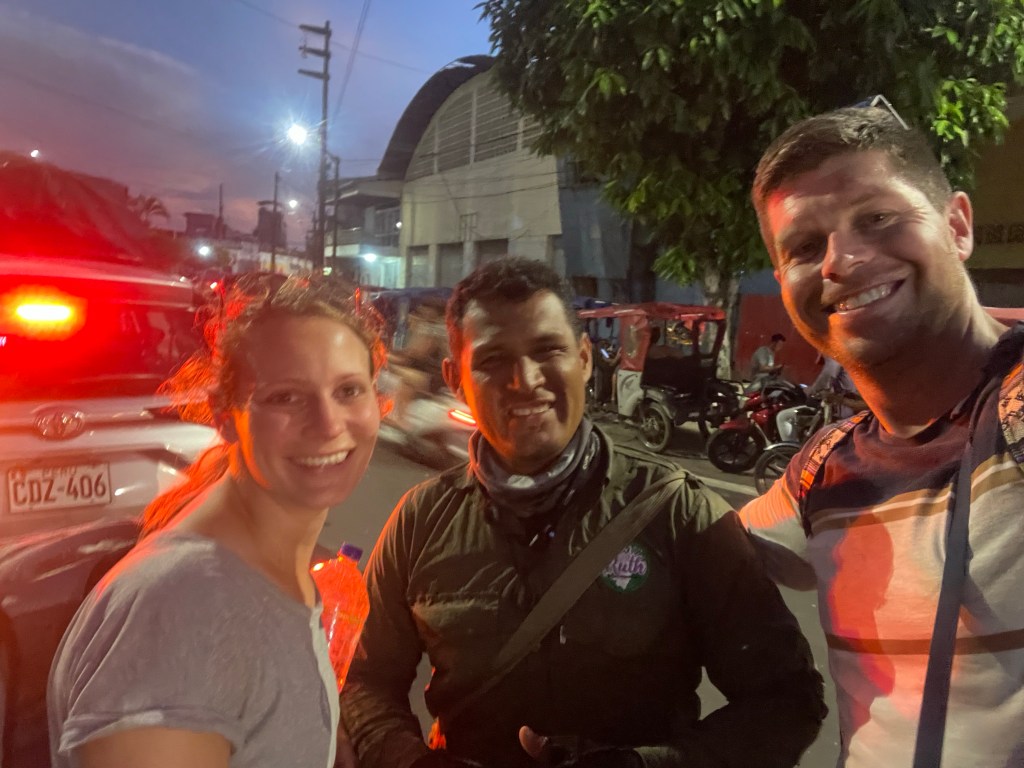
We all scrubbed up and went out for a nice dinner in the Casa Fierro. The food was average, but the company excellent.
 Small Holiday Big Dream
Leave a comment