This is a long one but a good one… so good it’s coming out in instalments.
Iquitos
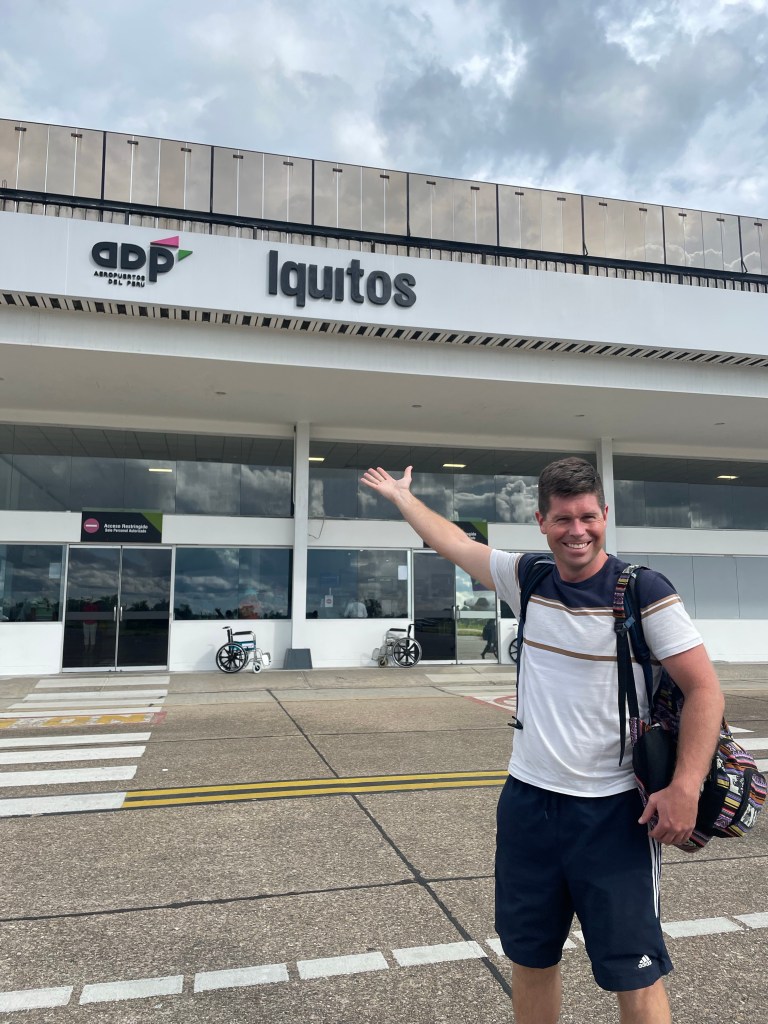
Welcome to the jungle. Most of today was waiting in Lima airport for our flight. We arrived at 5am, promptly courtesy of Cruz del Sur. So had 8 hours to kill.
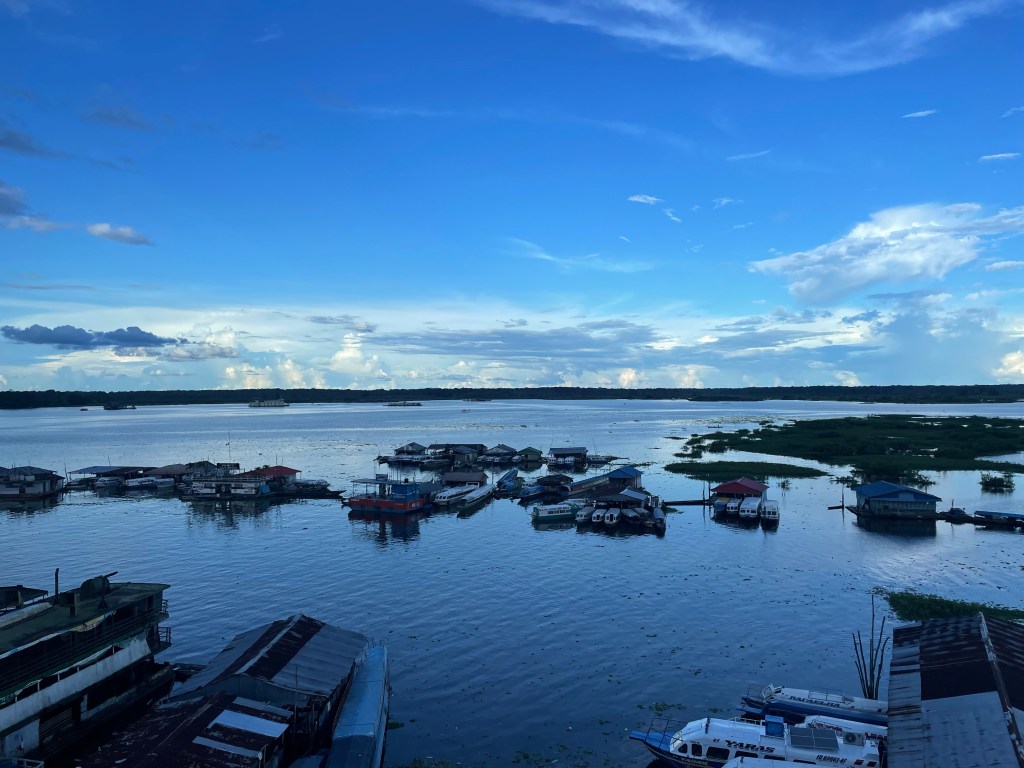
We finally made it to Iquitos and boy is it warm. Fully humid and 30 degrees, even the shortest walk was sweaty.
Iquitos has a good claim to being one of the world’s most isolated cities. Unconnected by road to the rest of the world, the only way in or out is by air, or by the mighty Amazon river.
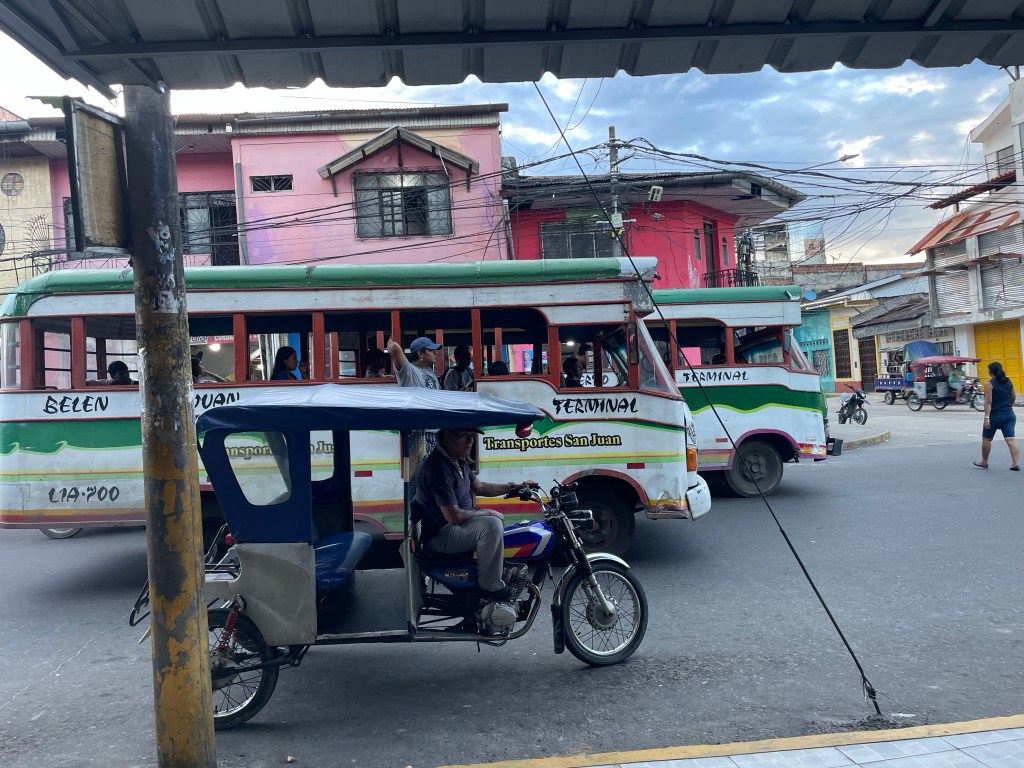
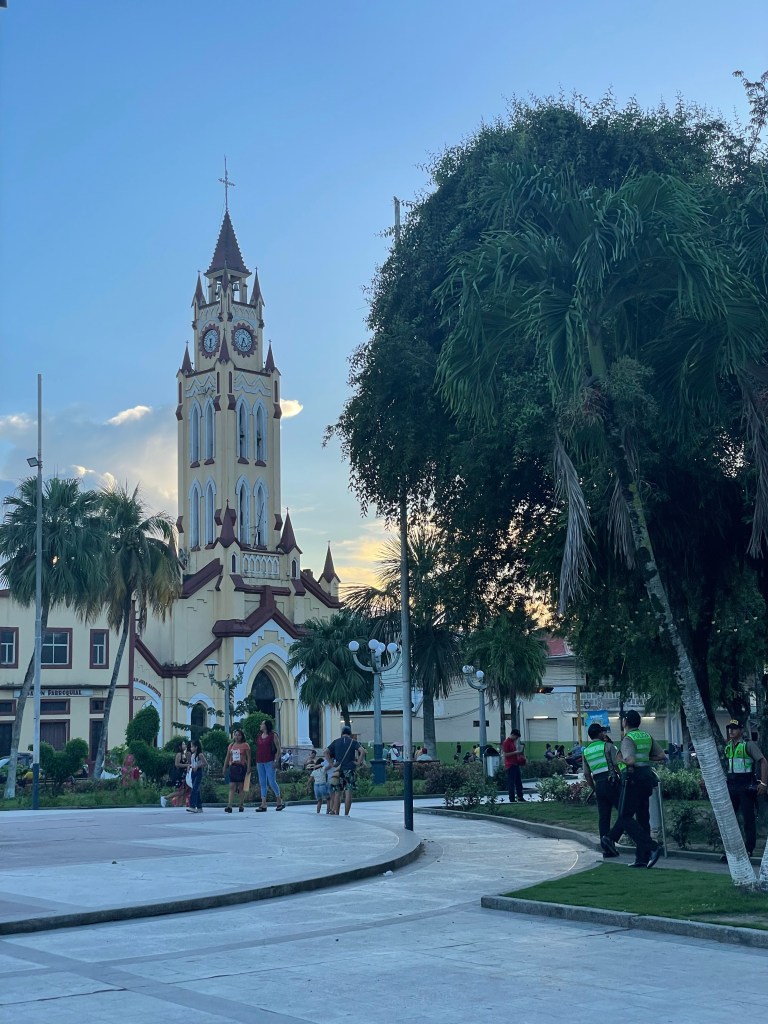
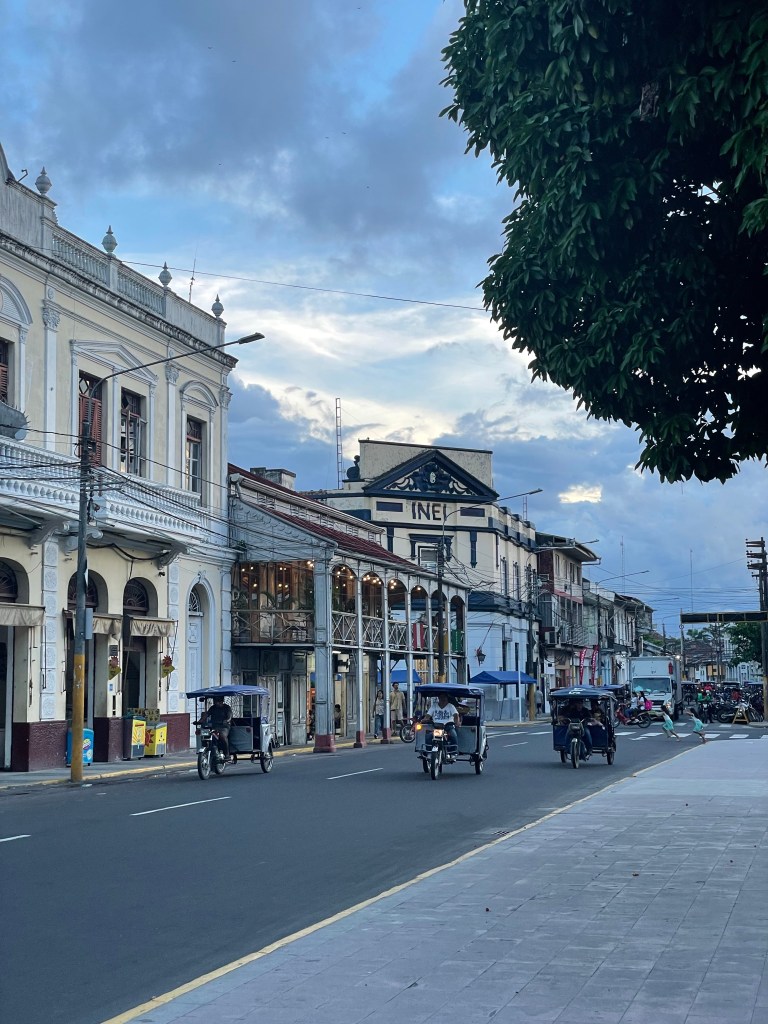
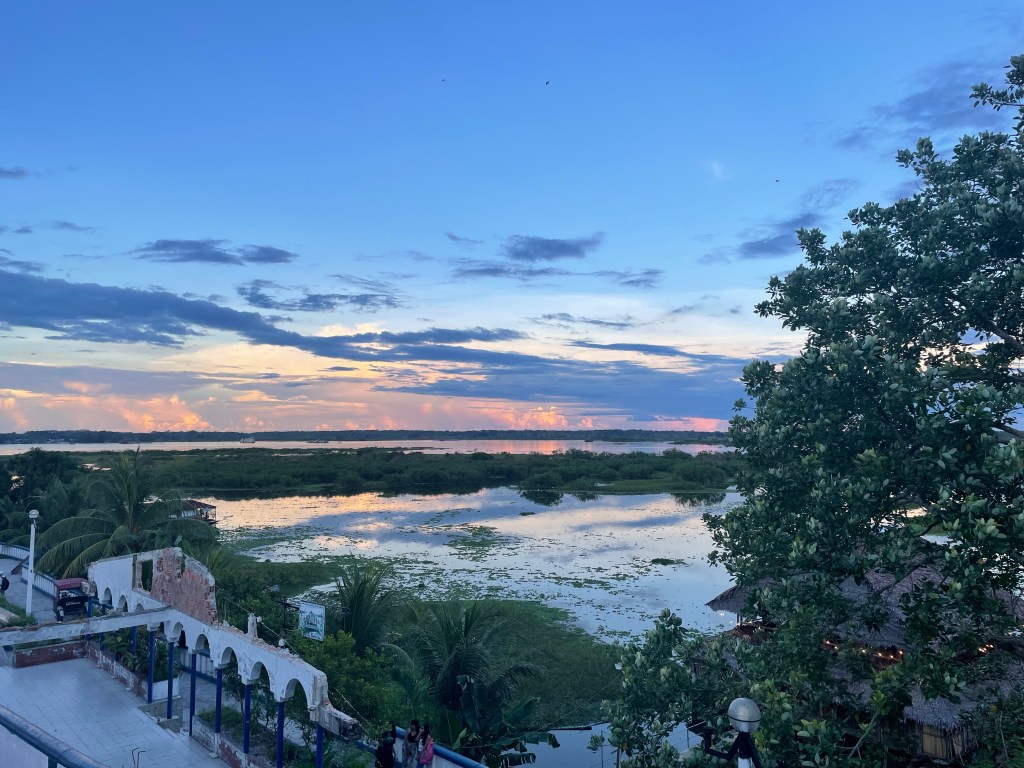
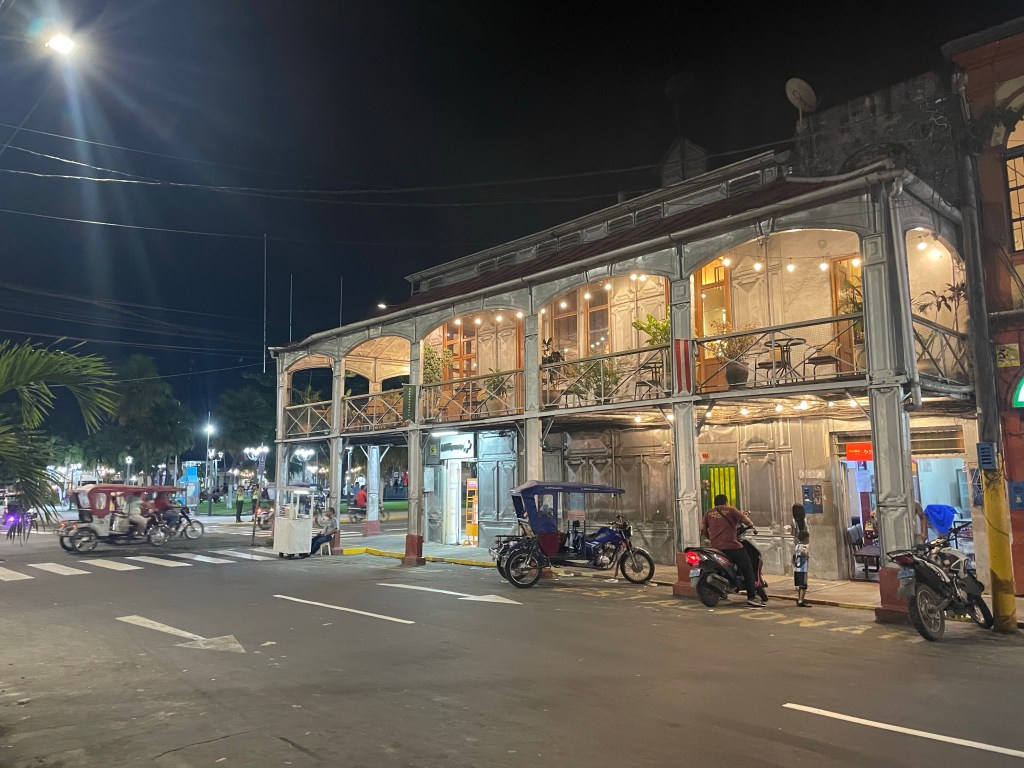
It’s a bustling and shabby city, the roads are full of Honda tuk-tuks, and yet there’s a bit of charm. The main plaza de armas feels safe, and is home to some of the smarter buildings in the city, including Eiffel’s smart Casa Fierro. A prefab house from France destined for a city further upstream, Iquitos was as far as it could get, so it’s now a mainstay of the main square.
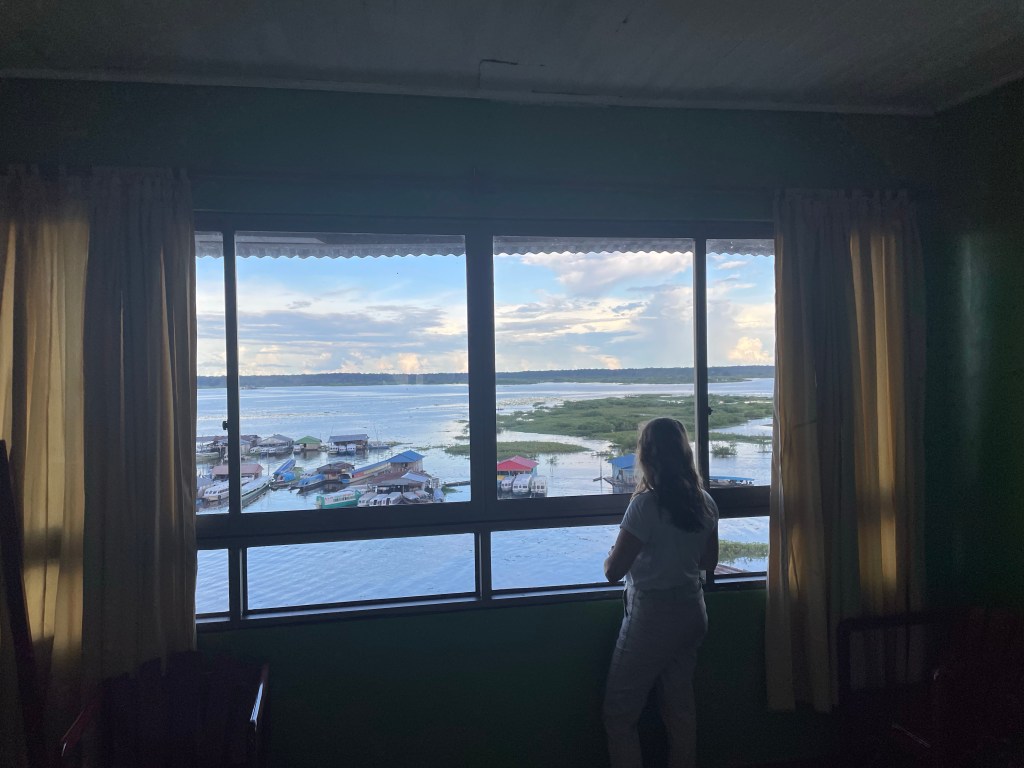
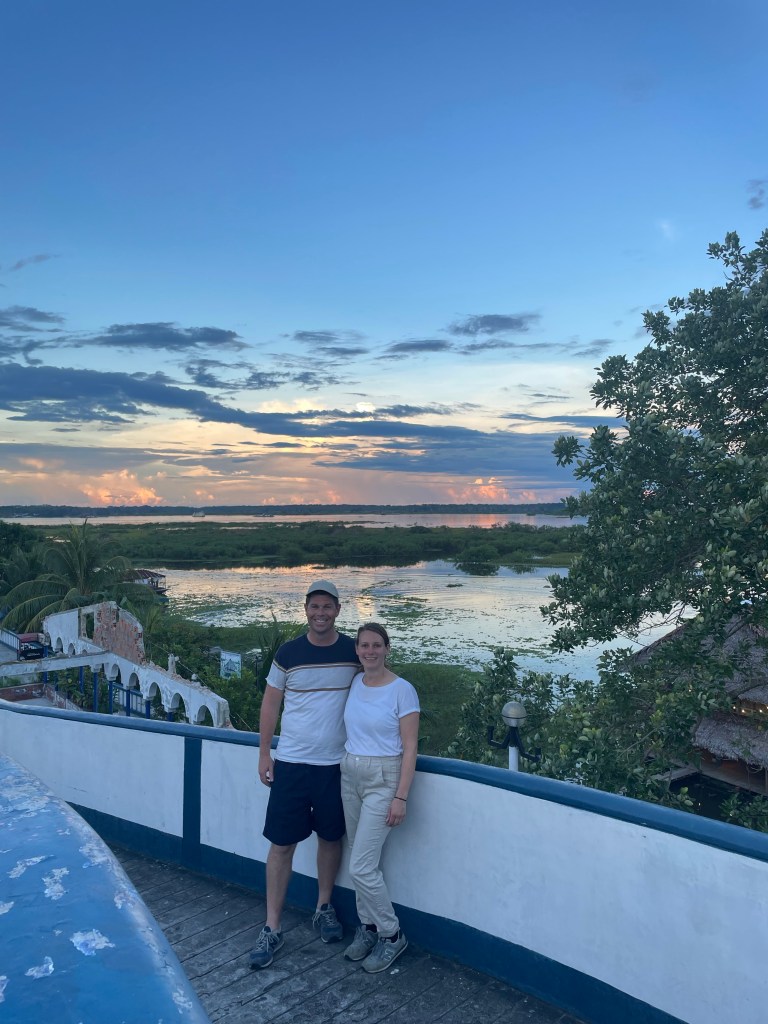
Our hostel was behind the local banana market, which felt dodgy at first, but grew on us. We had an incredible river view and most importantly excellent air con.
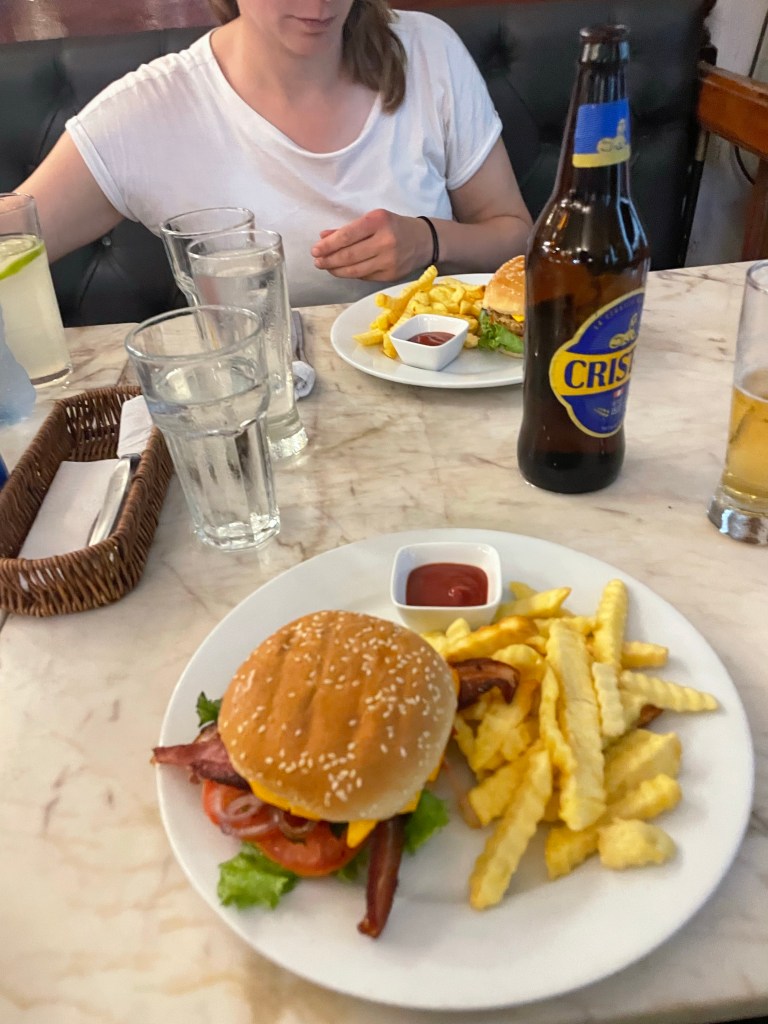
Amazon Bistro was recommended for dinner by our hostel host. An American who moved Iquitos, we should have known better than to trust his judgement. Never trust an American’s food recommendation. However giving benefit of the doubt, it could well still be the best place in Iquitos to eat.
Buenos Aires (in the Pacaya Samiria)
We are here in Iquitos for one thing; to visit the Amazon rainforest.
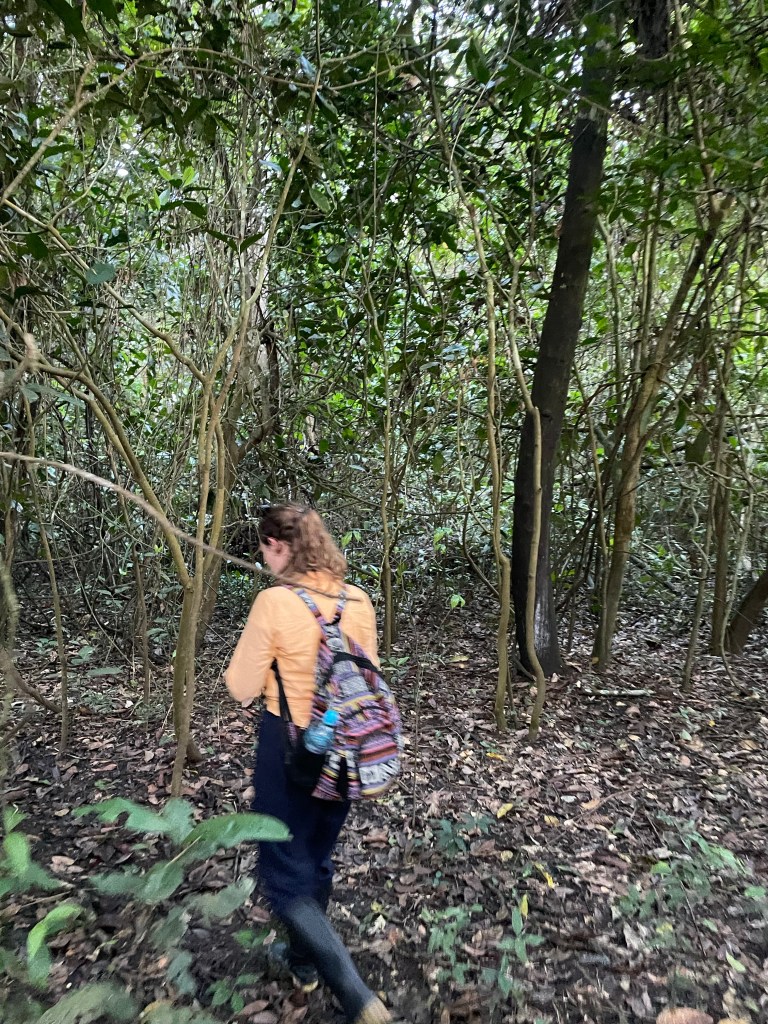
The Pacaya Samiria is Peru’s second largest natural reserve, protecting the important Varzea (flooded forest) ecosystem. This type of habitat is severely threatened by deforestation and climate change, and it’s a privilege to visit. The areas we were visiting were areas of untouched primary rainforest, no human intervention, no regrowth. So it really was a trip worth getting excited for.
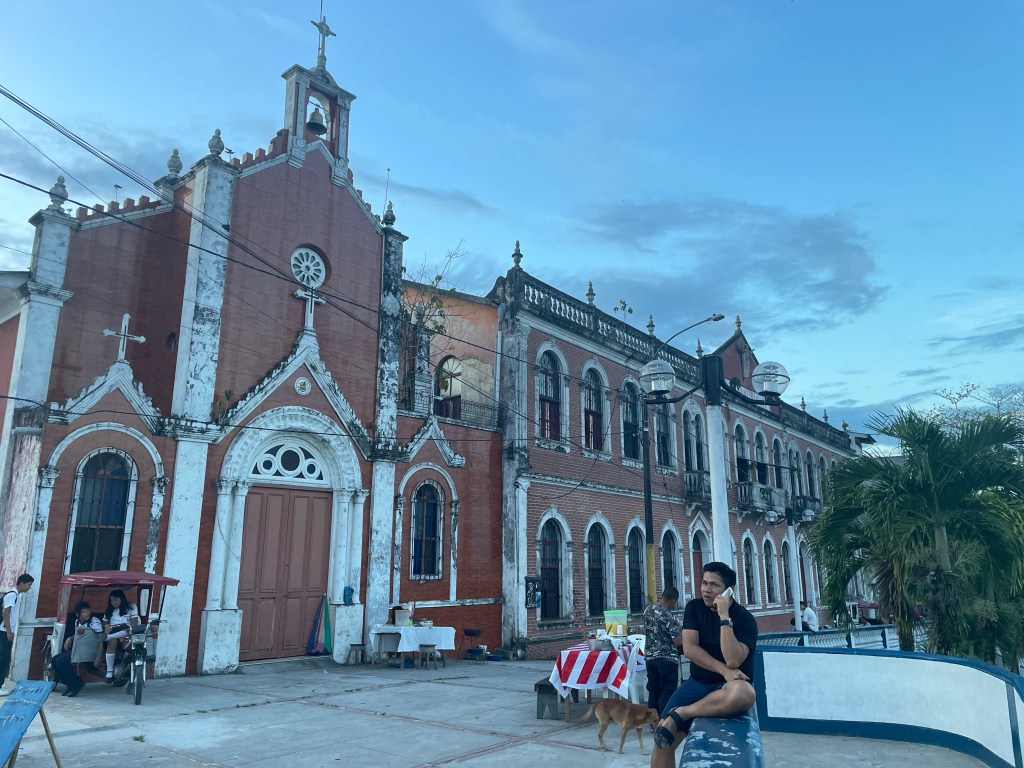
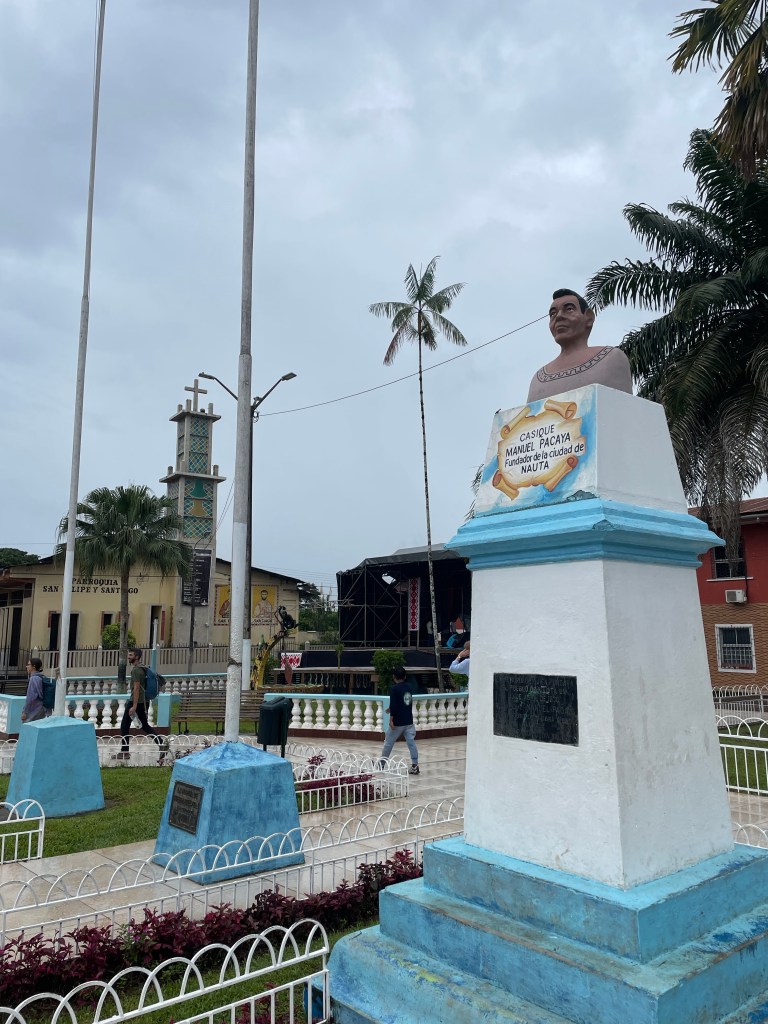
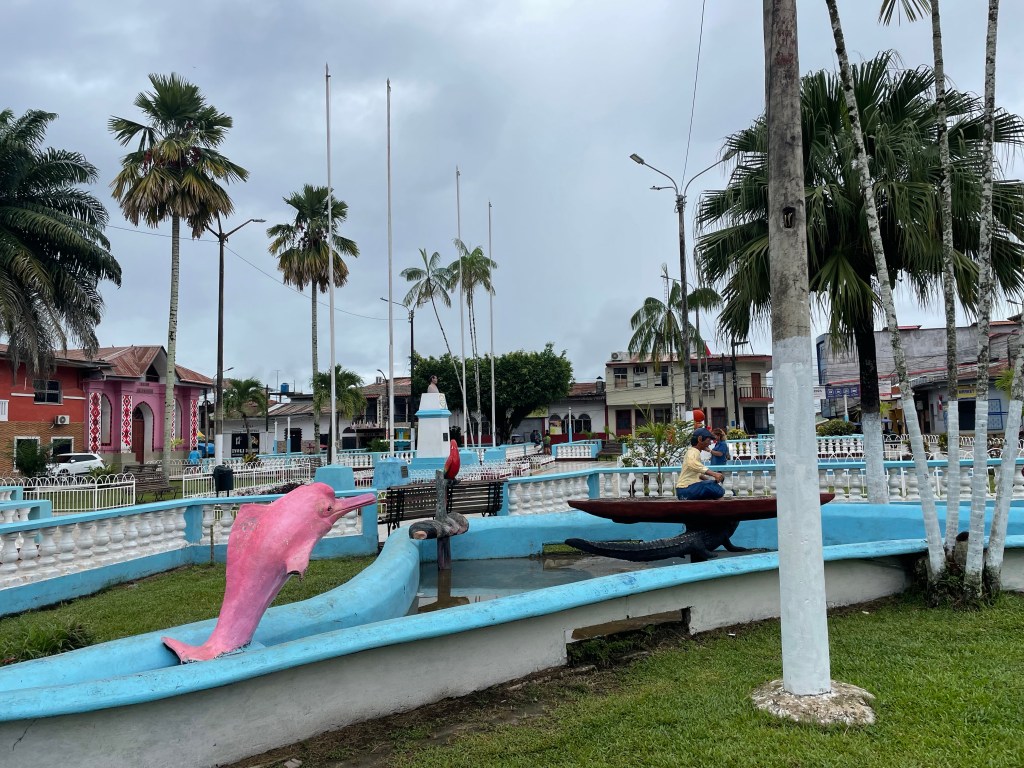
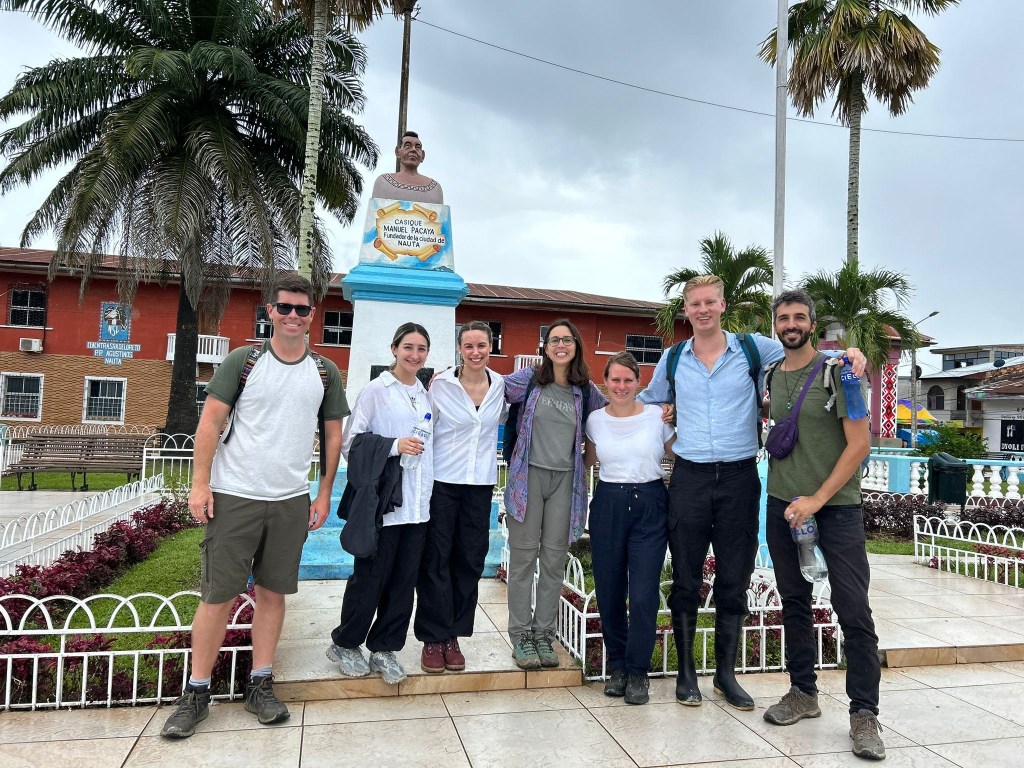
We left Iquitos and travelled an hour south by road. I know I said previously that Iquitos was unconnected to the rest of the world by road, but that’s not true, it’s connected to Nauta. Nauta is a small town on the banks of the Rio Maranon, we looked around and there isn’t much to write home about.
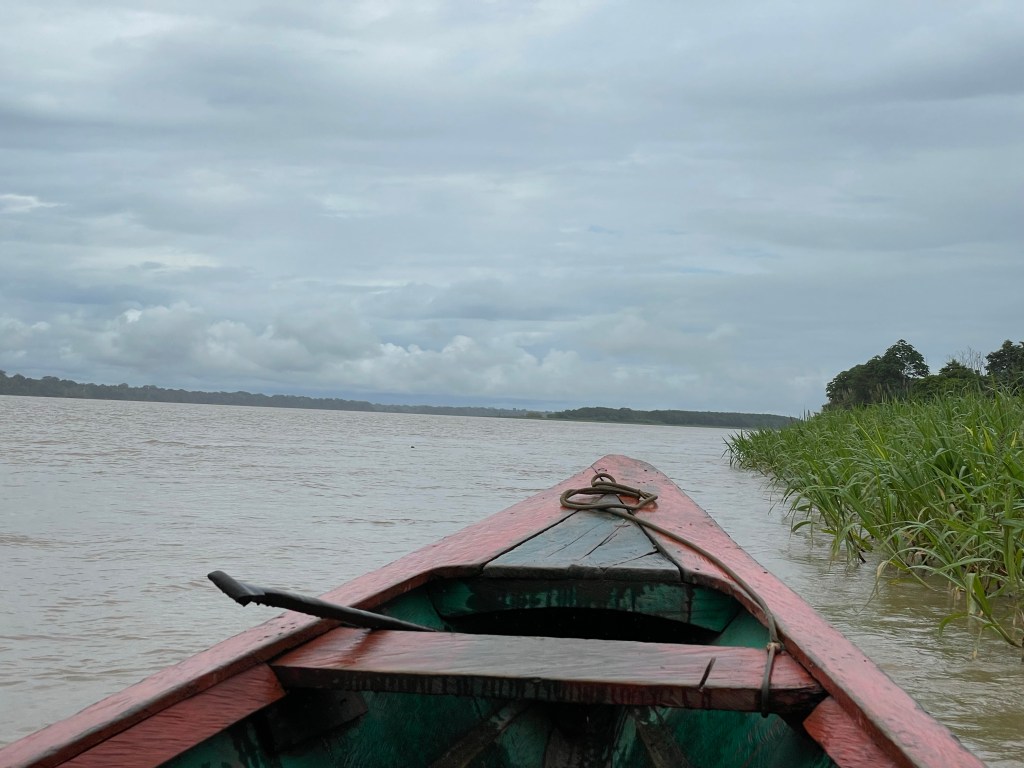
The Maranon river is regarded as the major headwater of the Amazon. Just a few kilometres downstream from Nauta it joins with the similarly sized Ucayali river to form the Amazon proper.
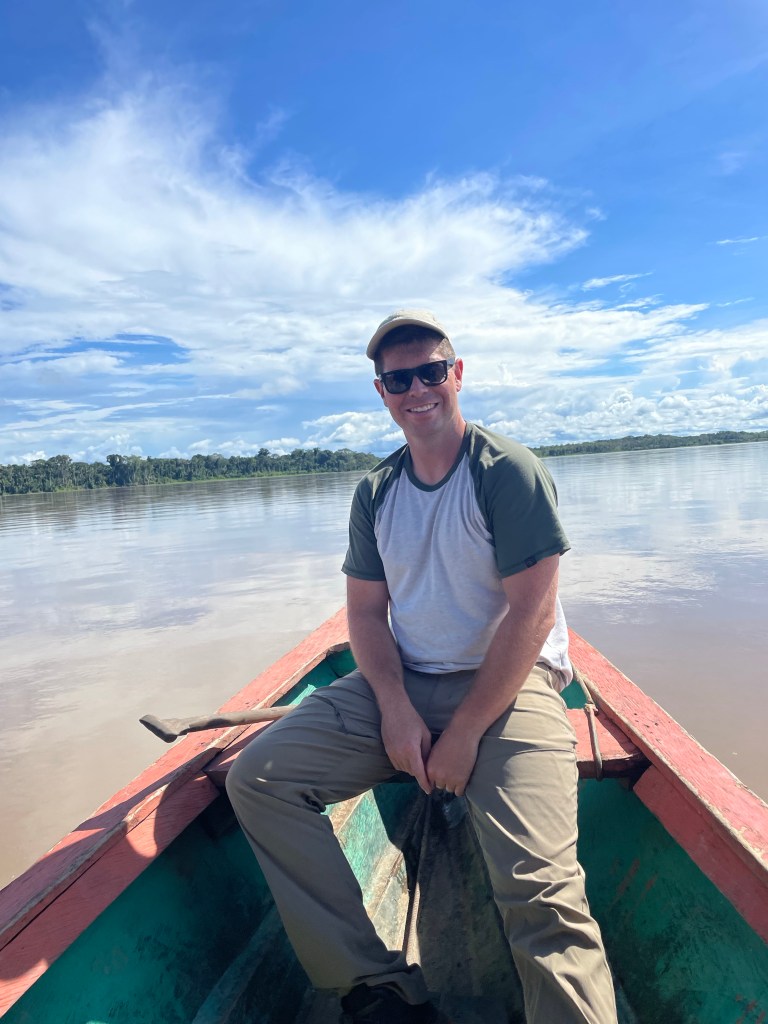
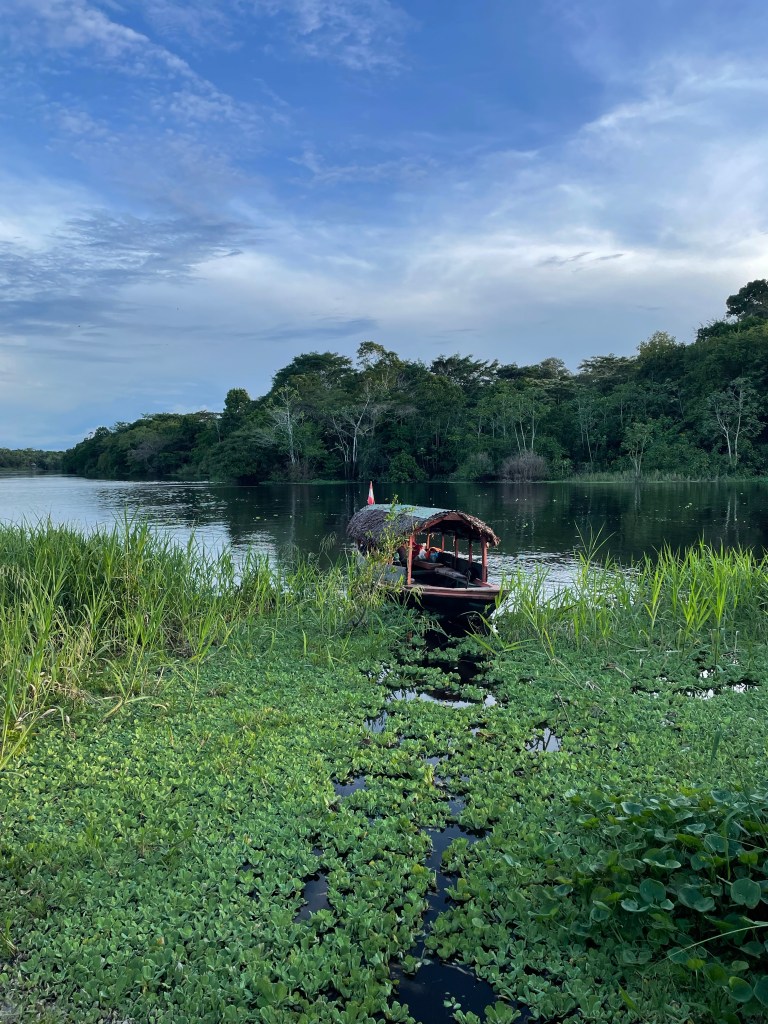
We boarded our boat at Nauta to begin travelling upstream to the reserve. This boat would be our de-facto home for the next three nights. On our trip there were seven:
Fabian, a 6 foot 4 Dutchman, with a shock of blond hair and a limitless supply of linen shirts.
Ana and Carlos, a couple of doctors from Spain on sabbatical.
Yonca and Irina from Berlin, in matching white shirts.
And us.
It’s tough to know who was least suited to the jungle…
Three hours south from Nauta our boat forked off the Rio Maranon into a smaller tributary, progress upstream had been slow as the currents were so strong. We made a stop to enter the reserve. There was a small exhibition of information, and some models of various fish. Little did we know that information was gold dust.
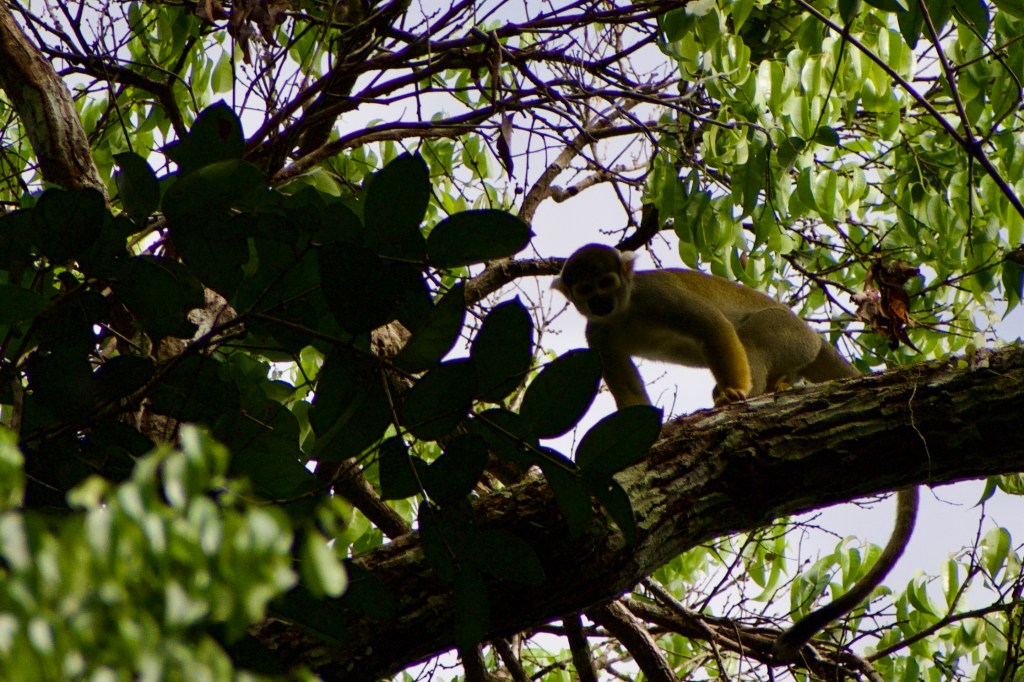
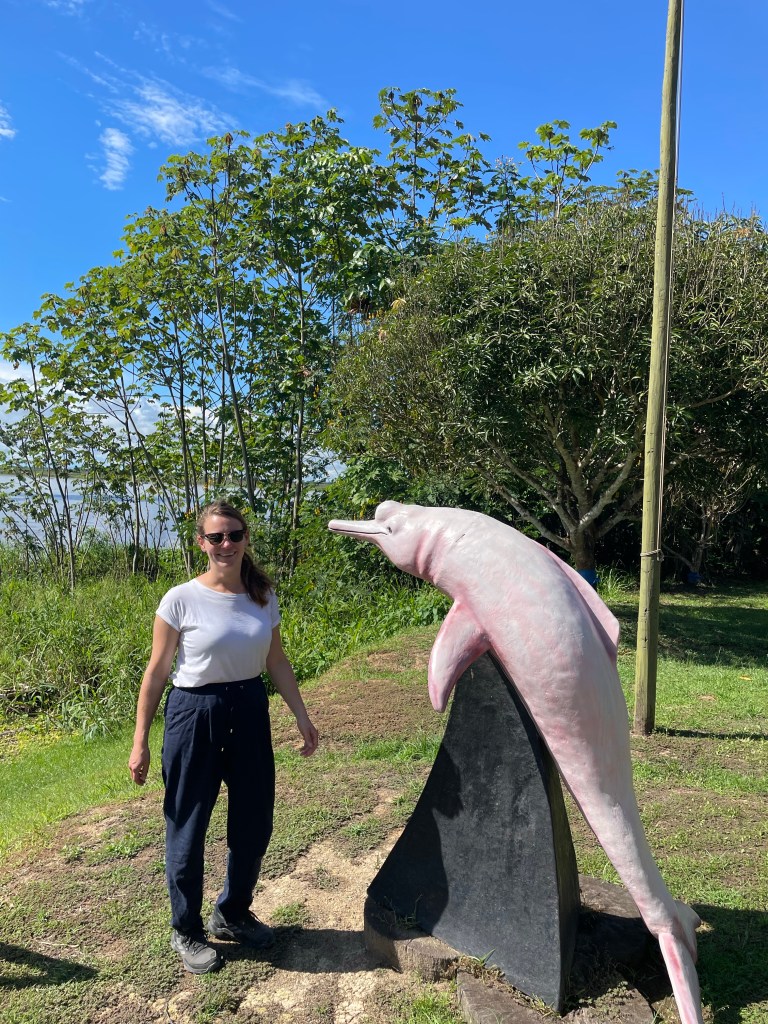
45 minutes more on the boat and we reached the village of Buenos Aires. A few families seem to live here on the banks of the river. They aren’t natives, just Peruvians whose families have elected to live in the jungle. Accommodation tonight was in the huts, so pitching a tent was unnecessary. Before dusk we travelled by boat to see some river dolphins, and to try to find a sloth in their favourite trees on the opposite river bank. We did spot some dolphins, and also some yellowish capuchin/fraile monkeys. Without luck on the sloth front we returned to camp.
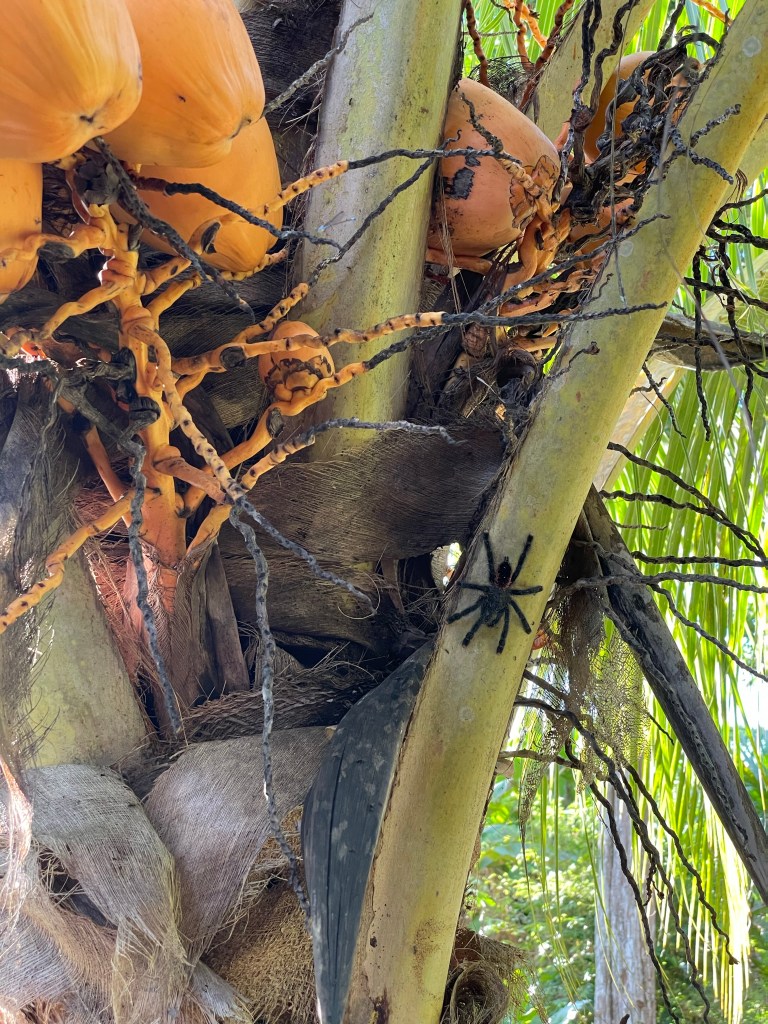
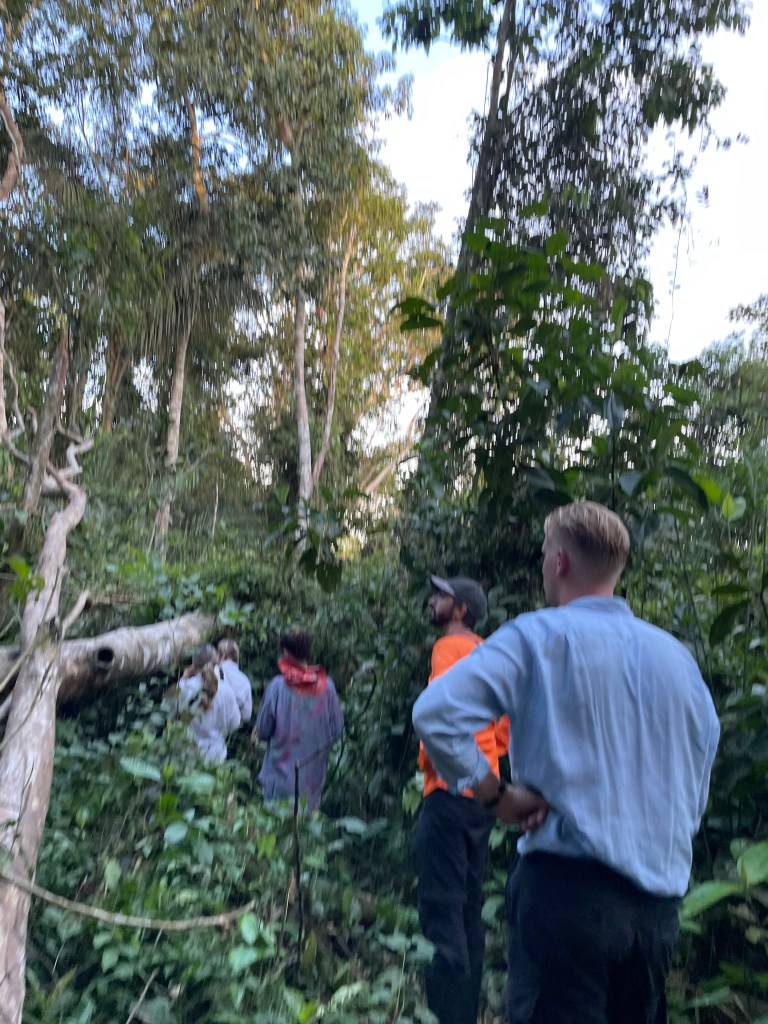
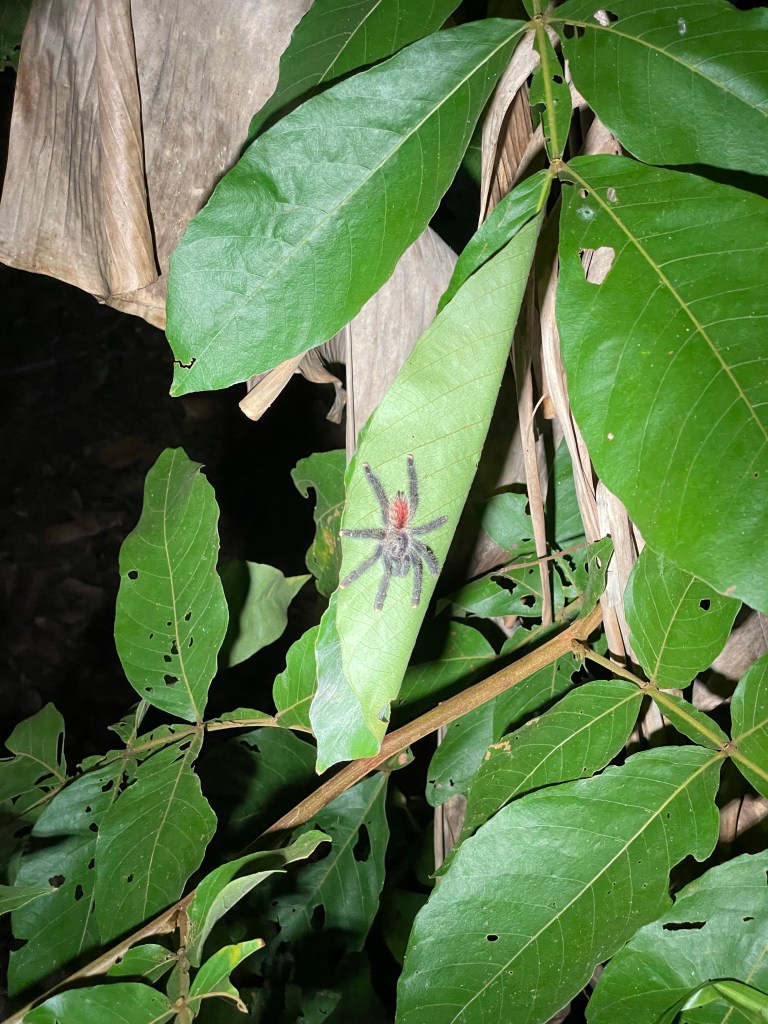
After dinner we went for a walk around the village. The star attraction was the tarantulas, which inhabited almost every palm tree. There was a smorgasbord of other spiders on display, some nearly as big as tarantulas, some smaller but way more deadly. We also got the chance to inexplicably scare a snake out of its tree for some reason.
Towards the end of our walk we were offered the chance to hold a tarantula, so we did. Well I did, Sarah did not.
Mosquitos were everywhere, doubly so just after dusk. Whilst it was still over 30 degrees, a long sleeved top and trousers were especially useful.
During the evening walk, Mike discovered a hole in his wellies. There’s nothing more fun than three more days of wet feet. A makeshift fix of melting some plastic into the hole didn’t seem to stick.
The accommodation was comfortable. Double mosquito nets meant we had a reasonable night’s sleep. That’s despite the scorpion who had made himself at home in our room. It had started to rain. So everything had come indoors, including a banana spider who seemed to live in our bin.
The next two nights would be different as we would be camping in tents. Many of the group were less than excited.

- The infamous Binga-Karoi road
- Mana Pools: A bucket list location?
- Camping Among Lions: Chitake Springs Experience
- Chirundu: The worst border in the world
- The Wild Dogs of Jeki: Sunrise in Lower Zambezi
 Small Holiday Big Dream
Leave a comment