Sarah woke up very worried. She’d read bad things about Valparaiso, how it’s the most dangerous city in South America and it’s dirty and how we surely wouldn’t get out with our lives.
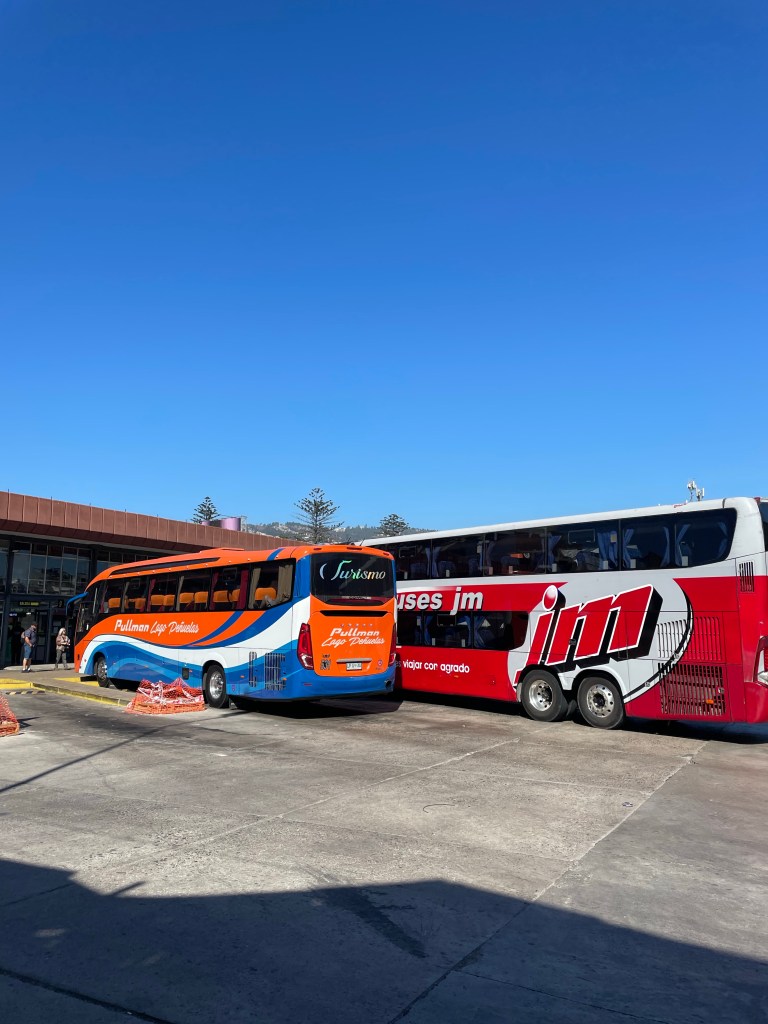
Mike was determined to go, so dragged her out of bed and onto the Santiago metro. Pajaritos is the place to catch the bus, it’s a metro station out to the west, and well into the less well-heeled areas of Santiago.
Luckily catching a bus was straightforward, and despite understanding very little of what was said at the ticket office, we were in a bus to Valpo within 10 minutes of arriving at Pajaritos. The ride was cheap, at 7,000 CLP (£5 ish) each, yet comfortable and quick. Barely 90 minutes later we were at Valparaiso bus station wondering how on earth to get to the start of the free tour without dying.
The tourist information man at the bus station was super helpful (only in Spanish). He made sure to sign us up again to the free tour we had already pre-registered for, and pointed us in the direction of the trolley buses to Plaza Sotomayor. The ride took 20 minutes and cost us 350 pesos (30p) each, a bargain.
Valparaiso consists of many hills covered in colourful houses, 42 hills is the count claimed in the tourist bumpf, but this seems unverified. What is clear though is that the hills surround a flat area known as ‘El Plan’ (The Flat), and this area comprises the bustling and scruffy centre of Valparaiso. It’s also where the bus station is located. We had read bad things about the area around the bus station, but all seemed fine and safe in the late-morning. We were starting to think the warnings around the dangers of Valparaiso were a bit overstated.
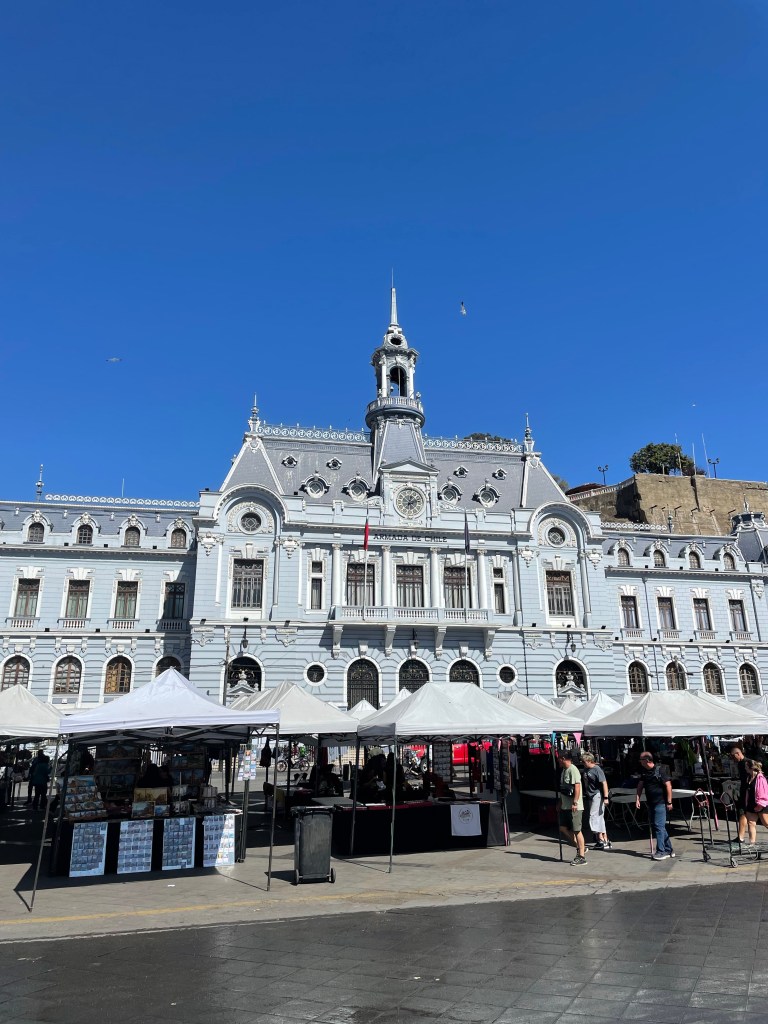
To the northwest of The Flat is Plaza Sotomayor and the main official buildings of Valparaiso. Large and imposing bank buildings and ornate governmental buildings from the early 1900s surrounded the square. They wouldn’t have looked out of place in London or New York, however many of them were covered in graffiti (not the nice kind either) and looking a bit dilapidated.
Many buildings in Valparaiso were destroyed in an earthquake in 1905, which explains the ornate rebuilding of the city during a time when there was clearly more money around. Up on the hills the buildings are different, many originally built from adobe and covered in colourfully painted corrugated metal sheeting. These are the areas famed for their graffiti and murals.
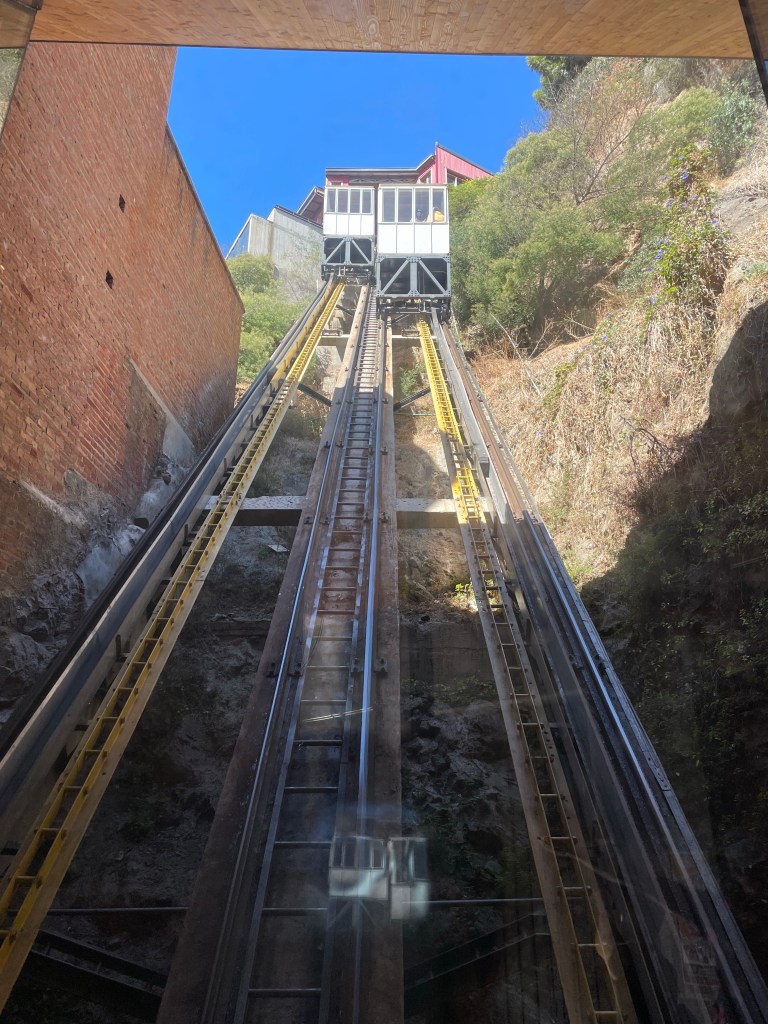
Our free tour first took us up the Concepción Funicular, the oldest in Valparaiso and the sixth oldest in the world (allegedly). The lift took us up to Cerro Conception the most touristy neighbourhood in town, full of brightly coloured houses and graffiti. We crossed into Cerro Alegre, another smart looking neighbourhood with more graffiti and murals. There we saw the smart Barburizza Palace, named after the cruel mine owning Croatian businessman who bought it from the family which built it using cash from the mines where he didn’t pay his workers in real money.
Two funiculars later and we were in a more working class neighbourhood. Home to Valparaiso’s put upon dock workers, unionisation was a proud moment in their history. As was the first organised strike, a tactic learnt from the comuna’s burgeoning French population. I was the only one on the tour who let out a laugh, few brits obviously.
The funiculars cost the free and sum of 100CLP to ride (about 10 pence), except for the concepción ascensor which set us back 300, and we loved it so much we rode it twice!
Prime position on the hill overlooking the port was reserved for the city’s old armoury. Now home to the museum of Thomas Cochrane, Chile’s rent-a-Captain for the liberation, it was closed.
Many buildings had recently burned down. As of the earthquakes weren’t enough; Valparaiso is a city historically plagued by fires, a hallmark that’s proven difficult to shake off. It’s most evident in Barrio Puerto, the oldest and perhaps the roughest area of town. Multiple buildings with blown out windows and the ashes of the inhabitants belongings lined the streets.
Central market had been faithfully restored recently, having been derelict after a succession of fires and earthquakes. The free tour ended here on the rooftop with a panoramic view of the city. After we split we found an even loftier rooftop in cerro conception serving empanadas.
The trolley bus back to the bus terminal was recommended as the drivers are less likely to kill you. Valparaiso bus drivers are notorious for their five star (⭐️⭐️⭐️⭐️⭐️) driving. That’s GTA stars not Uber stars.
However even the trolley bus driver managed to shake off his tail. Unfortunately his tail was the pantograph, and our bus was left without power.


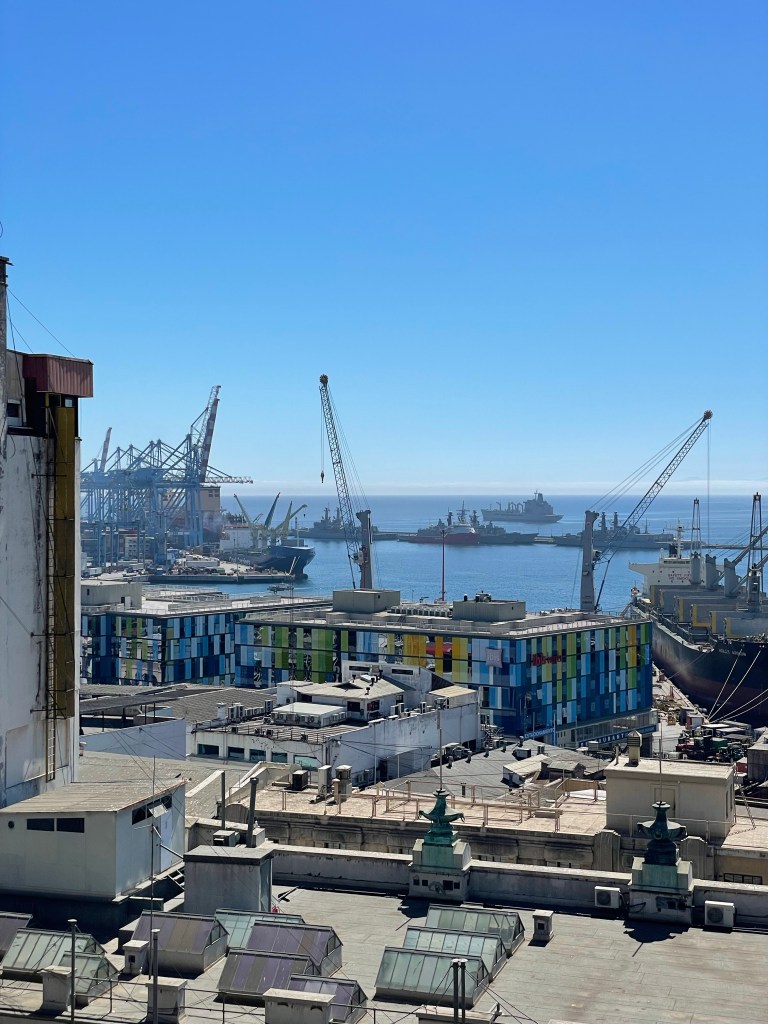


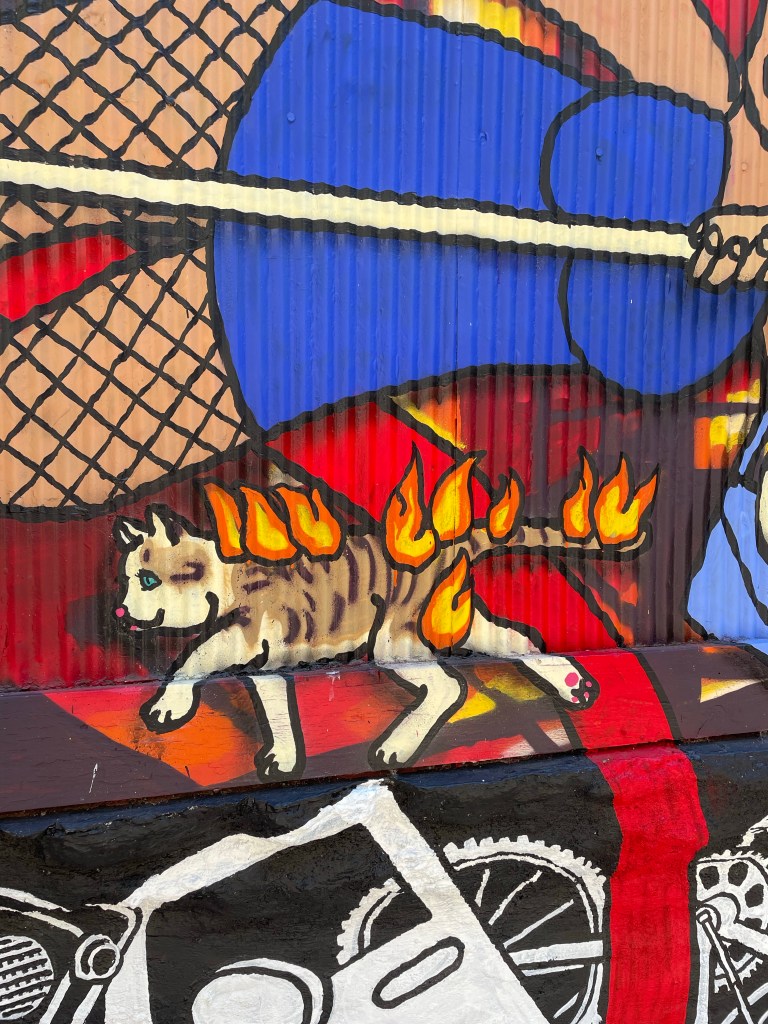


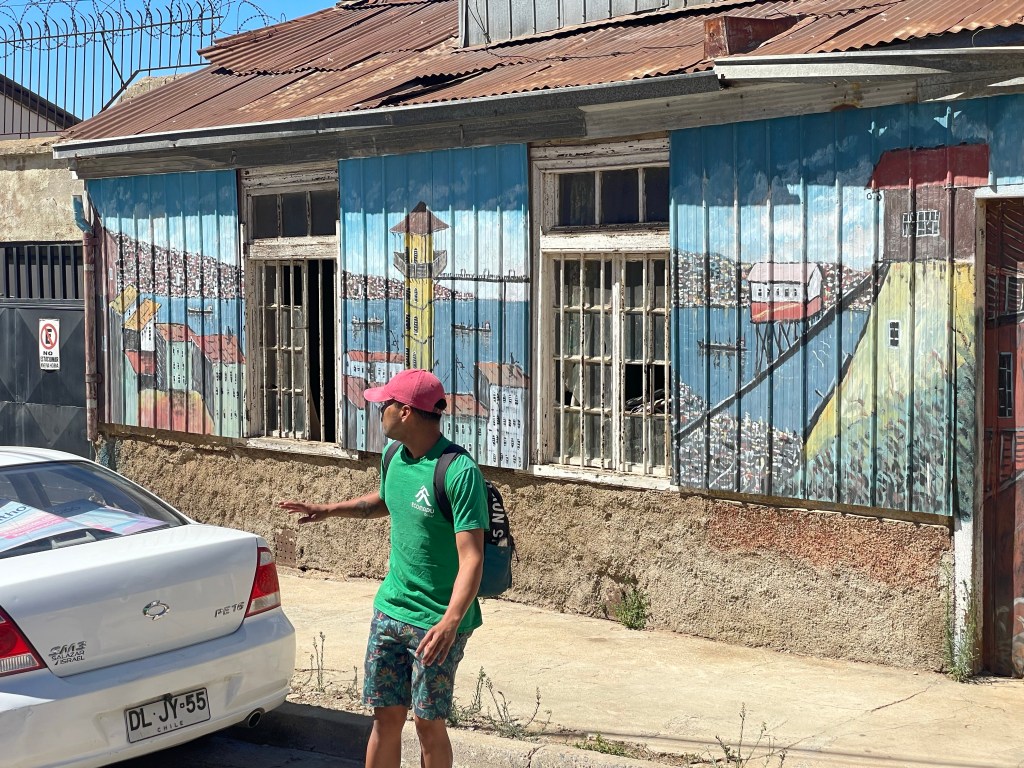
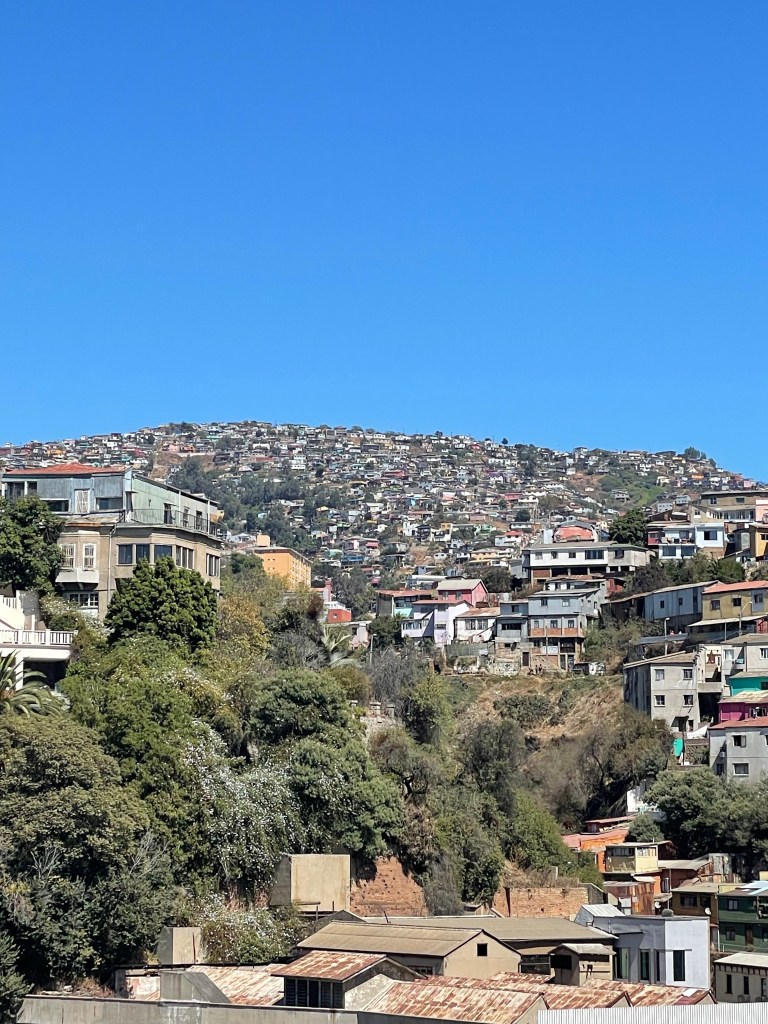
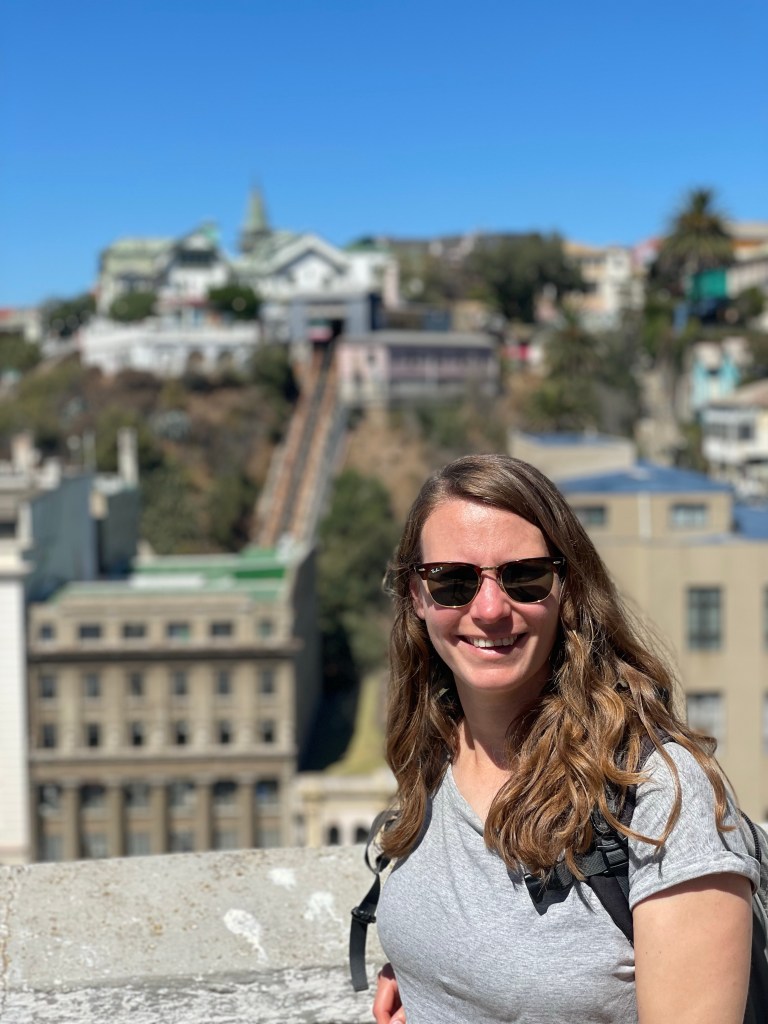


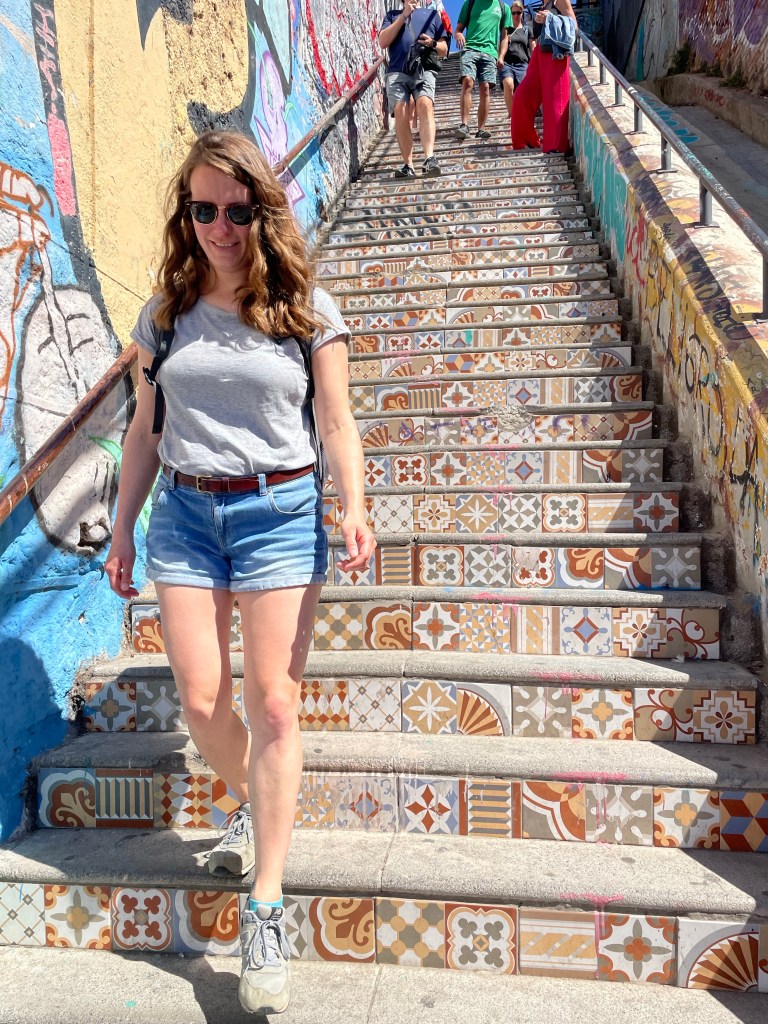


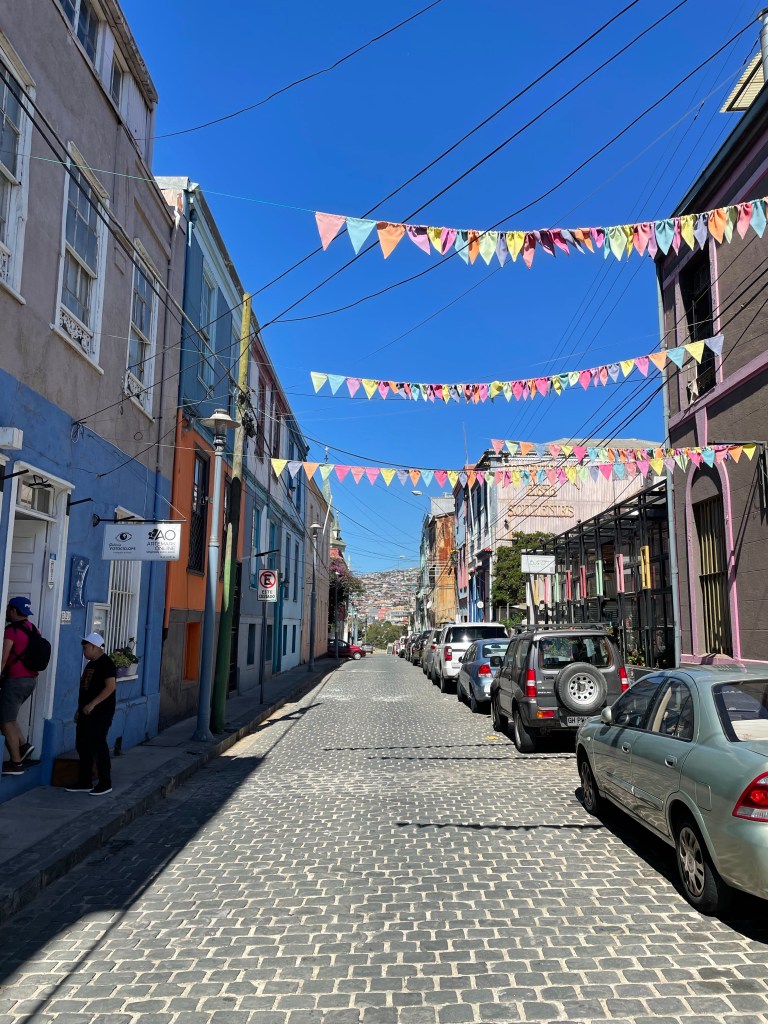
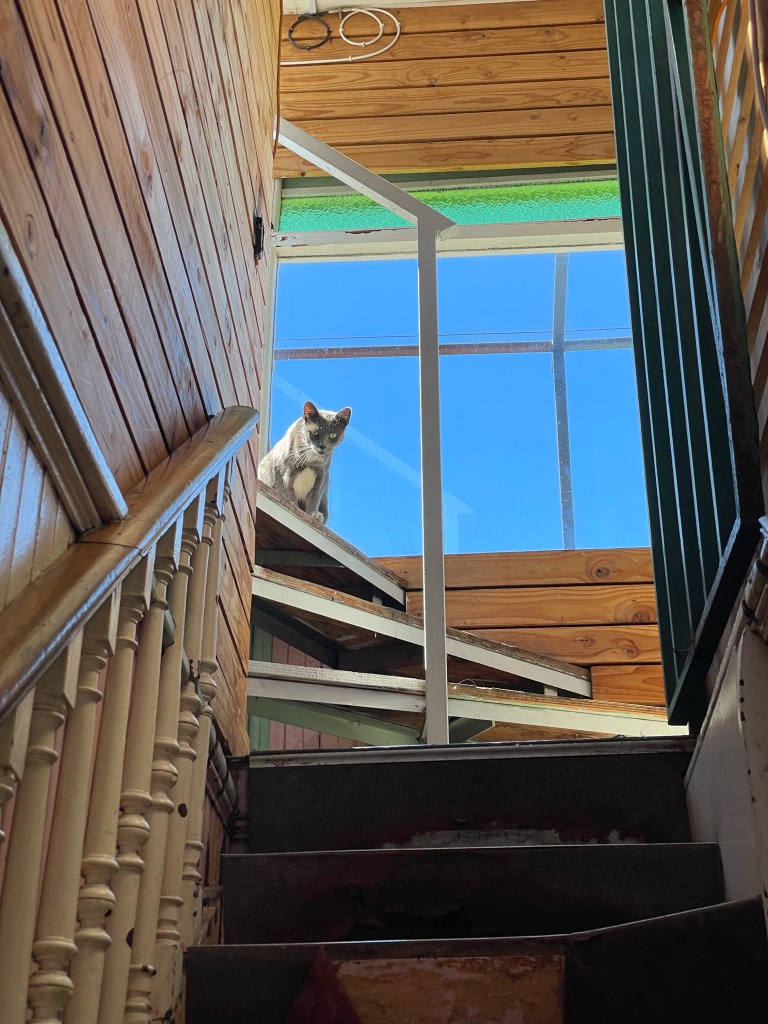


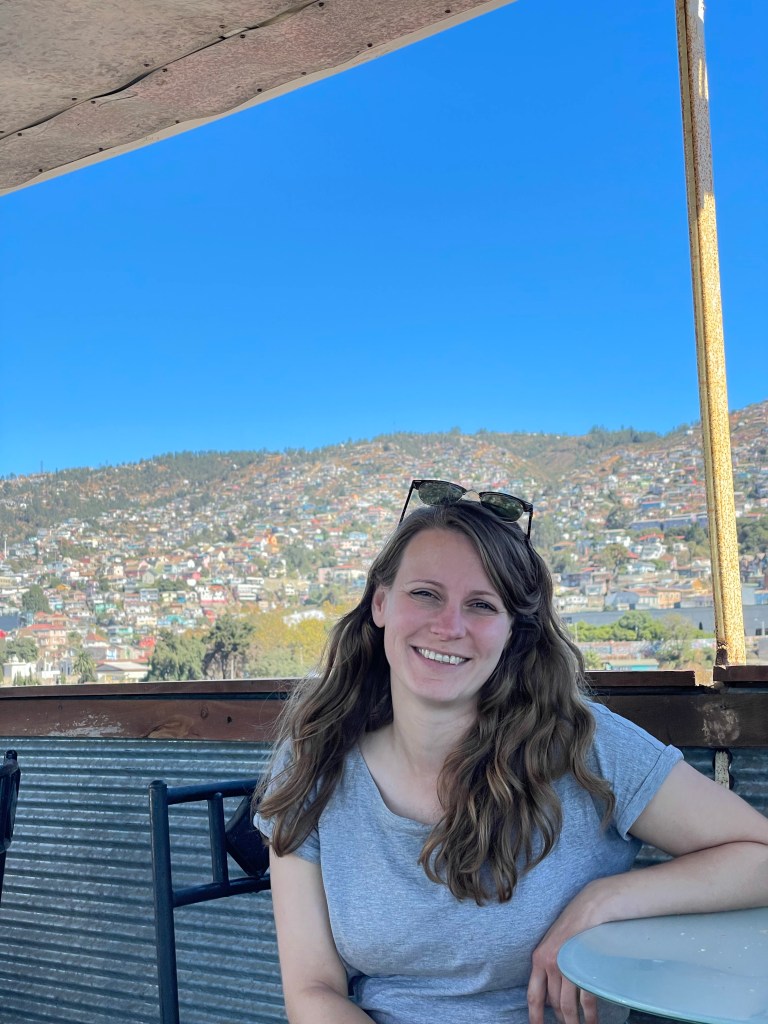

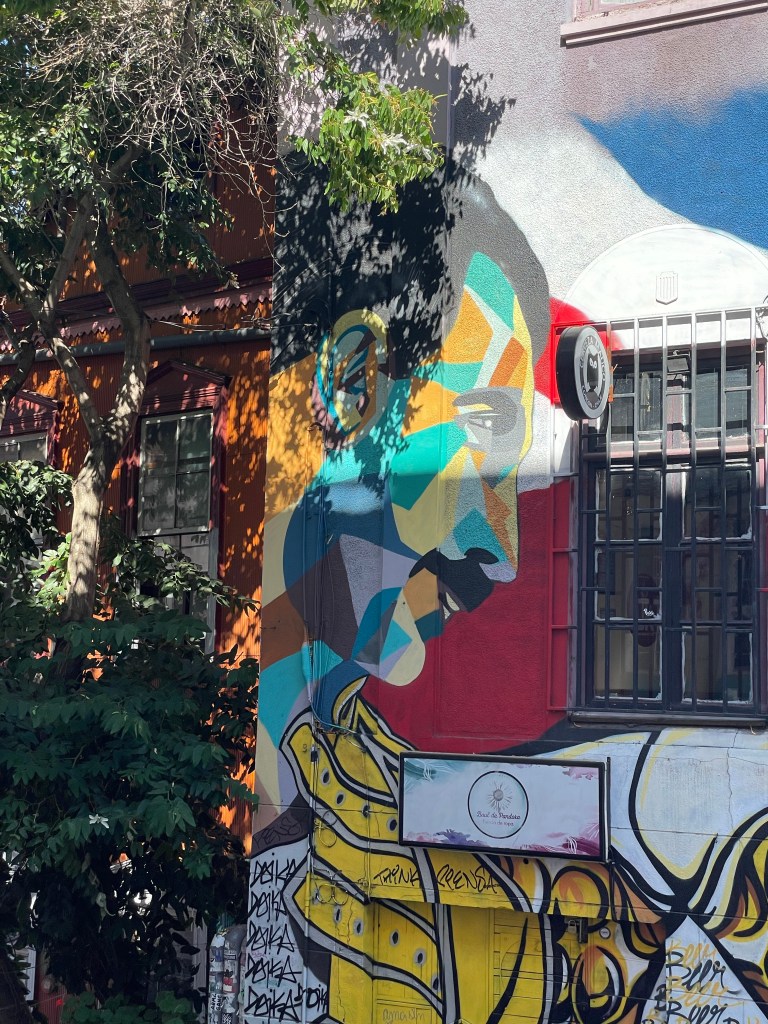
We left Valparaiso without dying, and in fact had a fantastic day. The city is clearly a shadow of its former self, but the colourful street scenes and unique buildings make up for what it lacks in polish. In hindsight we could possibly have stayed there without worry, but a day trip was more than doable from Santiago.
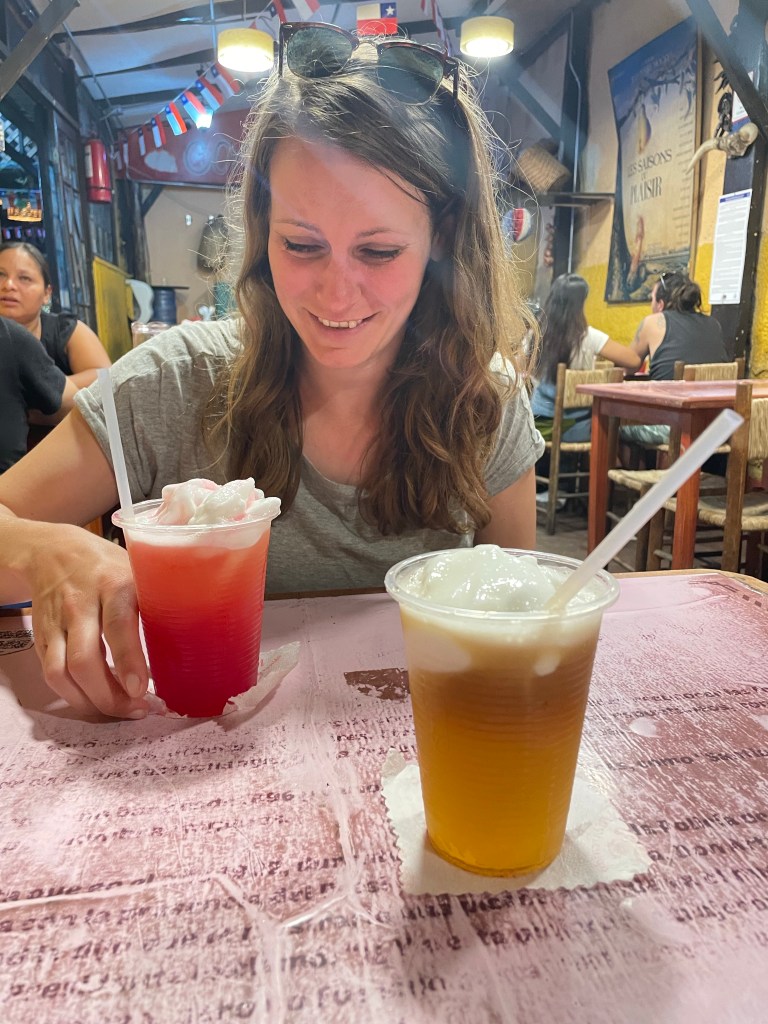
In fact we were back in the capital in time to visit the famed institution La Piojera. A fairly unassuming bar near the central tourist market and notorious pickpocket and petty crime blackspot, La Piojera is famous for its signature cocktail the terremoto (earthquake). Chileans up and down the country wax lyrical about the cocktail, and therefore we ought to have one.
A terremoto consists of a certain cheap type of local white wine, with a dash of grenadine and topped with pineapple ice cream. All served in a plastic pint glass, it’s pretty gross and terribly sting at the same time. We are glad to have tried it, but are unlikely to have another…



- The infamous Binga-Karoi road
- Mana Pools: A bucket list location?
- Camping Among Lions: Chitake Springs Experience
- Chirundu: The worst border in the world
- The Wild Dogs of Jeki: Sunrise in Lower Zambezi
 Small Holiday Big Dream
Leave a comment