This time we’re on the drier side of the Andes and heading towards a much busier and more populated part of the world.
Trevelin – little little Wales
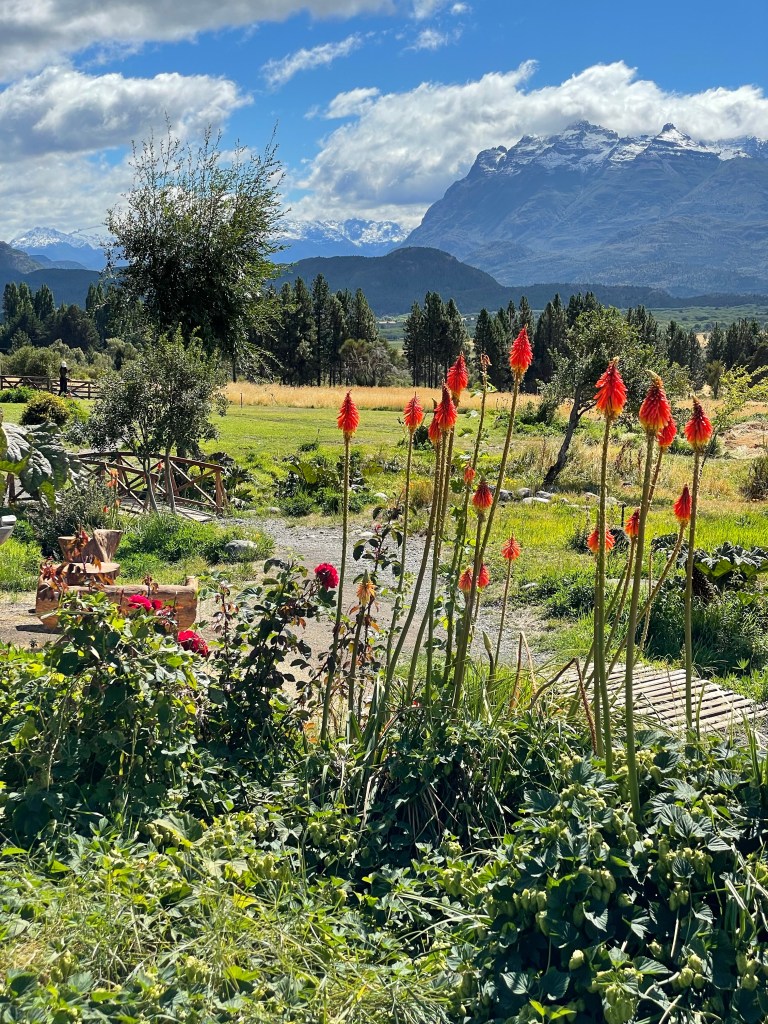
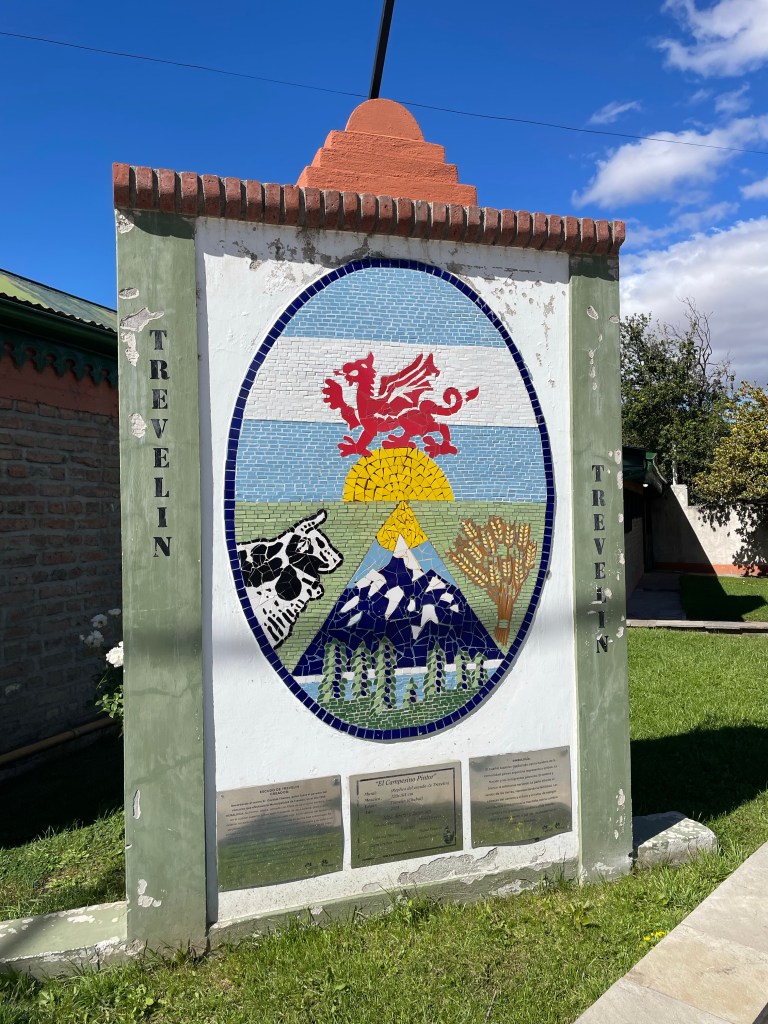
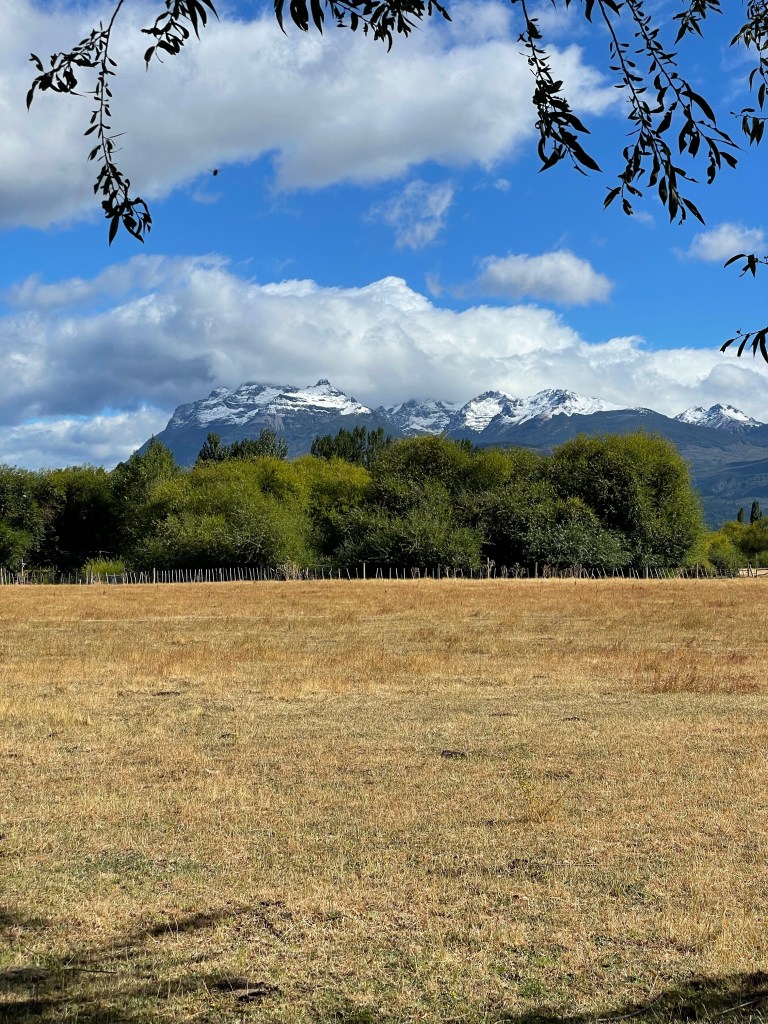
It’s no exaggeration to say that Trevelin may well be our favourite place so far. Set in the stunning Cwm Hyfryd (yes that’s Welsh 🏴 for “Beautiful Valley”). The landscape is as scenic as anywhere in Patagonia.
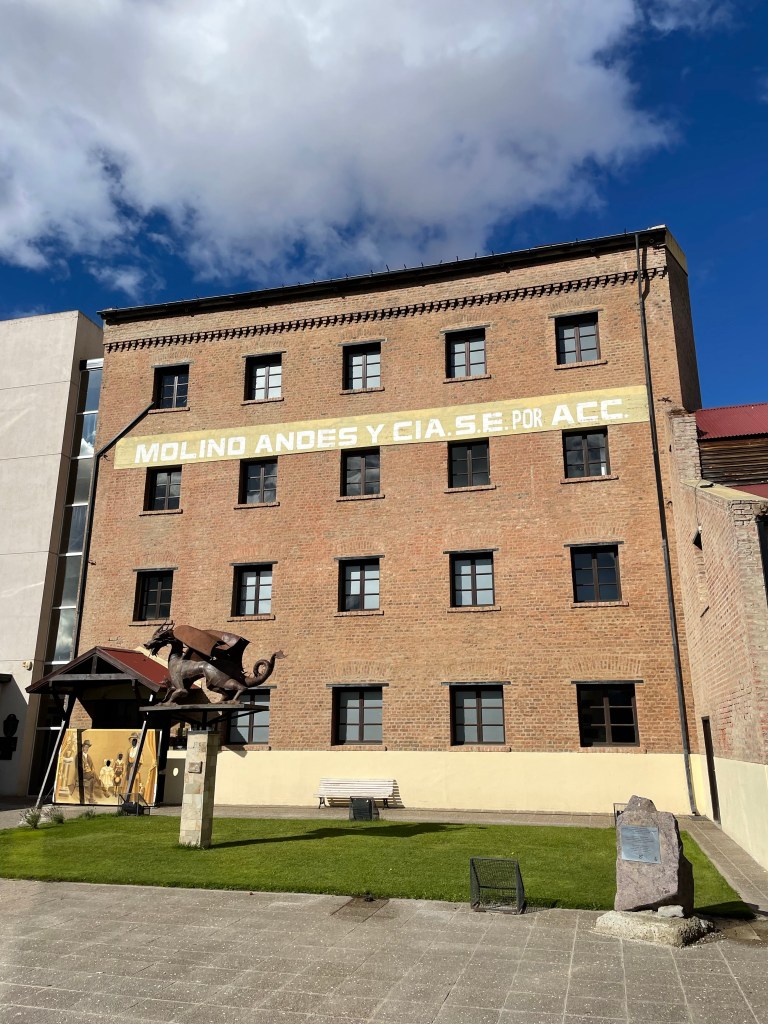
Two great museums tell the story of Welsh settlers who arrived in Argentina on the Mimosa 🚢 in the 19th century. They headed west and established a small colony where the Patagonian steppe meets the Andes, and they couldn’t possibly have made a better choice.
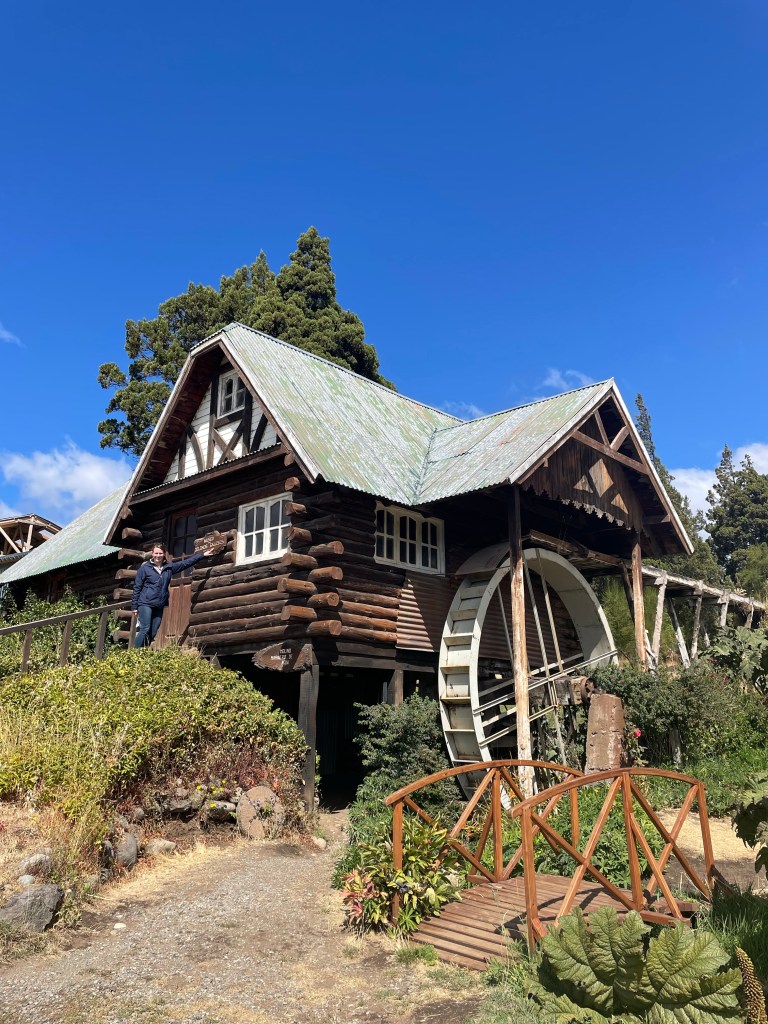
Molino Nant Fach had a working waterwheel, and in the town the main Molino museum has lots of detail and artefacts. Both were former flour mills until the Argentine government destroyed their industry by declaring Trevelin a “non wheat producing area” and therefore tanking the local economy (to the surprise of nobody who has seen what Argentina’s economy is currently like)
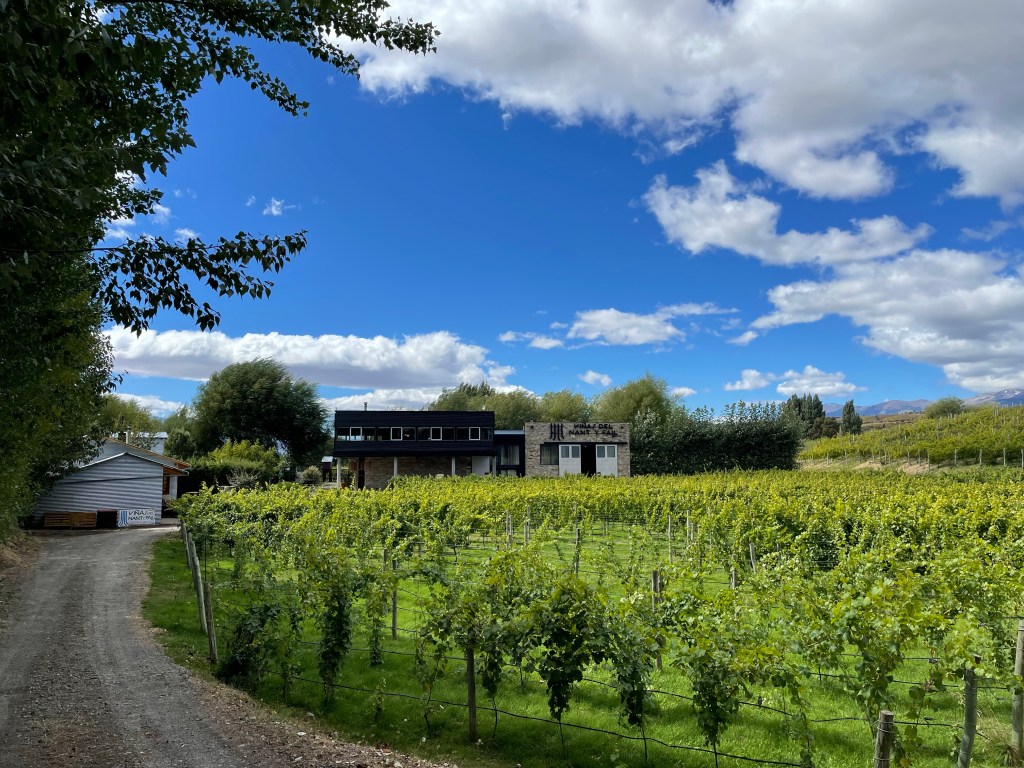
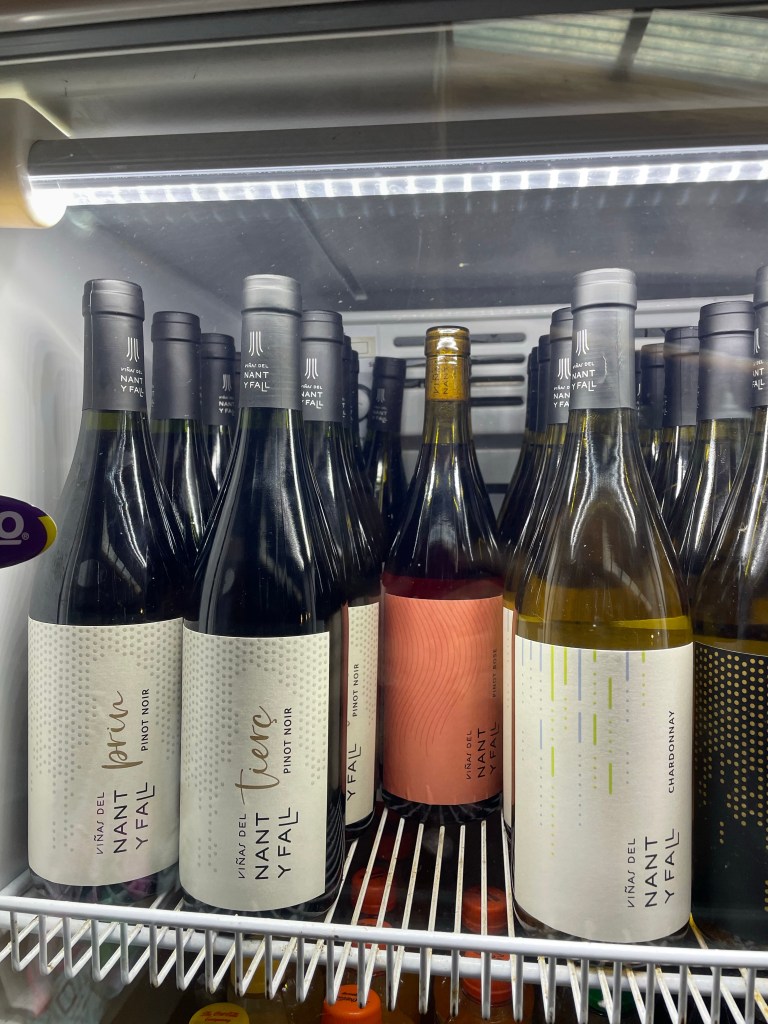
Staying at one of the world’s southernmost vineyards probably improved our impression of the place (Vinas Nant Y Fall, and competition for that title is literally next door). Their restaurant was great and the campsite perfect.
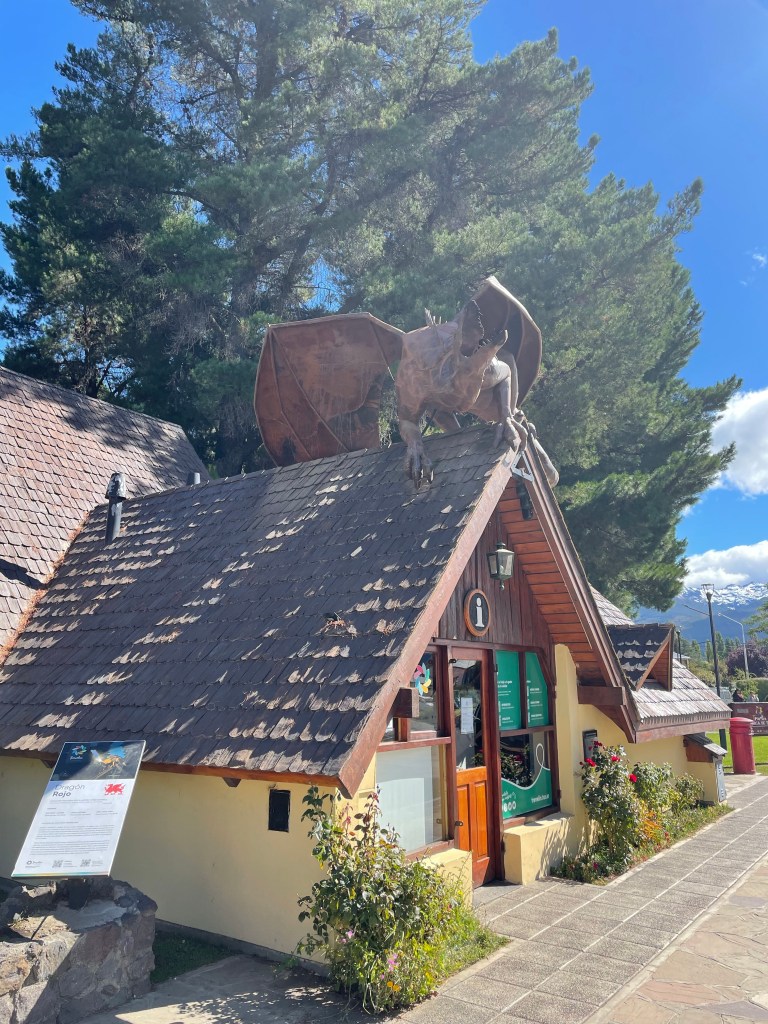
The town was laid back, neat, tidy and largely devoid of international tourists. That’s despite the enormous bronze dragon atop the tourist office which breathes fire on the hour at 8pm.
A slice of Wales is served up with tea, a bara brith lookalike known as ‘Black cake’ cooked up by the settlers with what they had to hand. The popularity of which has only been enhanced by the visits of Princess Diana, and Mark Drakeford (in equal measure I’m sure).
100% recommended.
Los Alerces National Park
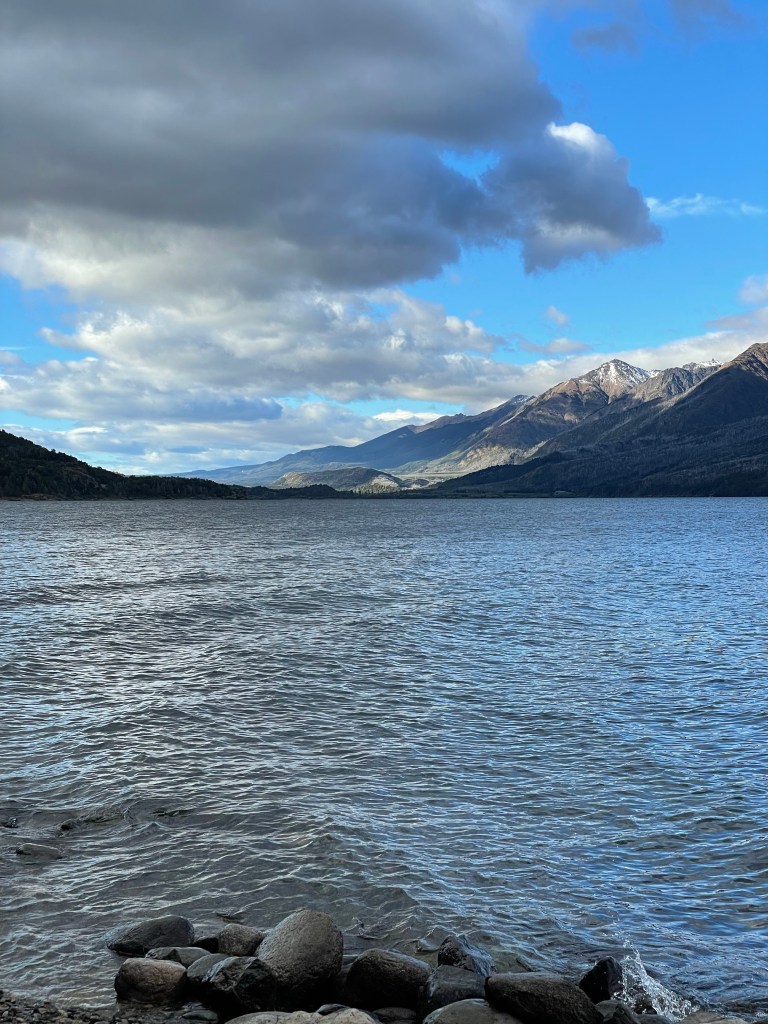
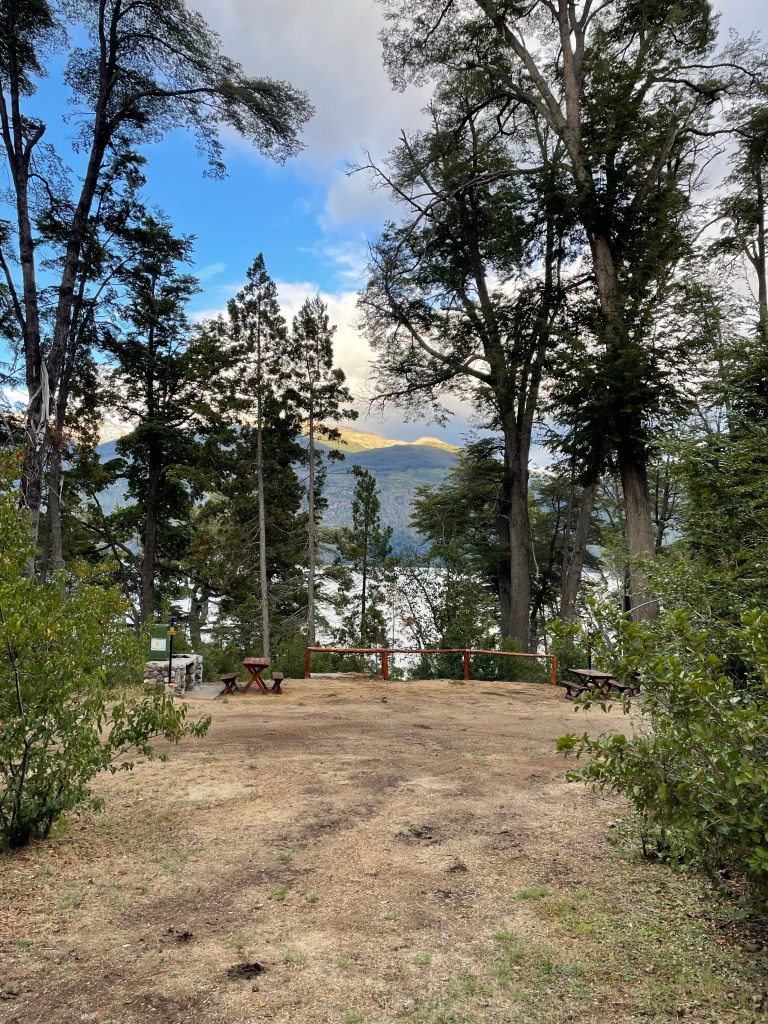
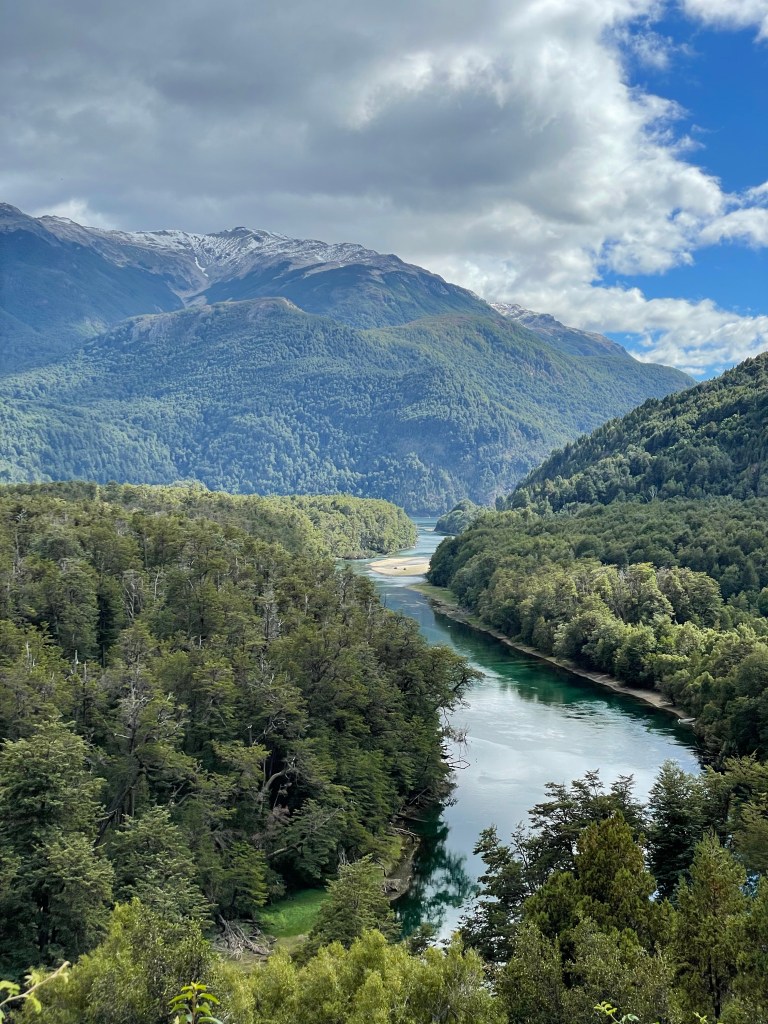
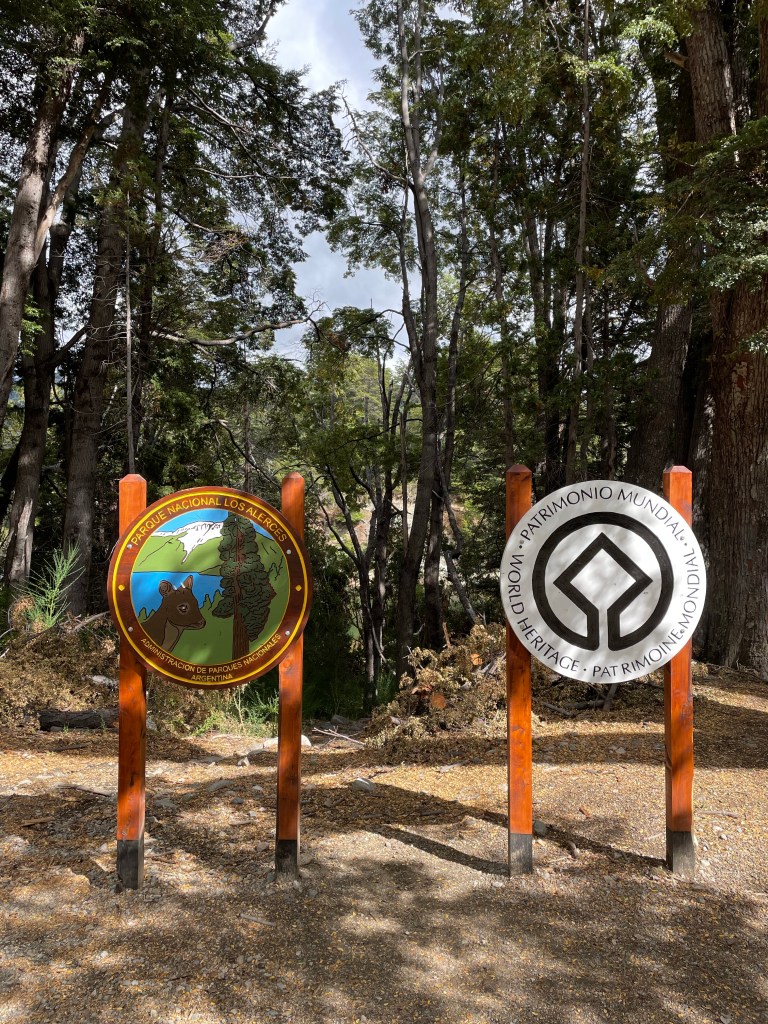
Next up the fantastic Los Alerces National Park in Argentina. On the UNESCO list the place seems to be pretty popular during high season given the proliferation on campsites around the park. Luckily we are a few weeks after the rush and had the place mostly to ourselves.
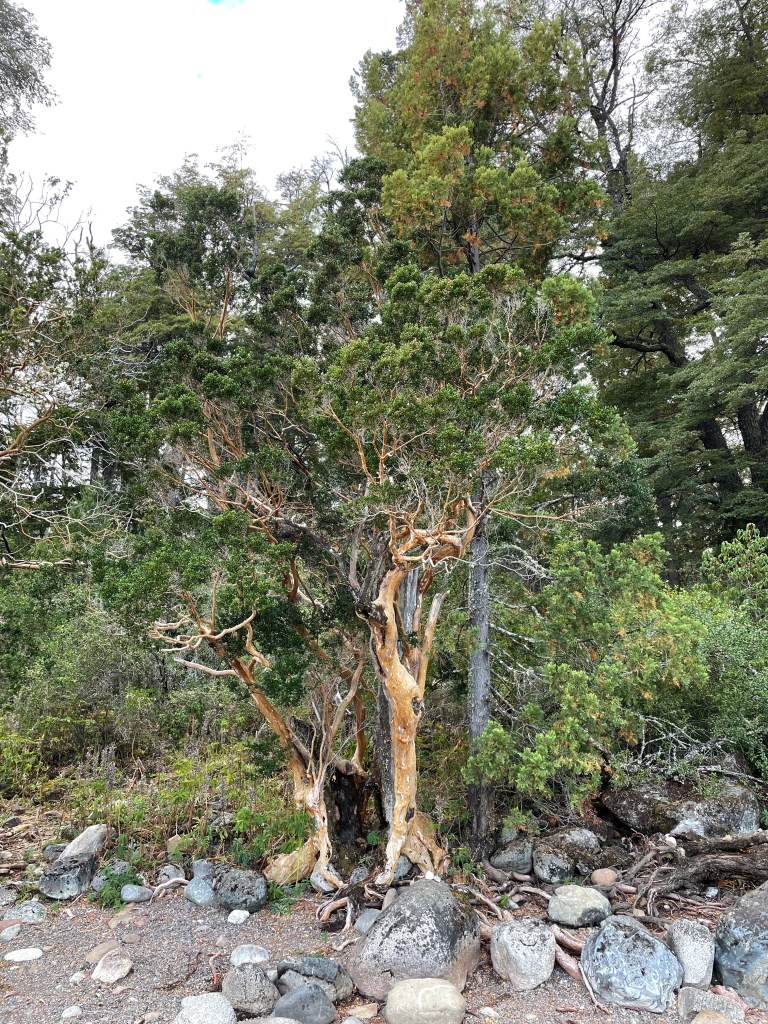
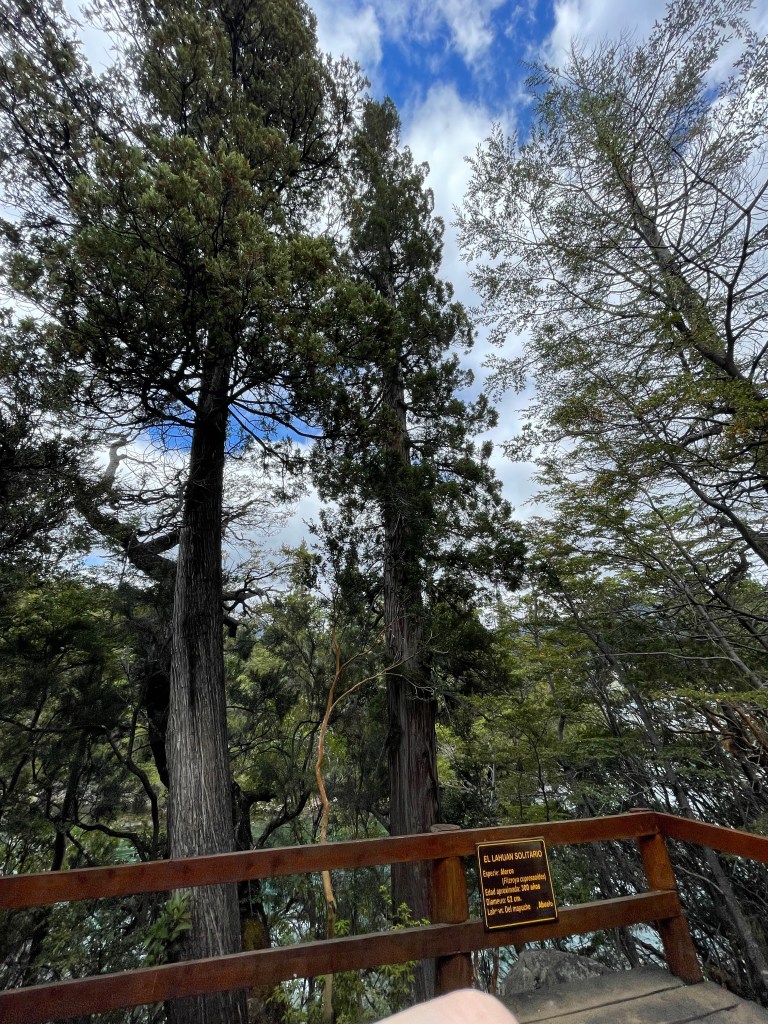
The Alerce tree (larch) is an extremely long lived redwood tree, they are few and far between now thanks to overuse due to the outstanding durability and waterproof properties of their wood.
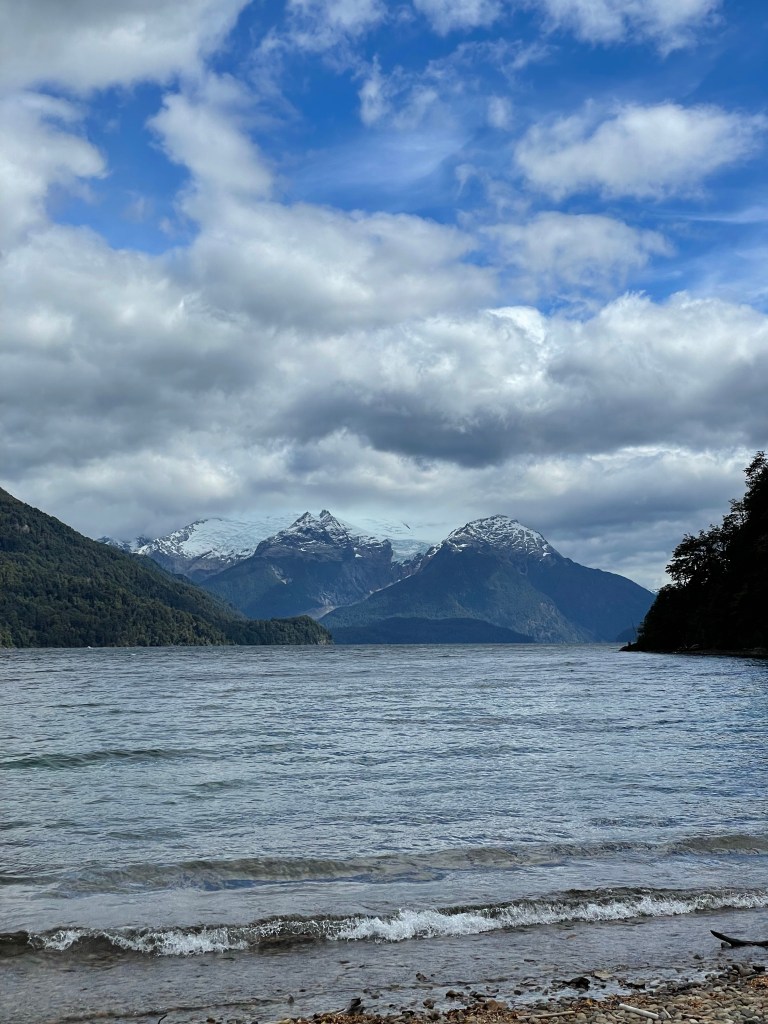
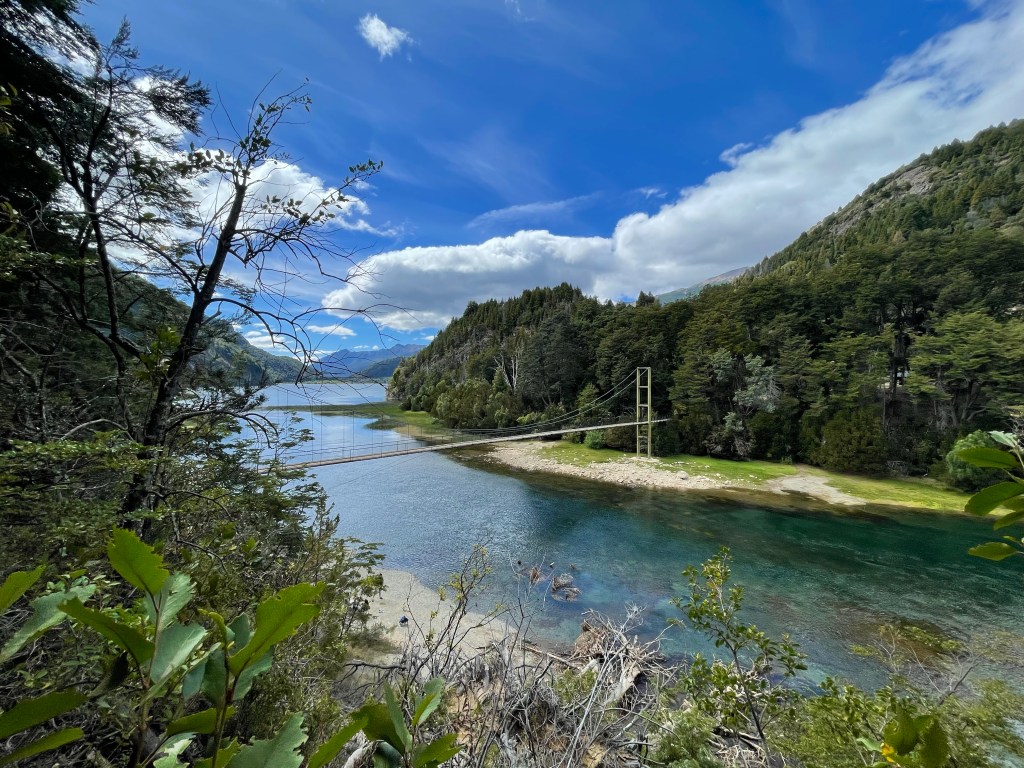
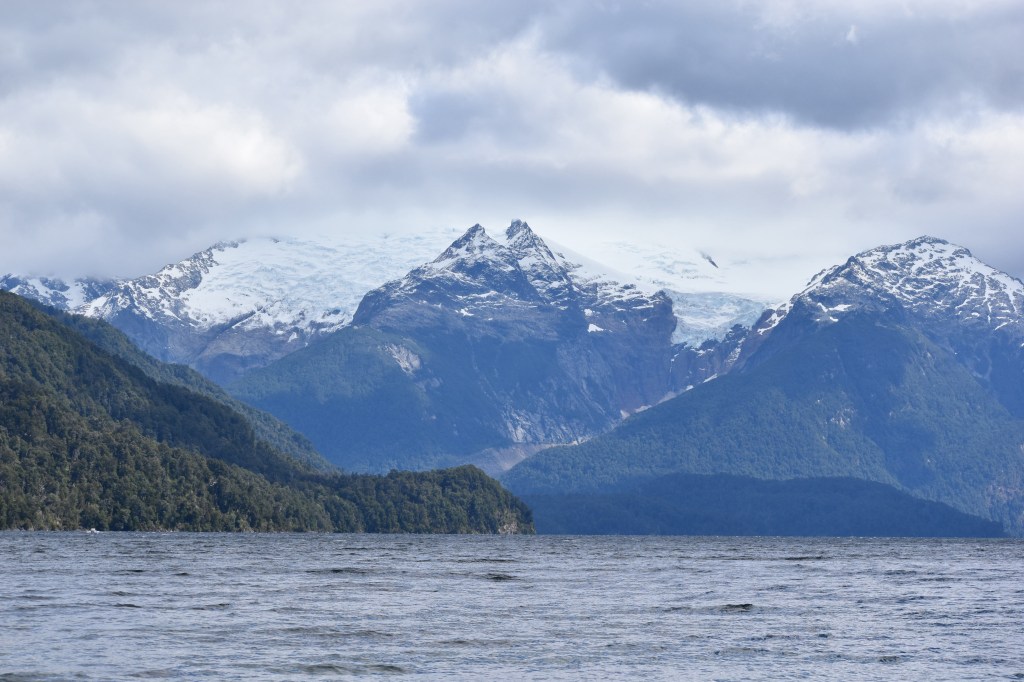
Somewhere in Chile is a 5,000 year old tree, we managed to track down a much younger and smaller 300 year old specimen in Argentina. The rest of the ciprees forests around the national park are beautiful, as are the vistas of lakes and glaciers. The route through the park provides a handy back route round to El Bolsón.
The Sundance Kid
Forever in Butch Cassidy’s shadow, the small town of Cholula north of Esquel, played host to three of the most infamous criminals of the early 20th century.
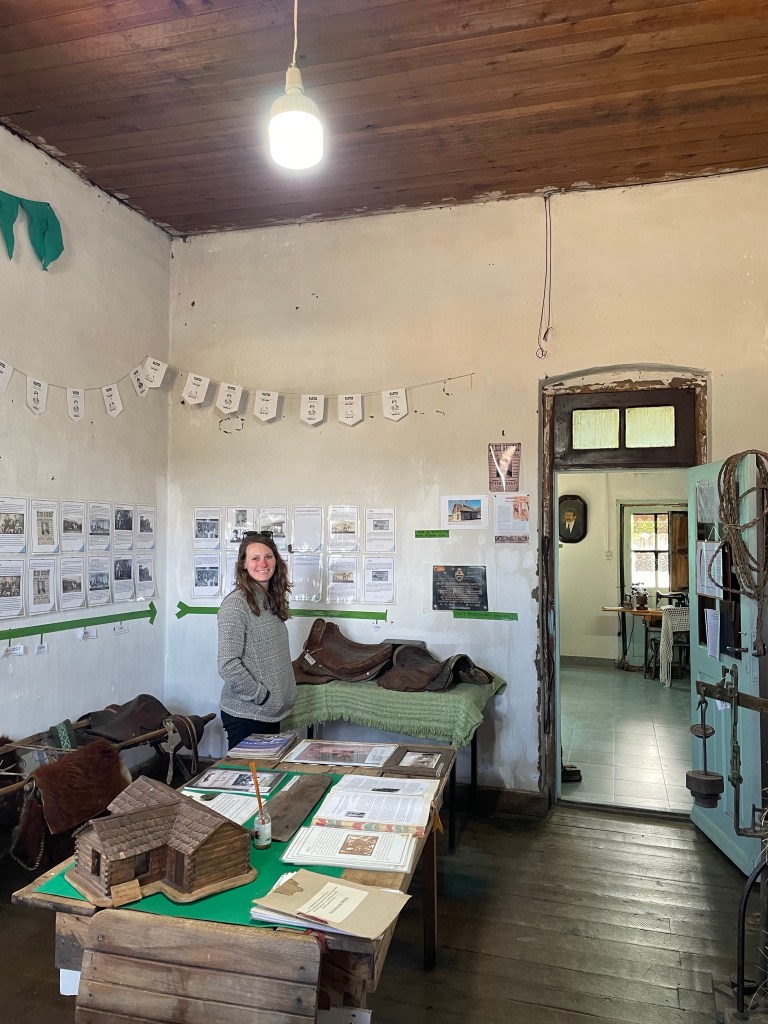
Now I know nothing about these people, but there is a film about them and it involves horses, so Sarah was keen to visit. The small museum was yet to open when we arrived at 15:30. It only opens at 4pm on Sundays, so do bear that in mind when you visit.
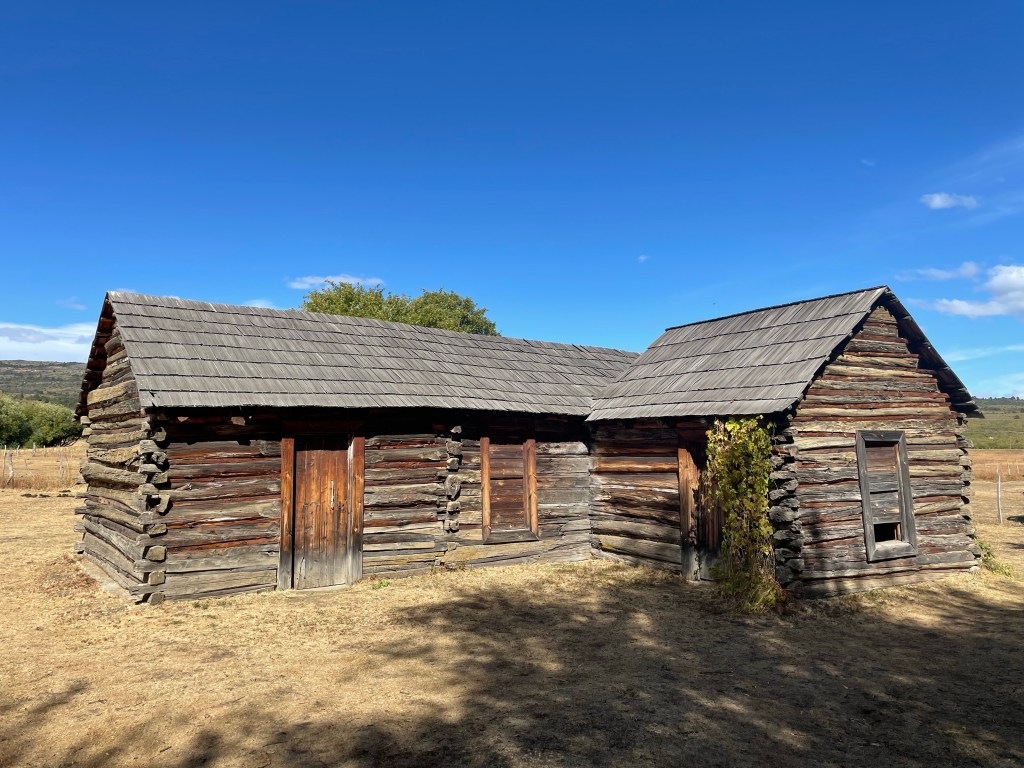
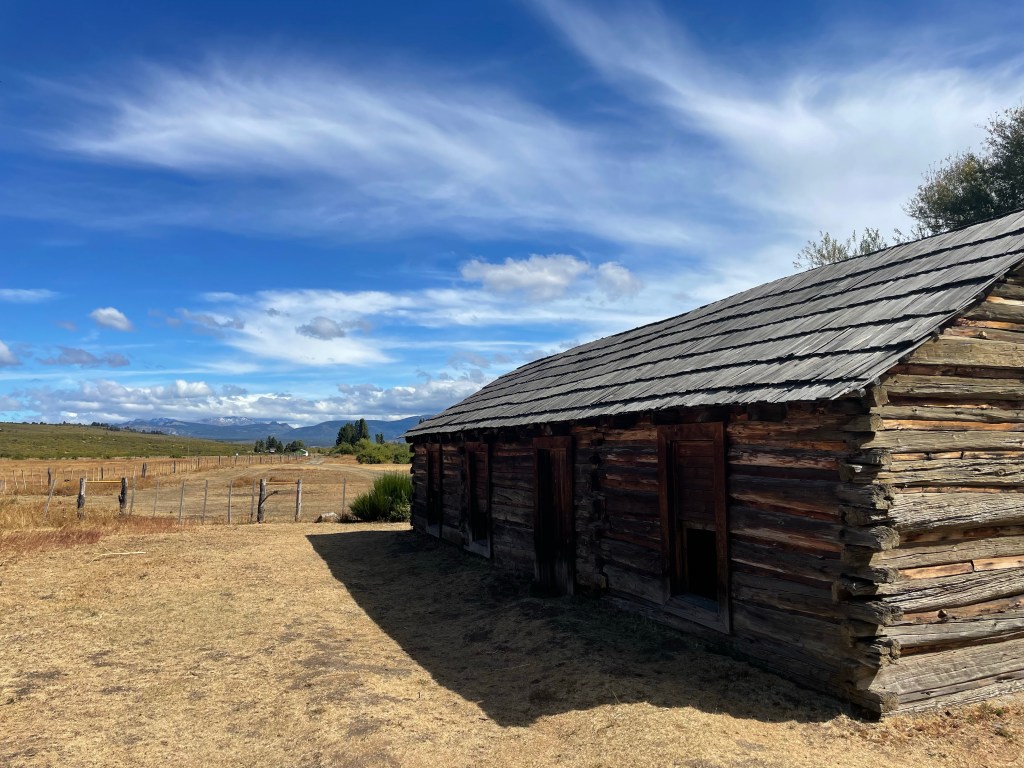
Butch Cassidy, along with the Sundance Kid and Etta Page built an immaculate replica of his house in Wyoming. The place is abandoned and free to walk around, just a kilometre or so north of the museum. It’s still in good shape, but home to many wasps nowadays.
Imagine being a grown adult and infamous criminal and known only as the Sundance Kid.
El Bolsón
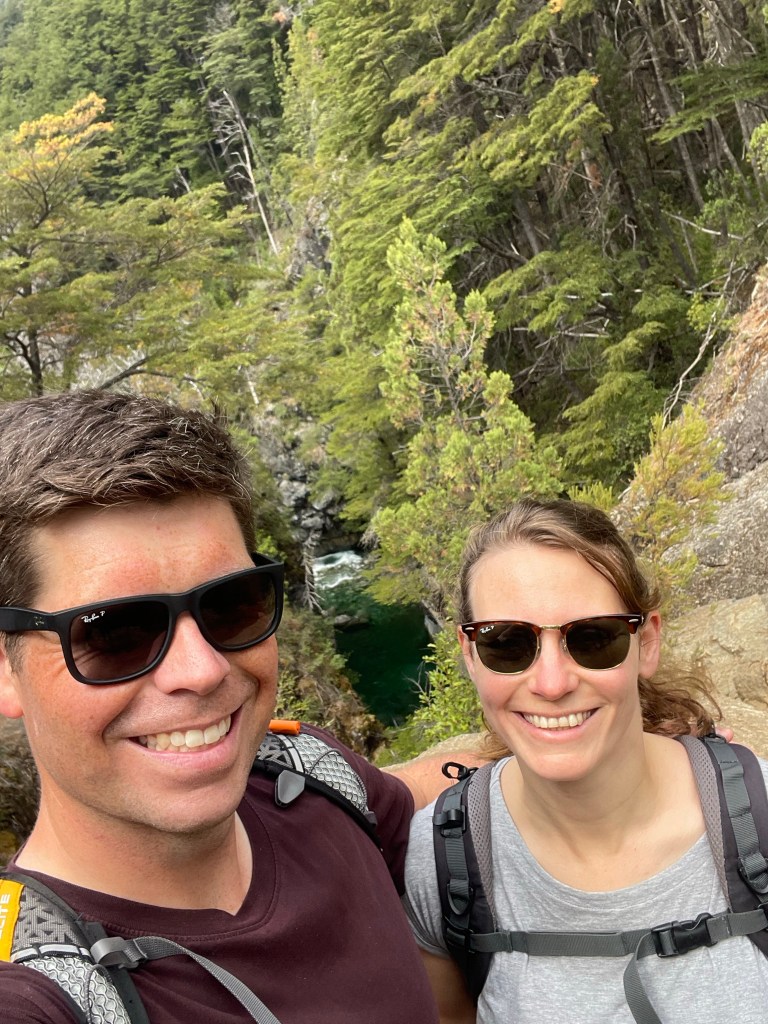
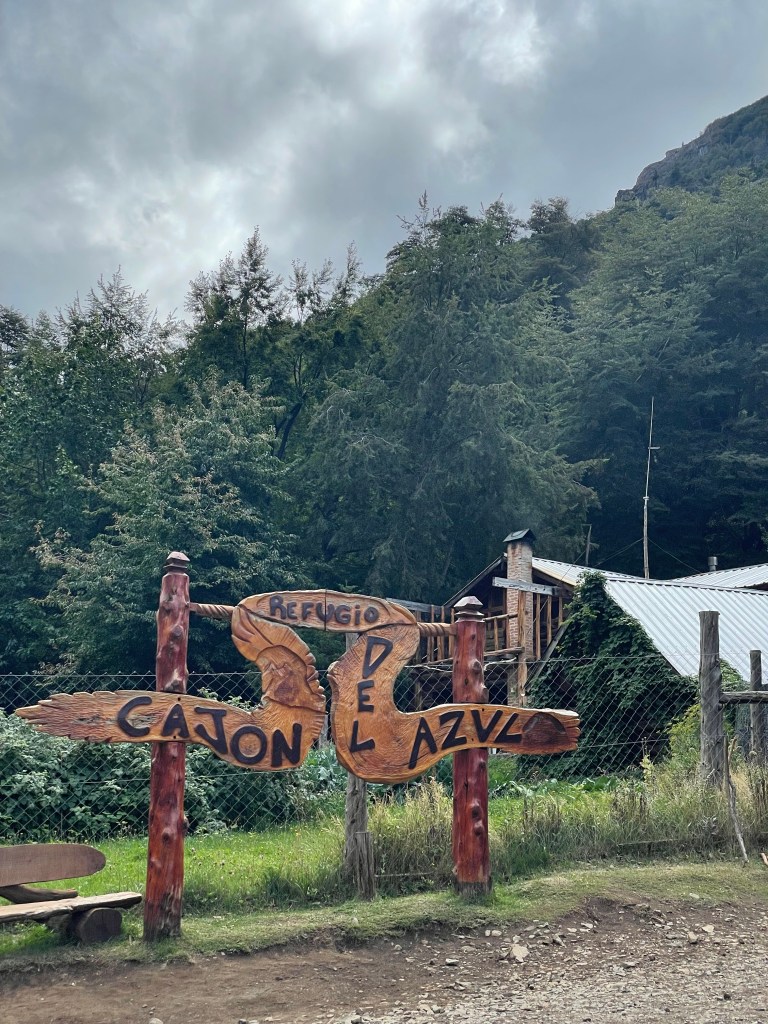
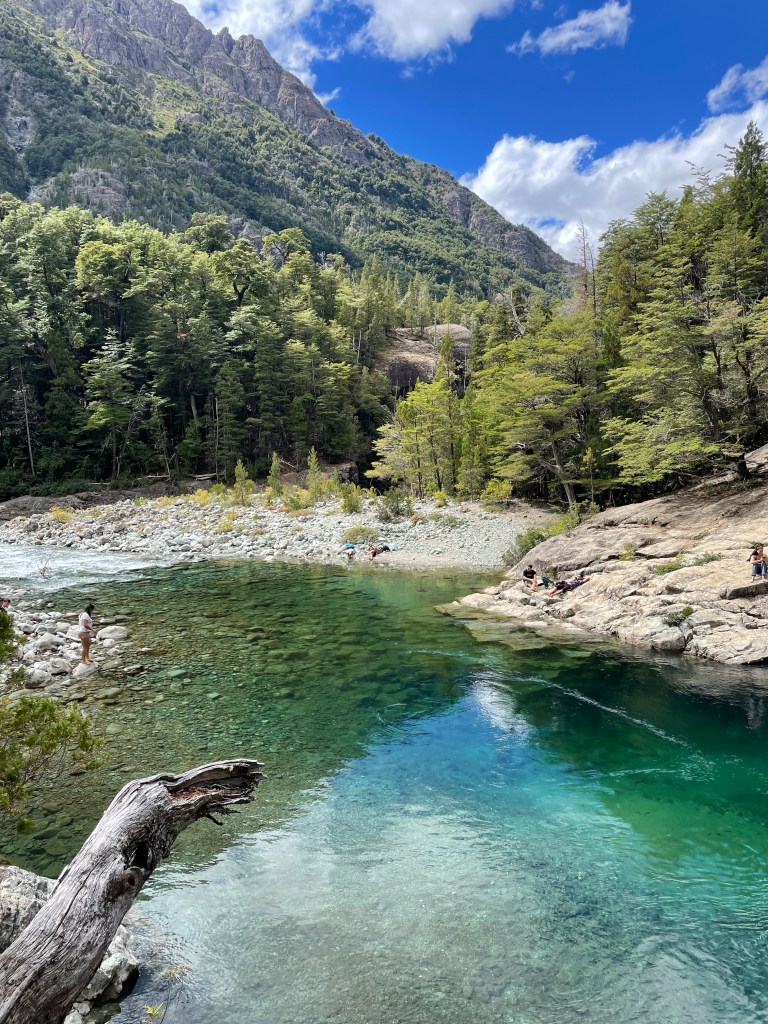
Today we took on the most popular hike around el Bolson. A 21km up and back route to the Cajon de Azul.
El Bolson is known as a hiking, hippie, and beer town. The beer bit is obvious, there are hops growing everywhere and artisanal cervecerias on every corner. The hippy bit we have no clue. As for hiking, the majority of the trails and circuits are concentrated on the west side of town, in the valleys plunging deep into the Andes.
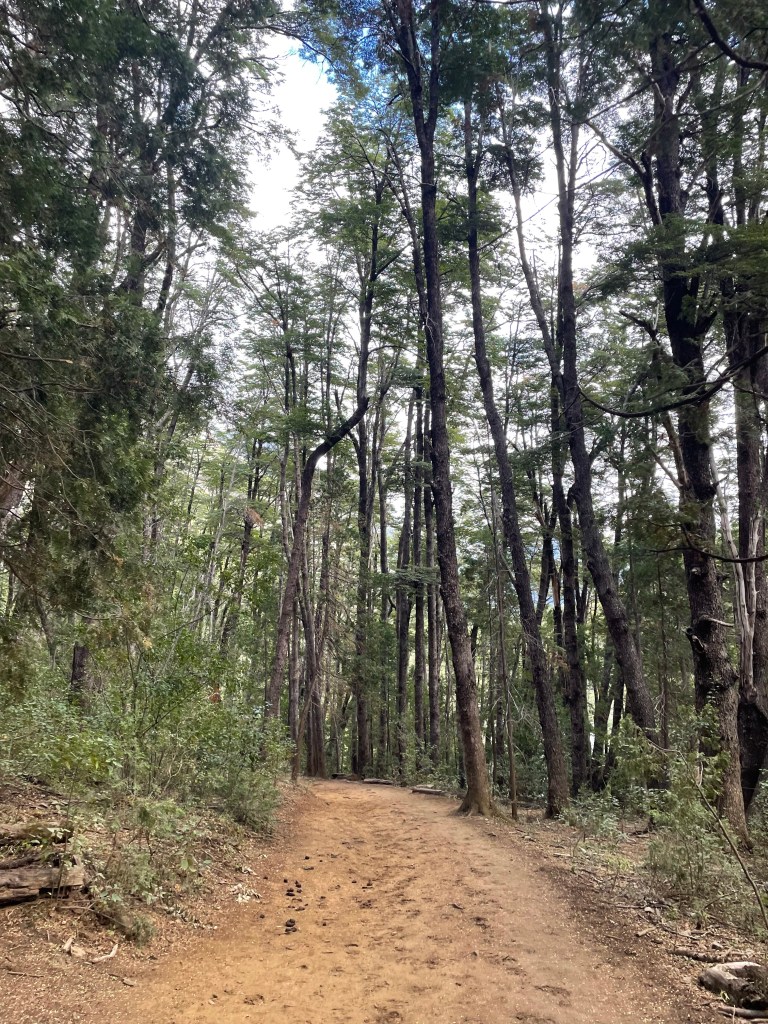
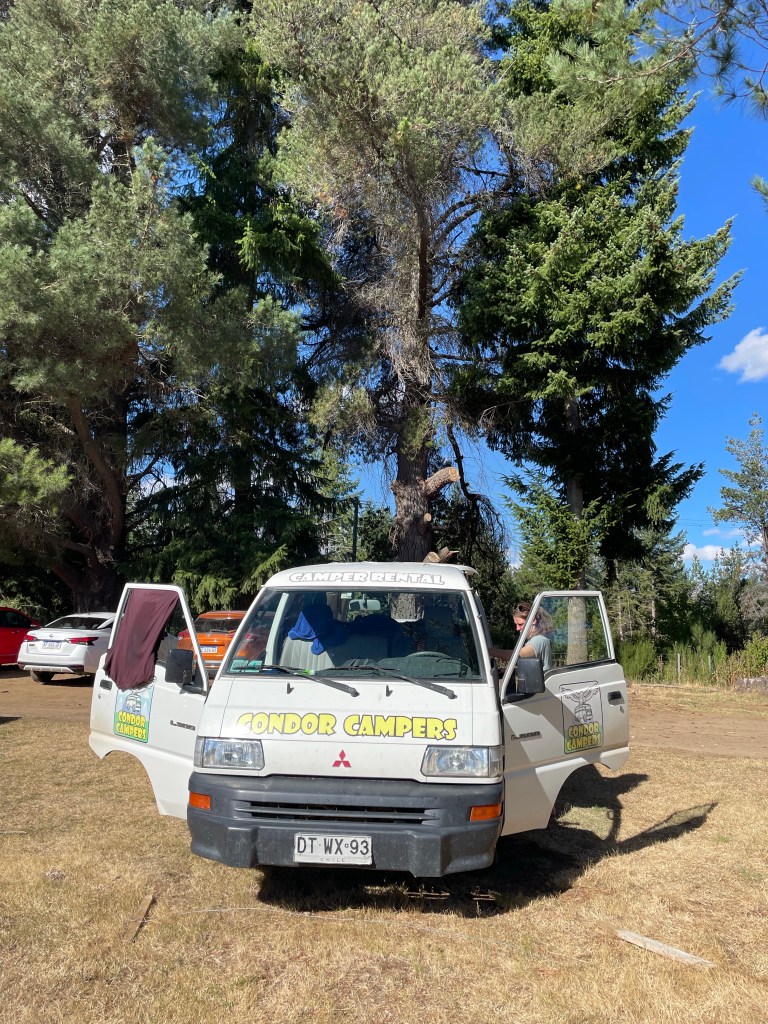
There’s a lot of parking available at Wharton, the start of the Cajon de Azul hike. We agreed the 2,000 pesos was worth it to have our van somewhat secure. The trail is wide and easy, and the walk to the Cajon takes just over a couple of hours.
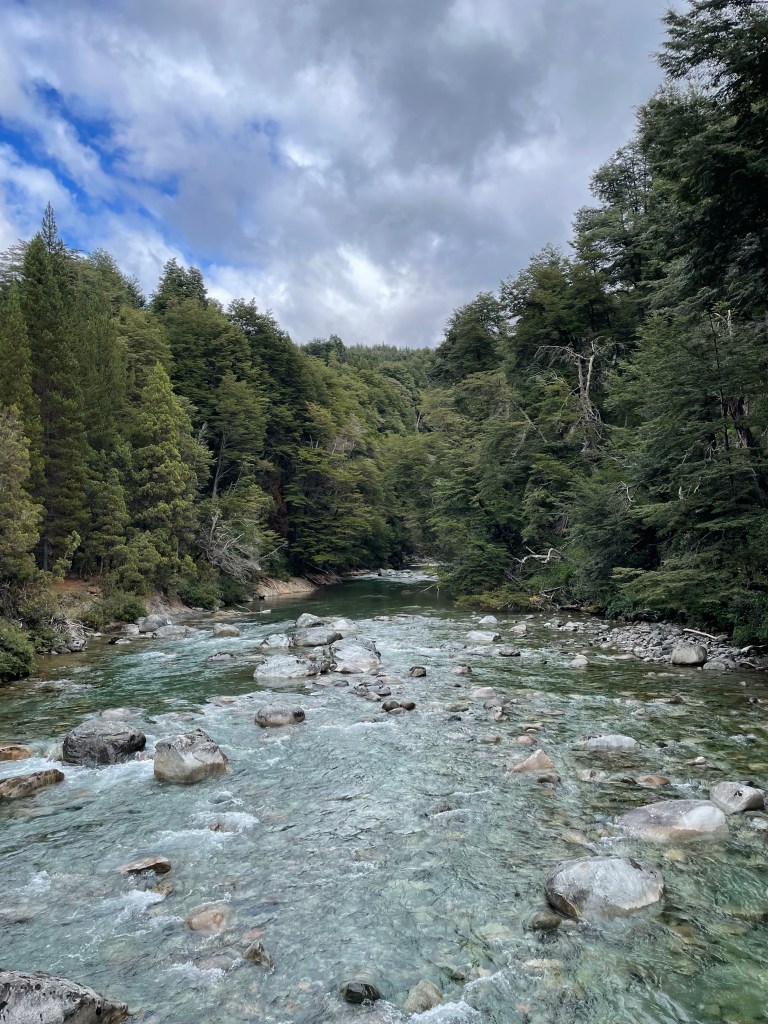
If you’re wondering what’s Cajon is then join the club. The end point of the walk was a nice swimming area in the deep blue waters of the Rio Azul. The second bridge to complete the route was closed. So we had to wade across the river. But the river was too cold for some of us. Mentioning no names here. So we had to retrace our steps and add more kms to our walk – the first time in a while that there were less complaints about the distance.
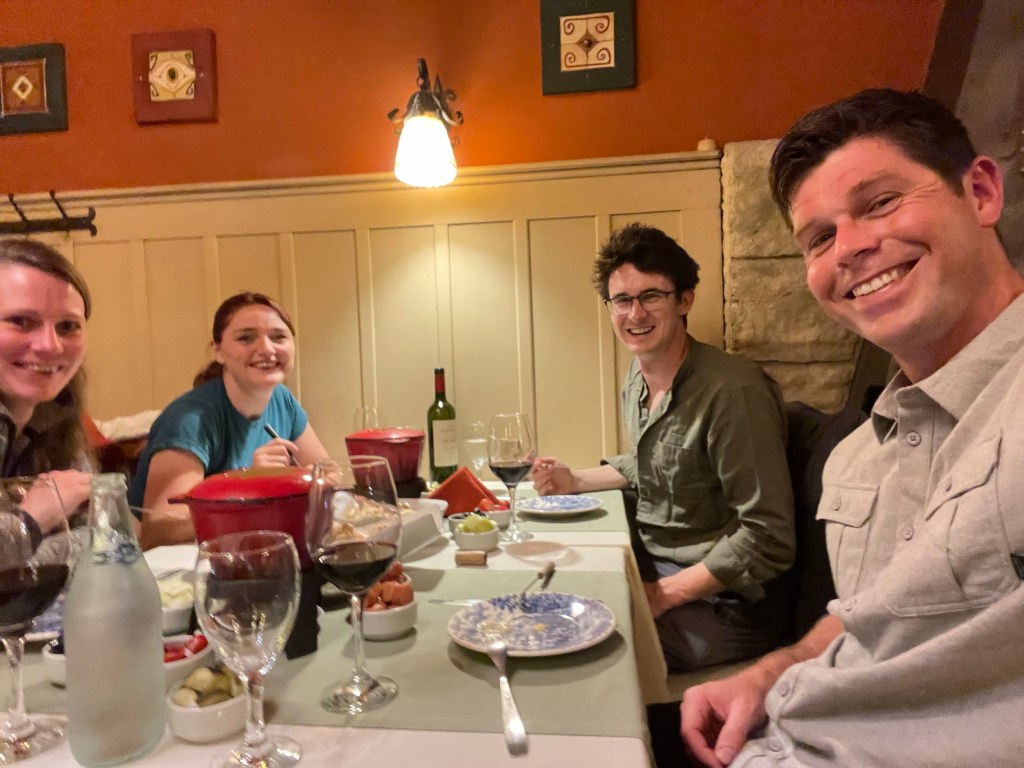
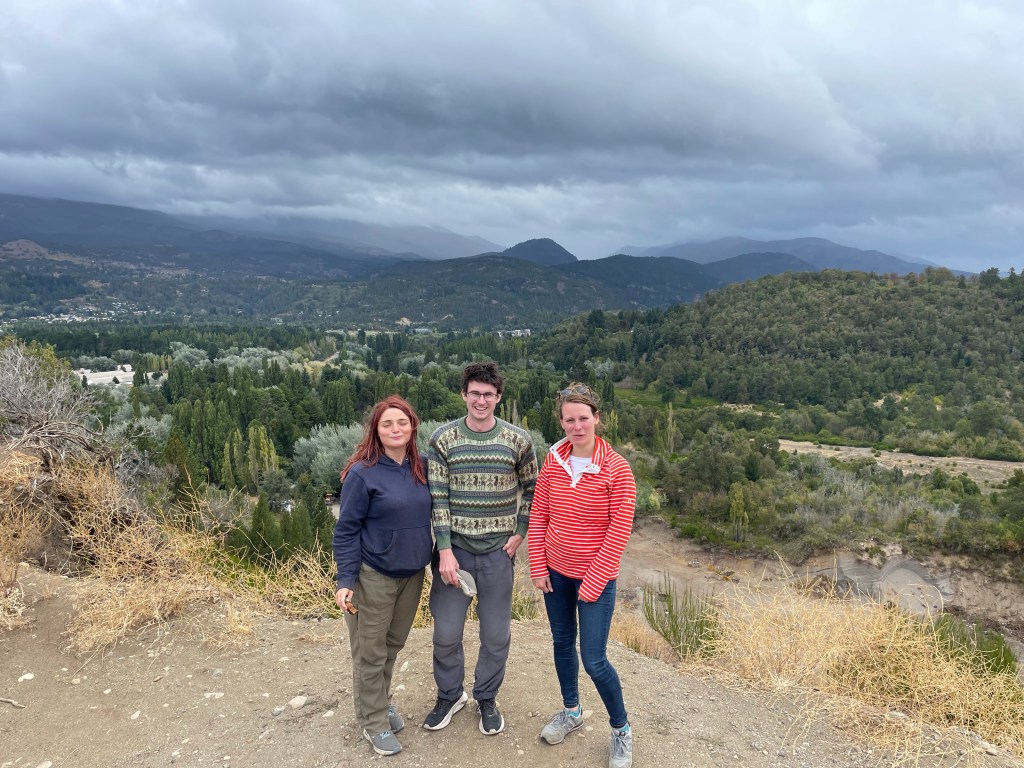
Post hike we drove to Bariloche and had fondue with Mike’s university friend, Chris, and his wife, Alice, who are coming to the end of their 18 months away (the dream). We picked up tons of great and valuable tips for the whole of South America. It was a shame we didn’t pick up Alice’s fluency in Spanish whilst we were in their company. Bariloche is heavily influenced by Swiss and German culture, we had fondue for dinner accompanied with great wine and more local beer after.
Ruta 40 and the route of the seven lakes
Bariloche Main Street is choc full of chocolate shops. Purportedly because of the Swiss and Italian diaspora who arrived after the war, but more pertinently it’s a big tourist hub for Argentinians. It’s hard to discern whether the Germanic culture is a show for the tourists or genuinely pervasive.
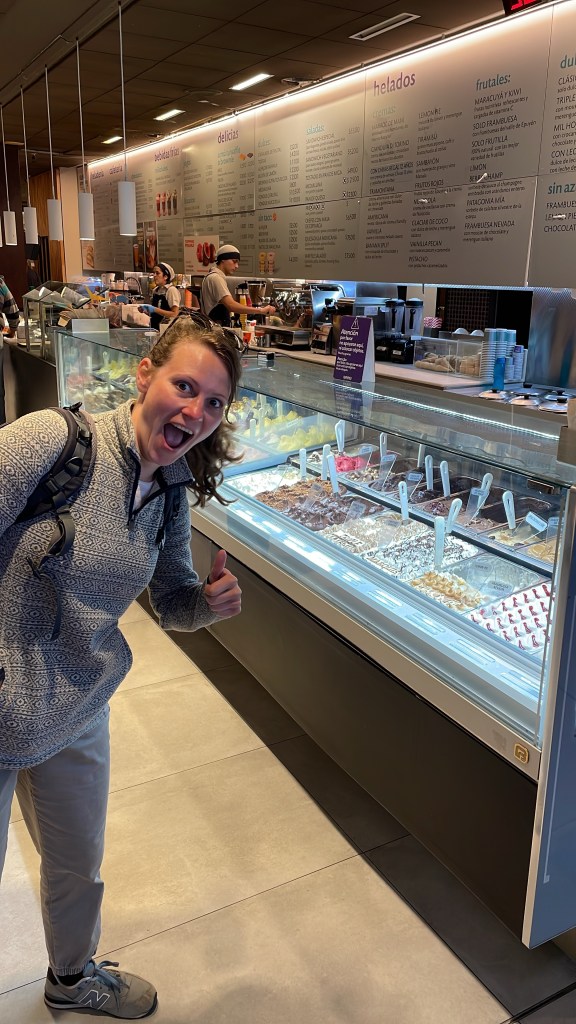
Rapanui is the most impressive of the chocolate shops, a destination more than a shop, with multiple chocolate, ice cream, and snack counters, and a full-size ice rink to boot. Our friend Alice had sworn that alfajores are the best thing ever, so we picked up a box from this most reputable of retailers. A double scoop of ice cream each made an excellent if sickly late breakfast.
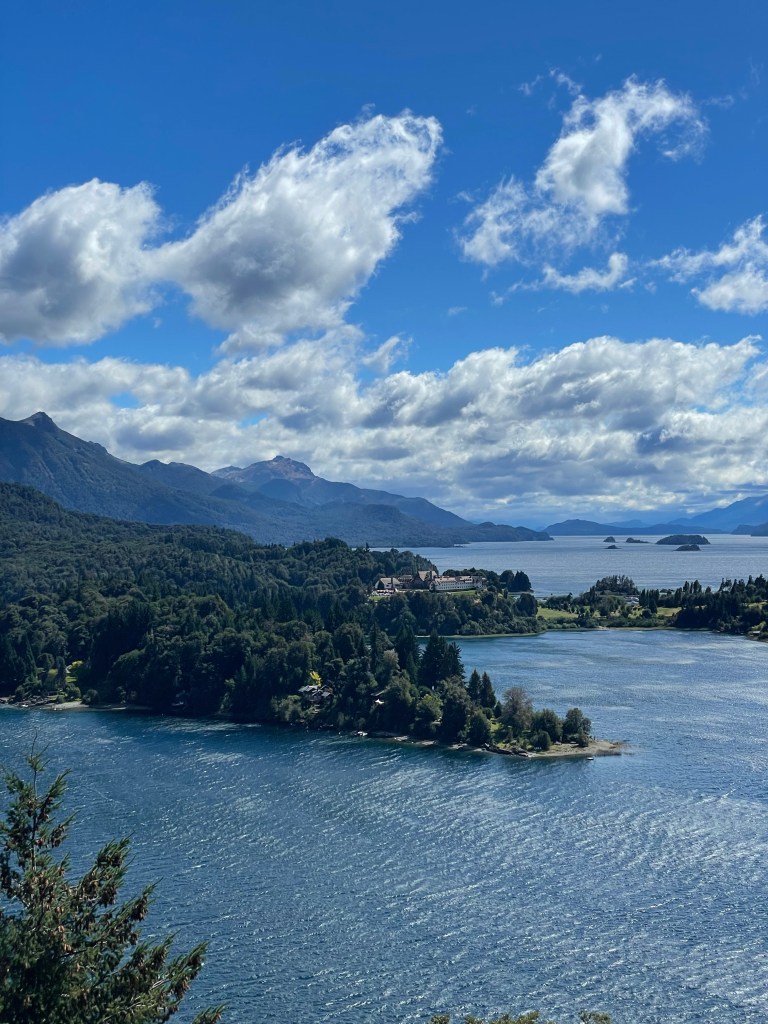
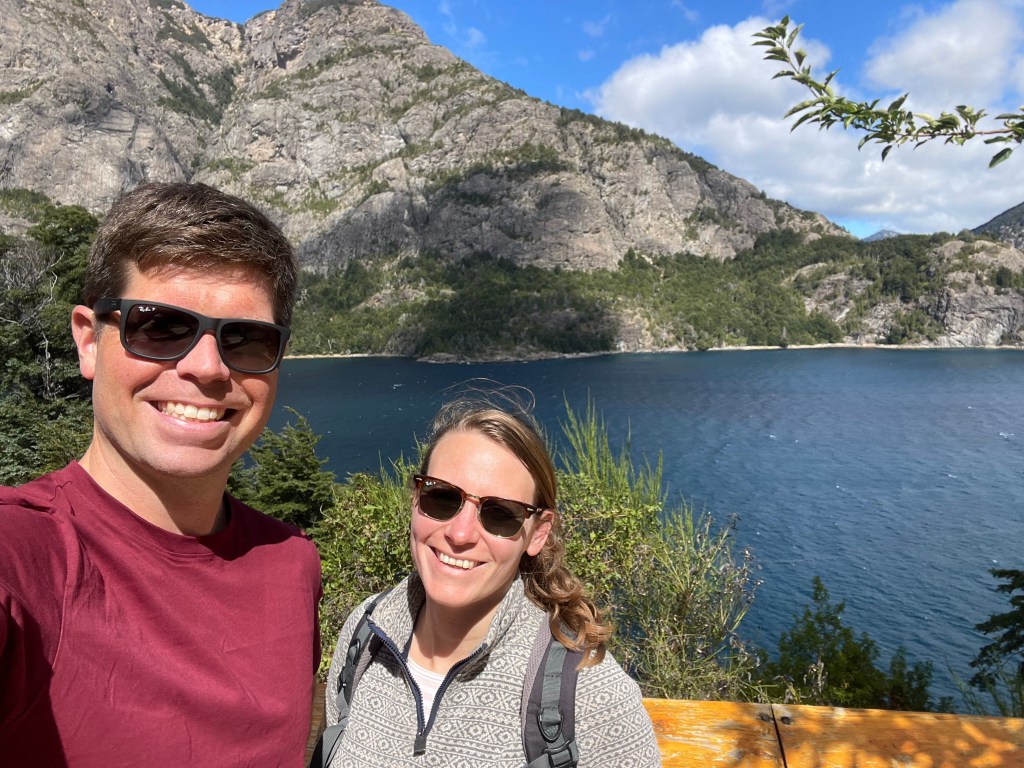
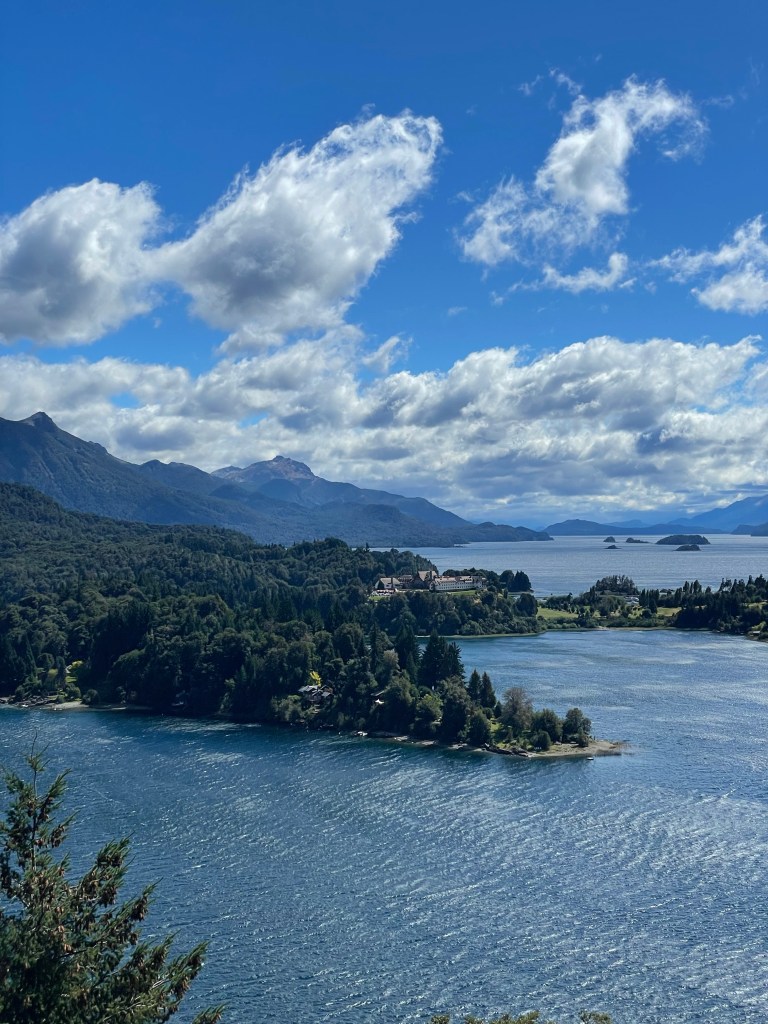
To the west of Bariloche is a loop around Villa Llao Llao. These are the busiest roads we’ve seen in Argentina so far, and driving was more stressful than it had been. Bariloche is by far the biggest and most bustling place we’ve been to so far (excluding Colombia). Llao Llao was an underwhelming use of 2 hours, save for the viewpoint at the top of the loop with a lovely yet busy view over the hotel and on to lake Nahuel Huapi.
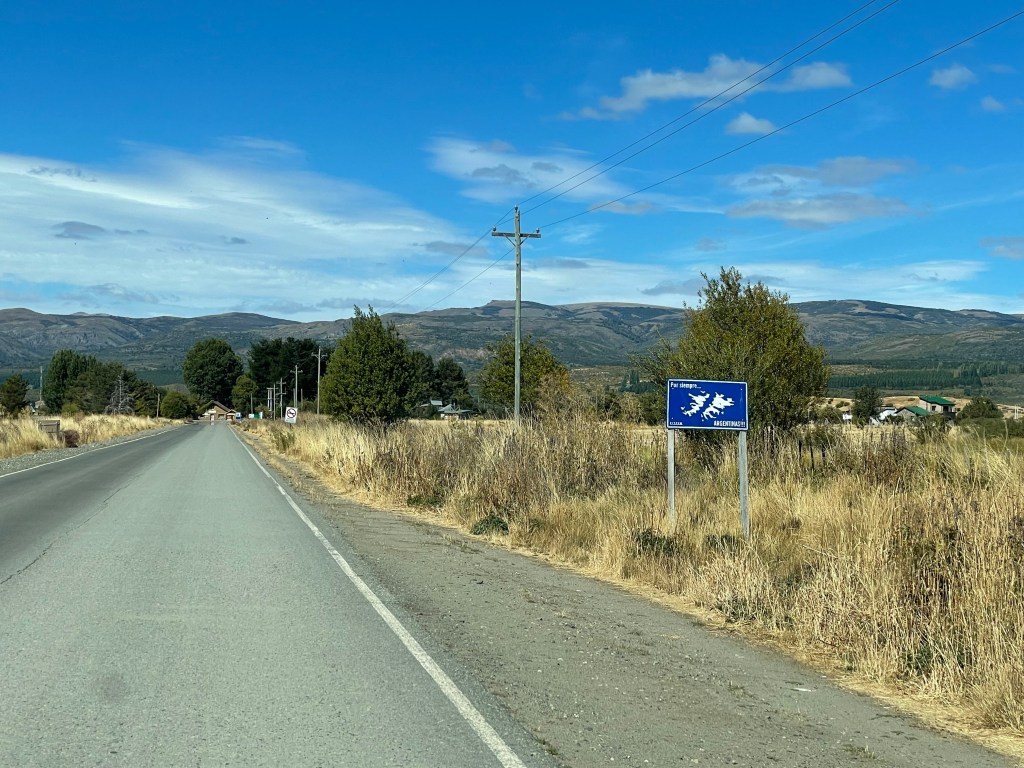
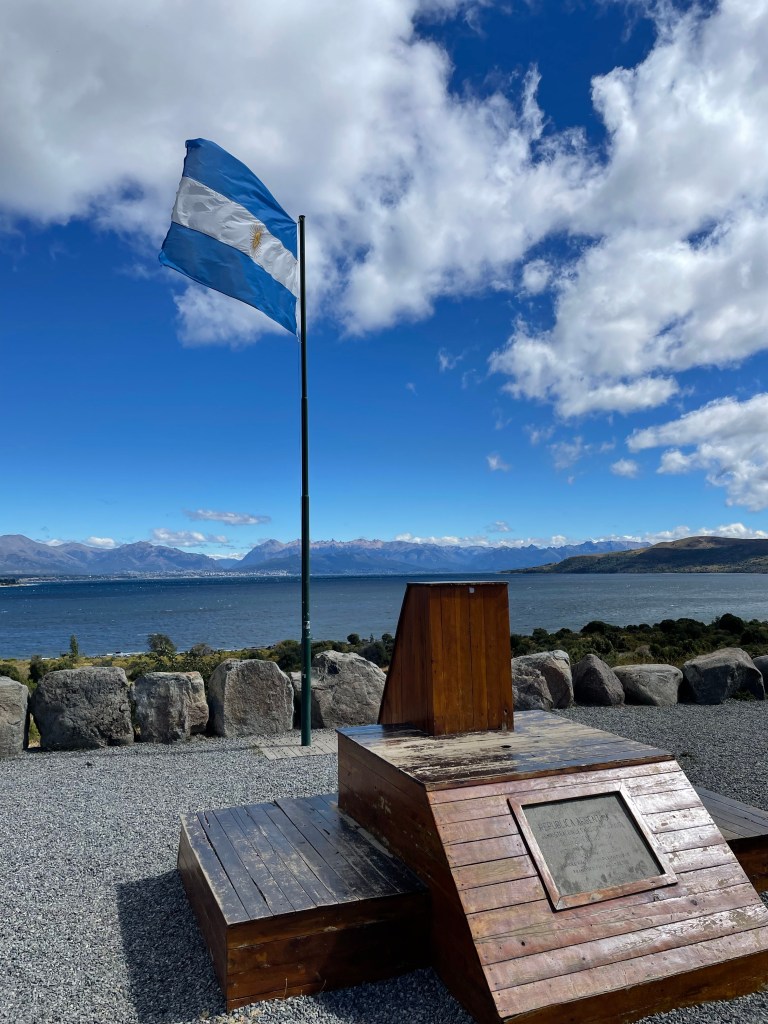
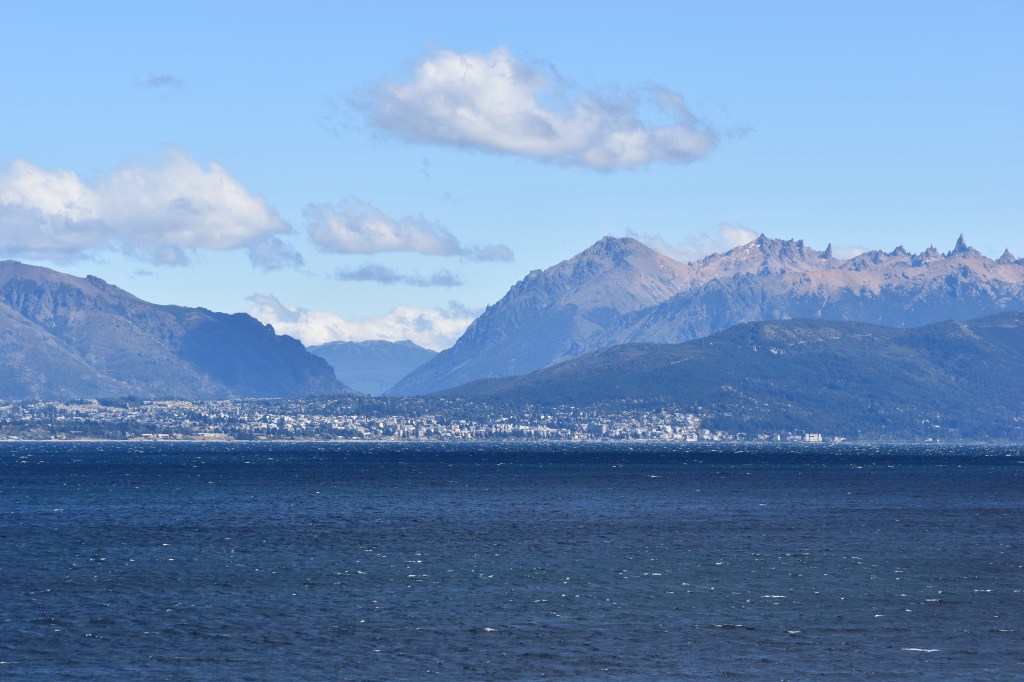
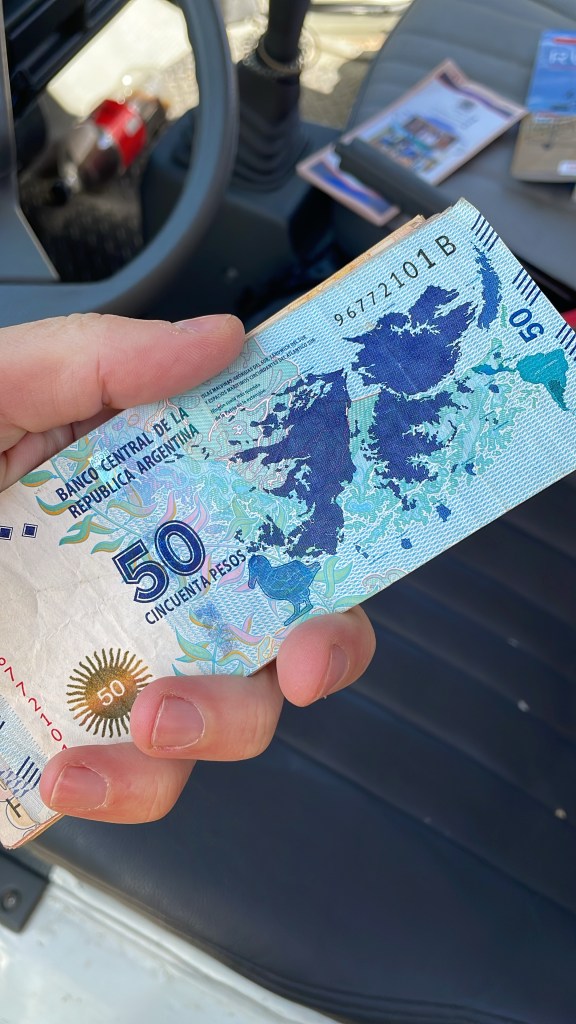
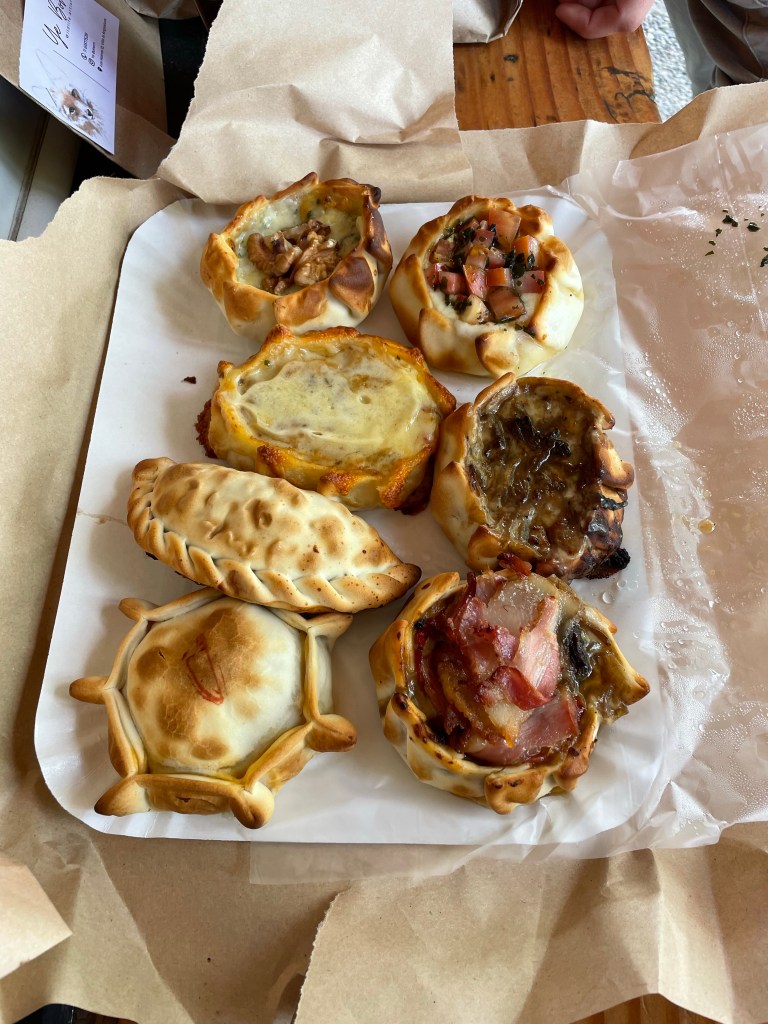
Empanadas and alfajores made for a nice lunch at a viewpoint, and Falkland Island ownership reminder, overlooking lake Nahuel Huapi. We still don’t get alfajores. They are a sandwich of dulce de leche between a sort of biscuit or cake. For biscuit it is too soft and crumbly or for cake it’s too dry. The dulche de leche supposedly adds moisture, but is more cloying than anything else. This time we’d made sure to buy good quality reputable alfajores so we don’t even have our go to excuse. They are supposed to be like that.
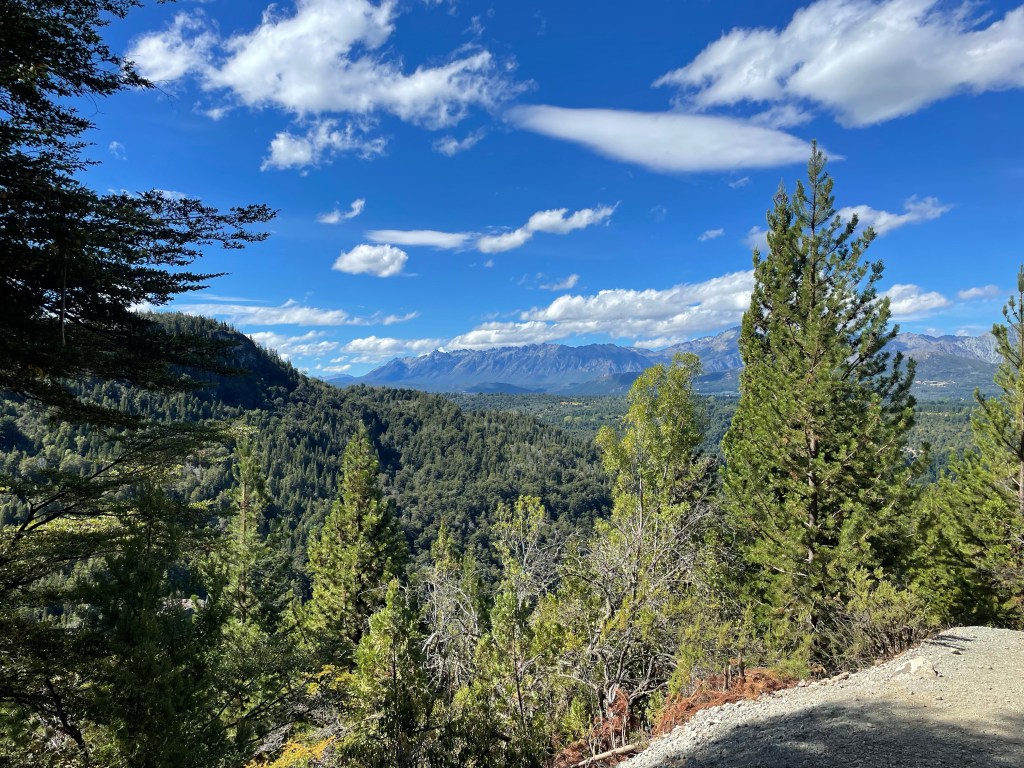
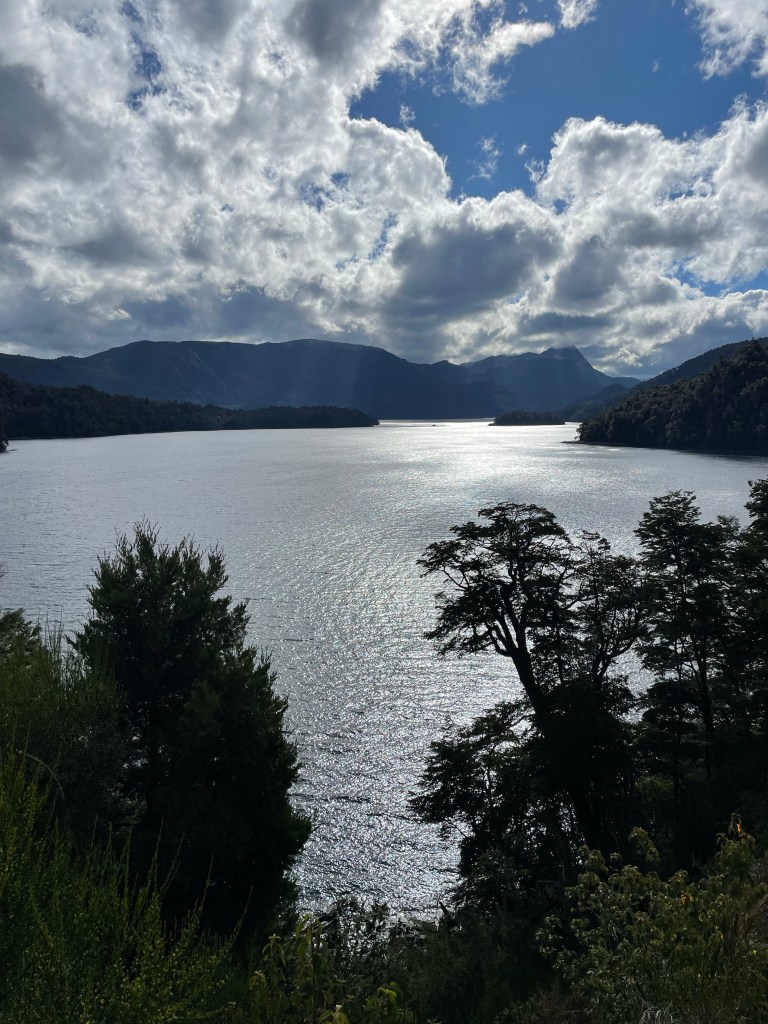
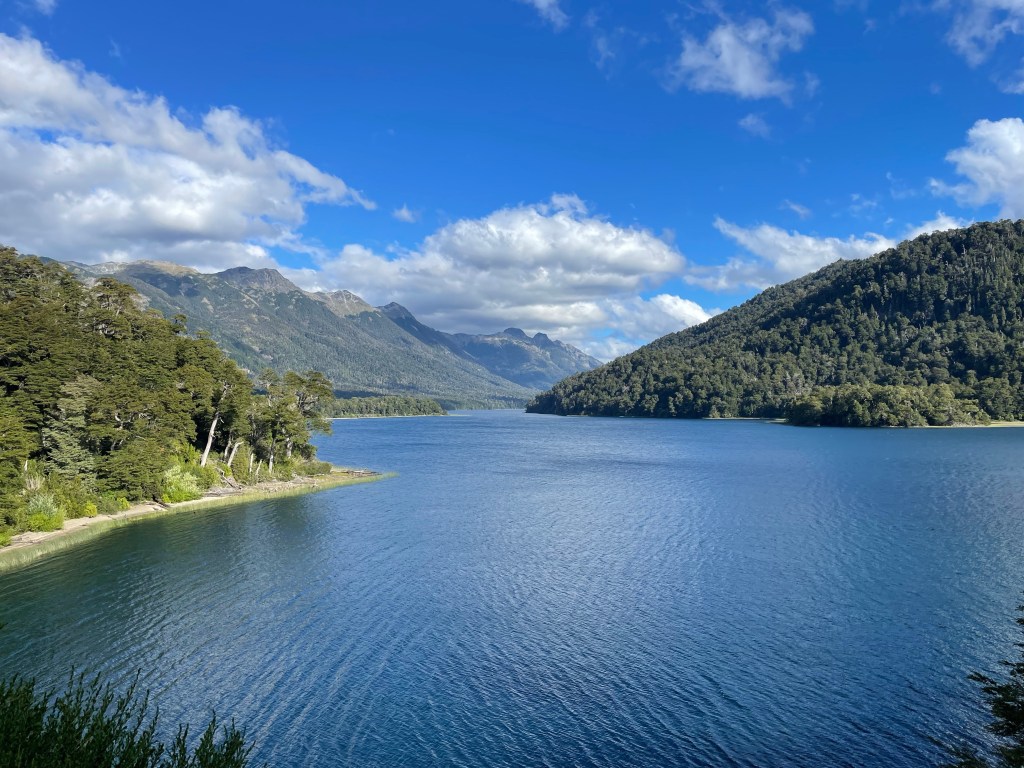
The seven lakes route is a big and famous tourist thing. It’s scenic, but not a patch on much of Patagonia we’d already visited. We stopped at many miradors with progressively worsening viewpoints. Lake vistas becoming entirely obscured by trees by halfway through.
San Martin de los Andes was our end point for the day, and after rejecting a campsite for asking for £27 for the night, we settled in a spot on a huge free gravel parking area by the lake, amongst 30 or so other campervans.
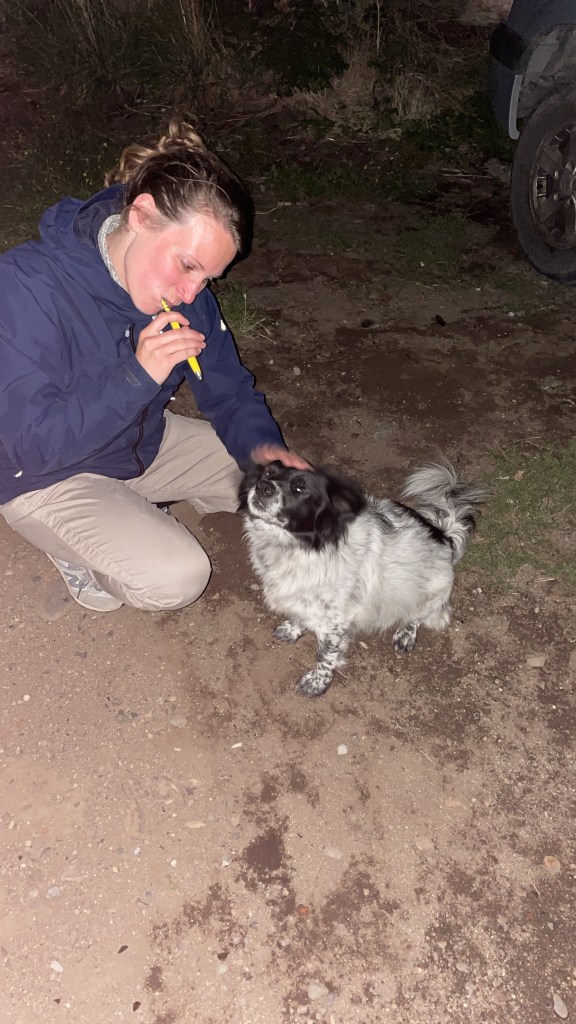
Chris and Alice had a cabin with a kitchen, so we cooked dinner at theirs and stayed out chatting until 2am. At which point we returned to our camper and collected all the stray dogs (and horses!) on our way.
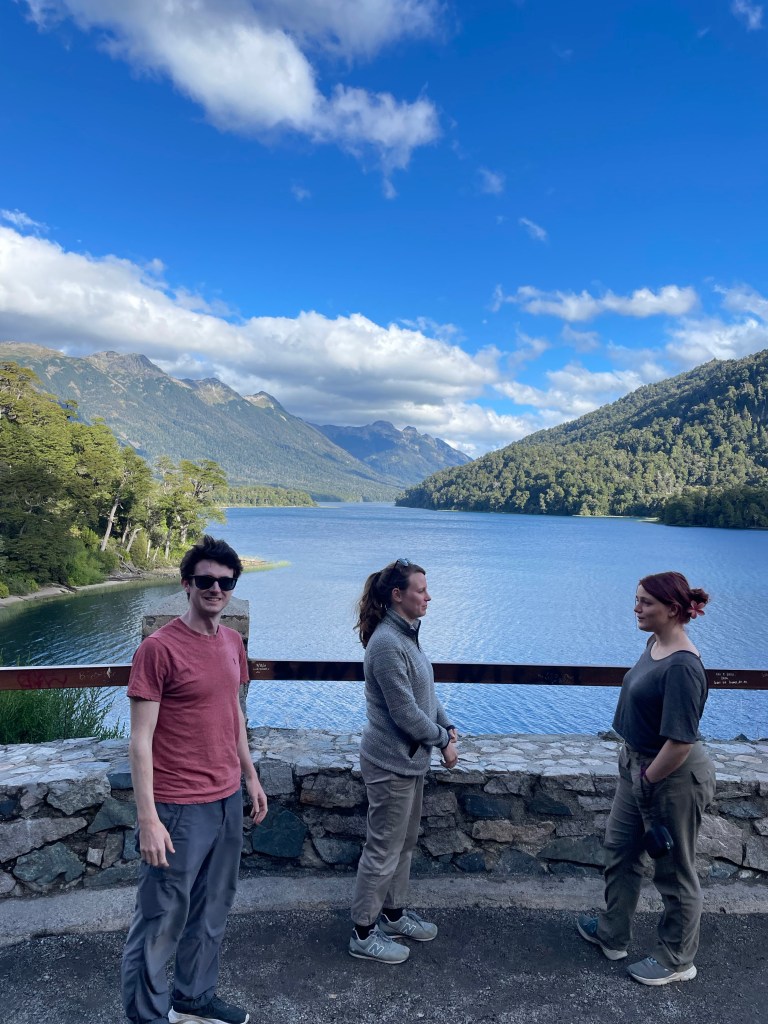
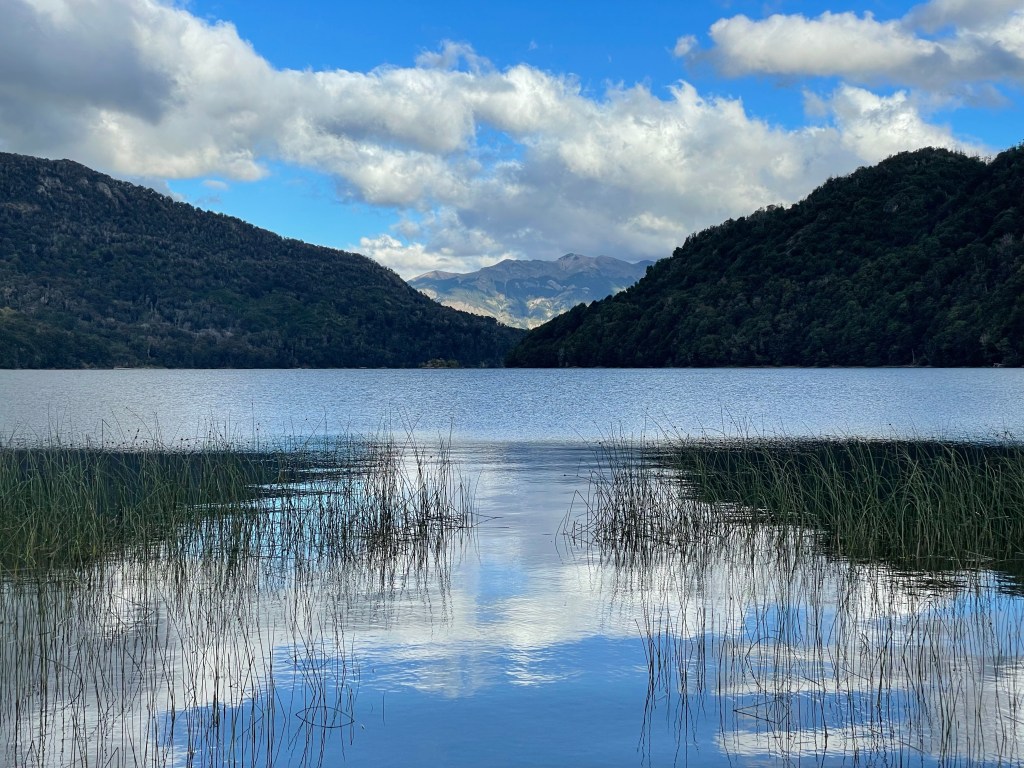

Lanin National Park
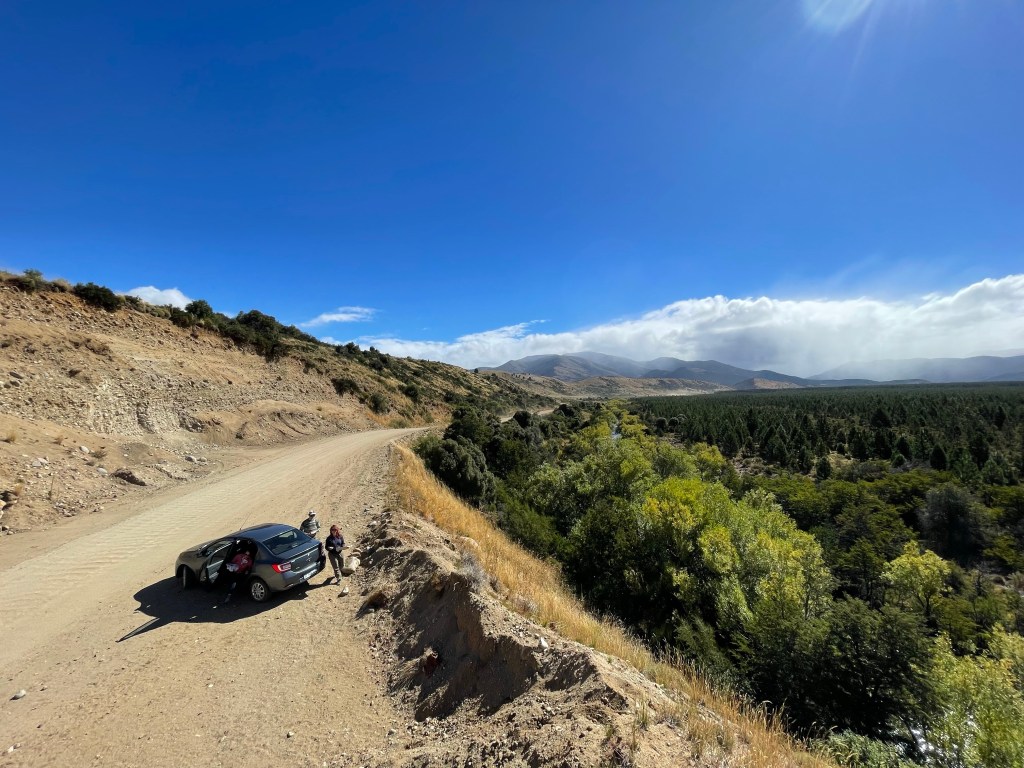
We drove with Chris and Alice to the north of San Martin towards Junin de los Andes. After finding some cheap empanadas we went on a scenic gravel drive which was not so scenic. Lunch was taken in the blasting wind, and by the time we got to a vaguely picturesque lake it was raining.
We retired to have dinner and drink beer.
Return to Chile
From San Martin back to Villa angostura and across to the Chilean Lake District
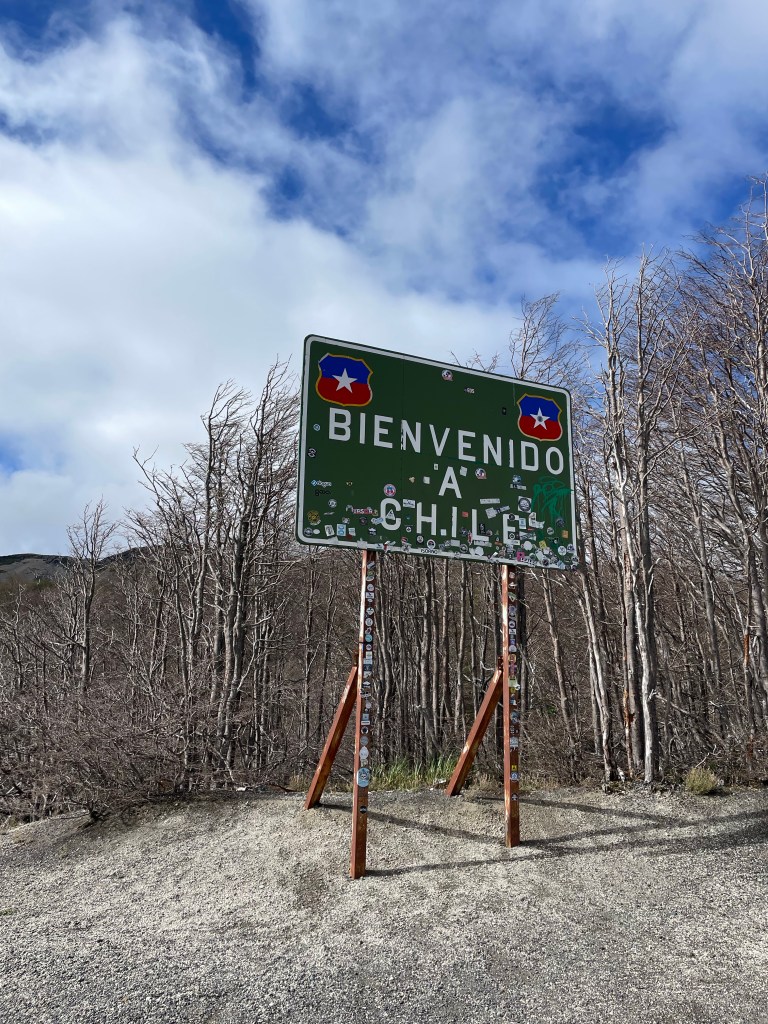
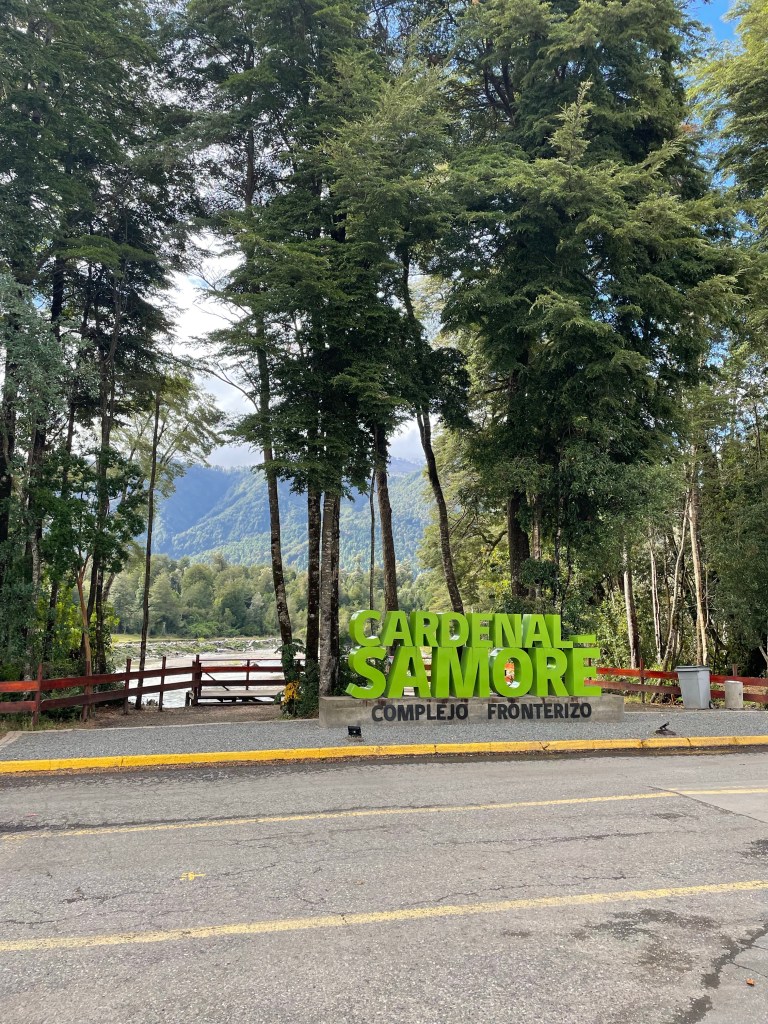
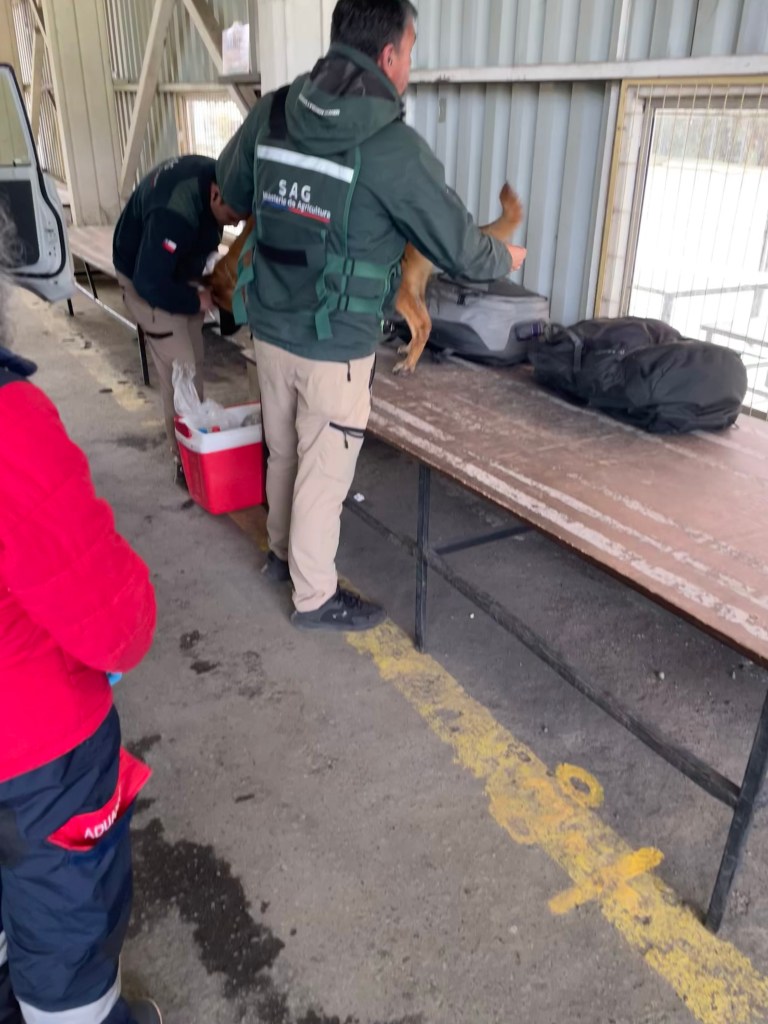
Of course we had our car thoroughly searched at the border, because even if you declare you have some fruit or vegetables they still need to rifle through your bags lest you sneak in a cheeky peach or onion.
Beautiful views of the lakes and volcanoes were mostly spoilt by clouds. We’ve set up camp in Ensenada, here’s hoping for tomorrow.

 Small Holiday Big Dream
Leave a comment