It’s hot in Cartagena. Always. A heavily fortified city on the Caribbean Sea, the place is drenched with naval and colonial history and thus is flooded with tourists, themselves dripping with sweat.
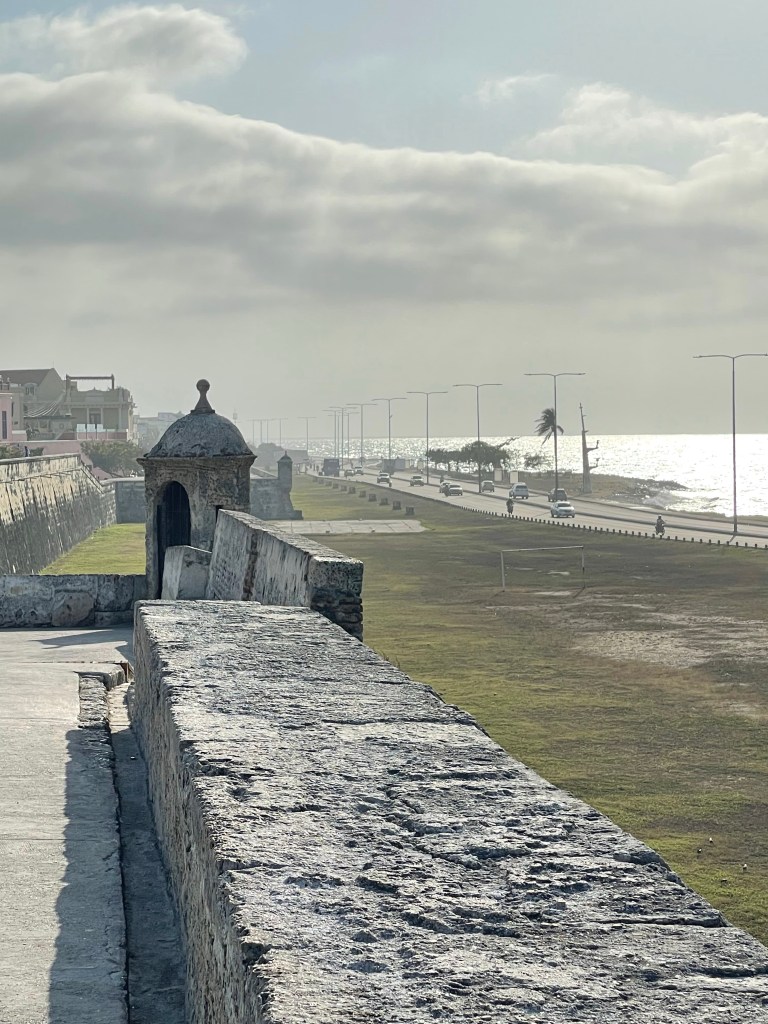
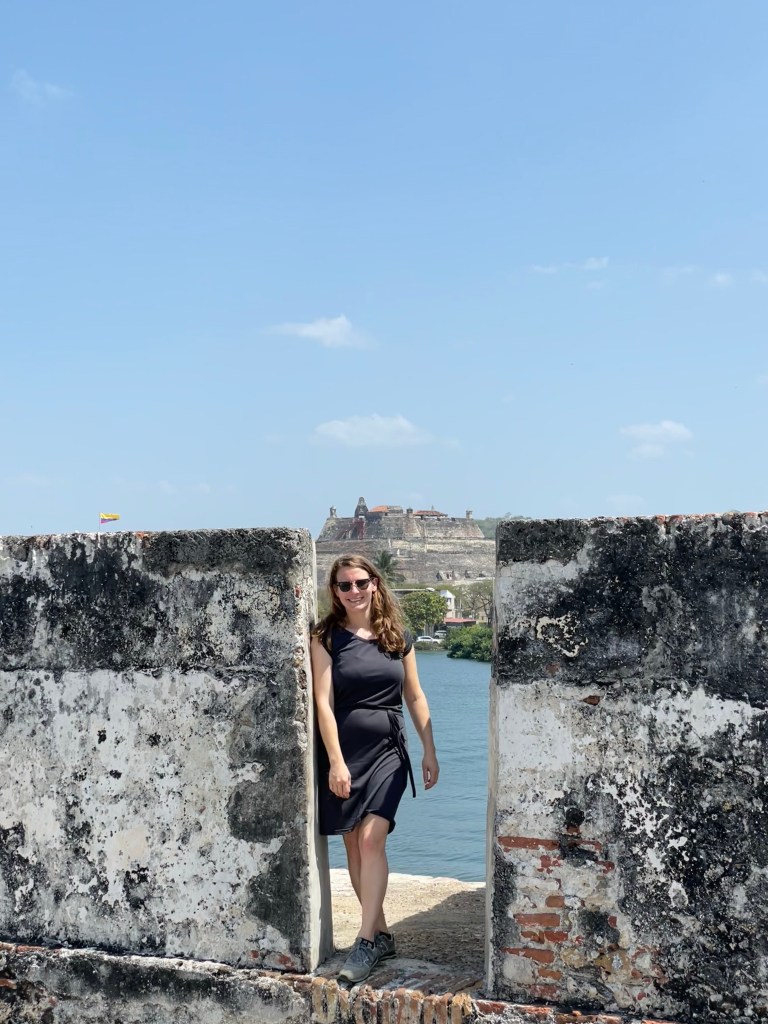
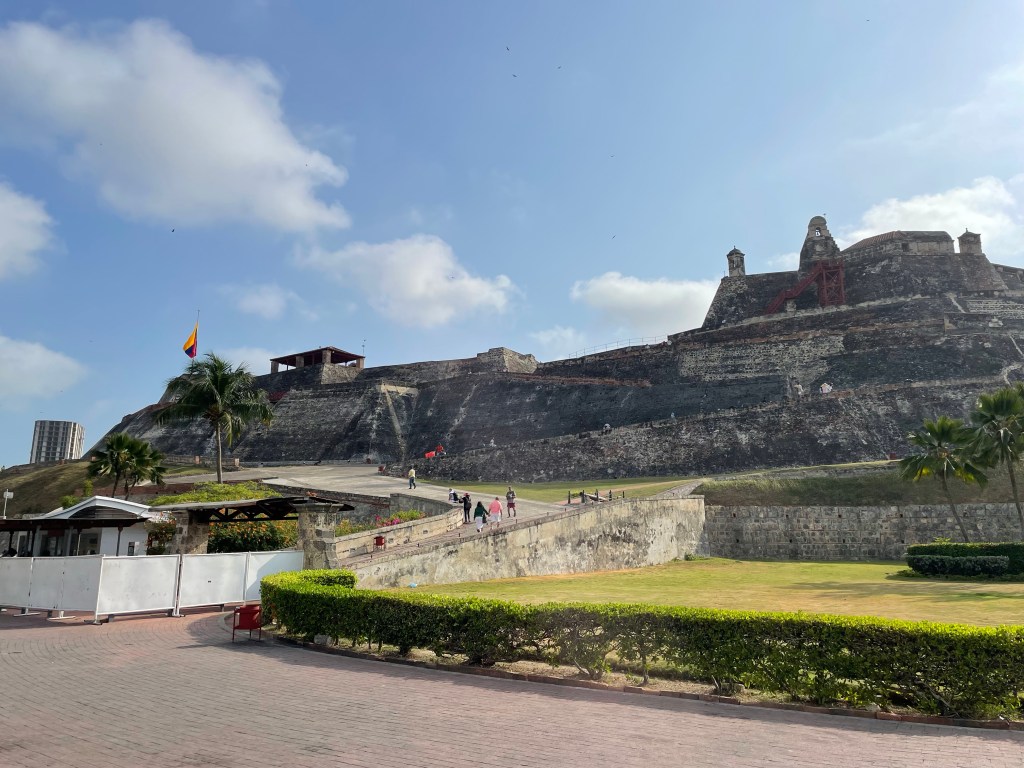
The major Atlantic port in Colombia has always been a strategic location. The city was walled as soon as it was founded, and the fortifications extend to an enormous fortress on the hill to the east of the town, facing the city and the harbour.
All of this was built in the 16th and 17th centuries. Any Naval luminary worth their salt has had a pop at Cartagena. Sir Francis Drake razed the catholic cathedral in retribution for being called a pirate, and Edward Vernon was successfully rebuffed in 1741 (the siege of Cartagena). It’s not just the British that tried and failed to displace the Spanish, there’s a litany of French, Portuguese and Dutch attempts too.
An extraordinary number of cannon litter the walls right around Calamarí (the old city), Getsemani (the nearby extension), and St Felipe’s fort. The walls themselves are still (almost) fully complete, and make a nice walk around the city (strictly daytime only – see: Colombia and violent crime). It’s no wonder the city is on the UNESCO world heritage list.



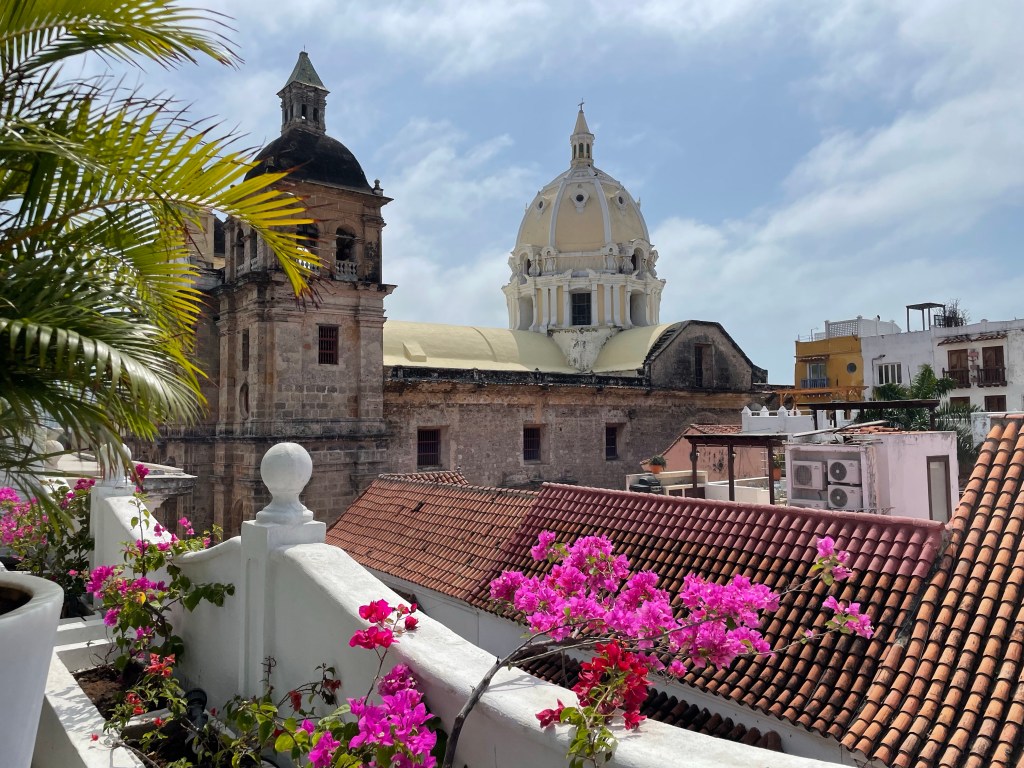
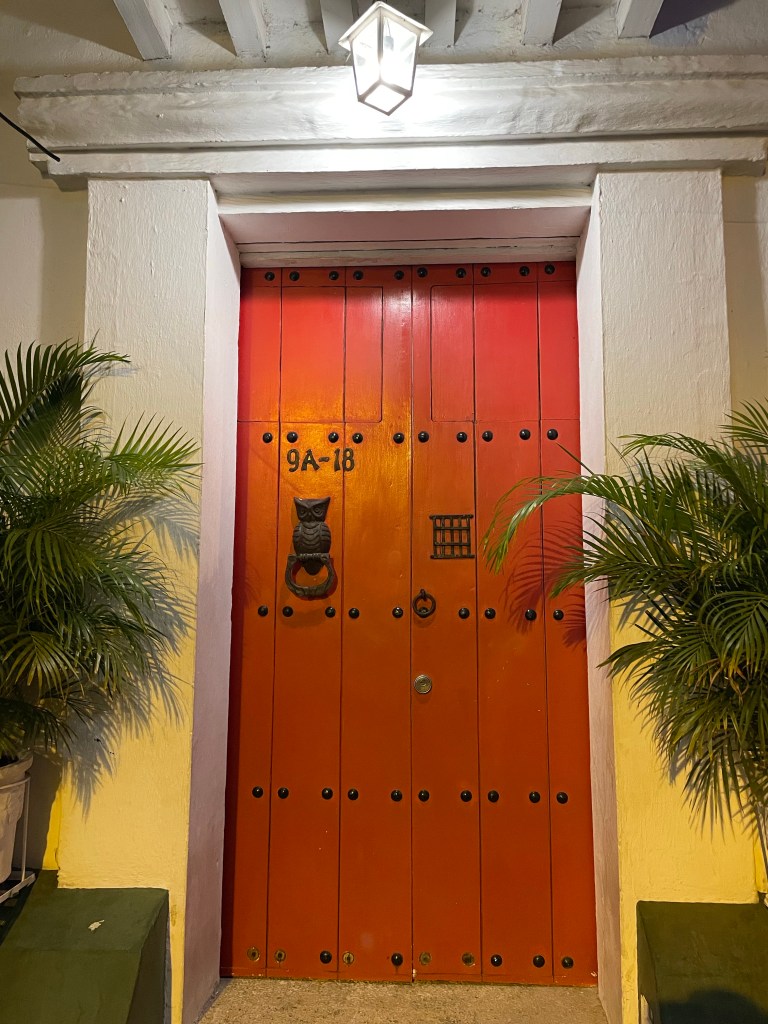
The centre of Calamarí is full of beautiful old streets lined with colourful houses complete with ornate wooden balconies topped with flowers. It’s a honeypot for American tourists, and as such the accommodation prices here outstrip those anywhere in Colombia.
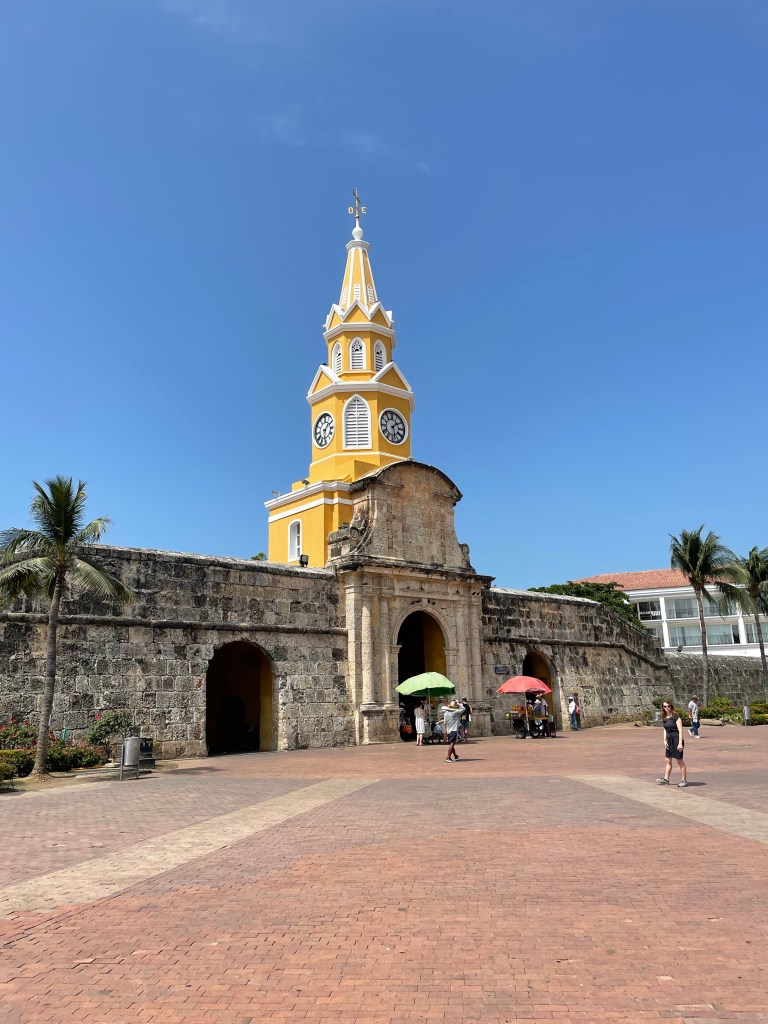
Places of interest inside the old city include the clock tower gate (Torre de Reloj), San Pedro’s convent, the cathedral, and of course Plaza de Bolivar. But most joy can be gained by sauntering through the old streets slowly, any quicker and you’ll work up a fierce sweat.
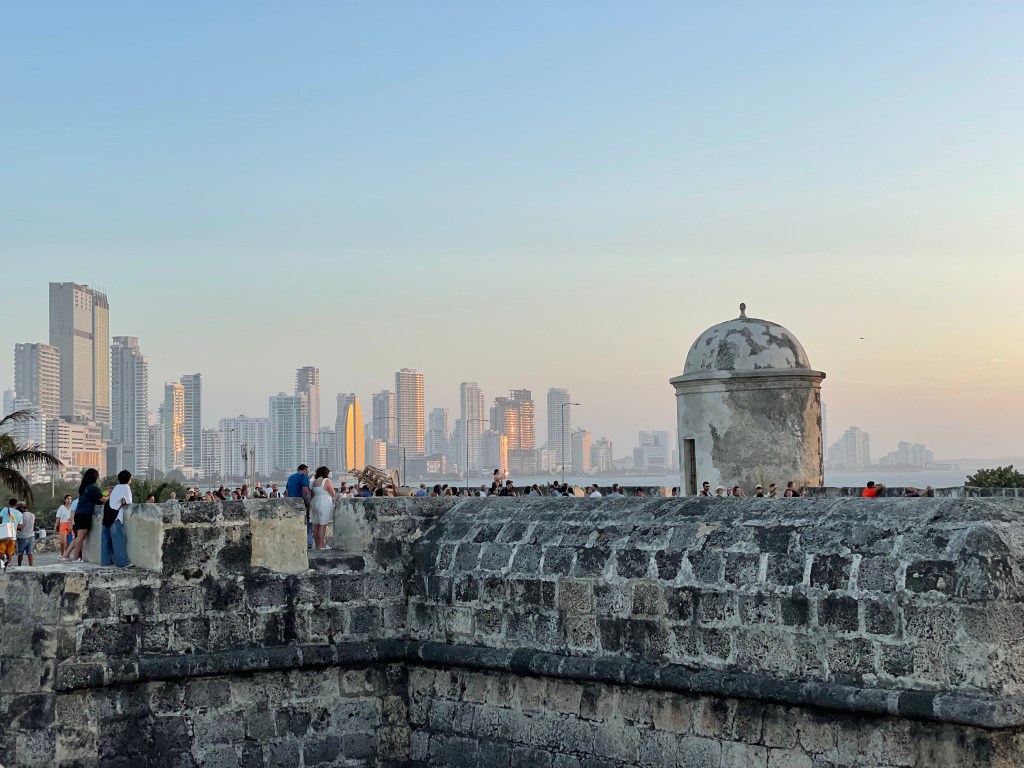
The western parts of the city walls attract huge crowds at sunset – you’ll be recommended it when you arrive – and all visitors definitely get the memo. The breeze cools as the light fades and the temperature becomes briefly pleasant, before the wind dies down and humidity builds.




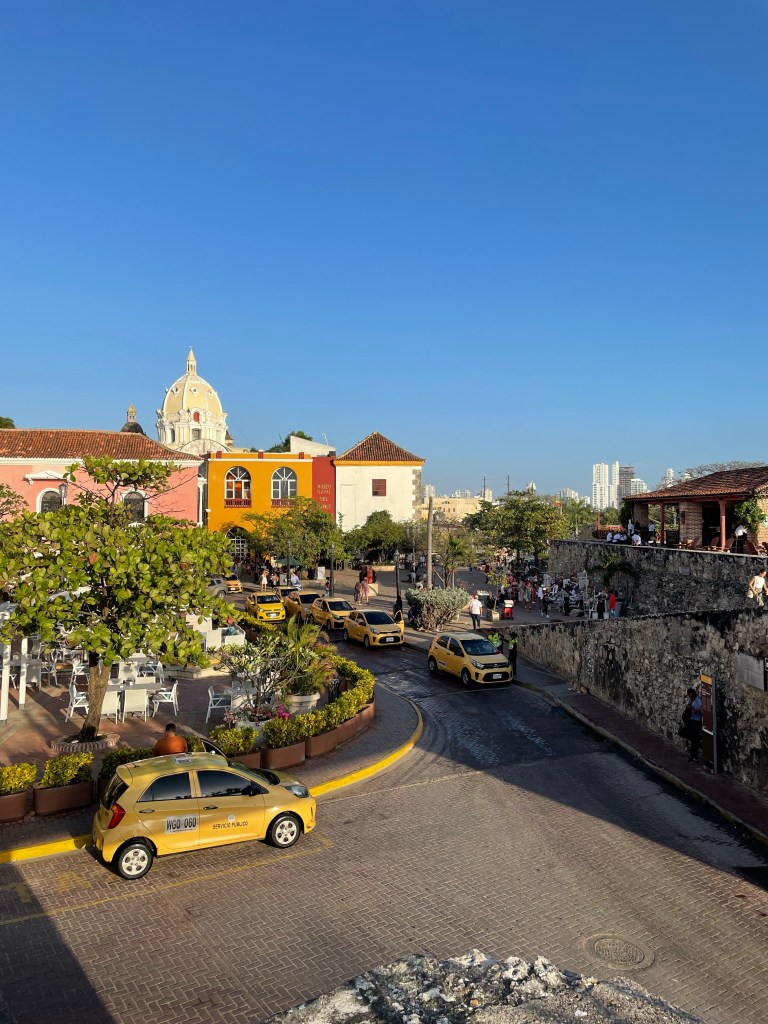
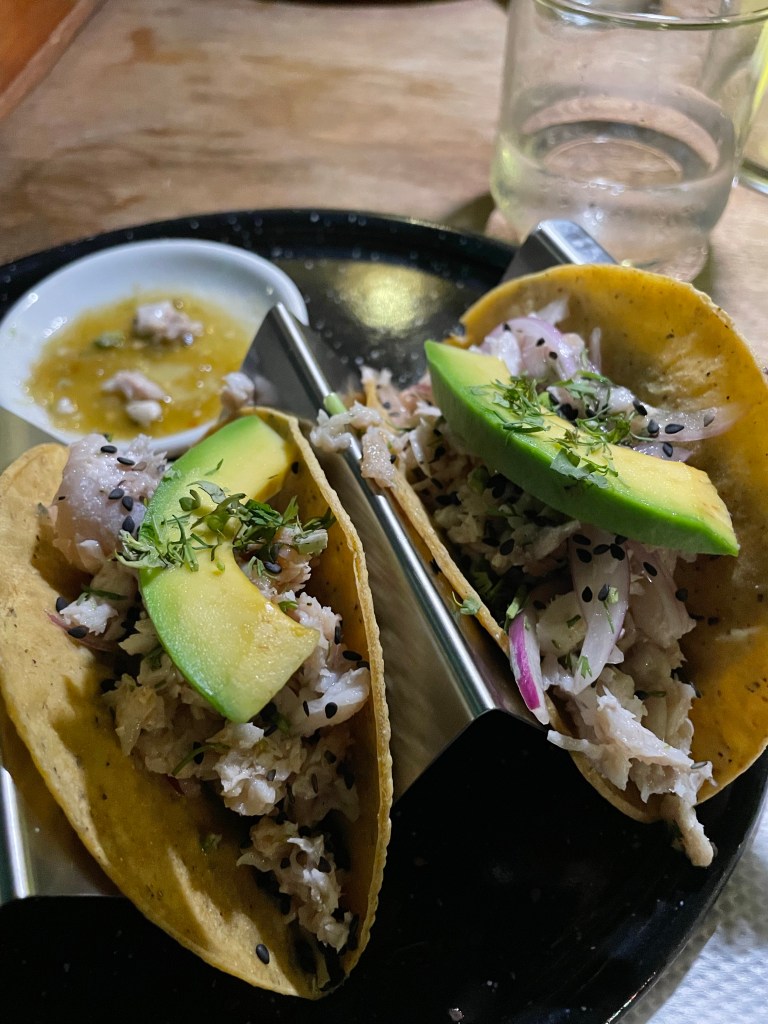
Getsemani is the edgier district close to the main city gate. Whilst still being very touristy, prices here are more palatable, and the atmosphere more Latin and less cruise-shippy. On both nights we had excellent Tacos and Limonada de Cocos here, the latter being a fantastic local cure for the high temperatures.


Bocagrande is the island to the southwest of the old city, we didn’t visit, but it’s the place with all the tall apartment blocks which feature in some photos. (In case you were wondering. You weren’t? Oh well…)
Most visitors take day trips to the nearby tropical islands to sit at fancy beach clubs and sip cocktails. The opportunity is presented every 20 seconds by pushy sales reps in the old city, but we passed by virtue of it not really being our vibe. We passed our time in Cartagena exporting every nook and cranny of the town. We started with the free walking tour, which was a good introduction to some of the history.
A huge part of the story is the association of the port with the Atlantic slave trade, something the Colombians appear to excuse the Spanish for and blame mostly the Portuguese. Palenque is a place nearby where freed and escaped African slaves built their homes. After being established there for some time, women wearing brightly coloured dresses, would visit Cartagena to sell tropical fruit from bowls balanced on their heads. Nowadays they still visit the town to pose with tourists seeking that stereotypical Cartagena souvenir, for a couple of dollars a time.
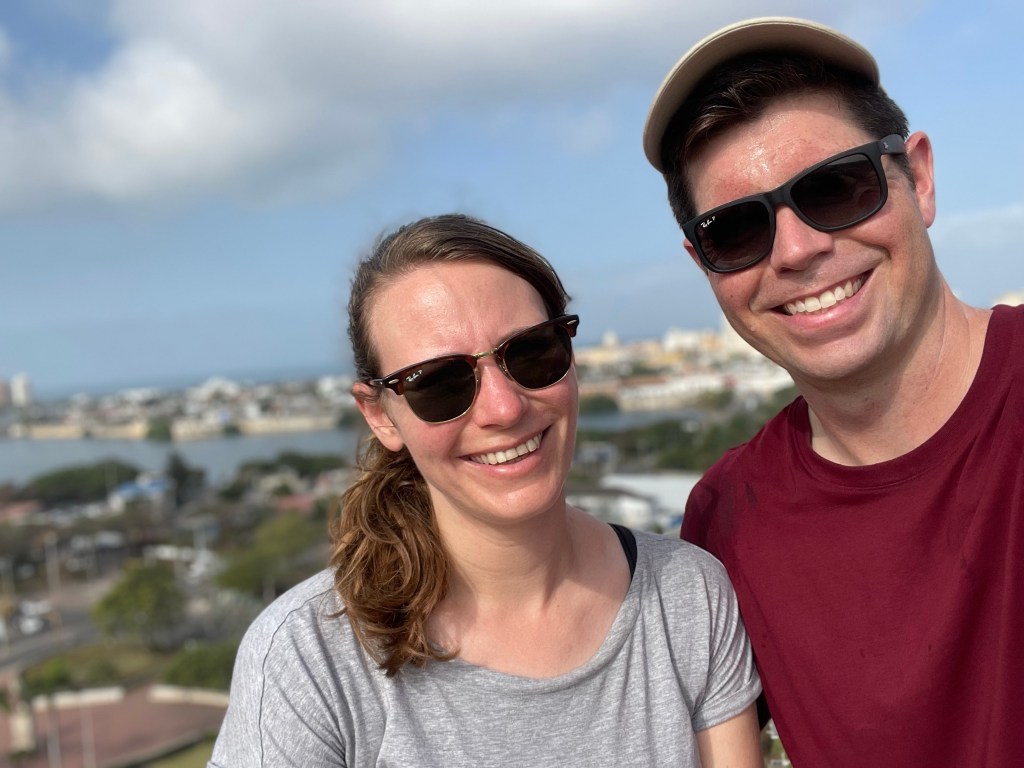
One thing we did is try mango verde with lime and salt from a street vendor. It tastes sharp, and in hindsight not convinced it was worth the after effects. On our last morning we walked over the bridge and around the imposing San Felipe fort outside the city for a great view back over the town. It’s a worthwhile visit, go slowly up the hill, our lasting memory being the sweat and the inescapable heat.
Punta Arenas is our next destination. With daytime temperatures peaking in the mid-teens it’ll be a shock to the system.
- The infamous Binga-Karoi road
- Mana Pools: A bucket list location?
- Camping Among Lions: Chitake Springs Experience
- Chirundu: The worst border in the world
- The Wild Dogs of Jeki: Sunrise in Lower Zambezi
 Small Holiday Big Dream
Leave a comment