Today we left Savuti for the Khwai riverside. Before departing however, we had one more game drive with our guide Isaak and the Savuti Safari lodge.
We headed to see if we could locate last night’s leopard and cub.

It didn’t take us long. Close to where we had been last night we found the two cats resting contentedly in the long grass. It is incredible how well their camouflage works for them, move your head slightly to one side and they will completely disappear from view.
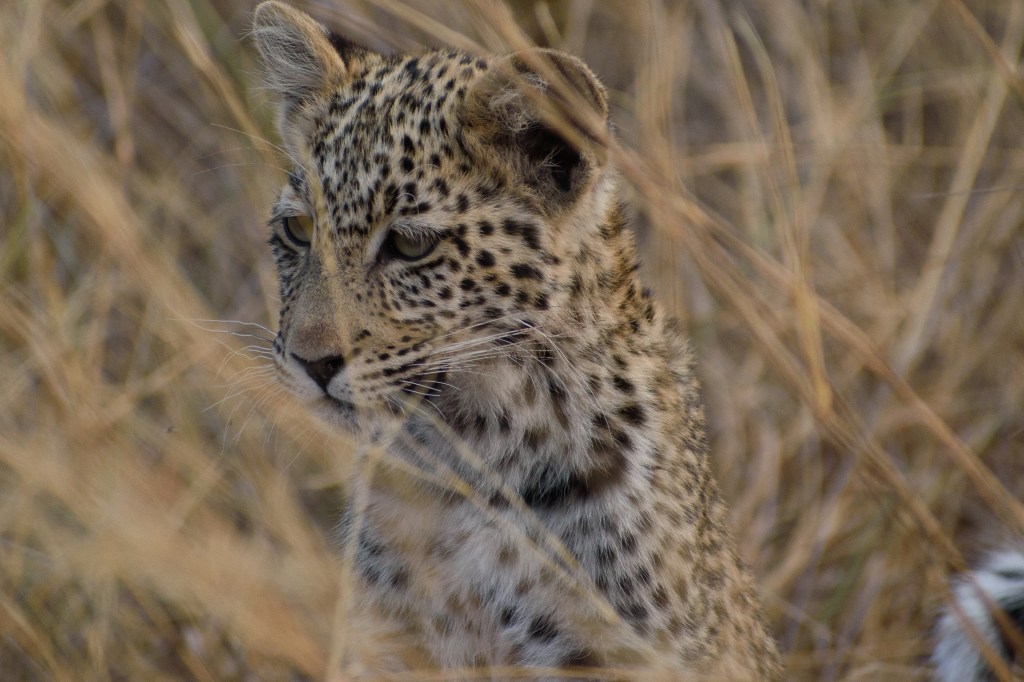
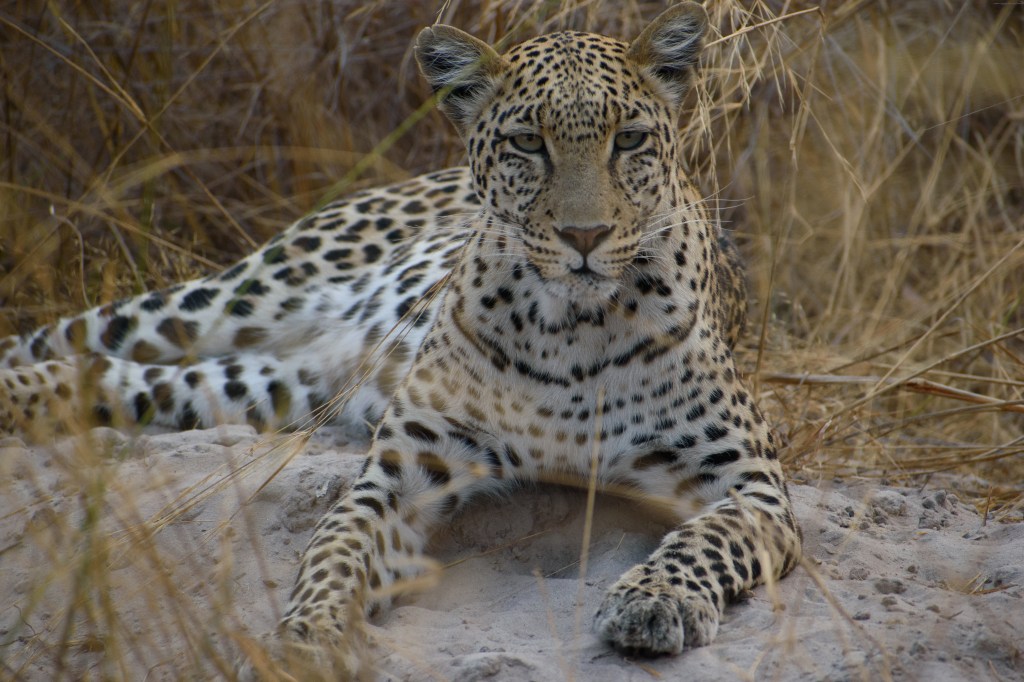
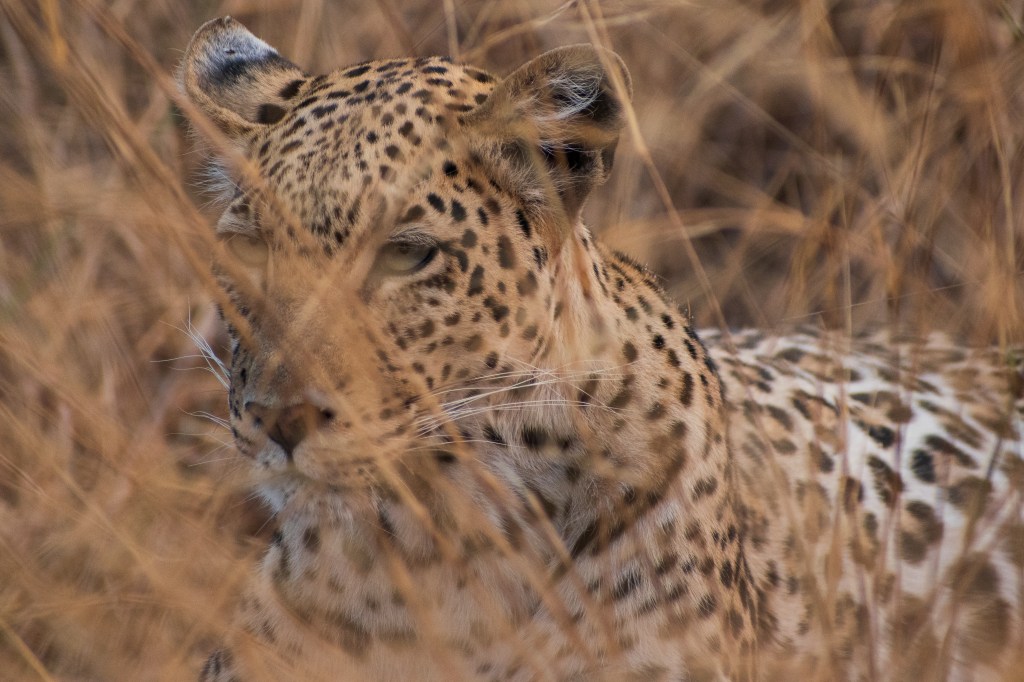
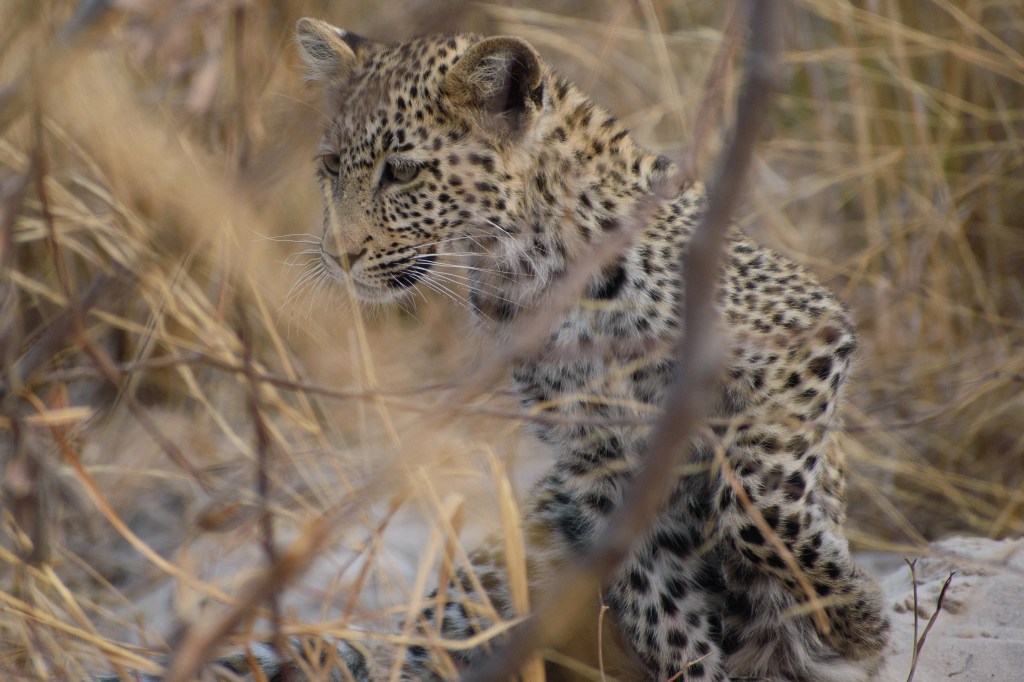
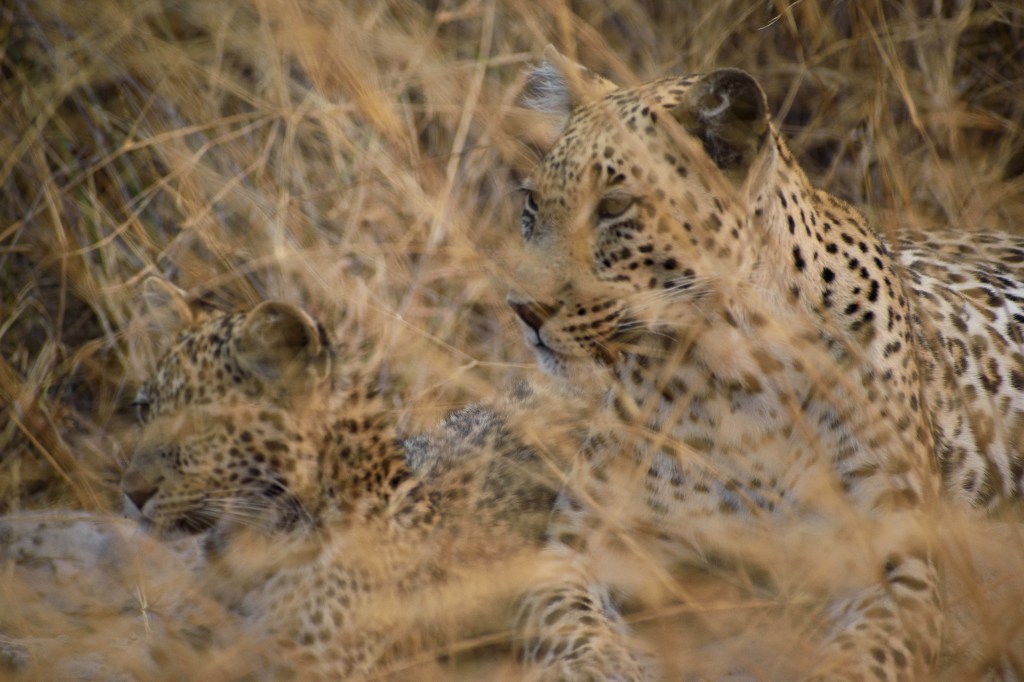
The young cub busied himself scratching around the brush for points of interest. Mother had absolutely no intention of moving a muscle. Both were content from a good meal overnight, and were much less bothered by the safari vehicles being close by.
A couple of self-drivers had hit the jackpot, following the safari vehicles down a dead end track had led them right to an exceptional sighting.
At Savuti it isn’t too crowded – unlike the chobe riverfront. There are two safari lodges and a public campsite with limited capacity, plus there are a few camp areas for mobile safari operators too. All this means sightings don’t get too crowded, however when everyone in the area approaches the leopard it does get a little bit uncomfortable.
Technically off-road driving and night driving are prohibited within the national park, and most drivers and guides respect the rules. So whilst you might not get the perfect angle for your Instagram photo, you can be sure the wildlife has more opportunity for a peaceful exit into the undergrowth.
After the game drive we filled our boots at the lodge, given the cost we had no shame in pouching some soft drinks and snacks for the road.


We were heading south, out of the desert area of Savuti, and towards our first taste of the Okavango delta.
There are two options to drive, and we’ve written up the instructions in more detail in cas eyoure’ interested to copy our trip.
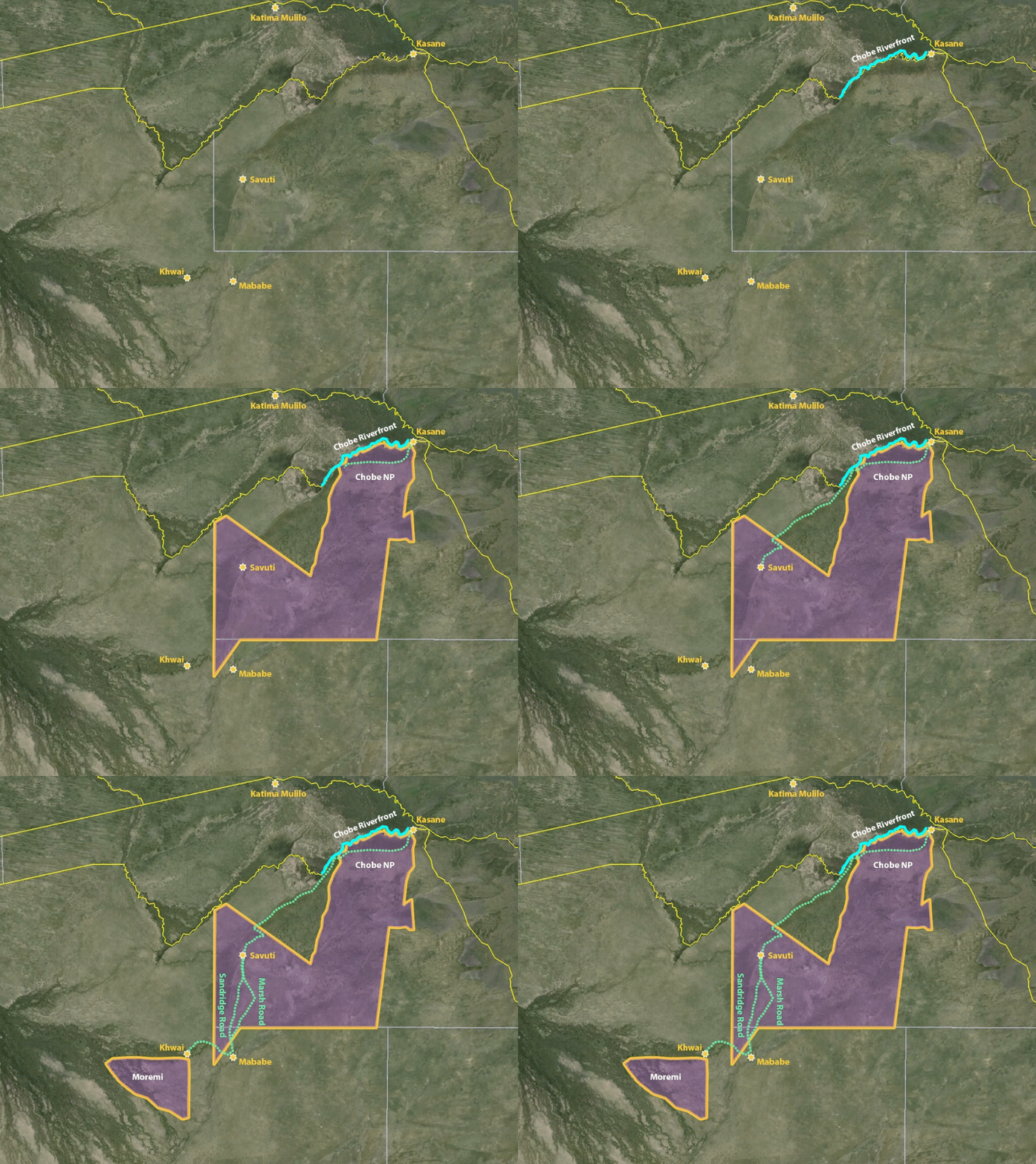
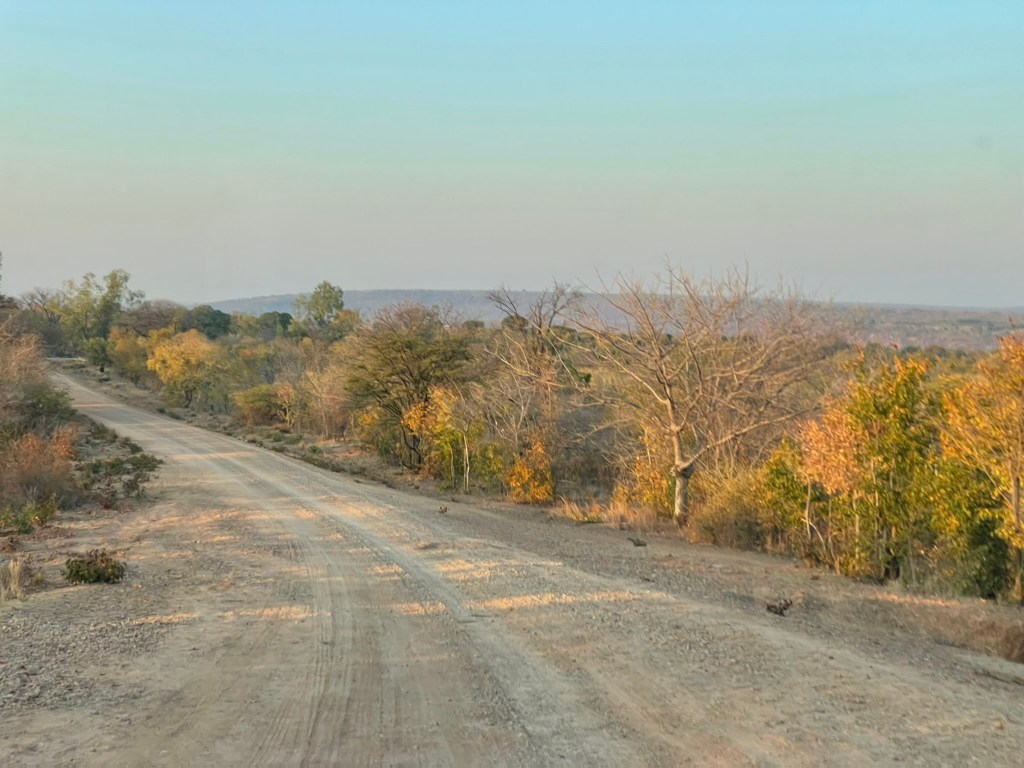
The Sand Ridge road is to be used in the summer, the wet season, where the water in the sand makes a nicer surface to drive on. The marsh road is an impassable bog in the summer, however in the winter (dry season) it’s dried out enough to be a great driving surface. If a little too bumpy in places!
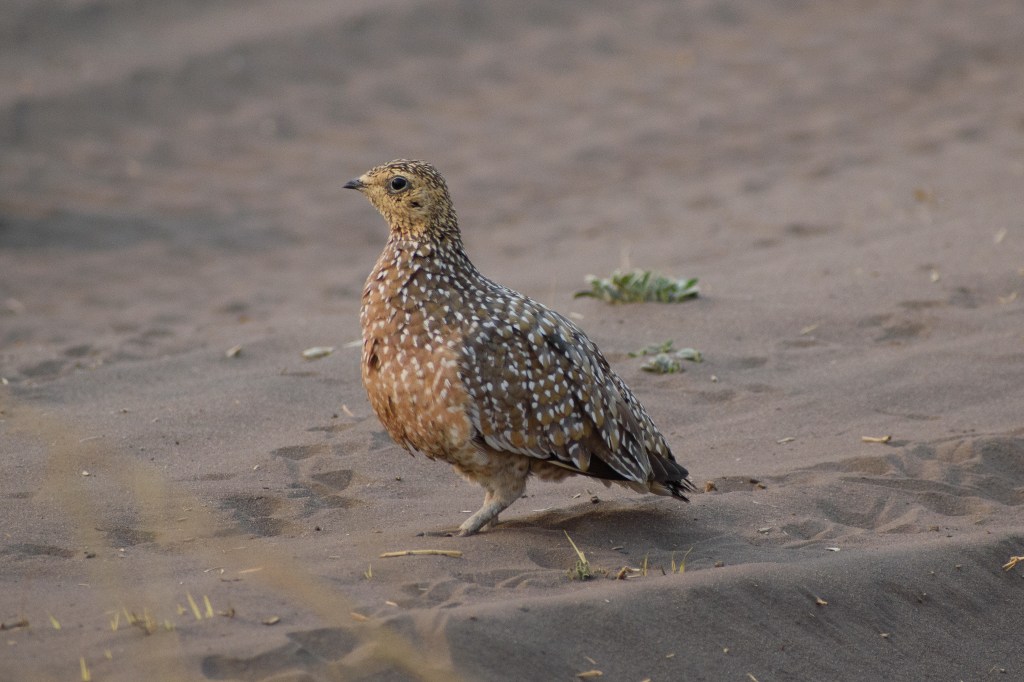


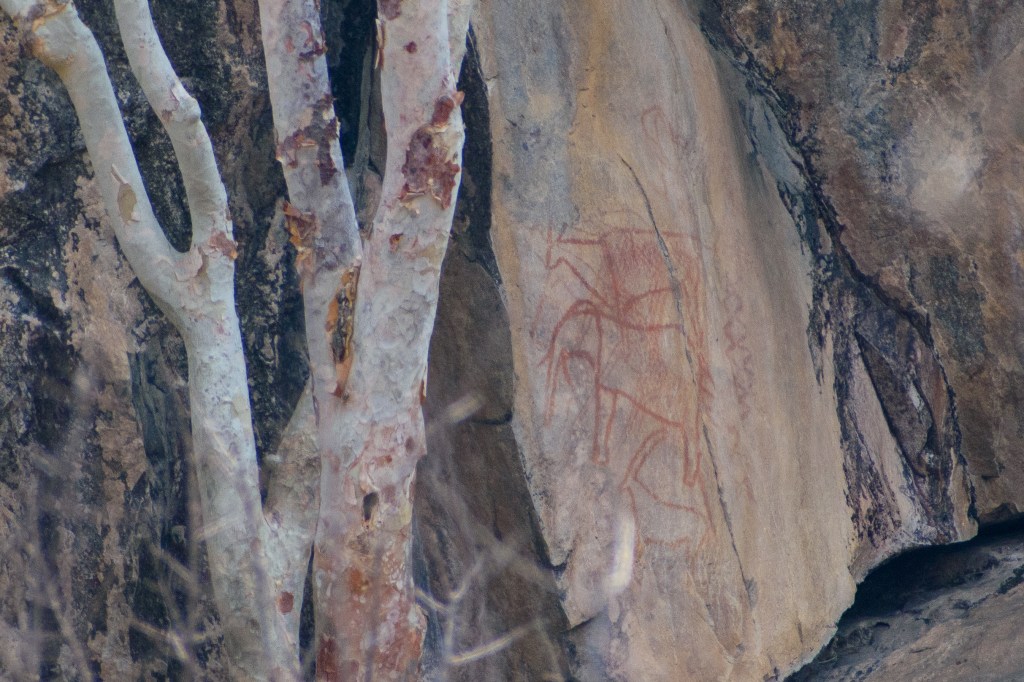
It’s recommended to allow more time for this leg of the journey. Whilst the route finding is straightforward, the time it takes to cover the distance is significant. Having left at 1pm or so, we found ourselves straining to reach our destination prior to sunset at 6:15pm. Mostly our fault as we spent far too much time tracking down game near Savuti. We also visited the bushman painting on a rocky outcrop, which took us a while to identify and was not all that impressive, but worth a short visit nonetheless as it’s one of the few places you can leave your vehicle without breaking the park rules.

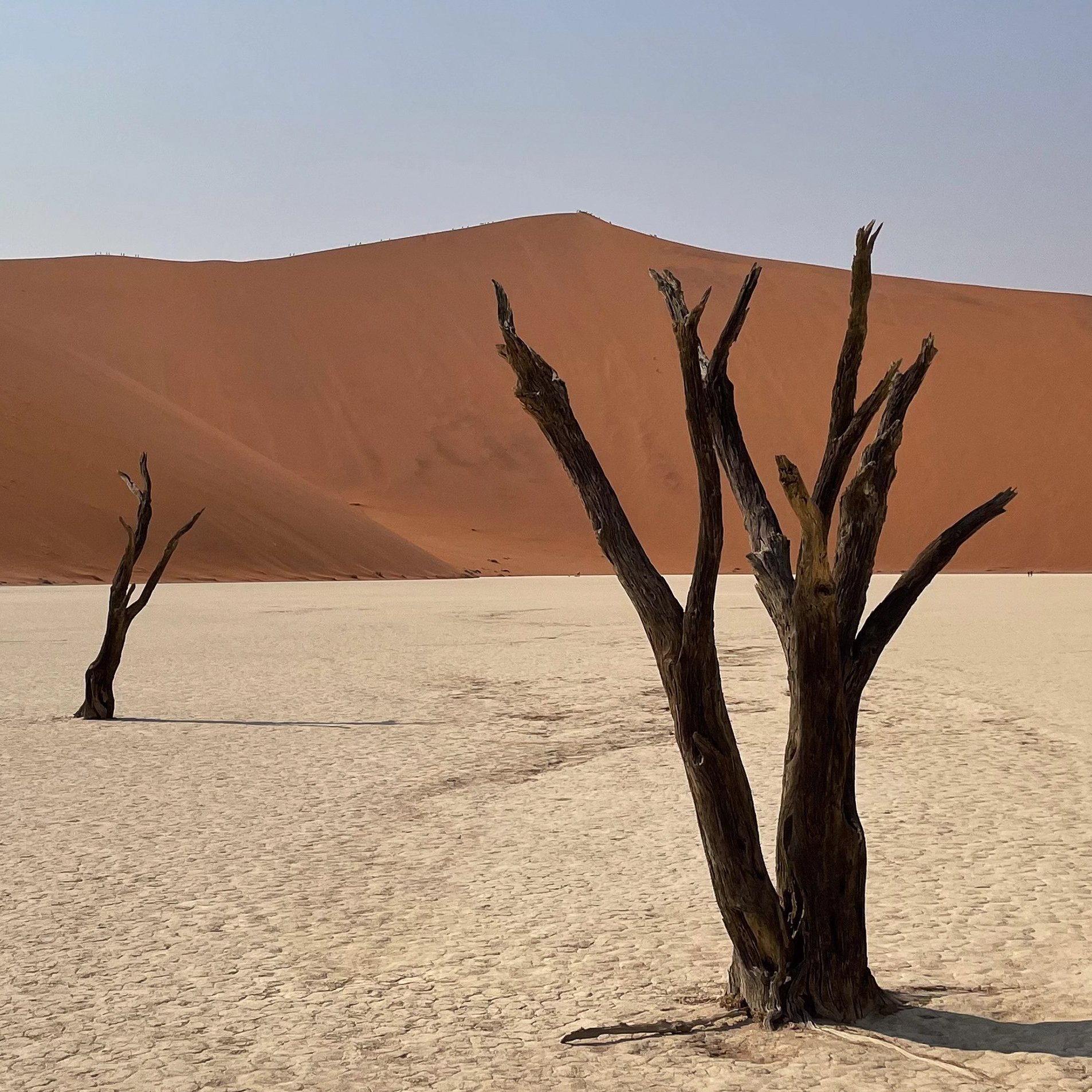
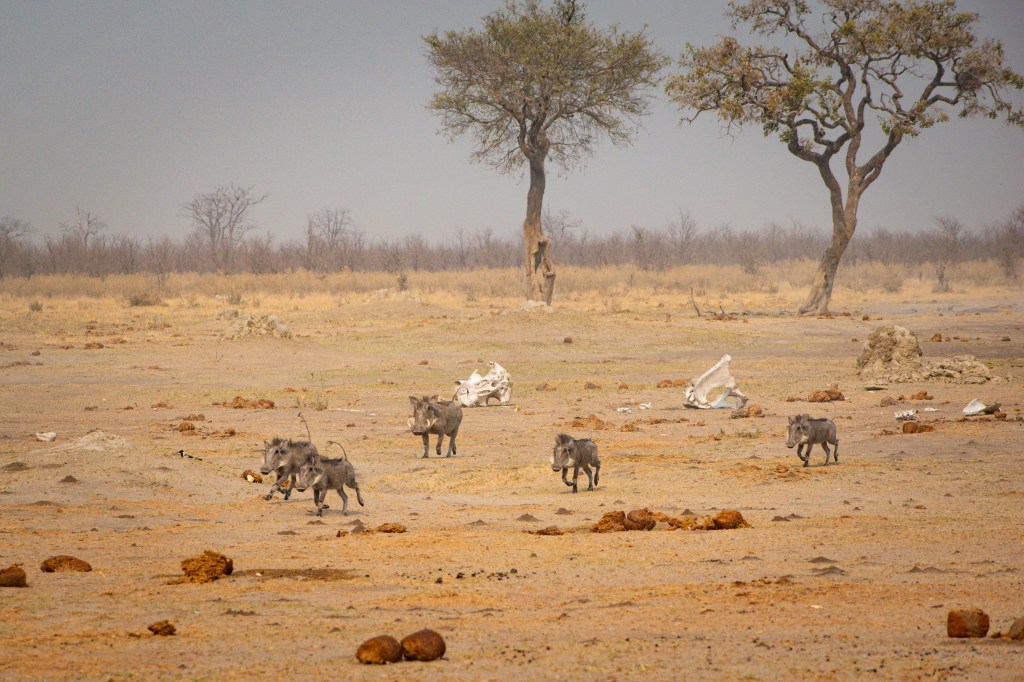
The Savuti marsh is a bit of a misnomer in the winter – in reality it’s a dry desert littered with the stumps of dead trees. Back when the Savuti channel was flowing, now nearly 10 years ago, the area was covered in water. That’s what killed the trees, but since the flow stopped the area has been dry – in the summer the rains will pool here and make it impassable, in the winter it becomes a dry and desolate place.

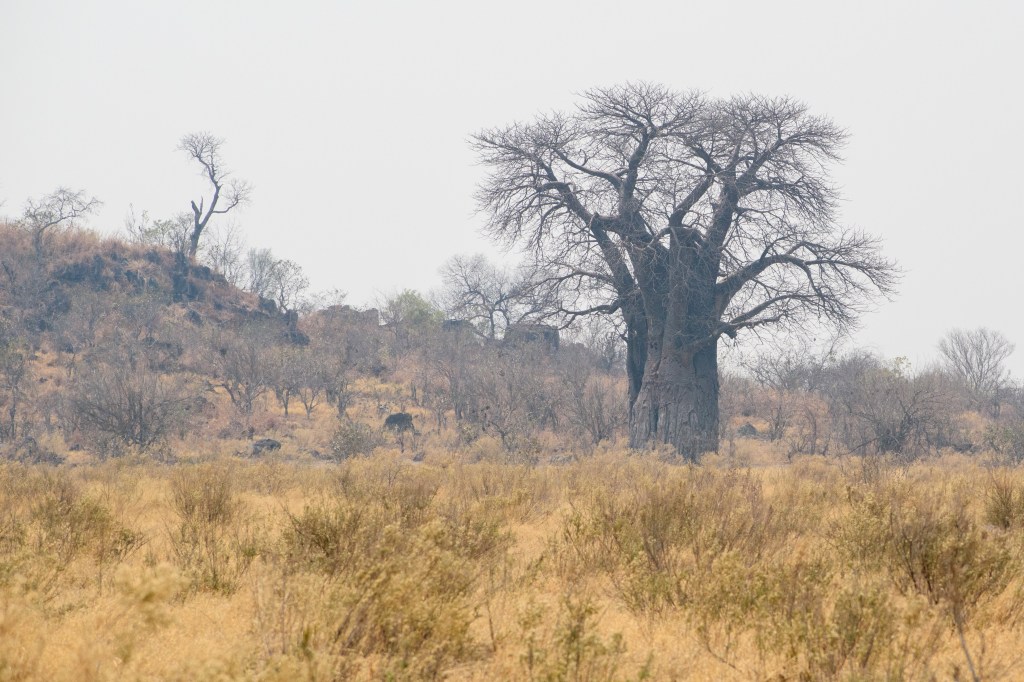

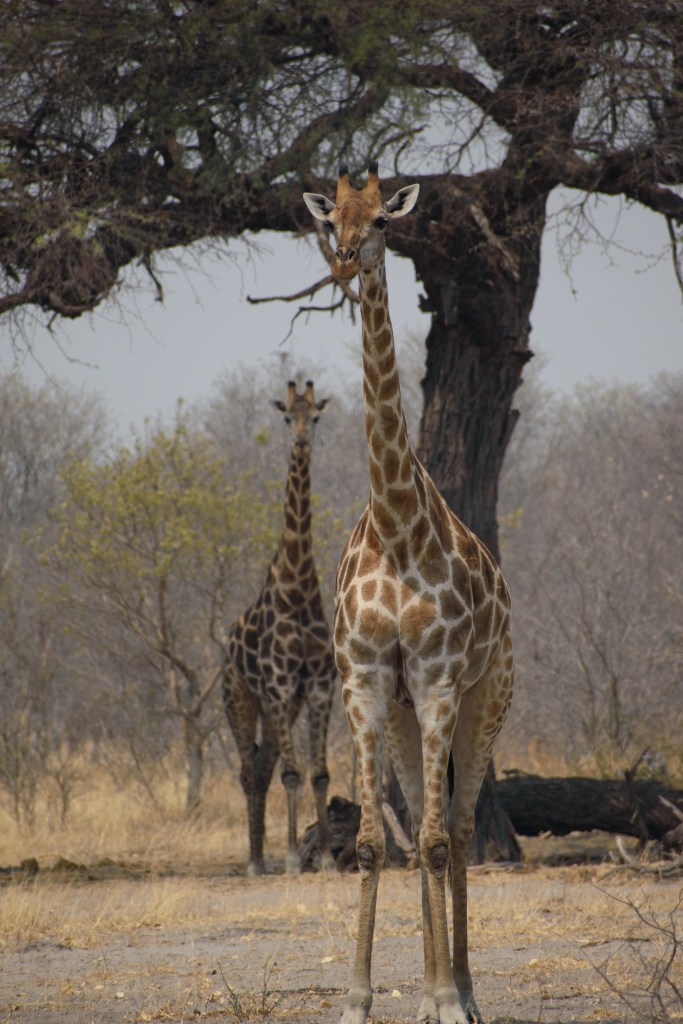

A few hours later we were approaching Mababe gate, which is the southernmost exit of the Chobe national park. Here a large number of vultures were perched in trees and circling above the forest to the left of us. Straining for a glimpse into the bush we couldn’t see what all the fuss was about.
At the park gate the warden told us the local pride of lions had killed their second elephant in a week. Far from being a necessity out of hunger, the lions here have perfected the art of hunting elephants and had simply taken down a young bull who had the misfortune of stumbling across them. Either way, we couldn’t catch a look, and so continued thereon towards Magotho campsite.
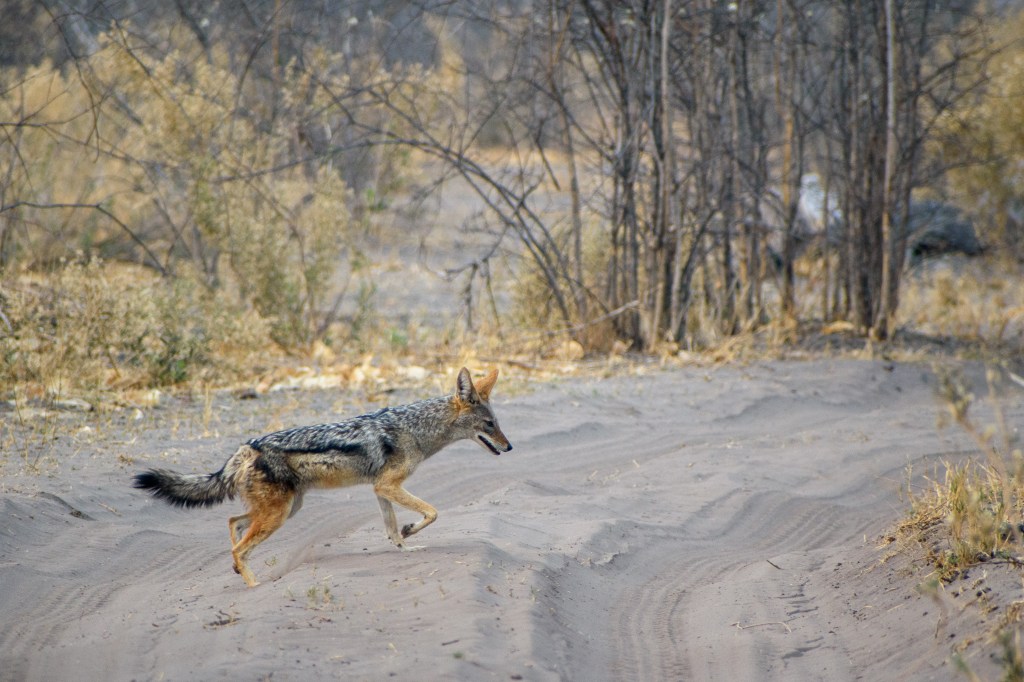
Once again, time was running out. Less than an hour until sundown and we still had many more miles of sand roads to cover. A vulture picking at a dead Aardwolf on the Khwai Transit road provided much intrigue, but we quickly pressed on to our riverside camp.
Magotho is a campsite run by the Khwai Development trust. Unless you have the right what’sapp number they are almost impossible to contact. Bookings are most easily made via a travel agent in Maun, we used Botswana Footprints, but there are others who offer the same service. Unfortunately for a one night stay the service fee made this a rather pricey option. However it was probably the one stop on the whole circuit which we had anticipated the most.
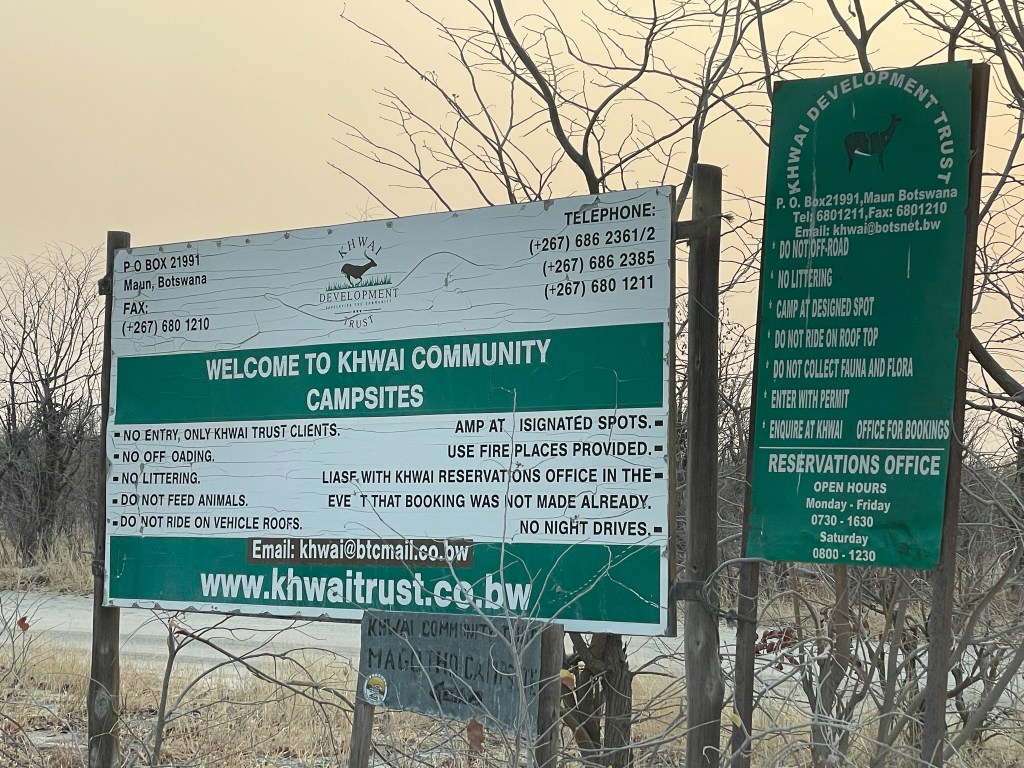
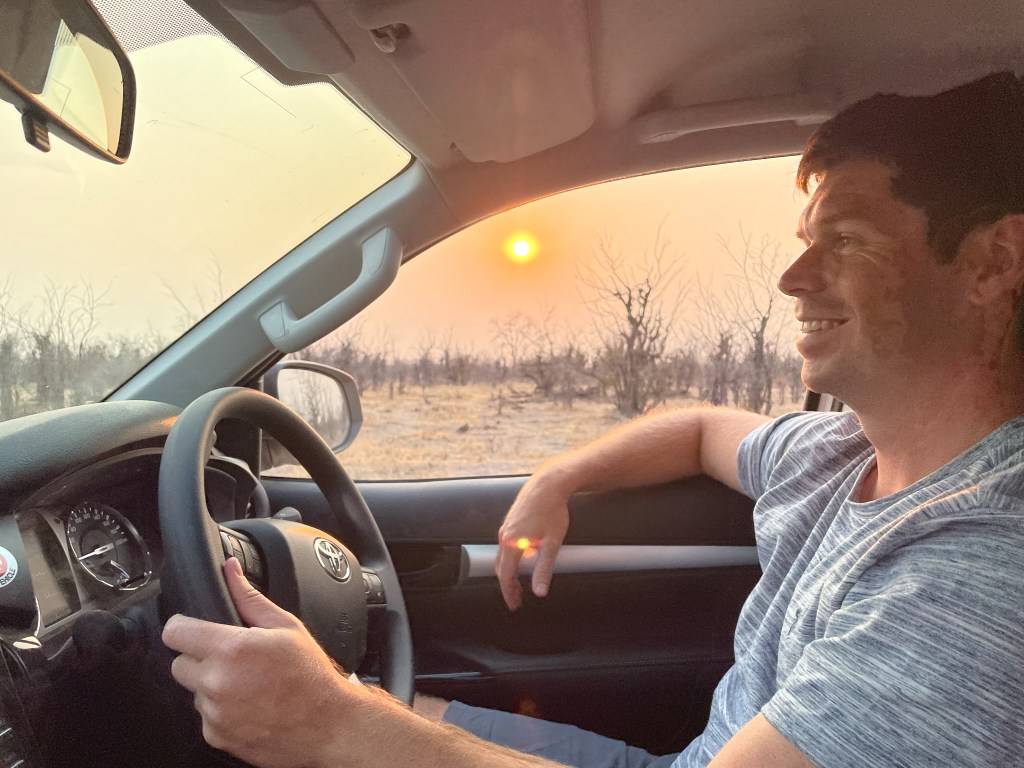
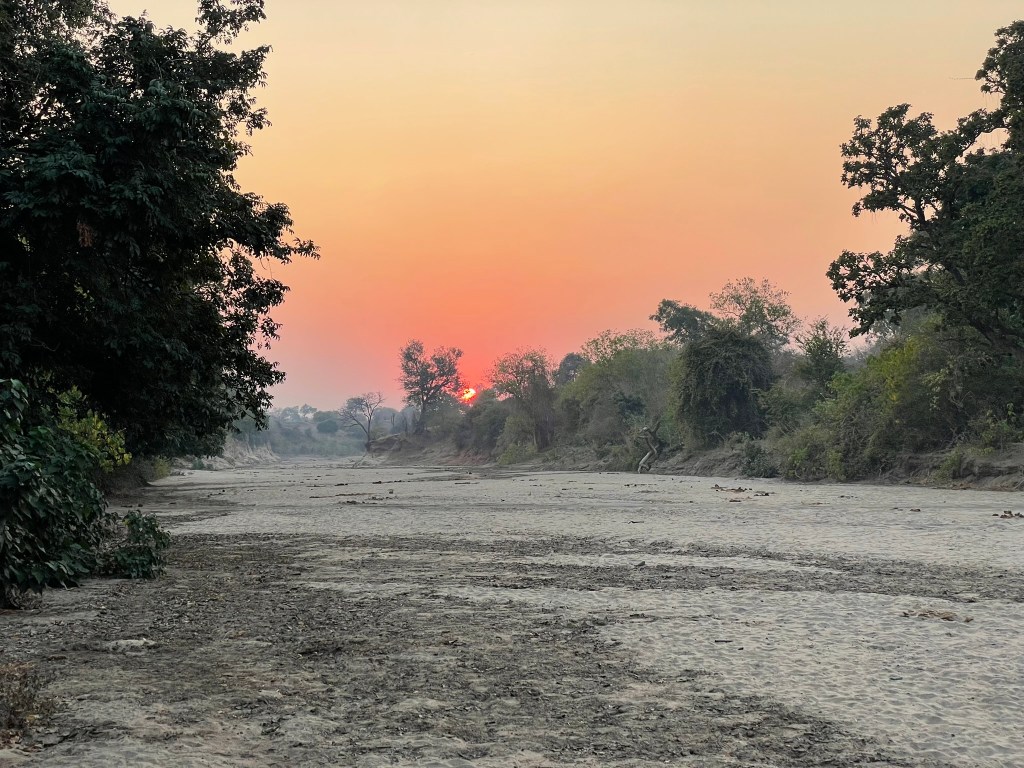
Not surprisingly the landscape at the Khwai riverside was completely different to Savuti, large marula and sausage trees shaded picturesque secluded campgrounds. We were allocated Old Camp #4 – which was a beautiful spot right by the water’s edge and under a ‘well used’ marula tree.
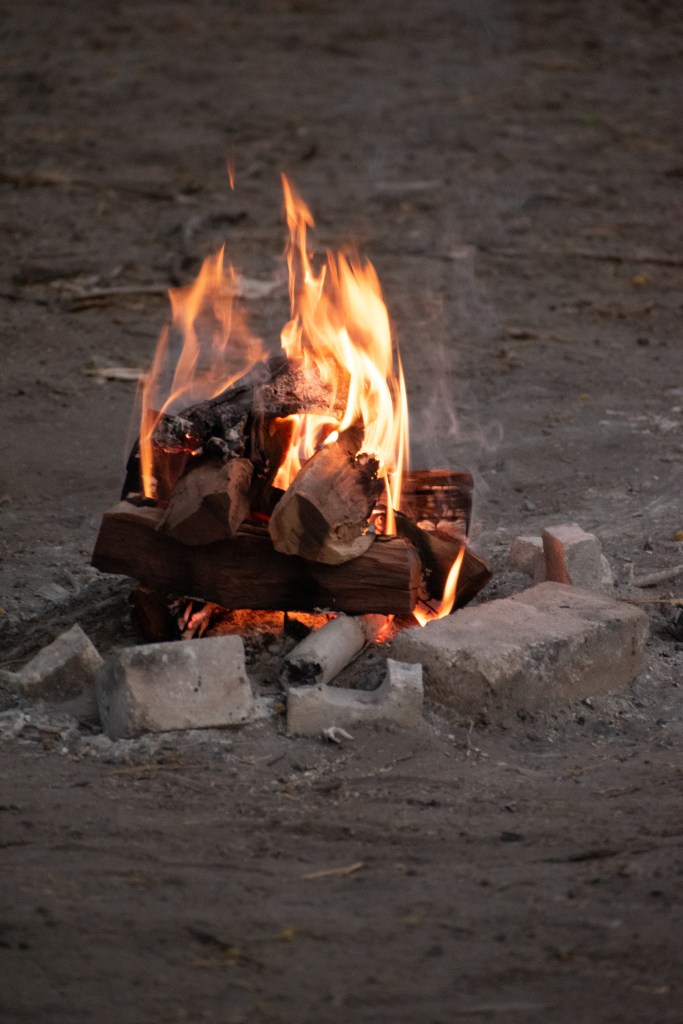
Magotho is completely unfenced, and the campgrounds are very well spaced. With the sun rapidly setting we quickly set up camp and got our fire going for a braai.
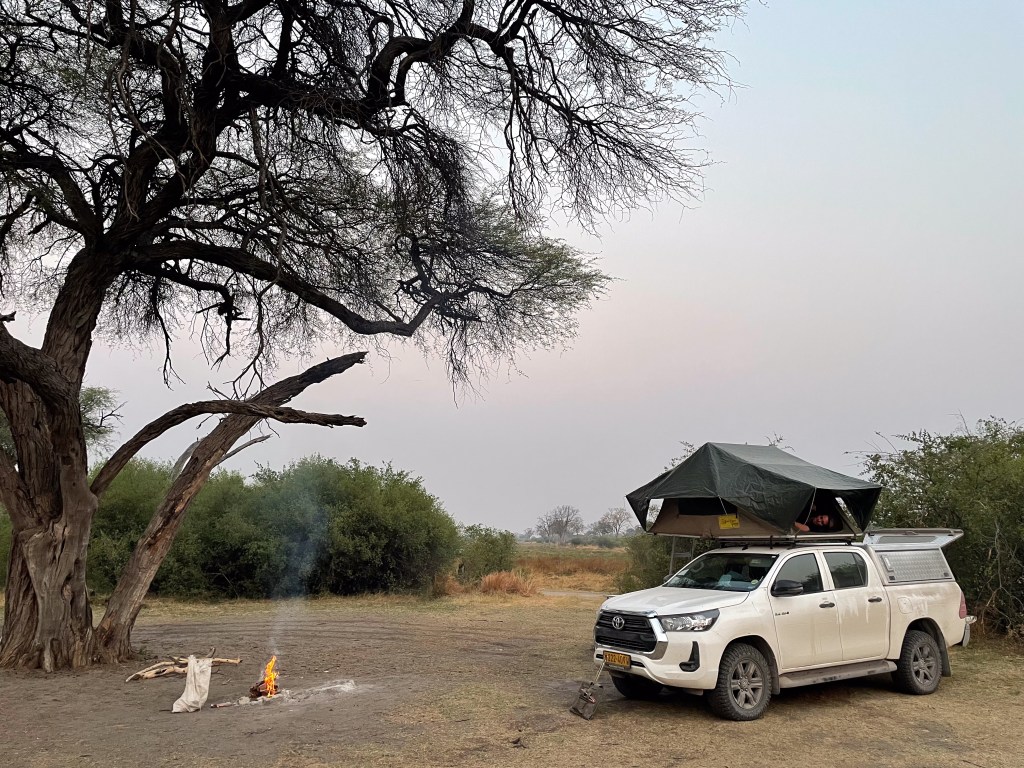
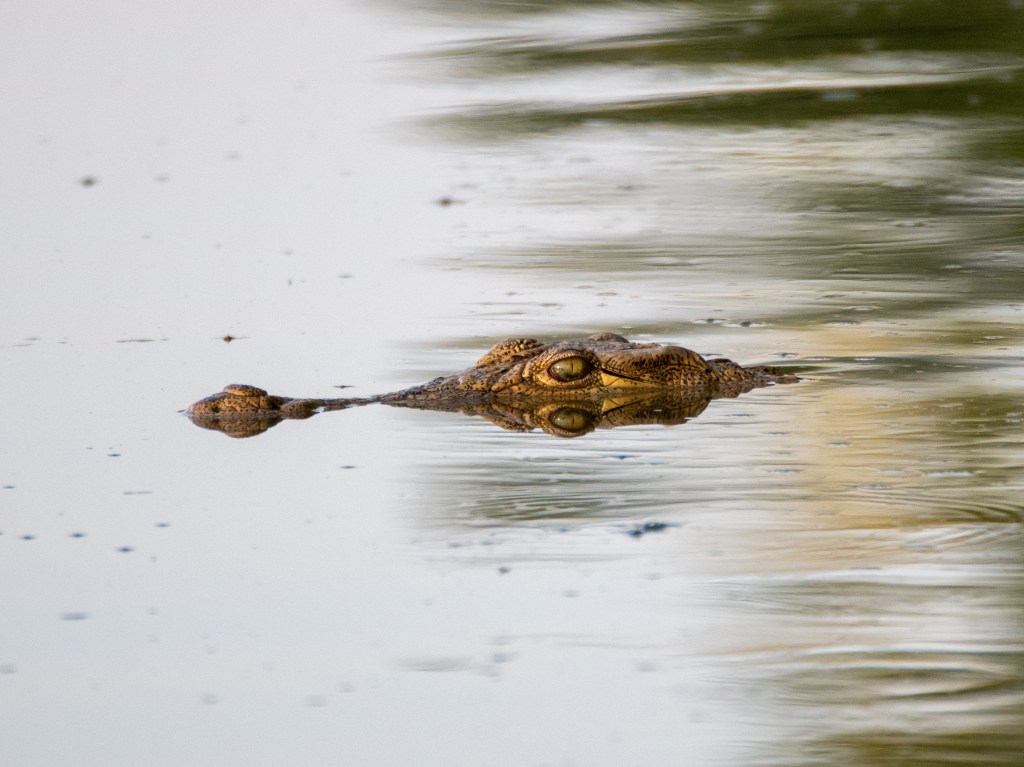
As we were cooking dinner we were visited by a tiny scops owl, prrrrrping away in the tree above us. At least one hippo emerged from the river and began grazing in the open land behind our camp, periodically laughing to his friends back in the water. We had optimistically hoped the smell of boerewors would attract a hyena to come and join us, however we wouldn’t be so lucky.


The only visitors we did have to camp were a couple of honey badgers (you know the video). They busily trotted up to see what they could raid from us, some quick thinking from Sarah – banging a knife on the side of our car making a loud noise – kept them at a safe distance. They circled our camp then decided to try their luck elsewhere.
The whole experience at Magotho was as magical as it was exhilarating. Our time there was only one night, and it was a very uneventful one at that. A fantastic campsite, we have made promises to return for much longer.

 Small Holiday Big Dream
Leave a comment