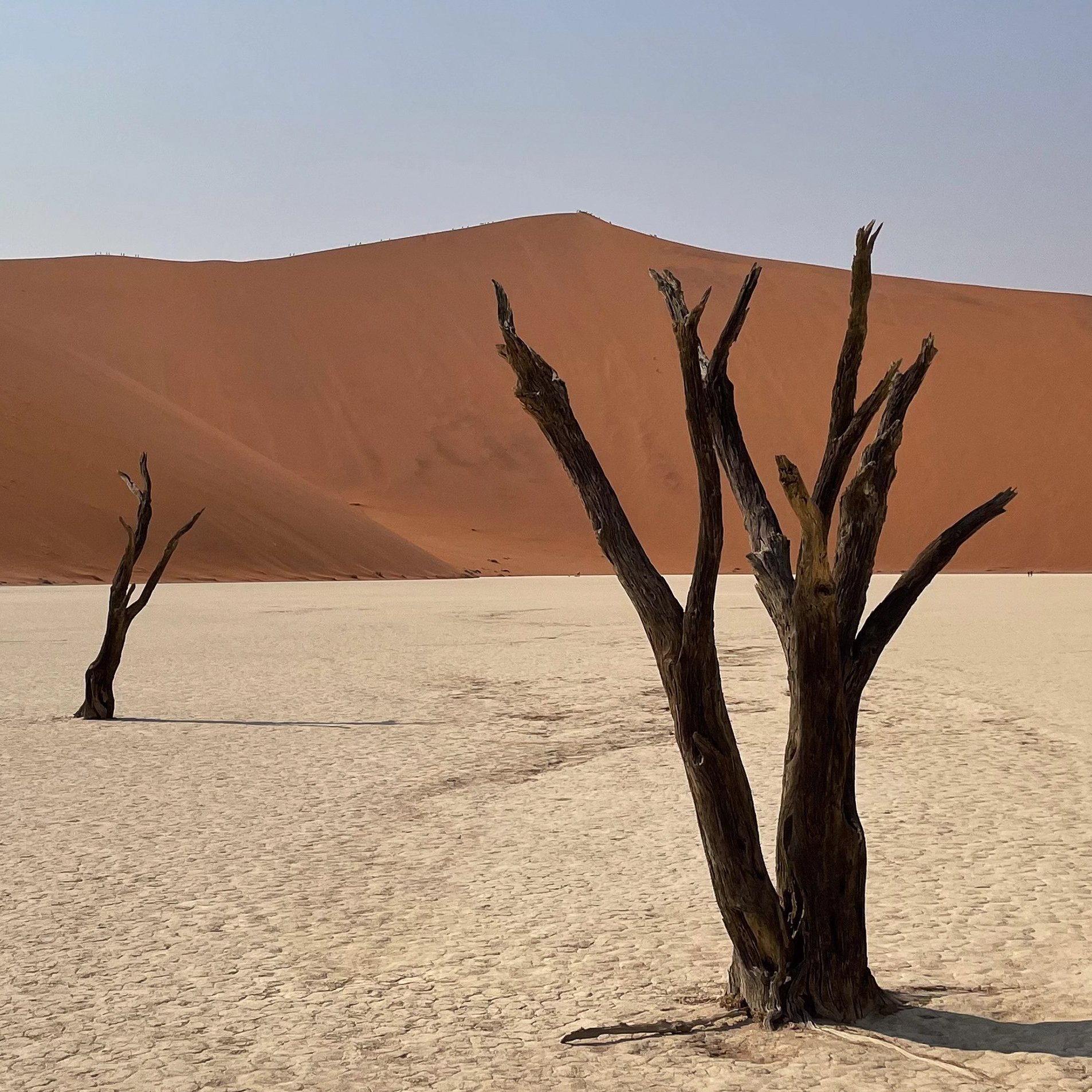
We started off the day with a beautiful sunrise at White Sands, we were lucky to be at campsite #1 which had a private deck looking east over Popa Falls. The sound of the water flowing over the falls overnight was novel, and certainly contributed to a good night’s sleep. White Sands was great, and we wish we could have stayed there longer.


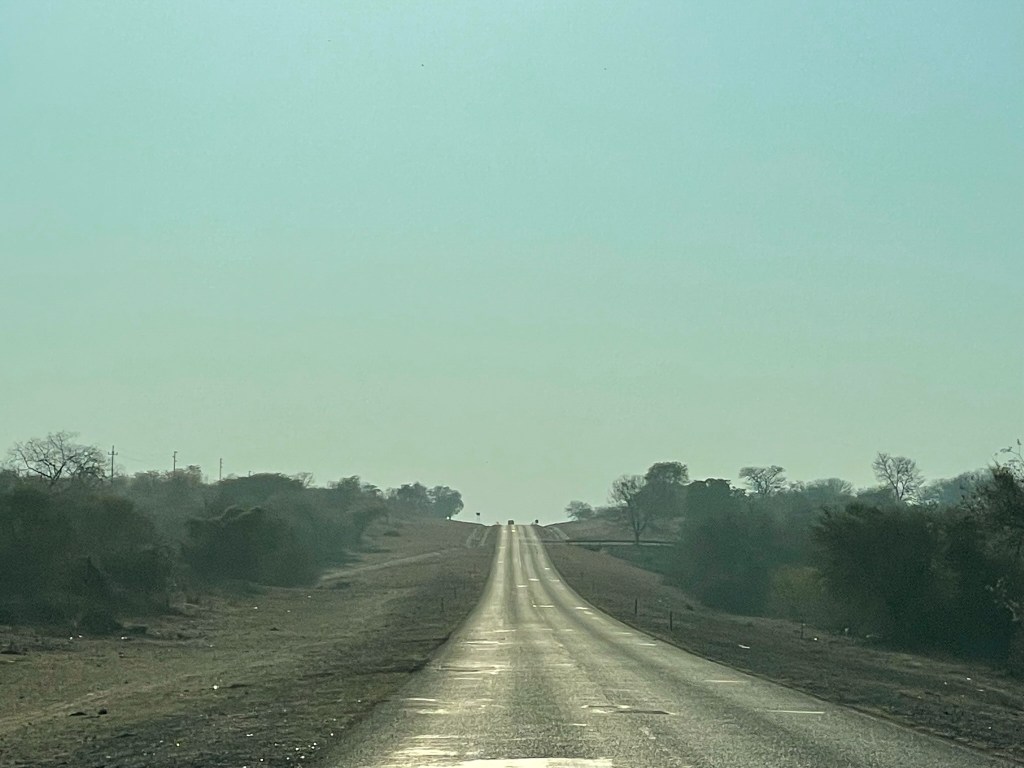
Today we are to travel down the Caprivi Strip into the Zambezi region of Namibia, before crossing the border at Ngoma Bridge and entering Botswana. Ambitiously we’d pinned our hopes on a game drive along the Chobe riverfront before reaching our final destination at Kasane.
Topographically, the Caprivi Strip is a weird appendage tagged on to the northeastern corner of Namibia. The region is home to the three main perennial rivers of the country, the Kavango, the Kwando, and the Zambezi rivers. Each cuts across the 40km wide strip of Namibia at a perpendicular angle, a couple of hours driving along the one and only road separating them.
The Caprivi strip is long. As the crow flies, from Rundu it’s a similar distance to Windhoek as it is to the easternmost tip of Namibia at Impalila island.
Turning east out of White Sands we immediately enter Bwabwata National Park, no need for an entry fee as we’re only transiting the park on the ubiquitous B8 road.
We’re running against the flow, a steady trickle of oncoming trucks reveals that this road is, in fact, a major supply route for the country. The region came under German control as part of the deal in which the British and Germans traded Zanzibar and Heligoland in 1890. The thin strip of land giving the German Empire access to the Zambezi river to the east, and from there onwards towards German East Africa, now known as Tanzania. Named after the German Chancellor who struck the deal, Leo von Caprivi, the name stuck, and is an unhappy reminder of German colonialism in the country.
If you’ve ever imagined what Southern Africa is like, the Caprivi probably mirrors exactly what you have in your mind’s eye. Sparse drawn-out settlements line the road, circular huts with straw roofs are surrounded by various domestic animals. The main road is in great condition though, and we soon whistle through the National Park.


Kongola is where we cross the Kwando river, which becomes the better known Chobe river before meeting the Zambezi at Kazungula. A frosty policeman guards the checkpoint on the far side of the bridge. The routine remains the same, cheerily asking about their day and listening diligently to their complaints of the moment. This man had just acquired some fish from a local fisherman, and he’d managed to store them in a fridge in the house of a lady who happened to live just by the checkpoint. Very much looking forward to his lunch, he beamed as he waved us through.
After a quick stop for fuel in Katima Mulilo, which featured the biggest building we’d seen outside of Windhoek: the local government office naturally, we made our way to Ngoma bridge. We’d made good time, so barring any border crossing mishaps we’d get all afternoon exploring the Chobe riverfront.
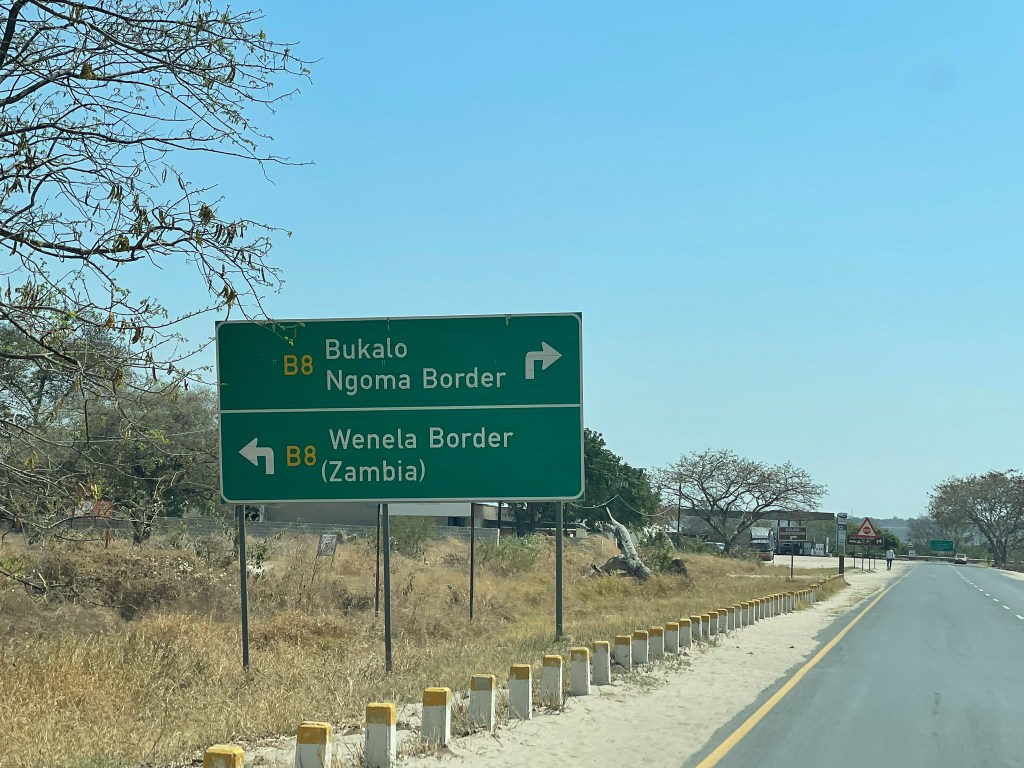

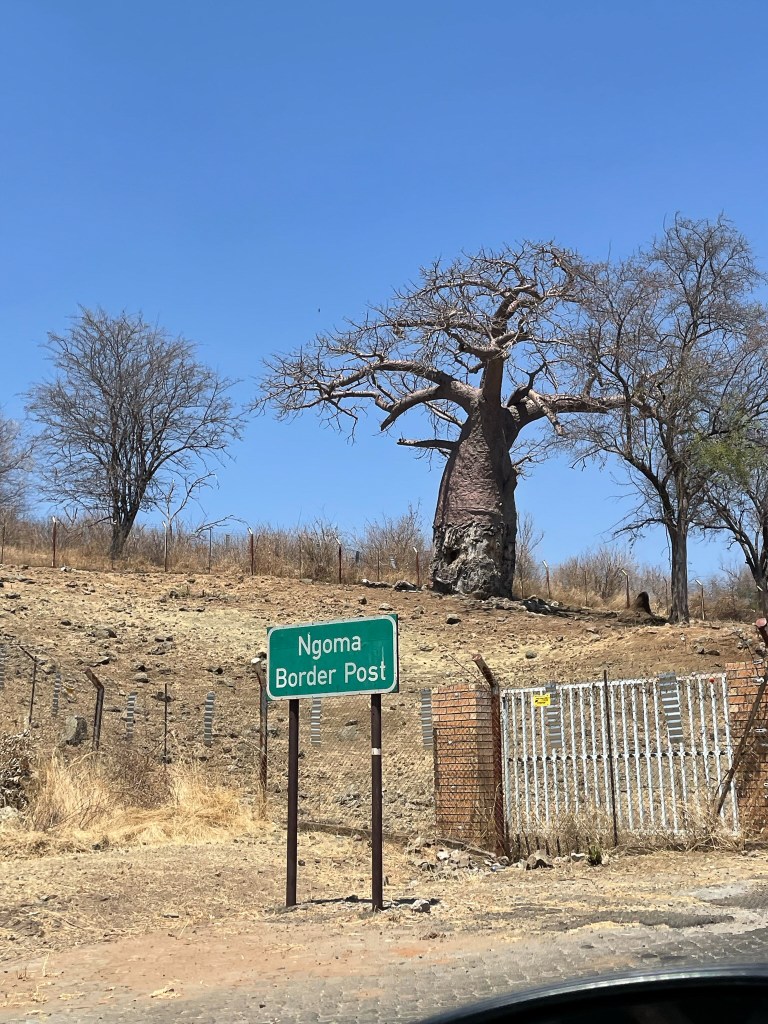
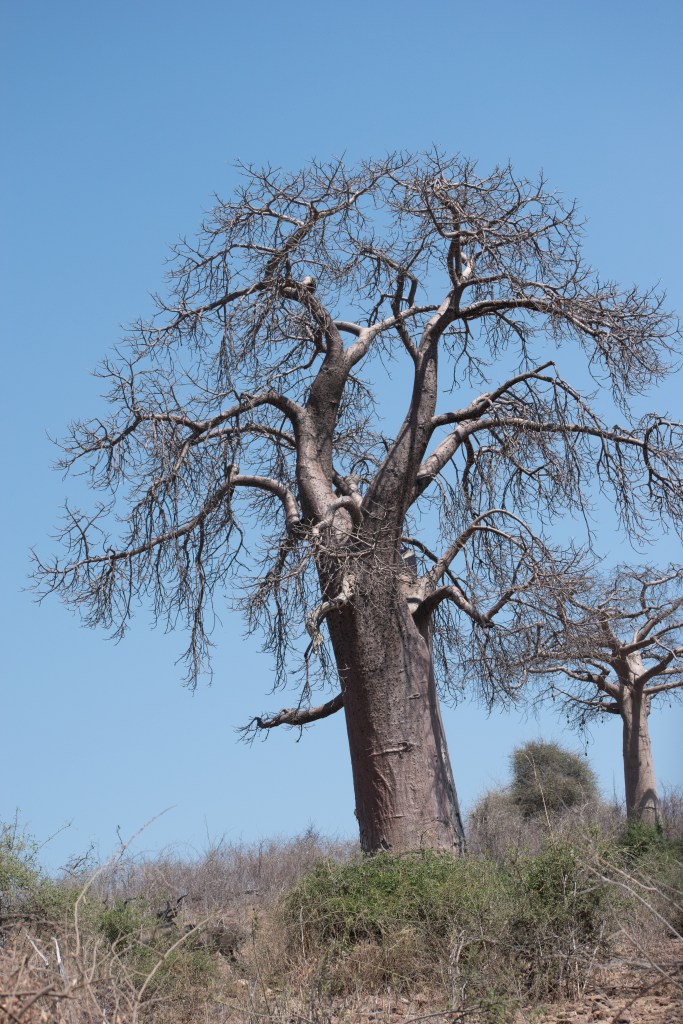
As it happens everything went smoothly, there was a small fee to pay to use the roads in Botswana, and some permits were needed to make sure we weren’t illegally importing a car. After a brief photoshoot with the giant baobabs, the first of any note we’d seen on our trip, we were on our way.


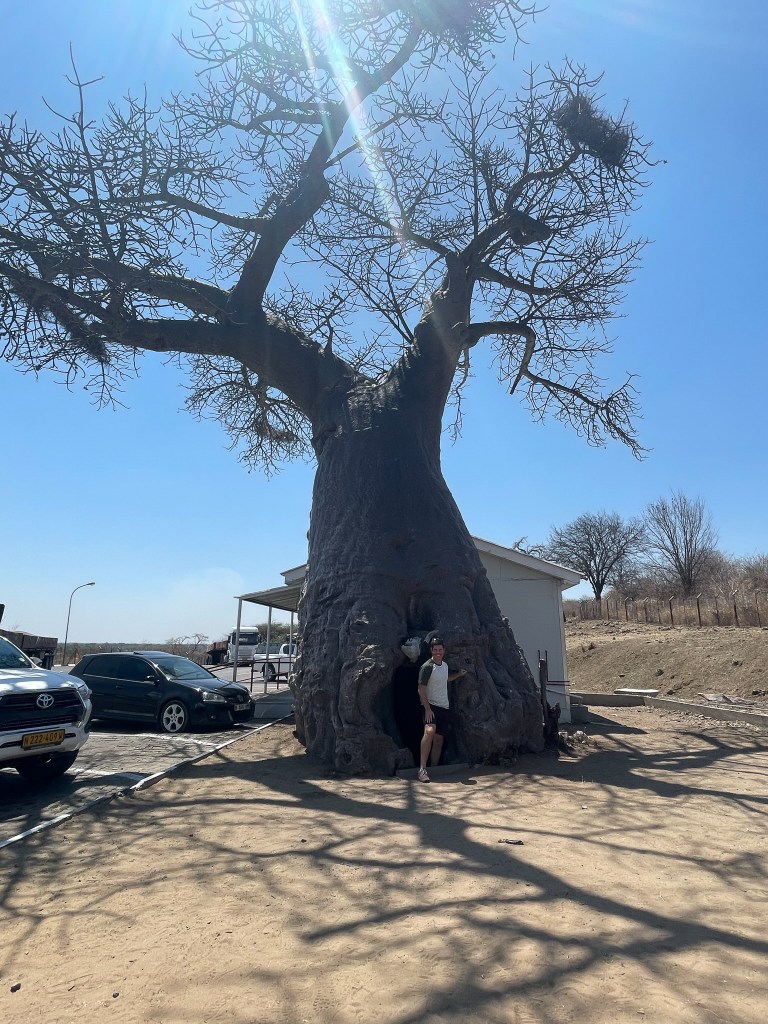
There is no ATM at the border, so we were without Pula for the rest of the day. Luckily we could pay our National Park entry fee by card at the gate. The guide book and map however necessitated cash, so we were promptly relieved of 20 US dollars. The guidebook was worth it though, and they seem impossible to get hold of in the UK. It contained some detailed maps of not only the riverfront area, but the Savuti and Mababe areas which would come in handy later on.
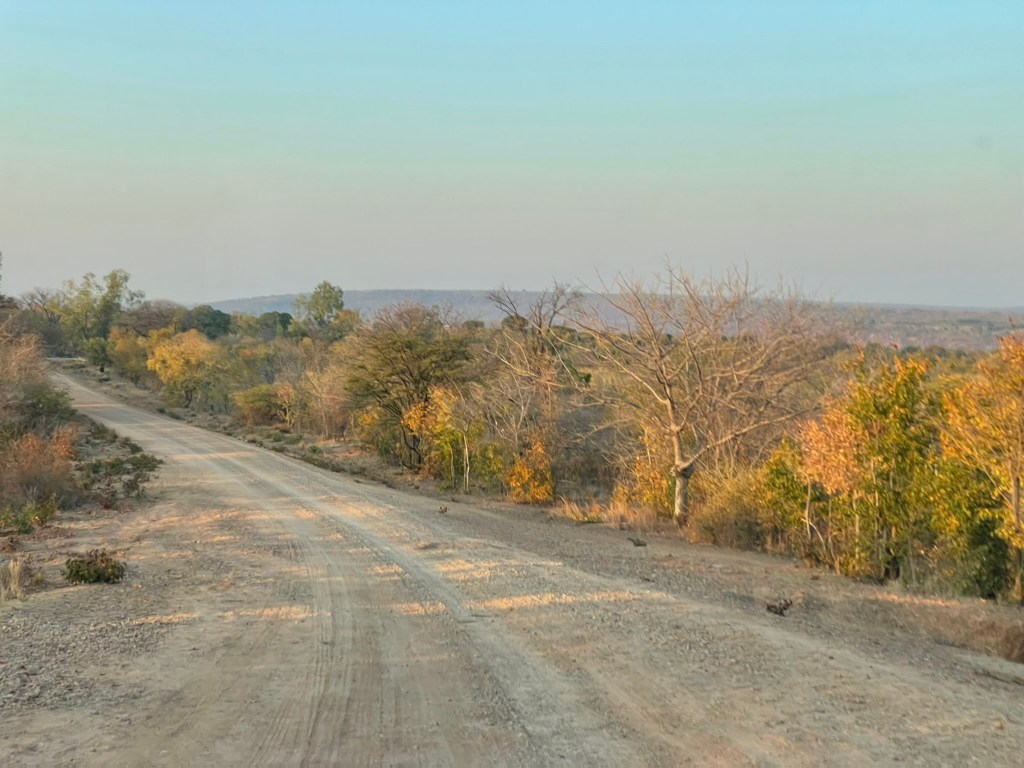
After lowering our tyre pressures we started down the sand track towards the riverfront. Having Tracks4Africa fully downloaded was a real help, they have detailed maps of all the tracks no matter how small and unused, helpful annotations about deep sand also kept us clear of mischief.
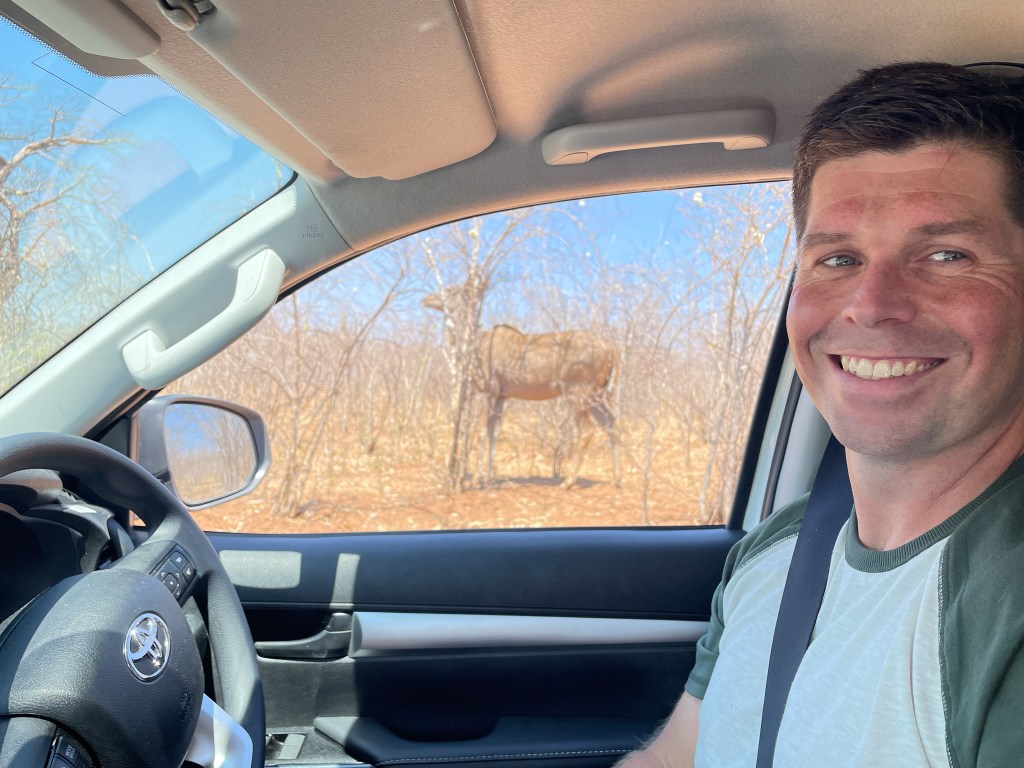
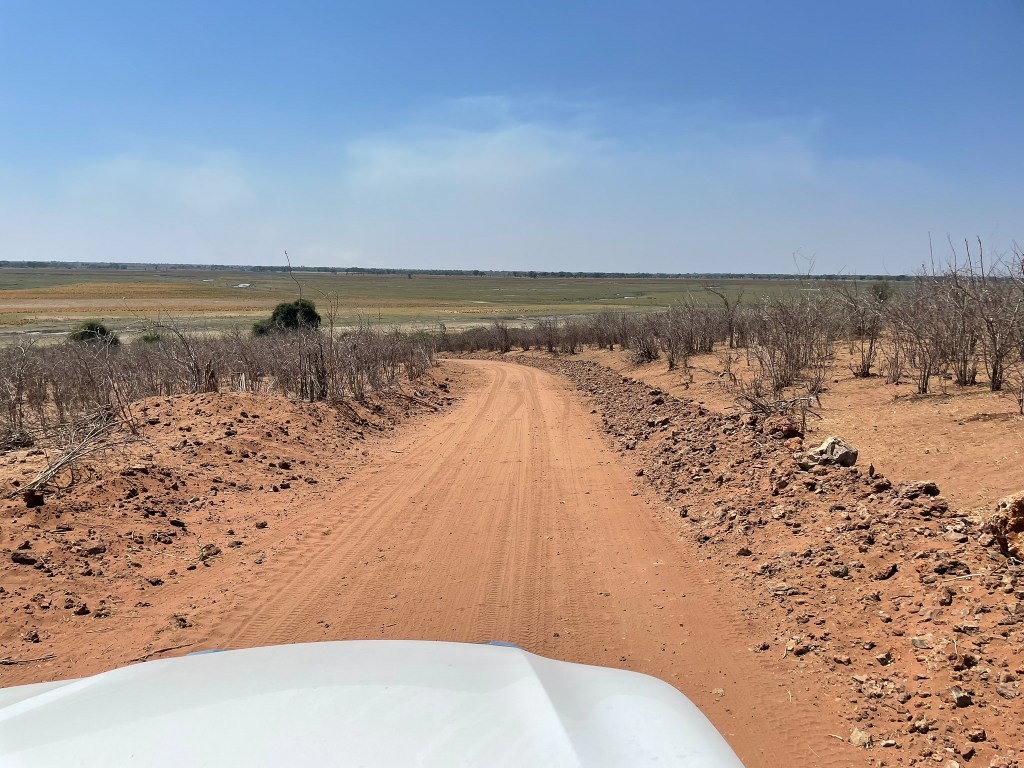
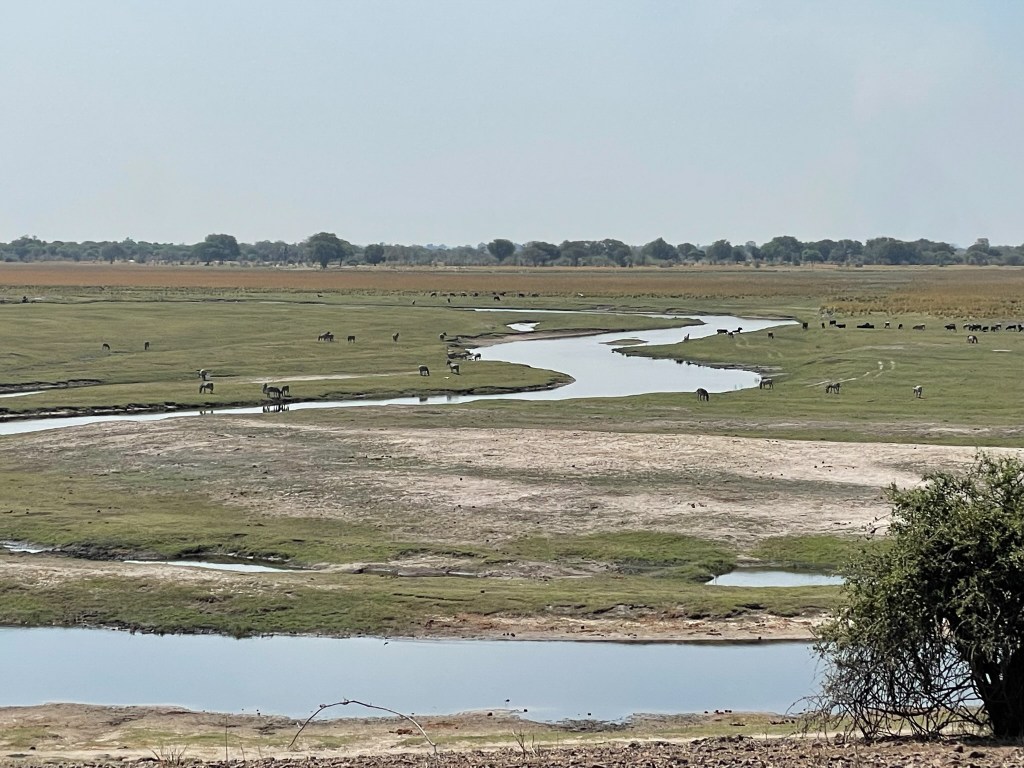
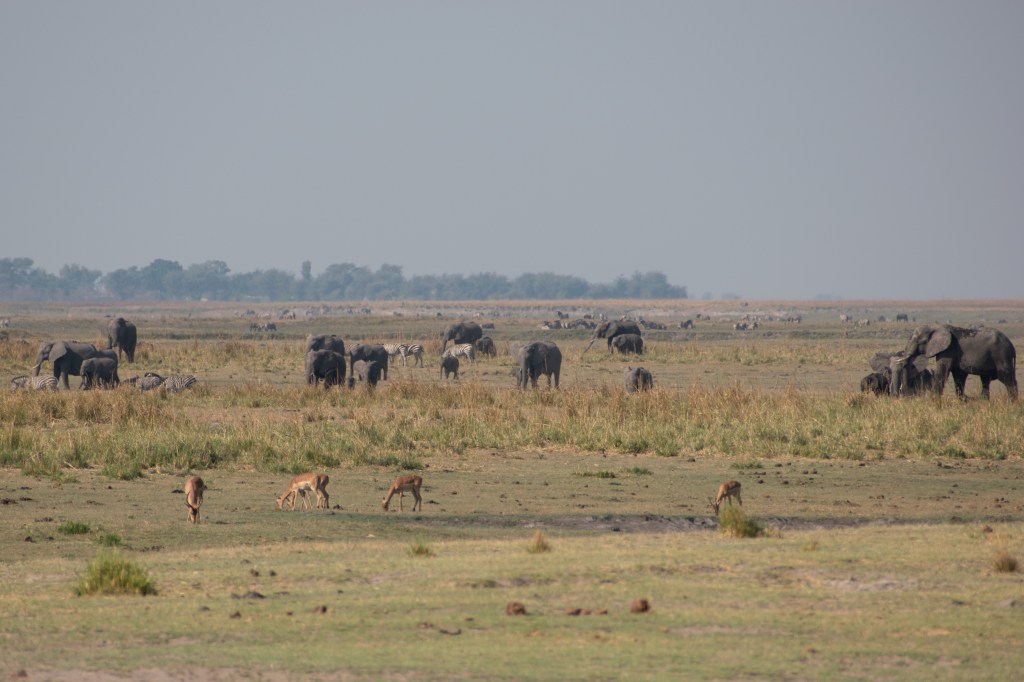
As we reached the bottom of the hill the wide open Chobe floodplain stretched out in front of us. Hundreds of animals of various types gathered between the lakes and channels. Herds of Cattle hung out amongst the zebra and impala.
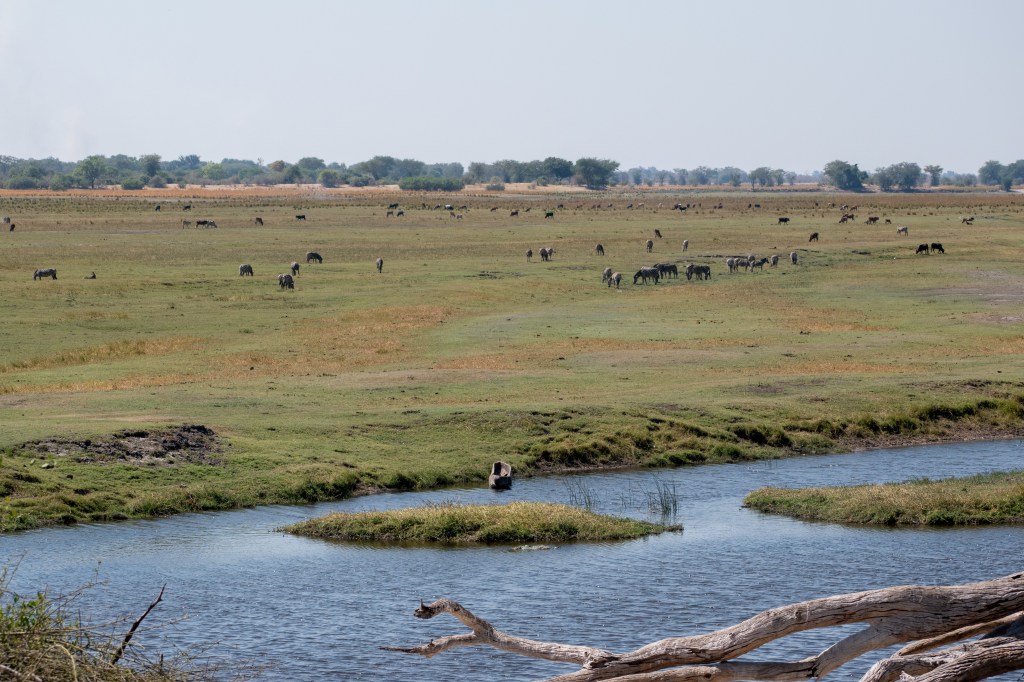
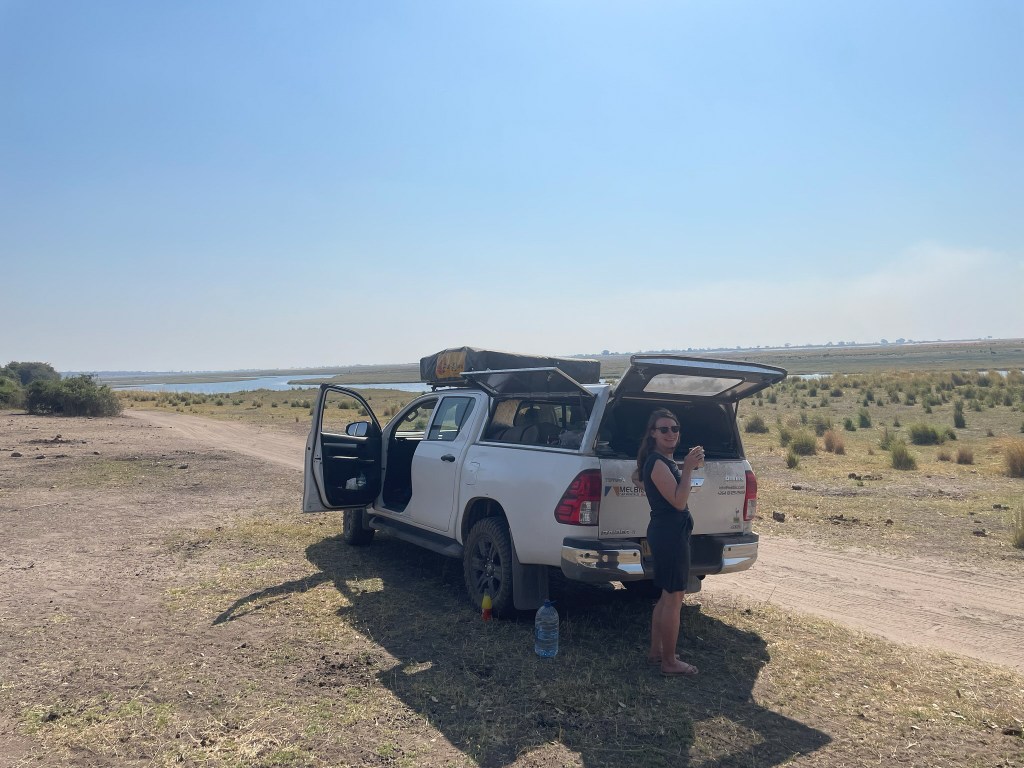
We made our way to Ihaha campsite for our lunch. The camping sites there all look fantastic, it was a shame it was already booked up before we planned our trip, but you can see why. Failing to find any shade we had a picnic out in the open whilst enjoying the view.
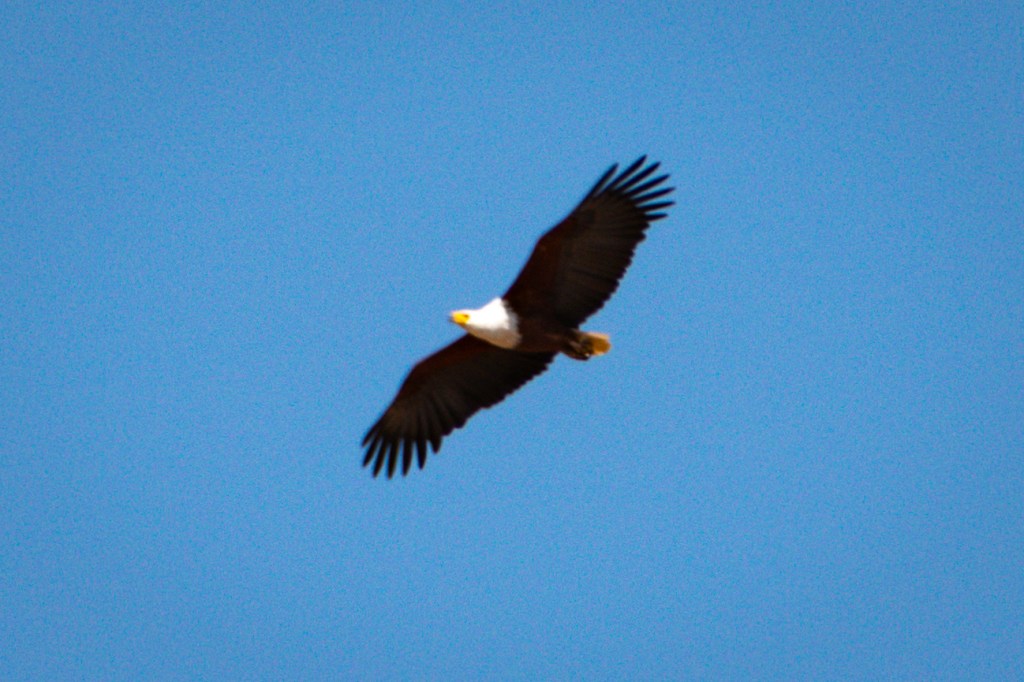
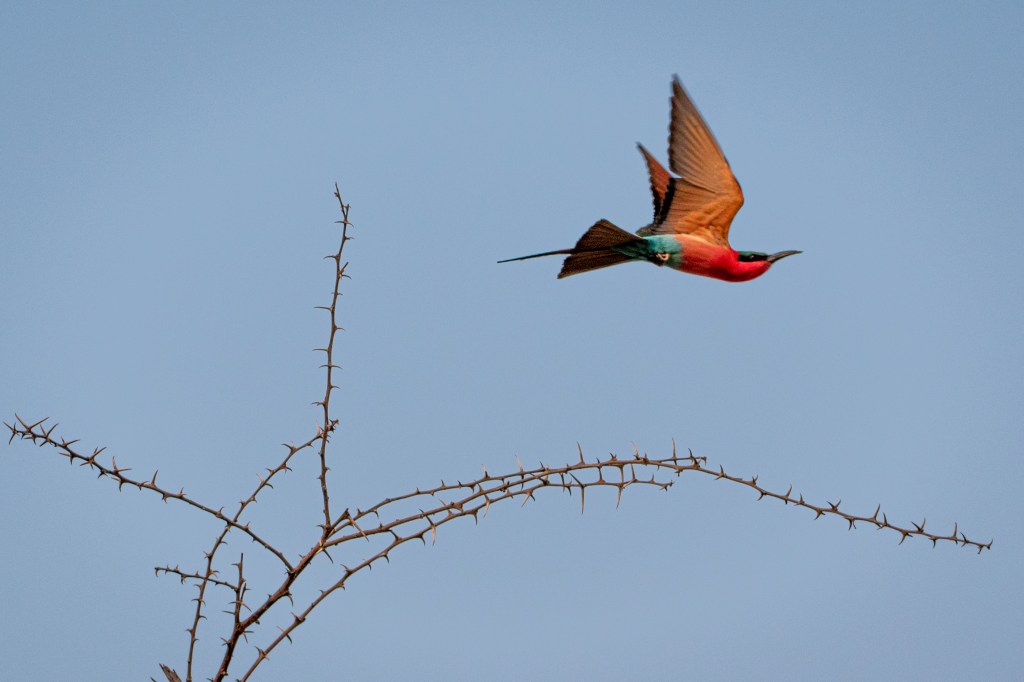
There was more birdlife around than we’d seen previously, we spotted our first Southern Carmine Bee-Eaters, and Fish Eagles, despite it being the middle of the day. Plenty of Lilac Breasted Rollers were on display as they waited patently to hunt, always managing to fly off at the right moment to evade a photo of their beautiful bright blue wings.


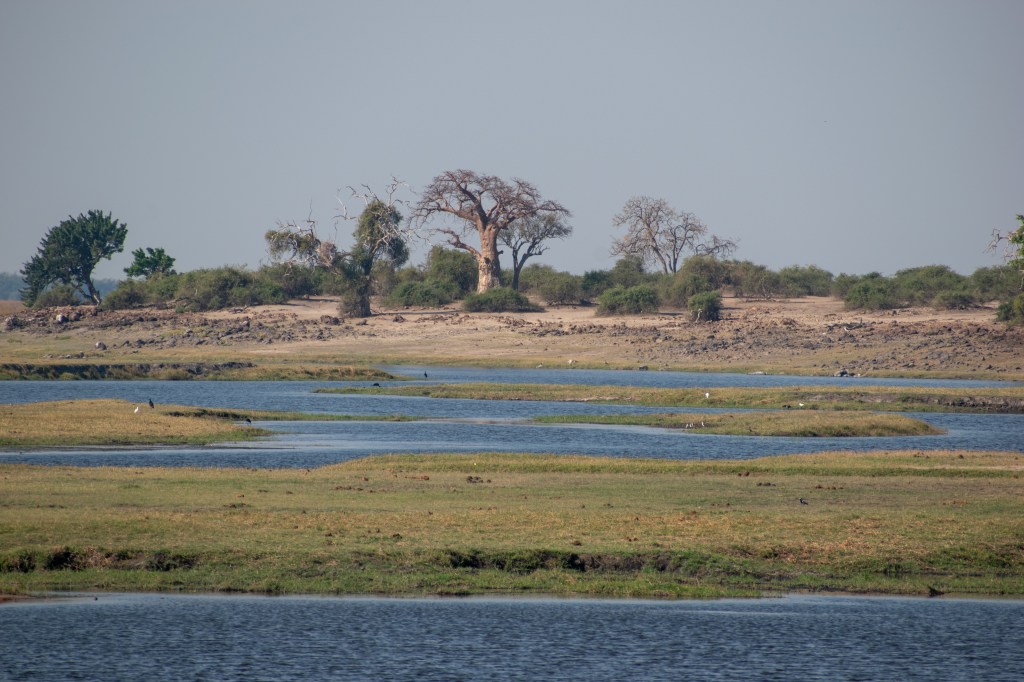
Words can’t really convey how many animals there are on the floodplain, in a single view there could be a hundred or more elephants. We stopped frequently to take it all in. Soon we were getting tight for time again, as the shadows began to lengthen, and we still had plenty of distance to cover.
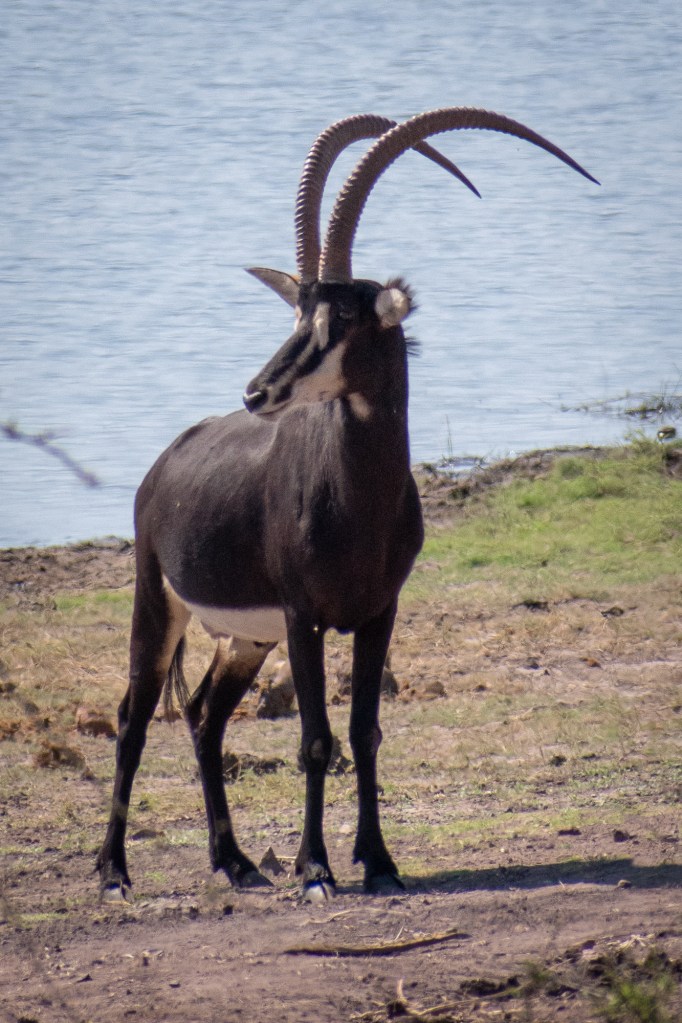
A couple of lonely male Sable Antelope were grazing down by the river. I wonder how long my photo will stay on the wikipedia entry.

We spotted some lions with the help of a large group of stationary safari vehicles. Rather surprisingly our drive had been very quiet up to this point, outside of the picnic sites we’d seen maybe three other cars.


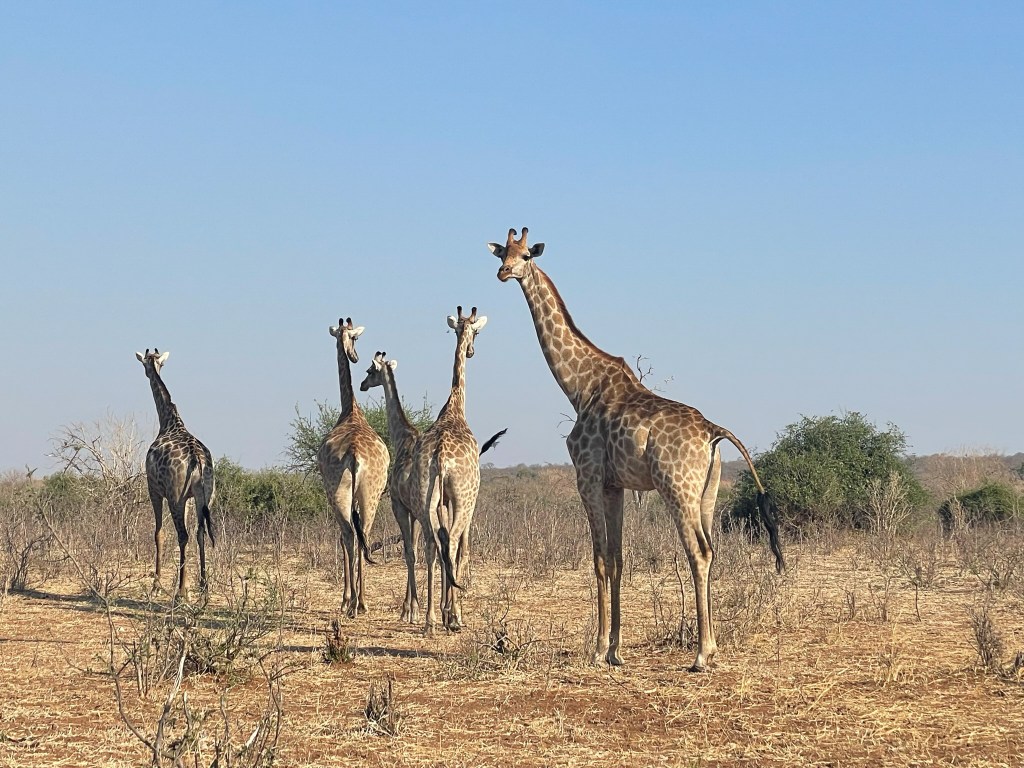

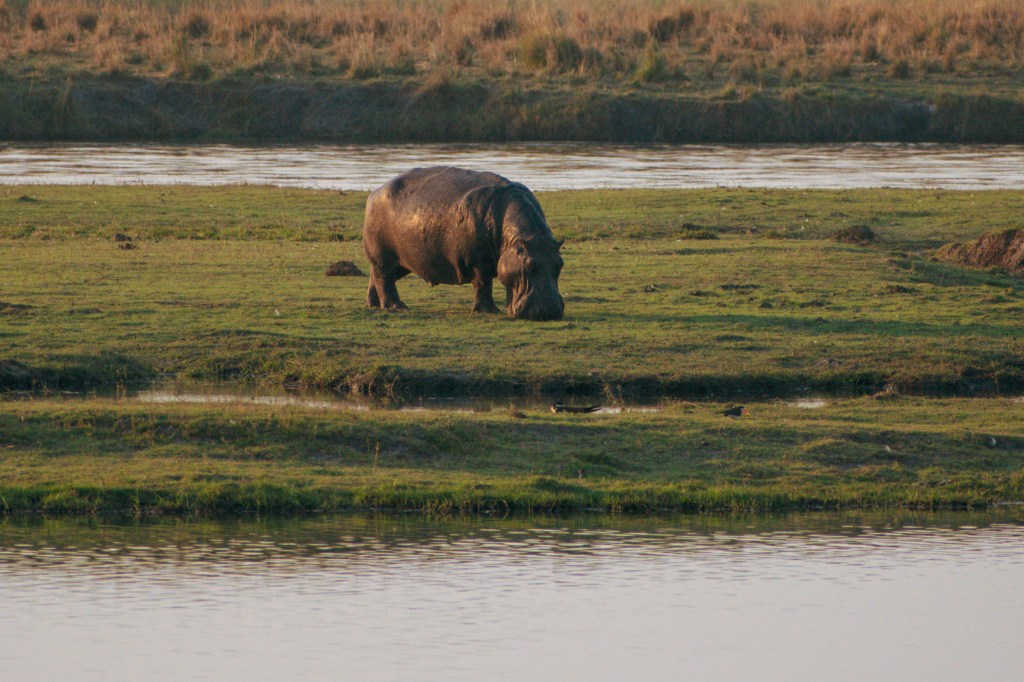
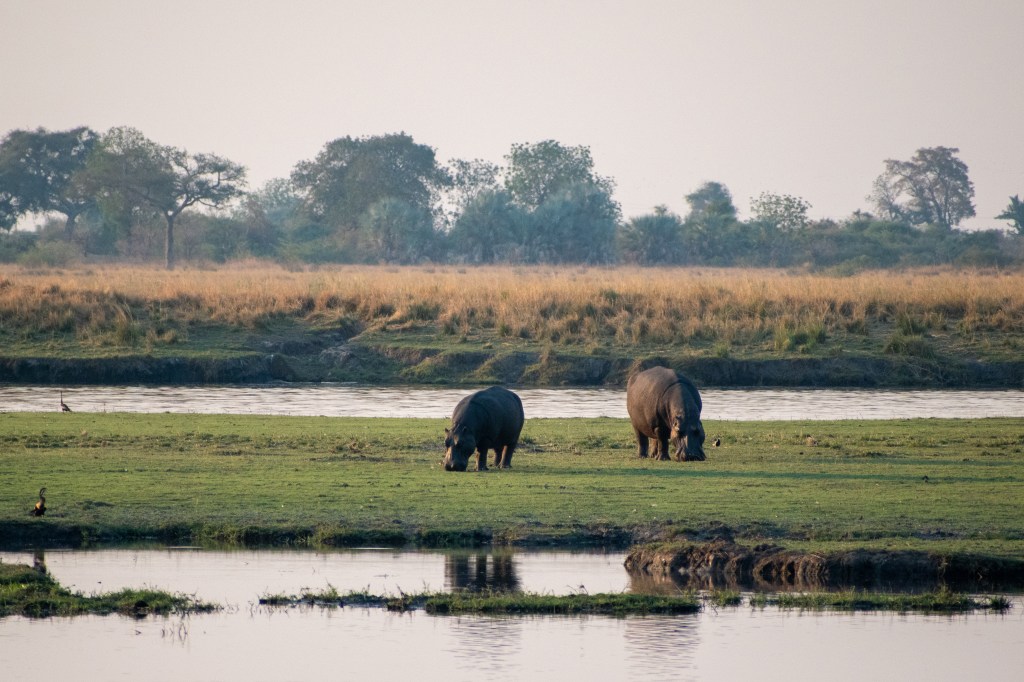
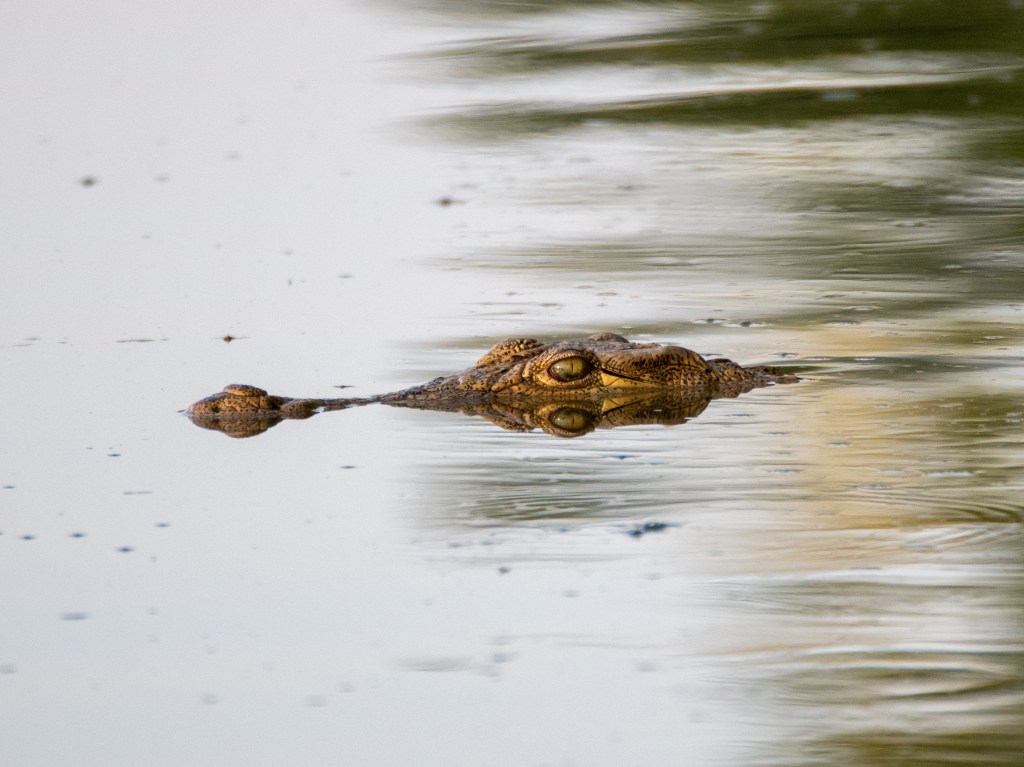
Hippos grazing on the riverbank was another highlight, as was the family of banded mongoose. We exited the park on the stroke of sunset, the guard cheerily declared we were not the last out.



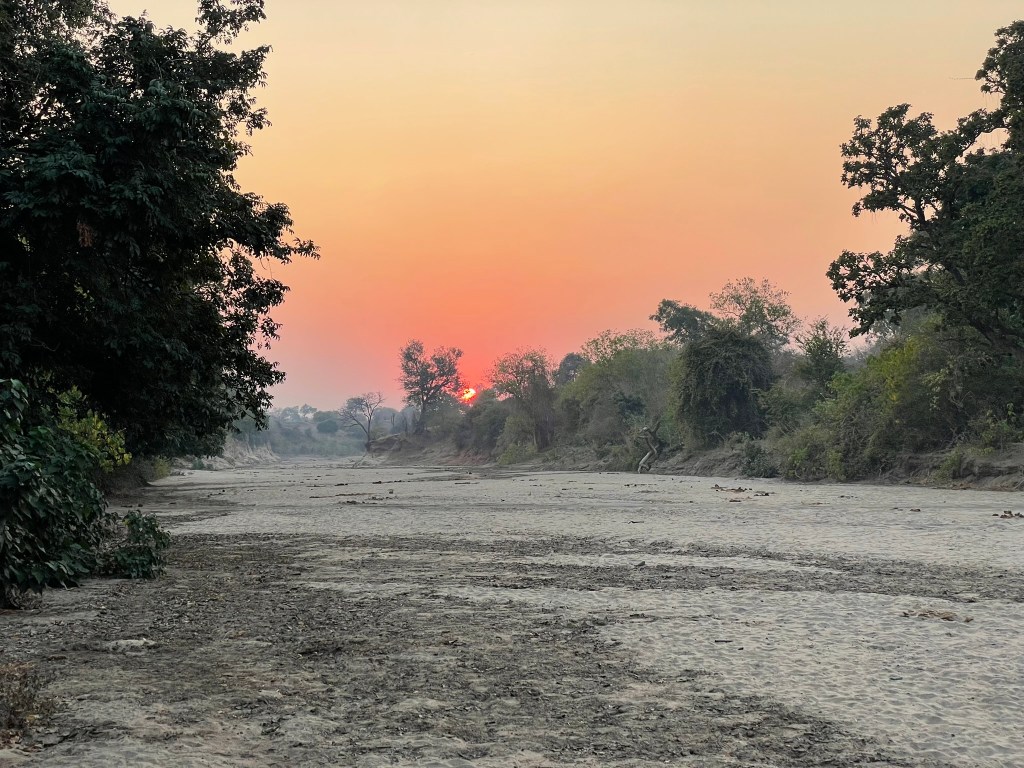
Our accommodation for the night was at the Old House, a lovely small hotel on the bank of the river. We missed the sunset by ten minutes or so, but just had enough time to take in the glow down on the jetty before being ushered back up to the restaurant. There we met an interesting group of Germans who’d been on a 3 month self-drive tour all the way through Zambia and beyond. Listening to all their stories, it’s certainly something to add to the bucket list.


 Small Holiday Big Dream

Leave a comment